By Sam Johnston
Lead Guide and Instructor, Montana River Guides; Instructor and Spill Responder, Whitewater Rescue Institute (WRI)
Introduction: The Fragility of Expertise
I was halfway through lunch, perched precariously on a boulder in the Inner Gorge of the Marañón River, when I nearly took my friend’s life. We were deep inside one of the most committing sections of whitewater in South America—a labyrinth of slot canyons where the rapids stack like a deck of cards and the nearest road, let alone a medical clinic, is over a hundred miles of rugged, unforgiving terrain away.
We had just completed the grueling portage of the upper drops of Wasson’s Slide, navigating unstable granite under the blistering, oppressive heat of the Peruvian sun. I scrambled up a cluster of boulders to scout our next move, instinctively planting my right hand on a rock roughly the size of a washing machine to steady myself. It shifted.
In that singular, unthinking moment, my years of professional training—as a lead guide at Montana River Guides and a spill responder for the Whitewater Rescue Institute (WRI)—seemed to evaporate. I lunged, screaming “Rock!” as a several-hundred-pound slab of granite broke free, surging downhill directly toward my teammate, Dayton, who stood in ankle-deep water below. By some miracle of physics, the boulder wedged between two smaller stones just inches from him. The look he gave me—a cocktail of disbelief and cold, hard realization—is one I will never forget.

Rivers do not care about your certifications. They expose the gap between what you know and what you actually do when you are exhausted, terrified, and pushed to your physical limits. This is the chronicle of our expedition and the five core tenets of swiftwater safety that it reinforced.
1. The Anatomy of an Expedition: A Chronology
The Marañón, often called the "Grand Canyon of the Amazon," is not merely a river; it is a geological challenge. Our team entered the canyon with the intent of self-supported passage, a venture requiring us to carry every calorie, medical supply, and piece of safety gear we needed for the duration.
- The Upper Canyon (Days 1–4): The expedition began with high spirits and technical proficiency. We navigated the initial class IV and V features with standard safety protocols. However, the environment quickly shifted from a recreational challenge to a test of endurance.
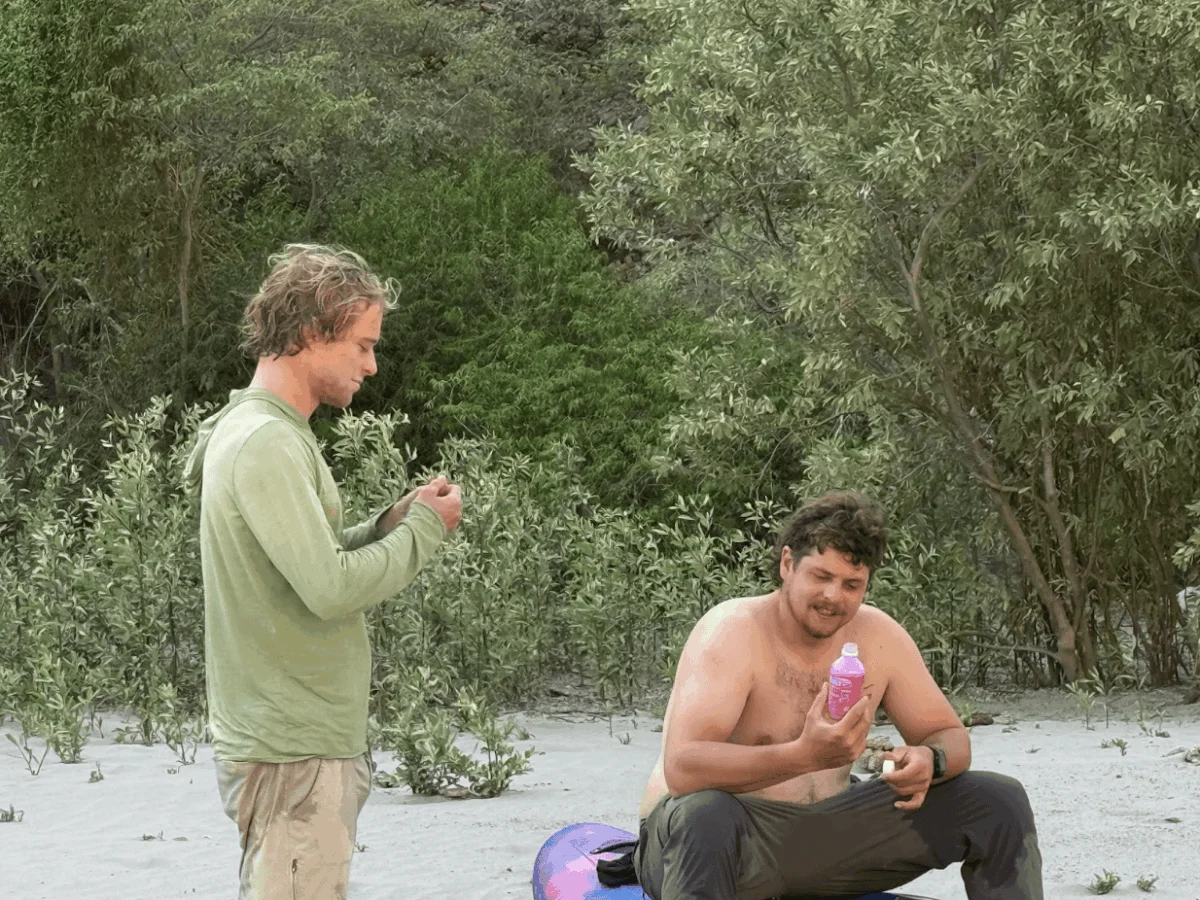
- The Illness Crisis (Days 5–7): Mid-expedition, the reality of the environment set in. Three of our five teammates were struck by a violent gastrointestinal illness. We were forced to shelter under a bridge in a remote village in Ancash. The logistics of the trip shifted immediately: water purification, nutrient intake, and basic sanitation became our primary focus.
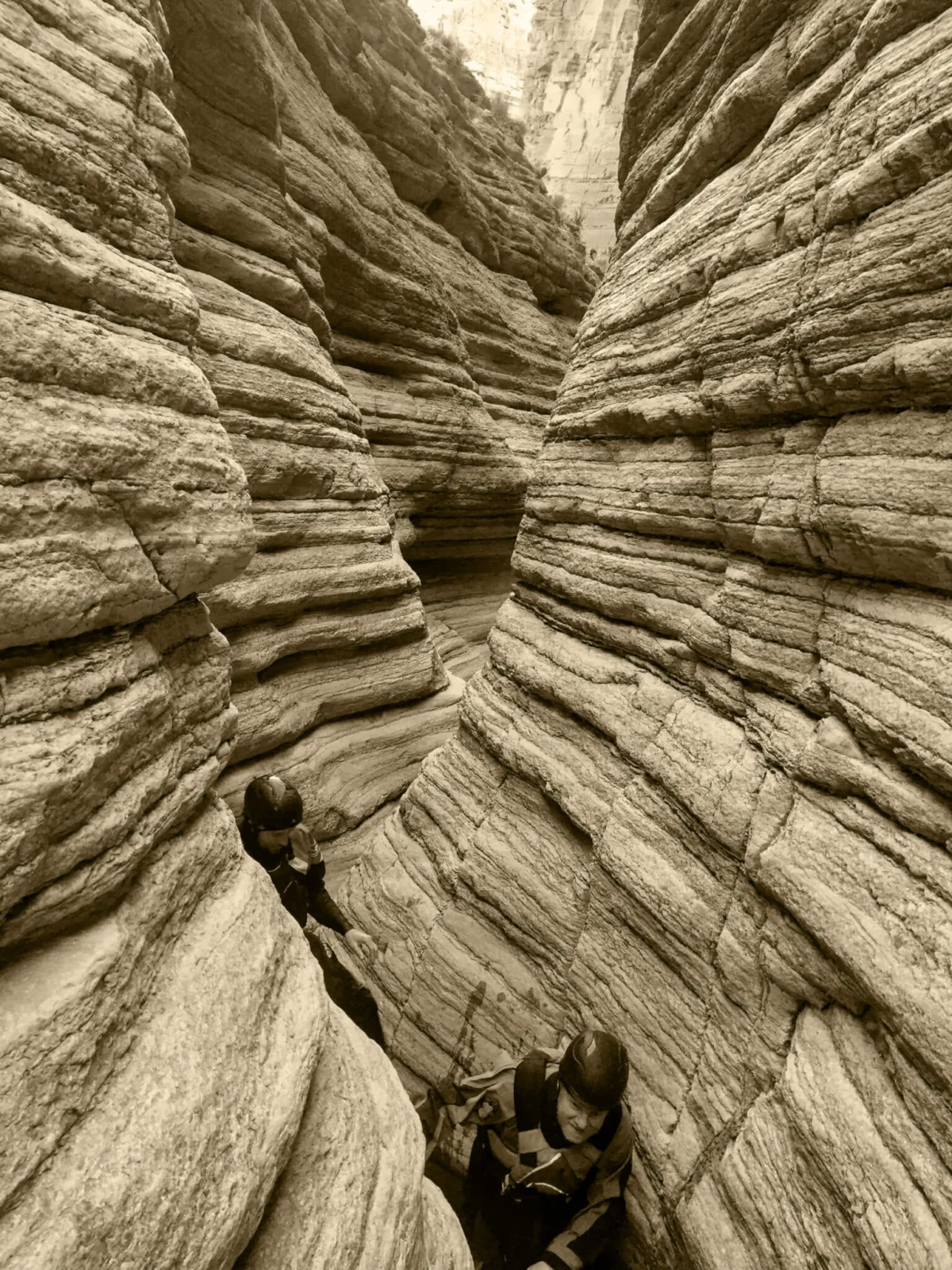
- The Inner Gorge (Days 8–10): This section, characterized by steep, claustrophobic walls, represents the point of no return. It was here that the "Wasson’s Slide" incident occurred. The physical toll of the previous days manifested as degraded cognitive function, a dangerous state for anyone operating in high-consequence whitewater.
- The Samosera Run (Day 11): Having navigated the psychological hurdles of the Gorge, we faced the Samosera Rapid. Here, the team had to reconcile the urge to prove our capability with the cold reality of the risks involved.
2. Five Pillars of Swiftwater Safety
The lessons learned in the Peruvian Andes are universal. They apply as much to a training exercise on the Clark Fork River in Montana as they do to the remote, unmapped stretches of the Amazon basin.
Scene Size-up is a Continuous Process
We scouted Wasson’s Slide with the rigor of professionals. We identified hazards, plotted a portage, and communicated the plan. Yet, we failed to scout our lunch spot. We treated the "safe" zone as an area of zero risk. In rescue operations, the scene does not end at the rapid. It includes the bank you stand on, the anchors you build, and the potential for environmental hazards—like shifting boulders—to turn a moment of rest into a life-threatening incident.

The Degradation of Decision-Making
When Jack and I hiked into a local village to find supplies for our sick teammates, we were exhausted and under immense pressure. We returned with tuna, crackers, and unlabeled antibiotics of dubious origin. In a controlled classroom, I can assess medical risks with clinical precision. In the field, dehydrated and underslept, that version of me is a memory. Systems, checklists, and pre-planned protocols exist precisely because the river is designed to strip away your executive function.
Containment: Plan vs. Prayer
Before entering the Inner Gorge, I convinced myself I had a "containment plan." In reality, I had a hope—a hope that I wouldn’t swim, and that if I did, my team would be there. I was wrong. A real containment plan requires granular answers: Who is watching? Where do they go if I swim? What is the downstream hazard? On the Marañón, I learned that a hope is not a strategy; a plan is a documented, rehearsed sequence of events.
The Ego Current
Standing at the lip of Samosera Rapid, I was forced to perform a brutal self-audit. Was I running the line because it was calculated and safe, or because I didn’t want to be the one to walk? Ego is a current that pulls you into the hole, and naming your motivation out loud—to yourself and your team—is the only way to break its hold.
Respecting the River as an Entity
We often frame river sports through the lens of "conquest." We "conquer" rapids; we "beat" the river. The Marañón cured me of that delusion. You do not conquer a force that has been carving canyons for millions of years. You are a guest. The best rescuers move with a sense of humility, recognizing that the river is not the enemy—it is the environment, and the goal is to work with it, not against it.

3. Supporting Data and Rescue Standards
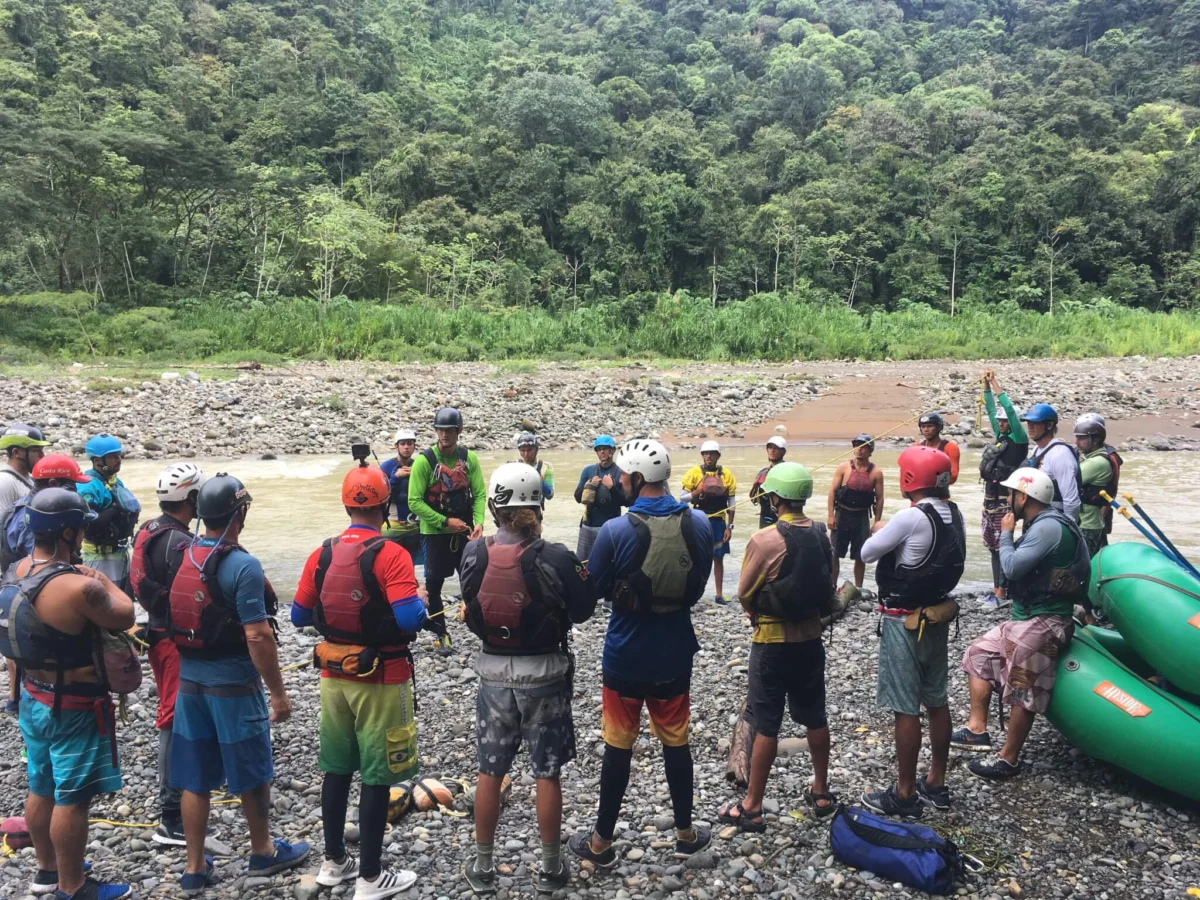
The risks inherent in expedition kayaking are mitigated only by the application of rigorous, standardized safety protocols. The Whitewater Rescue Institute (WRI) operates on the principle that these skills must be refreshed, not just learned.
- Standardization: WRI courses align with NFPA 1006 (Technical Rescue Personnel Professional Qualifications) and NFPA 2500 (Operations and Training for Technical Search and Rescue). These standards are not suggestions; they are the baseline for life-safety in moving water.
- Operational Context: WRI’s training extends beyond recreational kayaking into high-stakes spill response. Their protocols meet the stringent requirements of the United States Coast Guard (USCG) and HAZWOPER (Hazardous Waste Operations and Emergency Response) standards.
- The Decay Factor: Technical skills decay at a predictable rate. Decision-making, however, decays significantly faster. Statistics in search and rescue indicate that the majority of accidents occur among individuals who possess training but have allowed their practical application to lapse for more than 24 months.
4. Official Perspectives on Risk Mitigation
Professional rescue agencies emphasize that the transition from a "training environment" to a "real-world incident" is where most fatalities occur.
"The greatest risk is the assumption of competence," notes an instructor from the WRI lead team. "When a paddler moves from a local river to an international expedition, they often rely on the ‘best version’ of their training. They forget that the environment demands the ‘worst-case scenario’ version of their skills."
The consensus among professional rescue organizations is that "self-rescue" is the primary defense. If you are relying on an external agency to save you in a remote canyon, you have already failed in your primary mission. The mission is not to get out of the water; it is to ensure that your team is never in a position where the river dictates the outcome.

5. Implications for Future Expeditions
The takeaway from the Marañón is not that one should avoid remote travel, but that one should prepare for it with the understanding that the "known" is a very thin veil.
For those planning to push the boundaries of their sport, the implications are clear:
- Iterative Training: A rescue course is not a "one-and-done" certification. It is a perishable skill set.
- Mental Frameworks: Build a culture of communication where team members are encouraged to call out ego-driven decisions before they become physical liabilities.
- Logistical Redundancy: Always plan for the breakdown of your primary systems—be it your health, your gear, or your route.
Bringing it Home
I returned from Peru covered in bug bites, exhausted, and profoundly grateful. The Marañón gave me back my respect for the water and a renewed mandate for the work we do at the Whitewater Rescue Institute.
Whether you are navigating the Clark Fork River in Montana or the headwaters of the Amazon, the material remains the same. The stakes change, but the physics of the water and the psychology of the human brain do not. If you have been waiting to refresh your skills, or if you have a team that relies on your decision-making, treat this as a signal. Skills decay. Decision-making decays faster. The river is waiting, and it will be there long after we are gone.

For those interested in maintaining their proficiency, the Whitewater Rescue Institute offers comprehensive courses on the Clark Fork River, covering everything from swiftwater and ice rescue to boat operations and fastwater spill response. See our current course schedule and ensure you are prepared for the next time the river asks for your best.