Introduction
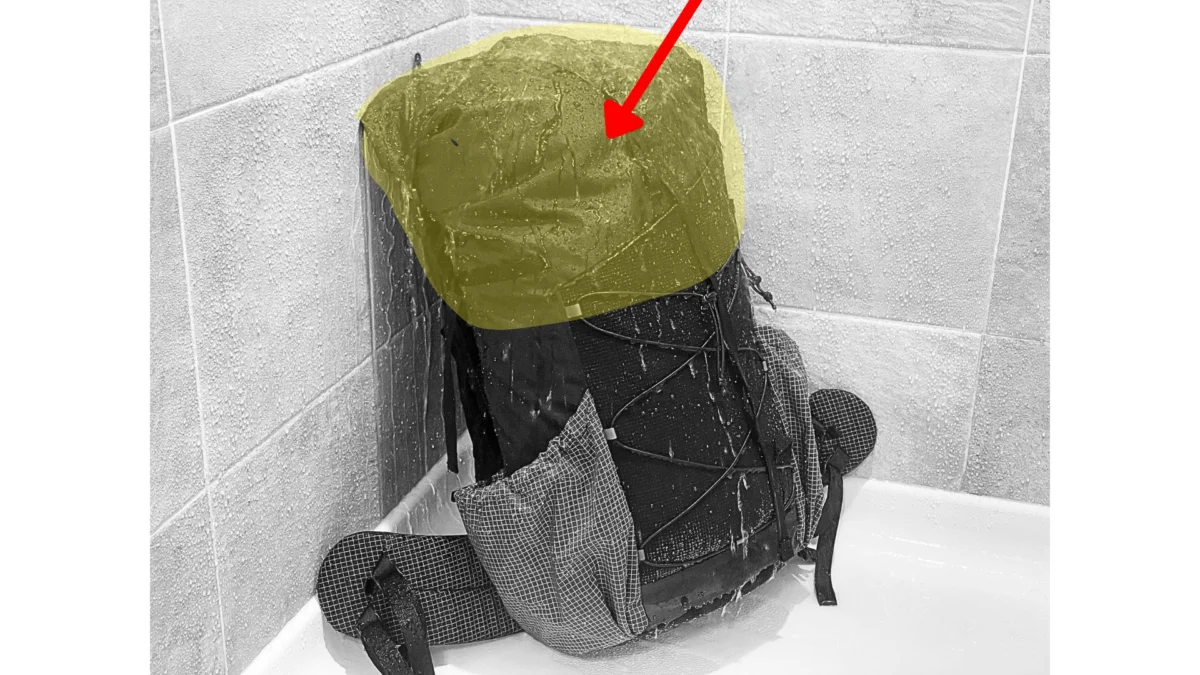
The Durston Wapta 30 has emerged as a lightning rod for debate within the ultralight backpacking community. Positioned at the intersection of high-tech material science and traditional pack design, it attempts to bridge the gap between "fast-and-light" minimalism and the structural support of more robust backpacking gear. Weighing in at approximately 14 ounces, the Wapta 30 utilizes the heralded Aluula Graflyte fabric—a material previously examined for its exceptional strength-to-weight ratio.
However, the primary marketing narrative surrounding the Wapta 30 leans heavily on promises of "comfort" and "refinement." For the experienced thru-hiker or mountain athlete, these terms are often ambiguous. Does the Wapta 30 represent a genuine mechanical evolution in frameless carry, or is it a masterclass in ergonomic aesthetics masking the inherent limitations of a frameless system? This analysis seeks to peel back the layers of manufacturer marketing to evaluate the pack’s actual load-transfer mechanics against a crowded field of industry peers.
Main Facts: Defining the Wapta 30
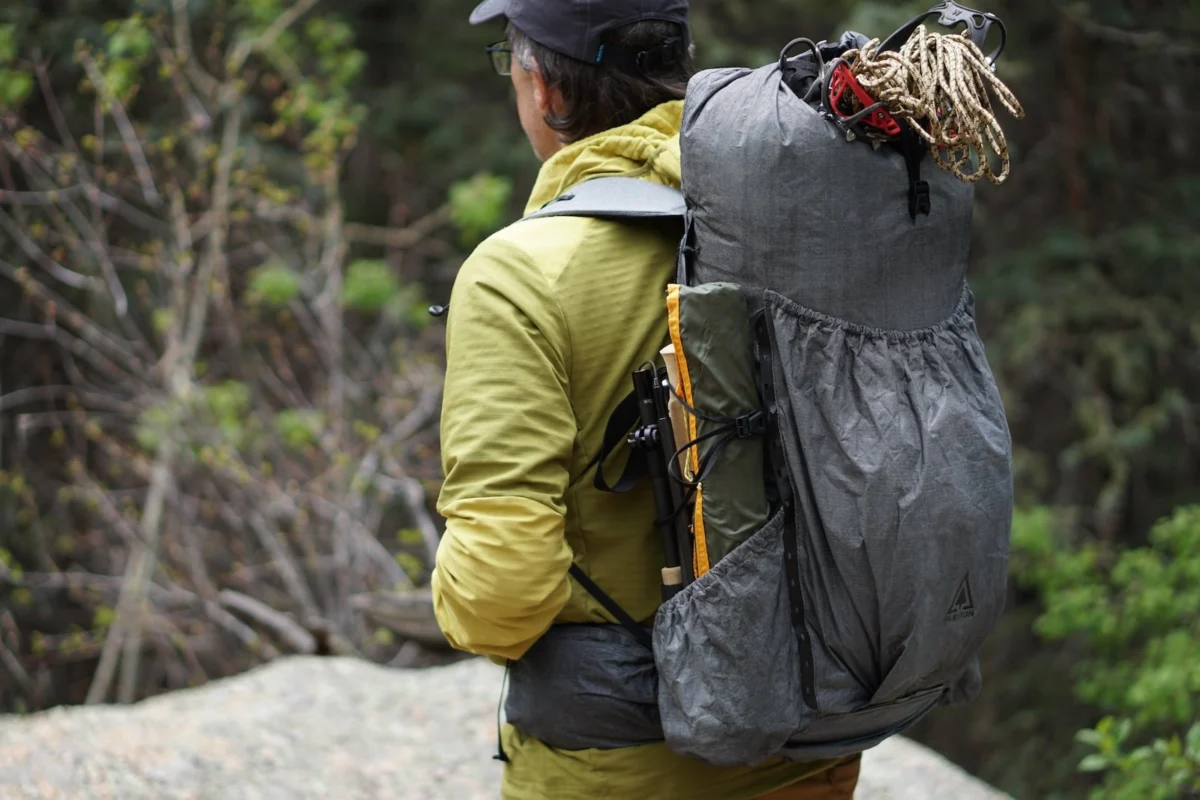
The Durston Wapta 30 is a 30-liter, frameless backpack that defies the traditional "sieve" approach to ultralight design. Rather than stripping the pack to its bare essentials, Durston has incorporated a padded hip belt, a specialized back panel, and a multi-pocket layout.
Core Specifications
- Weight: ~14 oz
- Volume: 30 L (main body)
- Claimed Load Capacity: 25 lb / 11 kg
- Structure: Frameless (no stays or internal framesheets)
- Material: Aluula Graflyte
The pack’s design philosophy hinges on the assumption that material stiffness and intelligent padding placement can compensate for the lack of a rigid frame. By using Aluula, Durston has created a bag with high structural integrity—the pack holds its shape well even when under-packed—but the central question remains: can a frameless pack, regardless of its fabric, ever truly achieve the load transfer required to offload weight from the shoulders to the hips?
Chronology of the Review Process
To move beyond anecdotal evidence, this review was conducted over a four-week period in diverse mountain environments.
- Phase I: Baseline Calibration. The pack was loaded with a standard 3-season mountain kit, including a solo shelter, insulation, and essential hardware. Initial tests focused on static comfort and harness adjustment.
- Phase II: The Load Curve. I systematically increased the carry weight from 22 to 29 pounds, testing the pack’s performance during long-distance trekking and technical rock-scrambling.
- Phase III: Comparative Analysis. The Wapta 30 was pitted against a spectrum of competitors, ranging from minimal frameless options like the Gossamer Gear Murmur 36 to structural hybrids like the Black Diamond Beta Light 30.
- Phase IV: Mechanical Stress Testing. Observations were made specifically on how the hip belt interacted with the torso under heavy, unbalanced loads, focusing on the "sag" coefficient and shoulder pressure distribution.
Supporting Data: The Suspension Analysis
The core issue with many "comfort-focused" frameless packs is the confusion between cushioning and load transfer. A padded strap feels better on the skin than a thin webbing strap, but that is not the same as transferring 15-20% of the pack’s weight to the iliac crest.
The Load Transfer Evaluation
In our testing, the Wapta 30 performed admirably in stability. When tightened, the pack moves as a single unit with the wearer—a massive benefit for scrambling. However, the data suggests that the "load transfer" is largely an illusion.
- The Hip Belt Limitation: Because the hip belt is not structurally integrated into a frame or a stiffened lumbar interface, tightening it often results in the belt sliding upward or compressing the soft tissues of the mid-section rather than bracing against the pelvic girdle.
- Stability vs. Transfer: While the Wapta 30 significantly reduces "bounce" (stability), it does not effectively bypass the shoulders. Compared to the Gossamer Gear Mirage 40, which utilizes a carbon fiber X-frame, the Wapta 30 remains a shoulder-load-dominant system.
Comparative Metrics
| Pack | Load Strategy | Effectiveness of Hip Transfer |
|---|---|---|
| Durston Wapta 30 | Frameless/Padding | Low (Stabilization only) |
| Gossamer Gear Mirage 40 | Carbon Frame | High (True load relief) |
| Black Diamond Beta Light 30 | Hybrid Stays | Moderate (Structural support) |
| Nashville Cutaway | Torso Coupling | Low (Movement-focused) |
Official Responses and Manufacturer Intent
Durston’s marketing emphasizes the Wapta 30 as a "refined" piece of gear. In discussions regarding the suspension, the manufacturer suggests that the pack is designed for users who prioritize weight savings but refuse to sacrifice the ergonomic touchpoints of heavier packs.
It is worth noting that Durston does not explicitly claim the Wapta 30 is a "load-hauling" pack. The 25-lb capacity limit is a realistic boundary. The "refinement" mentioned in marketing copy refers more to the organizational layout—the dual shoulder pockets, the accessibility of the side pockets, and the ease of compression—rather than a revolution in mechanical physics. The "Aluula factor" provides a stiff bag that is easy to pack, which reduces the frustration often associated with floppy frameless packs, thereby increasing the perceived comfort of the user.
Implications for the Ultralight Market
The release of the Wapta 30 signals a shift in the industry. For years, the ultralight market was polarized: you either chose a "big bag" with a heavy frame or a "sacks-with-straps" frameless pack. The Wapta 30 attempts to fill the middle ground.
1. The Death of the "Frameless" Definition
We are moving toward a spectrum of "structural framelessness." The Wapta 30 proves that if you use high-modulus fabrics like Aluula, you can create a pack that feels more substantial than traditional sil-nylon or Dyneema packs. However, consumers must be wary: a stiffer pack is not a frame-supported pack. If your goal is to carry 25+ pounds for multiple days in comfort, a pack with a frame—even a light one—remains superior to even the most refined frameless system.
2. The Rise of the "Fast-and-Stable" Pack
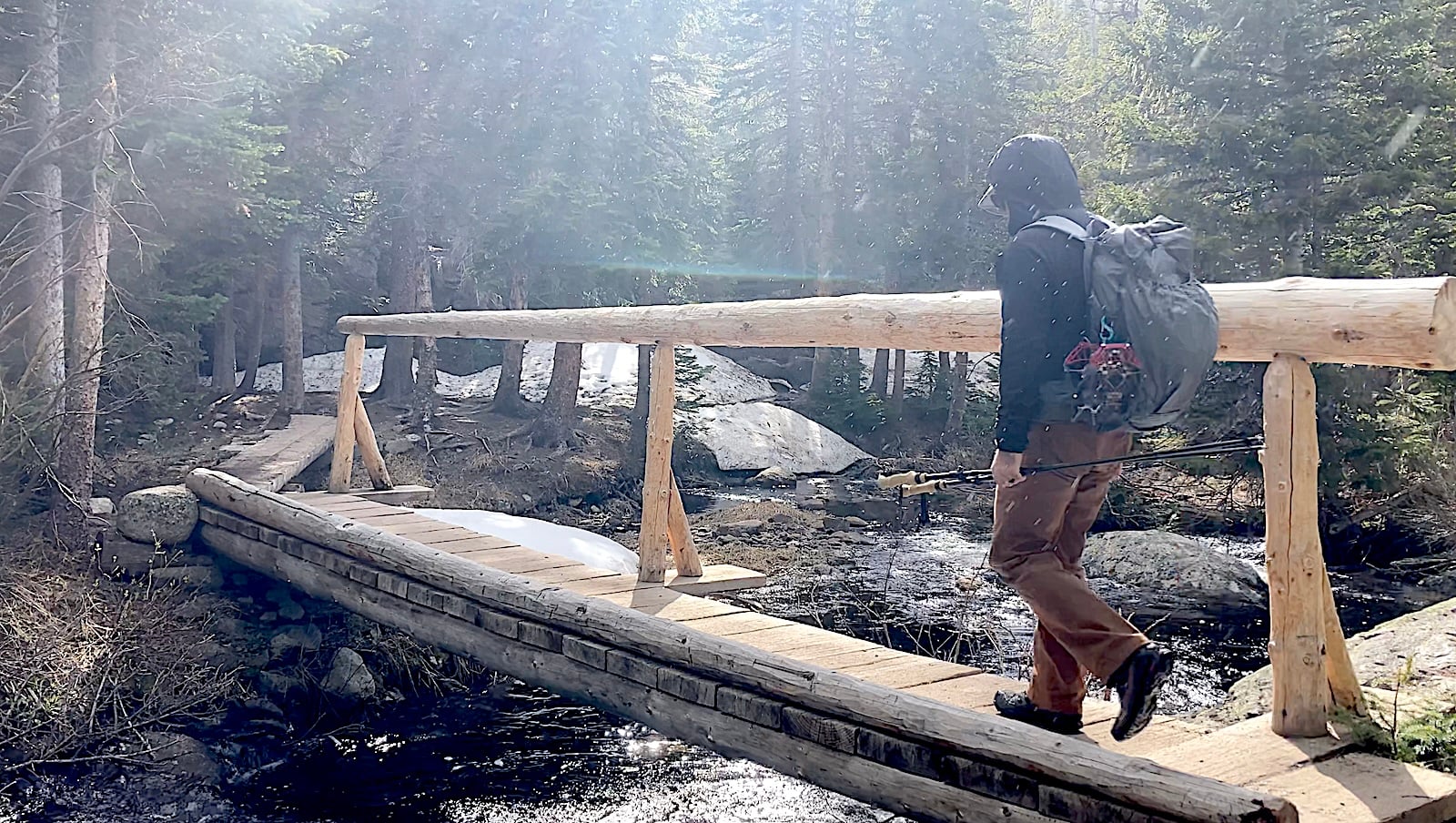
The Wapta 30 is an excellent tool for the "fastpacker." If your kit is light (sub-20 lbs) and your objective is high-mileage days on technical terrain, the Wapta 30’s superior stability and ergonomic pockets offer a tangible advantage over traditional, loose-fitting frameless packs. It is a piece of gear designed for movement, not for static load-bearing.
3. Material Science vs. Mechanical Physics
Aluula Graflyte is undeniably impressive, but this review serves as a reminder that fabric cannot replace geometry. A pack’s ability to transfer weight is dictated by the connection between the load, the frame, and the hip belt. The Wapta 30, despite its high-tech construction, remains bound by the laws of physics. It is a fantastic piece of engineering for a specific niche, but it is not a "magic bullet" that makes a 30-pound load feel like 10.
Conclusion
The Durston Wapta 30 is a premium, highly refined piece of equipment that excels in stability, organization, and weight-to-durability ratio. It is arguably the best "frameless-feeling" pack on the market for users who enjoy the aesthetic and organizational advantages of a modern, well-structured bag.
However, prospective buyers must distinguish between comfort and load transfer. If you are looking for a pack to solve the mechanical burden of a heavy load, you will still need to look toward framed options. But if your goal is to refine your kit, shed ounces, and enjoy a pack that stays glued to your back during technical scrambles, the Wapta 30 is a formidable contender that successfully pushes the envelope of what a frameless design can offer. It is not the end of the frame, but it is certainly a new, highly effective chapter in the evolution of the frameless pack.