Executive Summary: A New Milestone in Renewable Integration
In a significant stride toward India’s ambitious net-zero targets, ACME Solar, a leading independent power producer (IPP), has officially commissioned the first phase of its sophisticated hybrid renewable energy projects in Kelan Village, Bikaner, Rajasthan. This development is not merely an addition to India’s generation capacity; it represents a pivotal evolution in how the nation approaches grid stability through the integration of solar, wind, and large-scale battery energy storage systems (BESS).
With this latest commissioning, ACME Solar has reached a critical juncture, pushing its total operational renewable energy capacity to approximately 3.05GW. More impressively, the company’s operational battery storage footprint has now surpassed the 4GWh milestone, reaching 4.16GWh. This dual-pronged advancement underscores the shifting landscape of India’s energy sector—moving from intermittent solar generation toward "Firm and Dispatchable Renewable Energy" (FDRE), which ensures power is available even when the sun is not shining.
The Core Developments: Powering Rajasthan and Beyond
The recent commissioning events involve two distinct yet synergistic projects in the Bikaner district, a region rapidly becoming the epicenter of India’s renewable energy revolution due to its high solar irradiance and vast, untapped land banks.
The 300MW Solar-Wind Hybrid Project
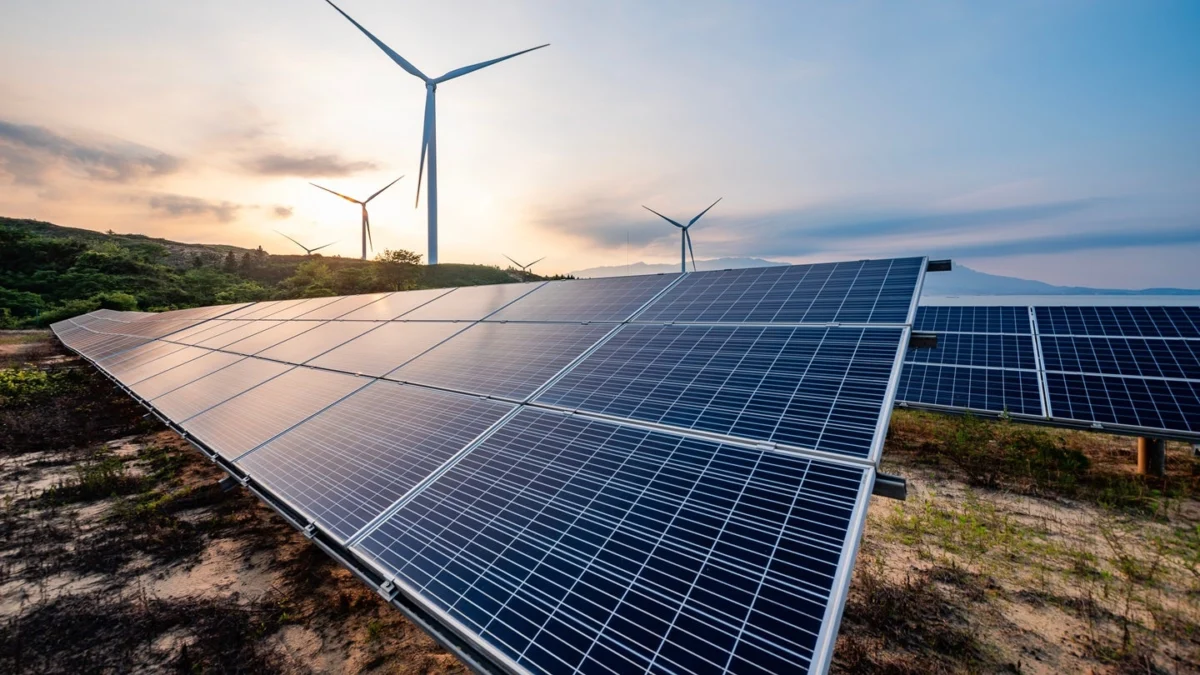
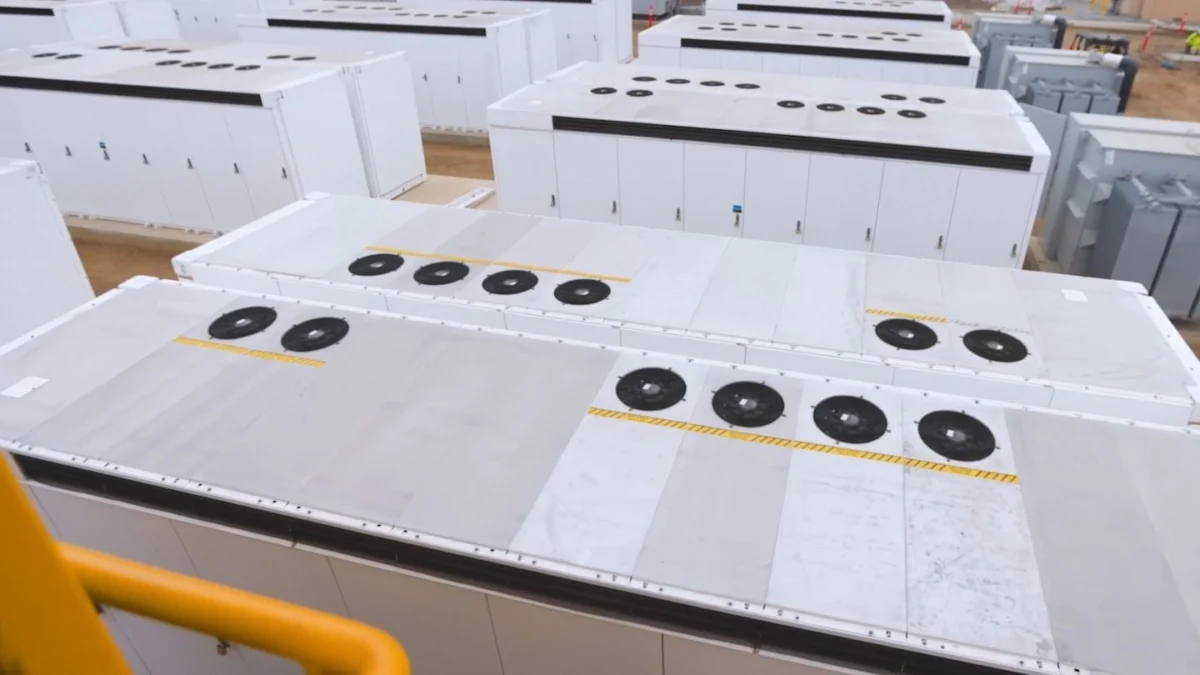
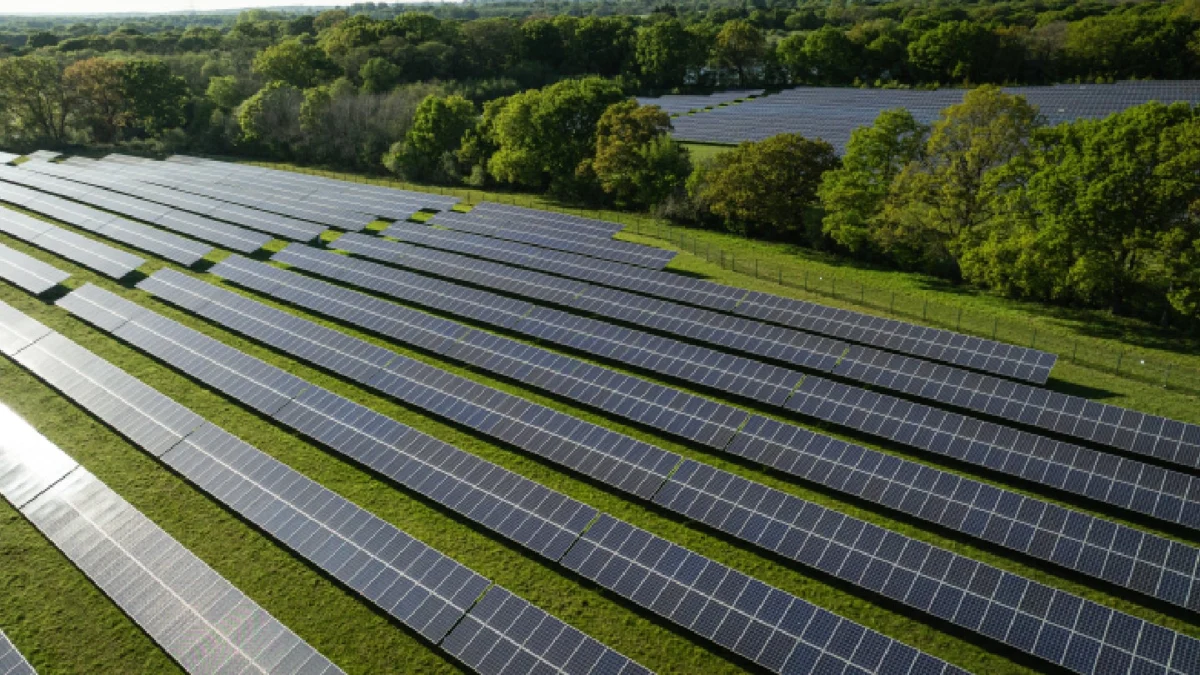
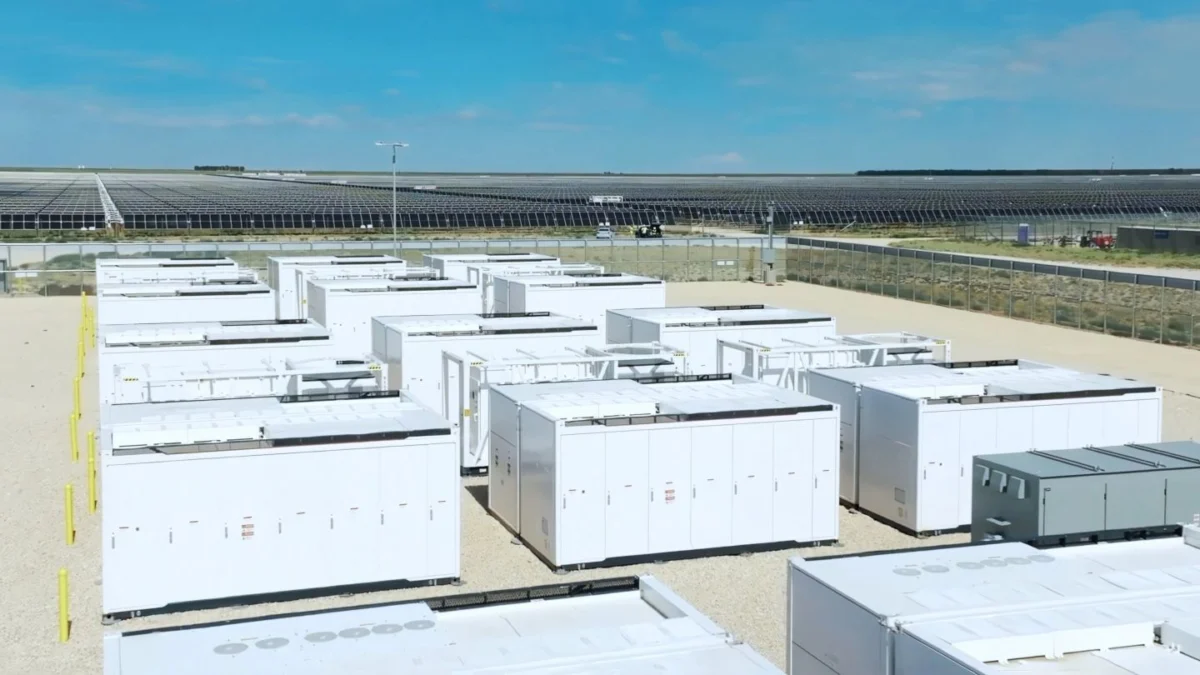
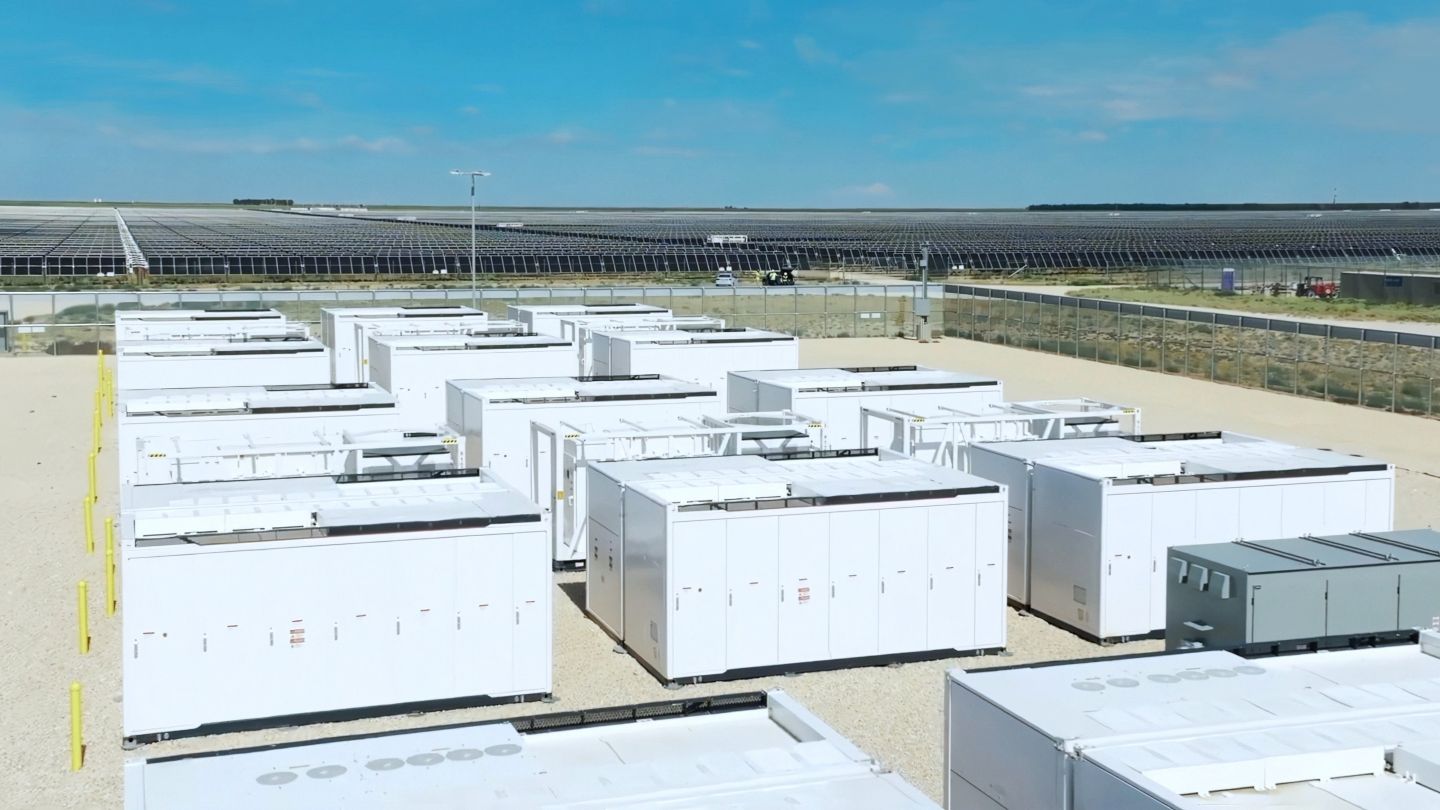
Operated under the subsidiary ACME Renewtech, the first phase of this hybrid project has brought 66.68MW of solar capacity and 300MWh of BESS capacity online. The project is designed as a multi-modal energy hub. Once fully realized, the facility will feature:
- 300MW of Solar capacity
- 100MW of Wind capacity
- Integrated BESS support
The electricity generated by this facility is destined for the national grid, underpinned by a Power Purchase Agreement (PPA) with the state-run energy conglomerate NTPC. This partnership provides the financial predictability necessary for the long-term operational viability of the plant, with the Power Finance Corporation (PFC) serving as the primary lender. ACME Solar has confirmed that the full 300MW solar component is on track for completion by the third quarter of the 2026–27 financial year.
The FDRE Initiative: ACME Greentech Seventh
In a parallel development at the same site, ACME Greentech Seventh—a subsidiary of ACME Solar—has successfully commissioned the first phase of its FDRE project. This facility brings 53.63MW of solar capacity and an additional 300MWh of storage online. The grand vision for this project is a massive 300MW/1.58GWh storage capacity, which will act as a buffer for the regional grid. Supported by a PPA with SJVN and financing from REC, this project exemplifies the government’s push for "round-the-clock" (RTC) renewable energy.
Chronology of Expansion: From Vision to Execution
The progress made by ACME Solar in Bikaner is the culmination of a multi-year strategic roadmap.
- Initial Conceptualization (2023–2024): ACME Solar identified the Kelan Village site as a strategic location, leveraging existing grid infrastructure and favorable geographical conditions.
- Financial Close (Mid-2024): The company secured the necessary long-term financing agreements with institutions like the Power Finance Corporation and REC, ensuring that the heavy capital expenditure (CAPEX) requirements for BESS technology were met.
- The IIFCL Partnership (August 2026): In a landmark move last month, ACME secured $164 million (Rs15.71bn) from the India Infrastructure Finance Company (IIFCL). This was a milestone event, marking the first time IIFCL acted as the sole lender for a greenfield ACME project, with a generous 19-year repayment term.
- September 2026 Commissioning: The successful activation of the phase-one solar and storage capacities marks the transition from construction to operations.
- Future Milestones (Q3 2026–27): The company has committed to a phased rollout, with full commissioning of the 300MW solar array and the completion of the 1.58GWh storage systems expected within the next two quarters.
Supporting Data: The Scale of Ambition
ACME Solar’s portfolio growth is indicative of the rapid institutionalization of renewable energy in India.
| Metric | Current Status / Target |
|---|---|
| Total Contracted Portfolio | 8.37GW |
| Operational Capacity | 3.05GW |
| Operational BESS Capacity | 4.16GWh |
| Target Completion (Solar) | Q3 FY26-27 |
| Financing Partner (Recent) | IIFCL ($164m) |
The diversity of the portfolio—spanning solar, wind, and storage—is a tactical hedge against the intermittency challenges that have historically plagued solar projects. By managing an 8.37GW pipeline, ACME is positioning itself as a primary contributor to India’s goal of achieving 500GW of non-fossil fuel capacity by 2030.
Implications for the Indian Energy Landscape
The success of these projects carries profound implications for the Indian power sector, shifting the narrative from capacity addition to quality of supply.
1. Solving the Intermittency Problem
Historically, solar power has been criticized for its inability to provide base-load power. By integrating 300MWh of BESS in the first phase alone, ACME is demonstrating that the "Duck Curve"—a phenomenon where solar generation peaks during the day while demand peaks at night—can be effectively managed. The storage systems allow for the "time-shifting" of energy, ensuring that solar power generated at noon is available for evening peak consumption.
2. Strengthening Energy Security
The involvement of NTPC and SJVN, two of India’s largest state-run power entities, ensures that the electricity generated by these plants is prioritized within the national grid. This provides a level of energy security that reduces India’s reliance on imported thermal coal, shielding the economy from global fuel price volatility.
3. Financial Maturation of the Sector
The $164 million deal with IIFCL signals a maturing debt market for green energy. With a 19-year repayment term, lenders are showing increased confidence in the long-term bankability of hybrid renewable projects. This "patient capital" is essential for the transition to a greener grid, as it lowers the cost of capital and, by extension, the price per kilowatt-hour for the end consumer.
Official Perspective and Market Outlook
While ACME Solar has maintained a lean communication strategy, the speed of its project execution speaks volumes. Industry analysts note that the company’s ability to secure financing from diverse sources—ranging from state-owned power finance institutions to infrastructure-focused banks—indicates a high level of operational transparency and technical reliability.
The shift toward FDRE is not merely a corporate choice but a regulatory necessity. The Ministry of New and Renewable Energy (MNRE) has been aggressively promoting tenders that require developers to pair generation with storage. ACME’s Bikaner projects are arguably the "gold standard" for how these tenders should be implemented: combining large-scale solar footprints with deep-cycle battery storage to offer a reliable product to the discoms (distribution companies).
Conclusion: The Path Ahead
As ACME Solar moves toward completing its 300MW solar and 1.58GWh storage targets by early 2027, the Kelan Village project will serve as a template for future large-scale developments. The convergence of wind, solar, and BESS, backed by long-term PPAs and solid financial foundations, is the winning formula for India’s energy transition.
The company’s journey from a solar-focused developer to a comprehensive hybrid energy provider mirrors India’s broader journey. As we approach the end of the 2026–27 fiscal year, the eyes of the energy sector will remain fixed on Bikaner, where the future of reliable, clean, and dispatchable energy is being built, one megawatt at a time.
Disclaimer: This report is based on current project data and market disclosures. Future operational capacities are subject to project timelines and grid-connection approvals by regional authorities.