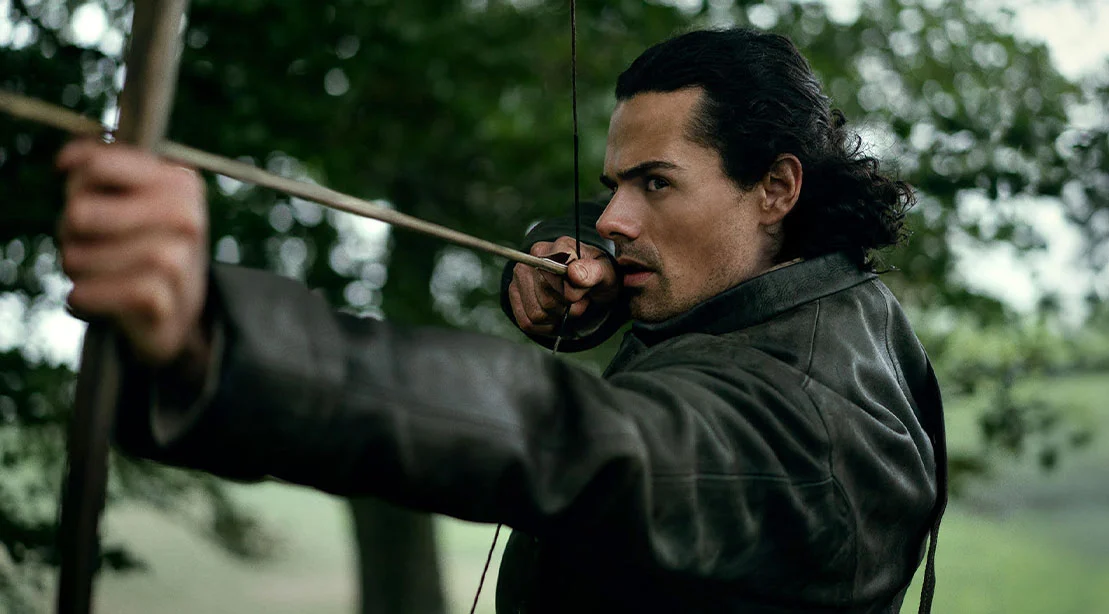
The sweeping, time-traversing saga of Outlander has captivated audiences for over a decade, weaving a tapestry of Jacobite history, impossible romance, and rugged Scottish landscapes. As the franchise expands with its prequel, Blood of My Blood, a new face has emerged to claim the mantle of the Fraser legacy. Scottish actor Jamie Roy, standing at an imposing 6’1", has stepped into the boots of Brian Fraser—the father of the iconic Jamie Fraser. For Roy, this role is more than a professional milestone; it is a physical and artistic transformation that has required him to synchronize his body with the evolving arc of his character.
As the second season of the prequel approaches, the conversation surrounding Roy has shifted from his uncanny resemblance to his on-screen son, Sam Heughan, to the disciplined, high-performance training regimen he has undertaken to inhabit the role of a maturing, battle-hardened Highlander.
From Audition Room to Highland Legend: A Chronology of Success
The road to Blood of My Blood was not a direct path for the Greenock-born actor. Years prior, Roy had auditioned for a minor role in the original Outlander series, which ran for eight seasons and 101 episodes between 2014 and 2026. Despite the initial setback, his profile remained on the radar of casting directors. When production began for the prequel—which explores the origins of the Fraser and MacKenzie families—the resemblance between Roy and Sam Heughan became impossible to ignore.
"It just turned out that all the stars had aligned for me," Roy reflects. Cast just five days before his 30th birthday, the actor found himself at a crossroads. He was no longer just an up-and-coming talent; he was the patriarch of one of television’s most beloved bloodlines. Recognizing the weight of the role, Roy made a conscious decision: he would not merely act the part of Brian Fraser; he would embody the physical evolution of a man growing into his power.
The Physicality of Character: Season One vs. Season Two
In the first season of Blood of My Blood, the narrative demanded a younger, leaner iteration of Brian. Roy leaned into a strict caloric deficit to achieve a chiseled, raw aesthetic, essential for the harrowing scenes of imprisonment and the intimate moments with his love interest, Ellen MacKenzie, played by Harriet Slater.
However, as the series progresses into its second season, the character of Brian is maturing. "I wanted the look for the first season to be quite lean because he’s a young boy, essentially, in his 20s," Roy explains. "But as the seasons go on, I want to fill Brian out a little bit more, because we know what he looks like as a man, and he’s larger."
This transition from the wiry, youthful fighter to a more substantial, imposing figure reflects the character’s internal development. As Brian faces the trials of 18th-century Scotland, his physical presence must mirror his rising authority and the physical toll of constant warfare.
Overcoming Adversity: The Road to Gains
The journey to building a more robust physique was fraught with physiological challenges. During the early stages of his preparation, Roy suffered a broken wrist followed by a thumb injury—a double blow that could have derailed a lesser athlete.
Rather than succumbing to inactivity, Roy pivoted his training strategy. He utilized the leg press as a primary tool to maintain lower-body intensity while his upper body was compromised. This period of adaptation reinforced the necessity of discipline; he learned that true athleticism is defined by how one manages setbacks. Once fully recovered, Roy engaged the services of coach Giulio Palau of Ultimate Performance, embarking on a structured, science-backed approach to hypertrophy.
Decoding the High-Volume Hypertrophy Routine
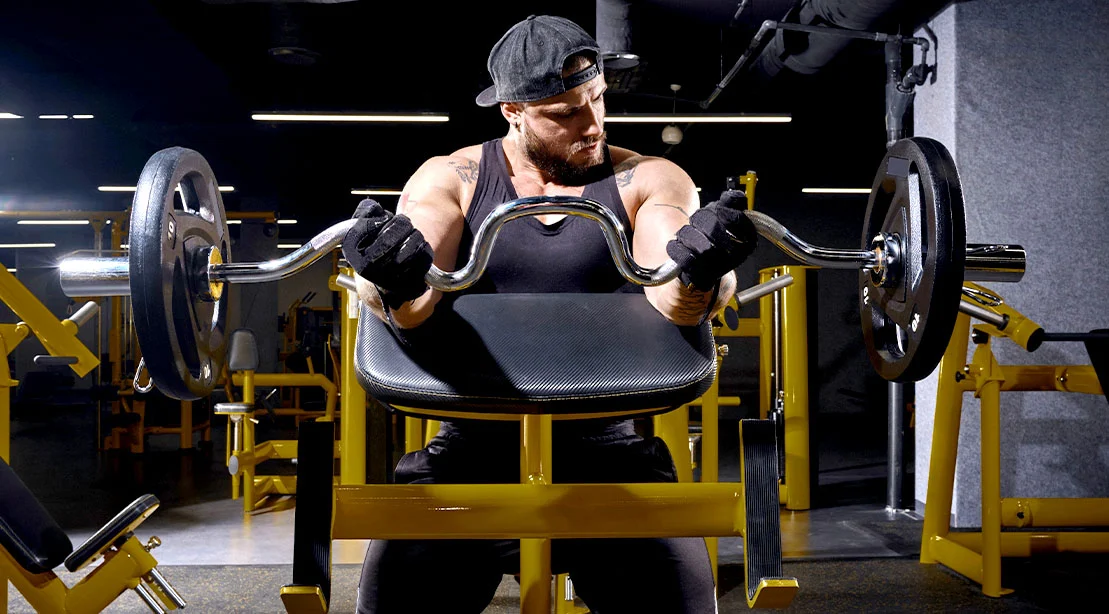
To achieve the "rugged" look required for Season 2, Roy adopted a high-volume, low-rep training philosophy. His schedule, dictated by the rigors of a film set, typically involves three to four sessions per week, balanced between upper and lower body movements.
The Methodology of Power
Roy’s training is built upon a foundation of heavy, compound exercises paired as supersets. This approach maximizes time efficiency while inducing significant metabolic stress on the muscle fibers.
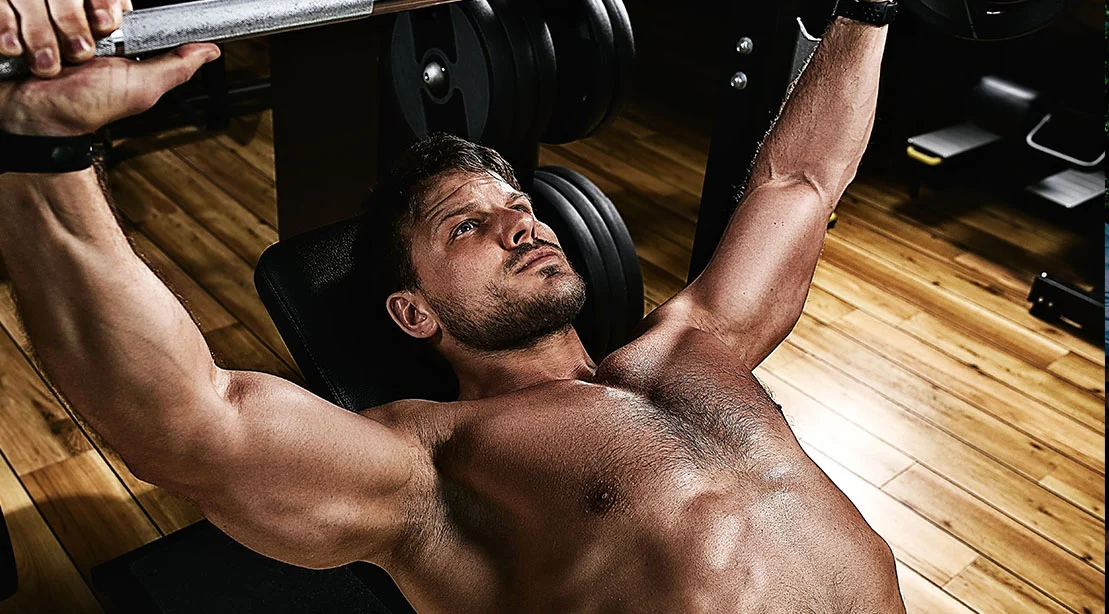
- Weighted Pull-ups & Dumbbell Incline Press: Six sets of 3 to 6 reps. This pairing targets the back and chest simultaneously, prioritizing strength-to-mass ratios.
- Single-Arm Dumbbell Row & Barbell Bench Press: Five to six sets of 6 to 8 reps. By focusing on low rep ranges, Roy ensures that he is lifting near-maximal loads, essential for the density he seeks for the screen.
When the training block requires higher volume—specifically in the 8 to 12 rep range—intensity is maintained by strict adherence to "RIR" (Reps in Reserve). By keeping only a small number of reps in reserve, Roy ensures that he is pushing his muscles to the point of near-failure, the primary driver for hypertrophy.
Nutritional Strategy: The 80/20 Balance
While his training is meticulous, Roy’s nutrition is governed by the 80/20 rule. As a "food lover," he maintains a flexible approach to his diet. During the transformation phase, he carefully tapered his caloric intake—shifting from a 3,000-calorie surplus for muscle growth to a more controlled level in the 2,000s as filming approached. This allows him to maintain a low body fat percentage while supporting the energy demands of long, grueling days on set.
Functional Advantage: Combat Readiness
The transformation is not merely for aesthetics; it serves a functional purpose. Season two features significantly more combat sequences, requiring Roy to engage in close-quarters sword fighting and historical weaponry drills.
"Coach Palau really emphasized the importance of really good technique, so full range of motion, and holding the stretch," Roy notes. This focus on mobility and range of motion has provided him with a significant edge during fight choreography. By building a frame that is both muscular and functional, Roy is able to handle the weight of period-accurate weaponry while maintaining the stamina required for repeated takes under the Scottish sun.
The Cultural Impact of ‘Blood of My Blood’
For an actor born in Greenock, the success of the Outlander franchise is a point of immense pride. The show’s ability to weave the harsh realities of 18th-century Jacobite history with the sweeping romance of the Fraser clan has created a global cultural phenomenon.
"I think it’s because there’s something for everybody in there," Roy says. "Between Outlander and Blood of My Blood, there’s love, romance, war, sex, passion, betrayal."
As the industry looks toward the future of the franchise, the stakes remain high. With the original series spanning eight successful seasons, the pressure on the prequel to establish its own identity is palpable. Roy is eager to continue the legacy, noting that while the team is currently focused on the release of Season 2, there is a collective hope for a third season to further flesh out the complex, shifting landscape of the Fraser lineage.
Conclusion: A Testament to Discipline
Jamie Roy’s evolution from an aspiring actor to a leading man in one of television’s most prestigious franchises is a testament to the power of deliberate, long-term preparation. By viewing his body as an instrument of storytelling, Roy has managed to bridge the gap between historical drama and modern athletic discipline.
As viewers prepare to return to the world of the Highlanders on September 18, 2026, they will see more than just a character on screen. They will see the results of hundreds of hours of heavy lifting, meticulous nutritional planning, and the resilience required to overcome physical injury—all in service of bringing the complex, rugged, and deeply human Brian Fraser to life.
Outlander: Blood of My Blood Season 2 premieres on Starz on Friday, September 18, 2026.