Introduction: A Quest for Winter Reliability
In the unforgiving environment of winter trekking, the reliability of a stove is not merely a matter of convenience; it is a critical safety component. For decades, outdoor enthusiasts have grappled with the limitations of upright canister stoves, which suffer from pressure drops in sub-zero temperatures and the inherent danger of liquid fuel flare-ups.
This article chronicles the iterative design journey of a dedicated engineer and gear innovator who has spent years perfecting the remote inverted canister stove. From early experiments with basic stove stands to the sophisticated, ultralight "V8" Vortex model, this is the story of how data-driven engineering, CNC machining, and a relentless pursuit of thermal balance have redefined what is possible for cold-weather cooking.
Chronology of Innovation: From V0 to V8
The Genesis: V0 and the "Stove Stand"
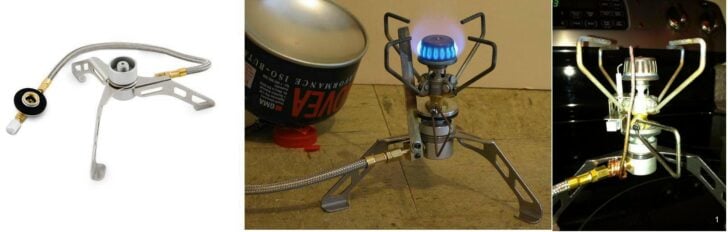
The journey began with a simple, albeit flawed, solution: the Brunton Stove Stand. Its purpose was to move the canister off the burner to improve stability. However, it failed to solve the "flare-up" issue inherent in inverted canisters. The innovator’s first breakthrough—dubbed V0—involved retrofitting a copper strip from the burner flames to the fuel inlet. This acted as a rudimentary heat shunt, vaporizing liquid fuel before it hit the jet. It was a proof of concept that paved the way for more complex designs.
V1: Establishing the Foundation
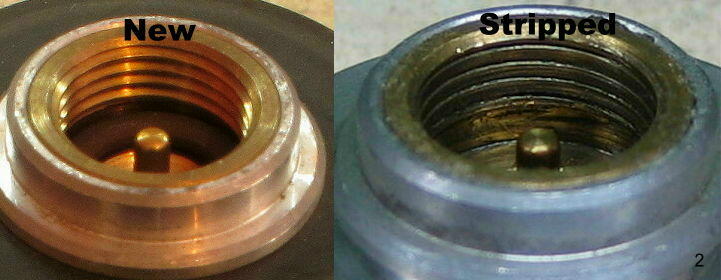
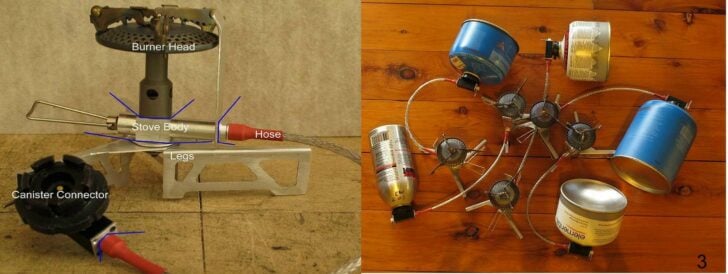
The V1 design was the first true "system." It integrated a proprietary stove body, a flexible hose with rotating connections, and a custom canister connector compatible with various valve types. After enduring the frustration of brass threads being stripped by rough canister connections in the Pyrenees, the designer pivoted to creating a more robust connector. This era saw the production of 115 units, marking the transition from manual machining to CNC-based manufacturing—a steep learning curve that ultimately allowed for greater precision and component interchangeability.
V2 & V3: The Vortex Era
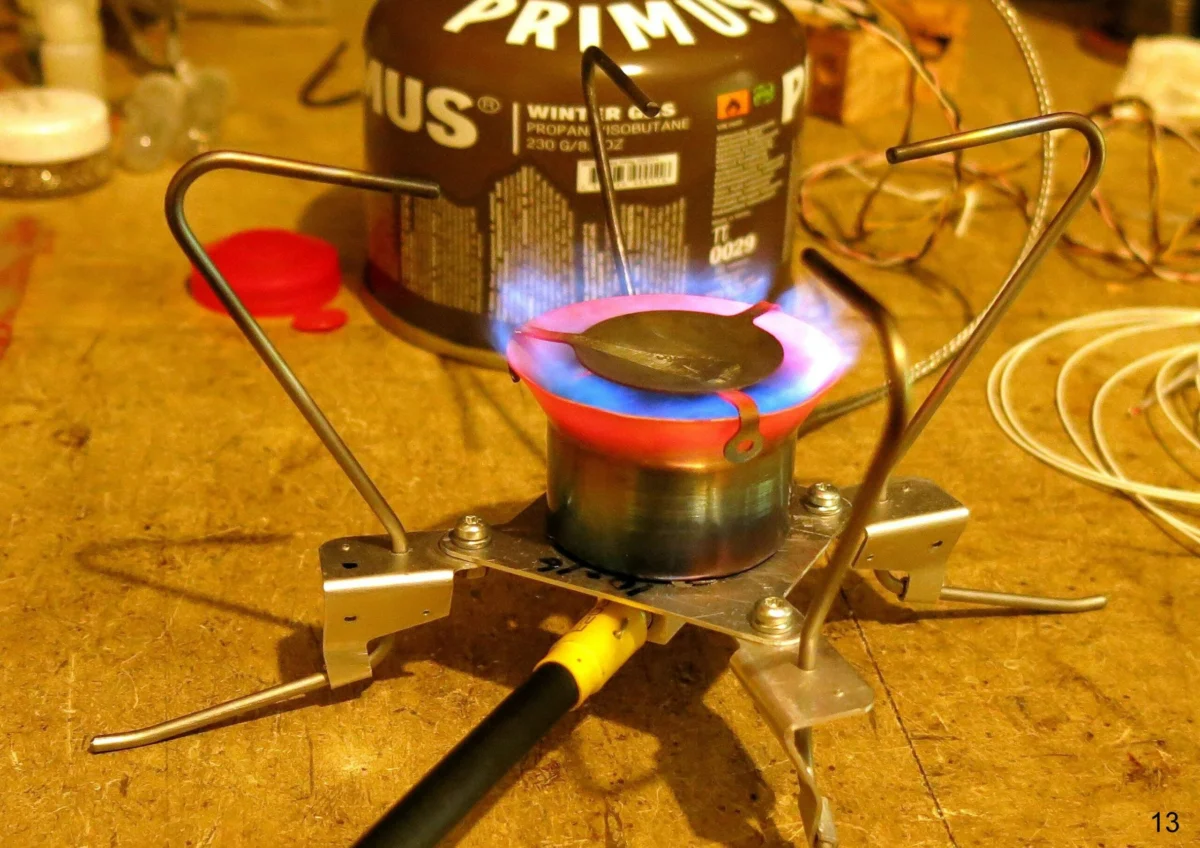
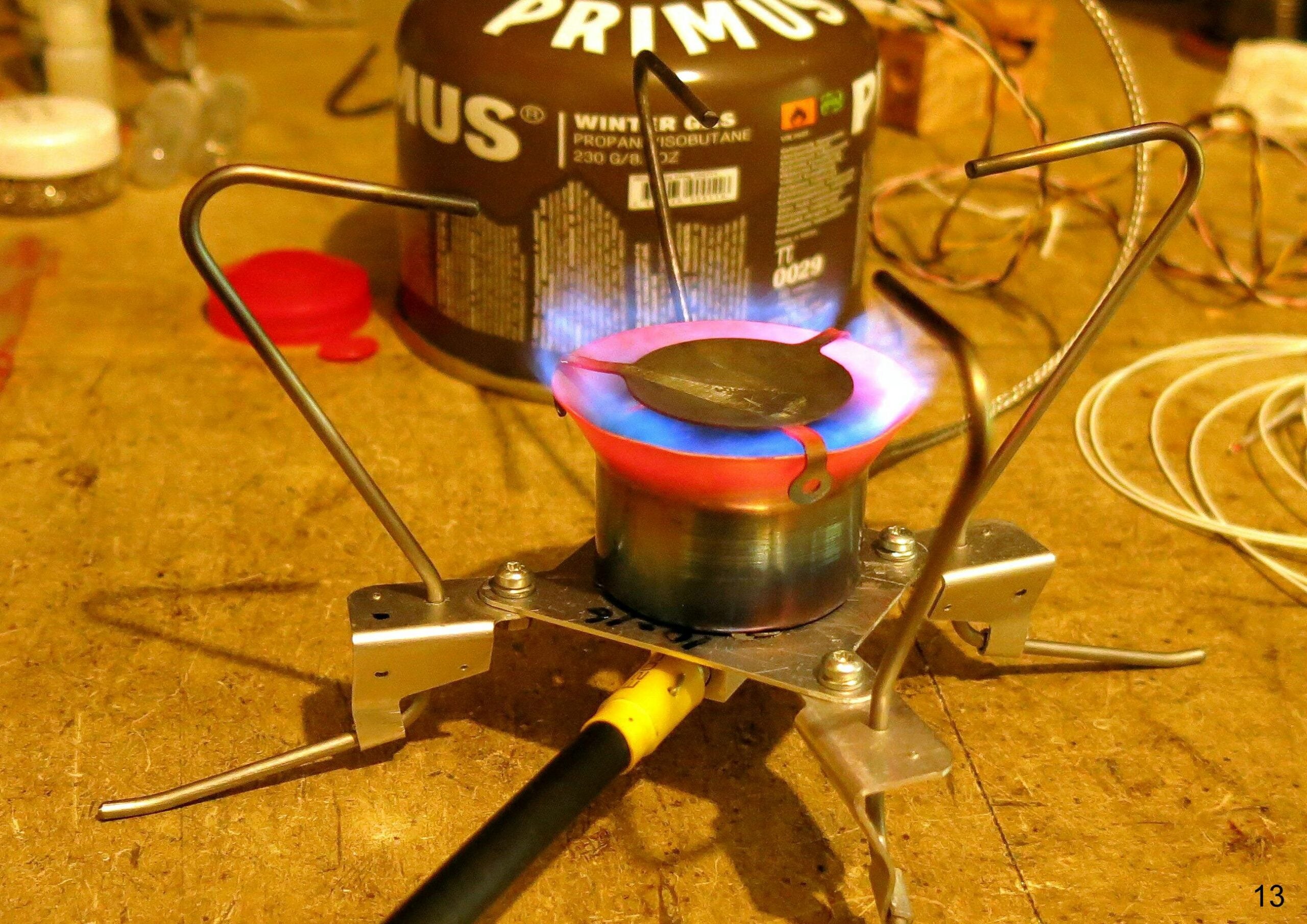
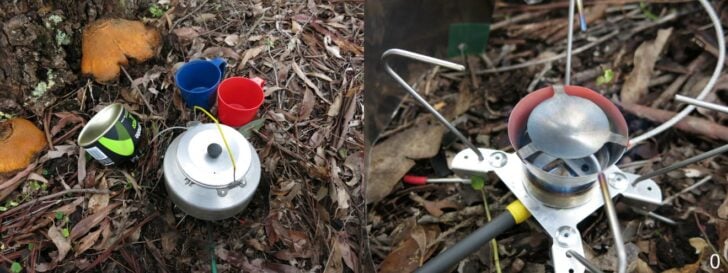
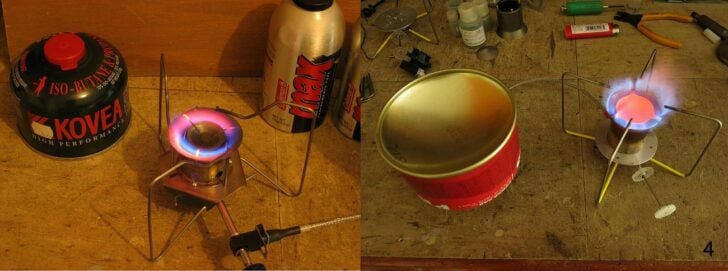
Moving away from stock burner heads, the V2 and V3 models introduced the "Vortex" concept. Drawing inspiration from the legendary MSR XGK, these stoves utilized a closed combustion chamber. The design forced flames to radiate heat directly onto the base plate, ensuring consistent fuel vaporization. While effective, these early models were heavy and relied on "spot-welded" titanium wire for pot supports, which proved structurally unreliable under load.
V4: Balancing Act and Thermal Dynamics
The V4 marked a shift toward internal baffles and refined thermal management. The focus here was the "Heat Shunt"—a device intended to transfer heat from the flames to the stove body without compromising the integrity of Viton O-rings or PFA tubing. This stage required rigorous data logging using a LabJack system to ensure the stove body remained within an optimal temperature window (ideally 120°C) to prevent both liquid flare-ups and hardware failure.
V5, V6, and the SUL Pursuit
The V5 served as a lesson in the limits of home manufacturing; the designer sought to simplify the burner head but struggled with the lack of hot-forging capabilities for titanium. V6 returned to the Vortex concept, refining airflow to ensure complete combustion and minimize carbon monoxide production.
The subsequent V7 was an exercise in "Super Ultralight" (SUL) engineering. By utilizing the BRS-3000T burner and custom stainless-braided PFA tubing, the weight was slashed to a remarkable 45 grams. However, the loss of a proper heat exchanger proved that weight savings must never come at the cost of functional thermal equilibrium.
The Current Benchmark: The V8 Vortex
The V8 represents the culmination of these efforts. It addresses the "SUL" challenge by integrating a miniaturized Vortex burner chamber with a refined, aesthetic leg design. It stands as a testament to the idea that a high-performance winter stove can be both featherlight and technically robust.
Supporting Data: The Science of Thermal Management
The efficacy of these stoves is rooted in the "Thermal Balance" principle. The engineering challenge is essentially a tug-of-war between the energy required to vaporize liquid fuel and the physical limitations of the stove’s materials.
- Temperature Thresholds: Most synthetic seals (Viton) and tubing (PFA) begin to degrade near 250°C. The goal is to keep the fuel inlet area at a consistent 120°C.
- Ambient Temperature Conversion: Data collected in a 20°C laboratory setting must be extrapolated for field use. The designer employs a "minus 40°C" rule of thumb to simulate performance in harsh, -20°C winter conditions.
- The Vortex Efficiency: Unlike open-flame burners, the Vortex chamber allows for a precisely controlled air-fuel mixture. Excess air—while helpful in reducing CO levels—acts as a heat sink, lowering the efficiency of the burner. The V8 optimizes this balance, ensuring that every gram of fuel contributes to the melting of snow rather than the heating of surrounding air.
Official Responses and Industry Context
While the mainstream outdoor industry has largely settled for "robust" and "heavy" commercial solutions, this independent project serves as a crucial critique of current market offerings. Commercial manufacturers often prioritize longevity and safety for novice users, opting for stiff, abrasion-resistant fuel hoses and heavy brass components.
The designer’s approach challenges this, proving that through superior material selection—such as 5005 aluminum alloy for its thermal conductivity and custom-braided PFA tubing—one can achieve better performance at a fraction of the weight. The industry’s reluctance to adopt such specialized designs stems from the difficulty of mass-producing components that require such high-precision tuning, yet the existence of these 115+ units proves that a market for "performance-first" gear exists.
Implications for Future Expedition Gear
The development of the V8 Vortex stove has profound implications for the future of mountaineering and backcountry travel.
- Material Evolution: The use of CNC-machined components and specialized alloys demonstrates that home-based innovation can outpace large-scale manufacturing in terms of weight-to-performance ratios.
- Modular Reliability: By moving away from proprietary, non-serviceable parts, the V8 design promotes a "repairable" philosophy. The ability to swap out burner heads or custom-braid hoses in the field is a significant safety advantage for long-duration expeditions.
- Energy Efficiency: As climate change impacts the accessibility of high-altitude routes, the need for gear that consumes less fuel—thereby reducing pack weight and carbon footprint—becomes paramount. The V8’s ability to maintain a steady burn in extreme cold means fewer fuel canisters are required, directly benefiting the expedition’s logistical feasibility.
Ultimately, the V8 is not just a stove; it is a blueprint for the next generation of winter gear. It serves as a reminder that the most significant breakthroughs in outdoor equipment often occur not in corporate boardrooms, but in the workshops of those who truly understand the demands of the wild. By bridging the gap between thermodynamics and practical, lightweight design, this iterative process has set a new standard for cold-weather performance.