In the arid tapestry of the American Southwest, water is not merely a resource; it is the currency of life. For millennia, the Gila River has served as the lifeblood of the region, carving canyons through volcanic rock and nurturing the civilizations that rose and fell along its banks. Yet, as the Colorado River basin faces an unprecedented crisis of scarcity, one stretch of the Gila remains a shimmering, defiant outlier: the headwaters in southwest New Mexico. This remains the largest free-flowing river system in the Southwest, a sanctuary of ancient sycamores, endangered Gila trout, and a sense of stillness that seems to defy the frenetic pace of the modern era.
The Sanctuary of the Headwaters
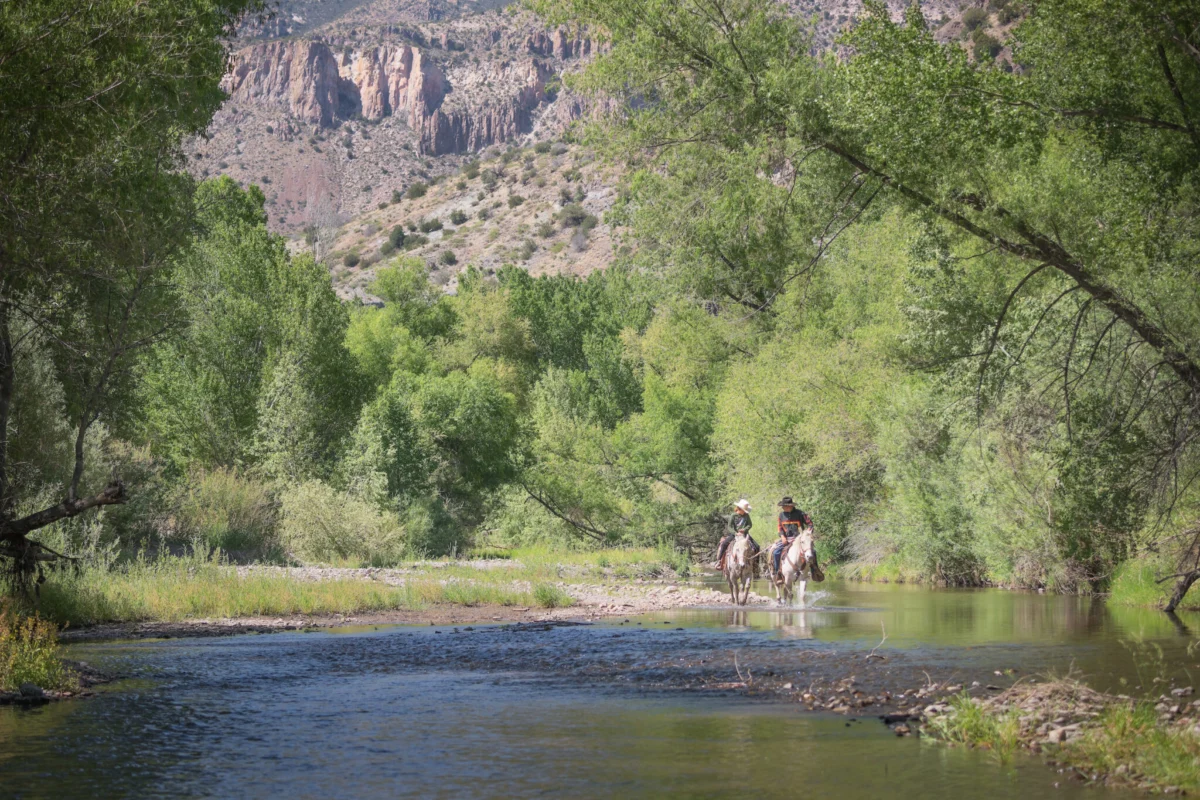
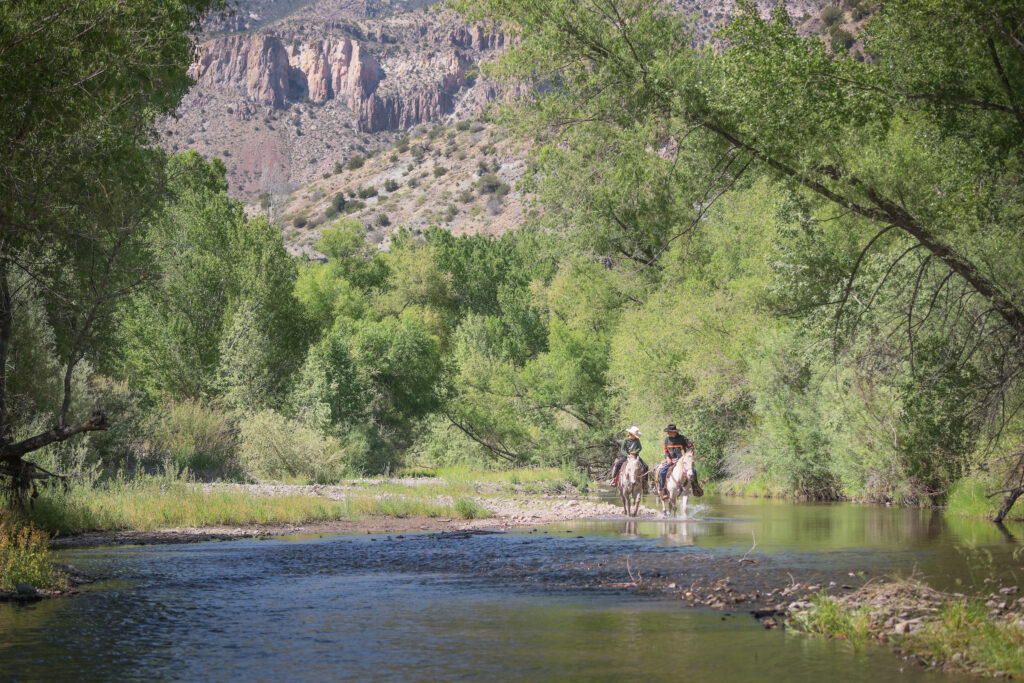
To paddle the headwaters of the Gila is to step into a landscape that feels unchanged since the dawn of the American West. In 2020, during the height of the COVID-19 pandemic, the river offered a rare, visceral respite from the anxieties of a world in lockdown. Launching from Gila Hot Springs, the journey through the wilderness section reveals an intimate ecosystem. Overhanging groves of old-growth sycamores cast long, cooling shadows over the water, while frequent gravel bars provide a nomadic campsite for those traversing the canyon.
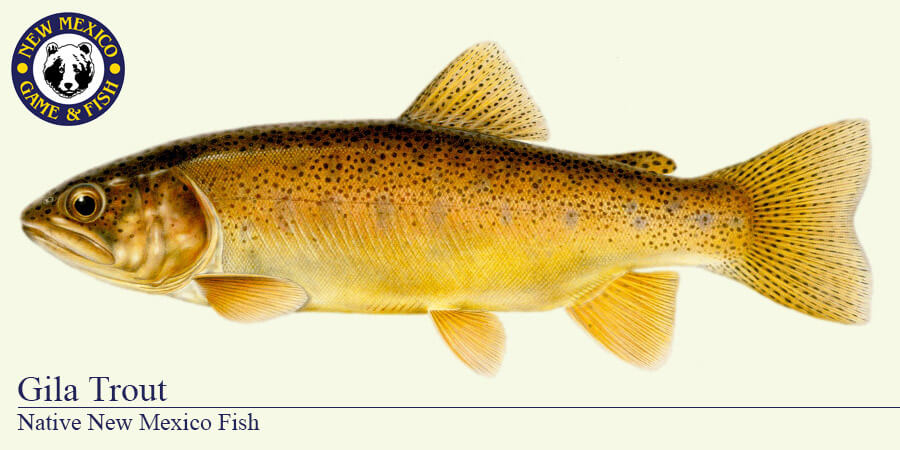
The Gila is more than just a river; it is a vital biological corridor. The headwaters are a stronghold for a remarkable array of species, including the reclusive Gila monster, the soaring peregrine falcon, and the lyrical song of the canyon wren. Beneath the surface, the Gila trout—once pushed to the brink of extinction—finds refuge in the cold, clean water that drains from the volcanic slopes of the Black Range. This is a landscape that smells and sounds alive, a stark contrast to the desiccated, diverted reaches of the river further downstream in Arizona.
A Legacy of Civilization and Struggle
The 650-mile-long Gila River acts as the backbone of a massive 60,000-square-mile watershed. Its history is deeply intertwined with human ingenuity. Indigenous peoples, including the Hohokam and Mogollon, built sophisticated agricultural civilizations around its bounty centuries ago. Today, that legacy continues; the river supports diverse communities, from the small mountain towns of New Mexico to the massive urban metropolis of Phoenix and the sprawling, nutrient-rich agricultural fields of Yuma County.

However, this reliance comes at a steep ecological price. As the river flows westward, it is subjected to intensive extraction, irrigation demands, and urban consumption. In many sections, the lower Gila has been drained to the point of disappearing, leaving behind dry, cracked riverbeds that stand as a testament to the unsustainable demands of a growing population. The fight to protect the headwaters is, in essence, a fight to preserve the "natural water tower" that keeps the rest of the system functioning.
Chronology of a Conservation Movement
The movement to protect the Gila River is a decades-long effort that recently coalesced into a formal legislative pursuit.
- 1968: The passage of the Wild and Scenic Rivers Act establishes a federal framework for preserving rivers that possess "outstandingly remarkable" values.
- 2019: The conservation community loses a titan with the passing of Maynard Hubbard "Dutch" Salmon. A writer and tireless advocate for the Gila, Salmon spent his life documenting and defending the river’s integrity.
- 2020: Amidst the global pandemic, a surge of public interest in wild places reaffirms the importance of the Gila as a restorative space.
- The Legislative Push: Following a bipartisan recognition of the Gila’s value, Senator Martin Heinrich and Representative Gabe Vasquez championed the effort to codify the river’s protection.
- Current Status: The M.H. Dutch Salmon Greater Gila Wild and Scenic River Act has been introduced and successfully navigated hearings in three separate Congresses, marking it as one of the most mature and "shovel-ready" conservation bills in the current legislative cycle.
Supporting Data and Stakeholder Consensus
The push to designate 450 miles of the Gila’s headwaters and 144,000 acres of riverside land as "Wild and Scenic" is supported by an unusually broad and diverse coalition. This is not merely an environmentalist initiative; it is a localized movement that spans political and cultural divides.
The coalition supporting the act includes:
- Governmental Entities: The Grant County Board of Supervisors, the City of Bayard, and the Towns of Silver City and Hurley.
- Indigenous Leadership: The Fort Sill Chiricahua Warm Springs Apache Nation and the All Pueblo Council of Governors, acknowledging the river’s historical and spiritual significance.
- Industry and Community: More than 150 local businesses, alongside veteran organizations, faith-based groups, and seven different sportsman’s organizations.
This wide-ranging support illustrates a growing realization that conservation is not a hurdle to economic growth, but a foundational necessity. By keeping the headwaters free-flowing, the bill ensures the protection of groundwater recharge zones that are critical for downstream agriculture and municipal water security.
Official Responses and Political Implications
The legislative strategy behind the M.H. Dutch Salmon Greater Gila Wild and Scenic River Act centers on the concept of interdependence. In the halls of Congress, opponents of such measures often argue that conservation locks away resources, hindering development. However, proponents argue the exact opposite: by protecting the "natural infrastructure" of the Gila, the bill secures the very water supply that the economy depends on.
"We have the wisdom and foresight to do both," supporters emphasize. "We can support our cities and agriculture while protecting the wild landscapes that sustain our collective spirit."
The bill is currently well-positioned for passage, having cleared significant procedural hurdles in previous sessions. Its success would mark one of the most significant conservation victories in recent years, serving as a template for how the United States might handle the growing pressures of the 21st century.
The Broader Implications for the American West
The Gila River is a litmus test for the future of the American West. As heat and aridity accelerate across the region, the competition for every acre-foot of water will only intensify. If the headwaters of the Gila are allowed to be dammed or diverted, the long-term health of the entire watershed will be compromised.
Protecting these rivers is an act of proactive stewardship. It acknowledges that the "natural water towers" of our nation—the high-altitude forests and volcanic meadows—are the most efficient tools we have for climate resilience. By ensuring the Gila remains free-flowing, we are not just saving a stretch of river for hikers and fishermen; we are investing in the long-term viability of the communities that rely on its flow.
A Call to Action
The M.H. Dutch Salmon Greater Gila Wild and Scenic River Act is currently one of over a dozen similar bills awaiting Congressional action. The delay is not due to a lack of merit, but to the slow grind of federal bureaucracy. With Congress’s help, this wait could be over soon, enshrining the Gila’s protected status for generations to come.
For those who have paddled its waters or stood on its banks, the Gila is more than a geographic feature; it is a reminder of what the world looks like when it is allowed to remain wild. As the nation faces an era of unprecedented environmental uncertainty, the preservation of the Gila represents a rare opportunity to get something right. The river is calling; it is time for Congress to listen.