The Åland archipelago is often celebrated for its pristine waters and granite beauty, but beneath the serene surface of the Baltic Sea lies a history as rugged and unforgiving as the islands themselves. A recent expedition through the Föglö municipality has uncovered not just a challenging route for seasoned sea kayakers, but a profound historical narrative—one marked by isolation, survival, and the resilience of a forgotten community.
Main Facts: The Legacy of Gloskär
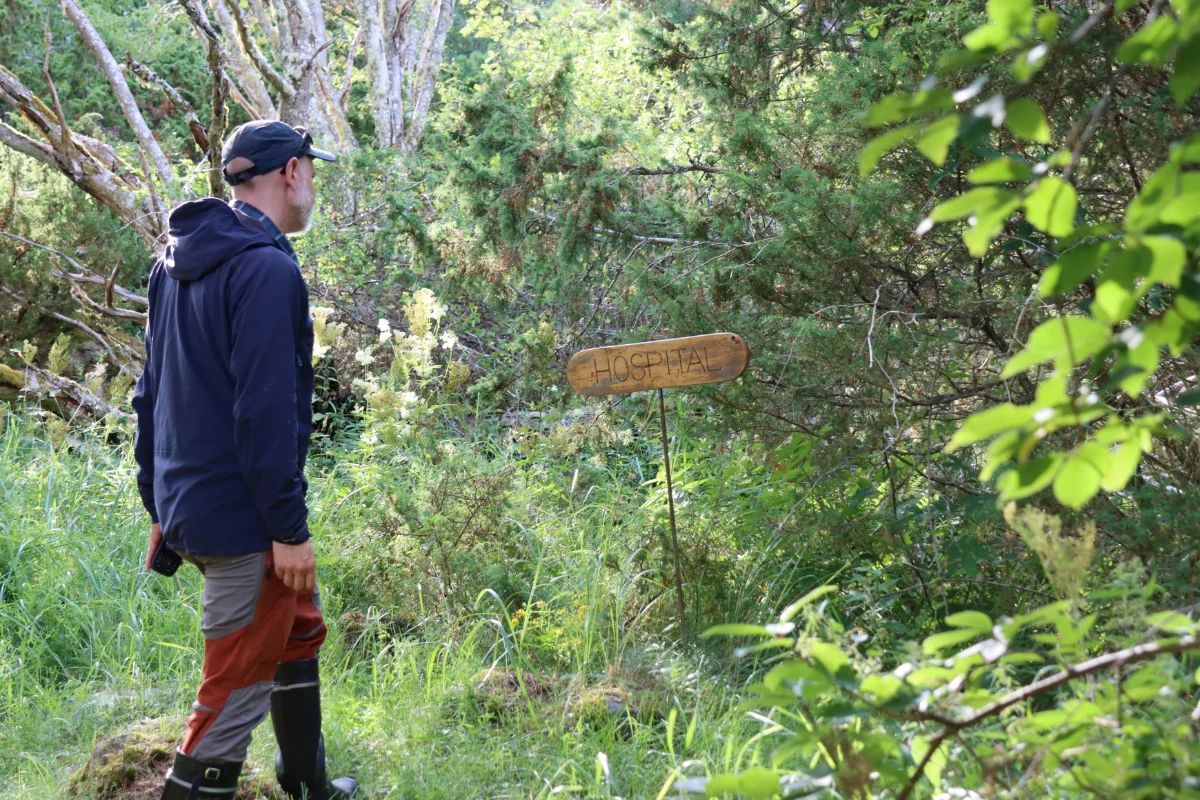
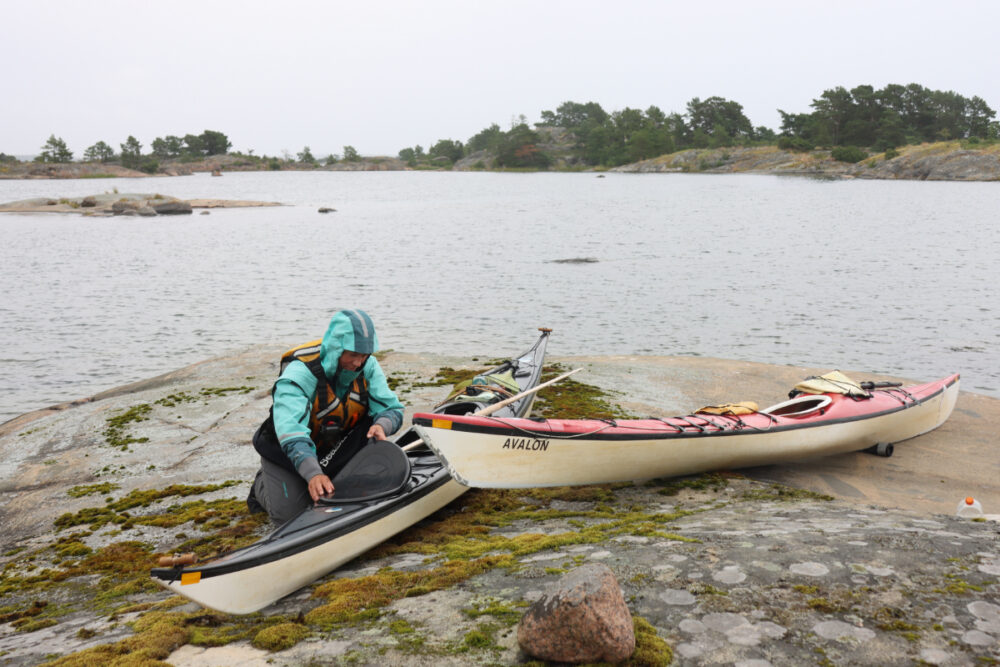
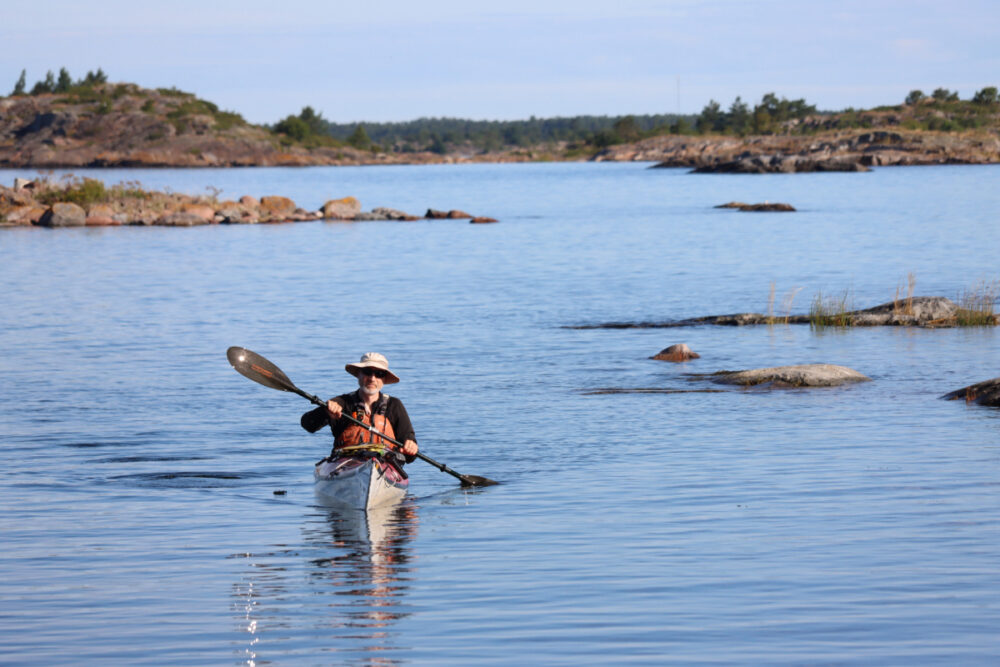
Our journey began at the church in Föglö, where the forecast promised a grueling seven-kilometer paddle against heavy, gusty headwinds. Our destination was the small island of Gloskär, marked on nautical charts with a historical monument symbol and the chilling label: spetälskhospital (leprosy hospital).
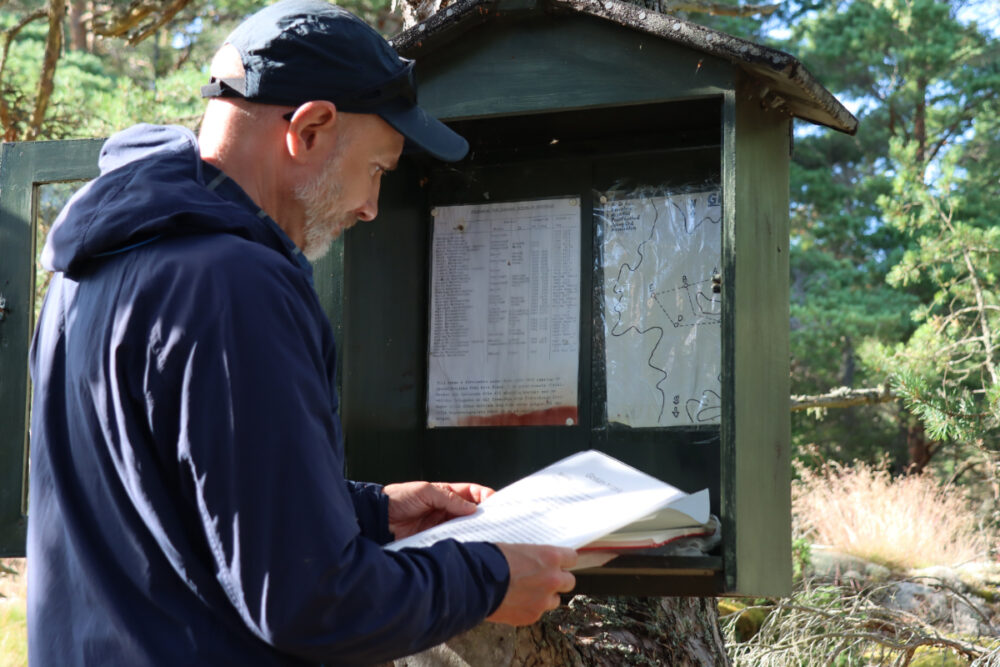
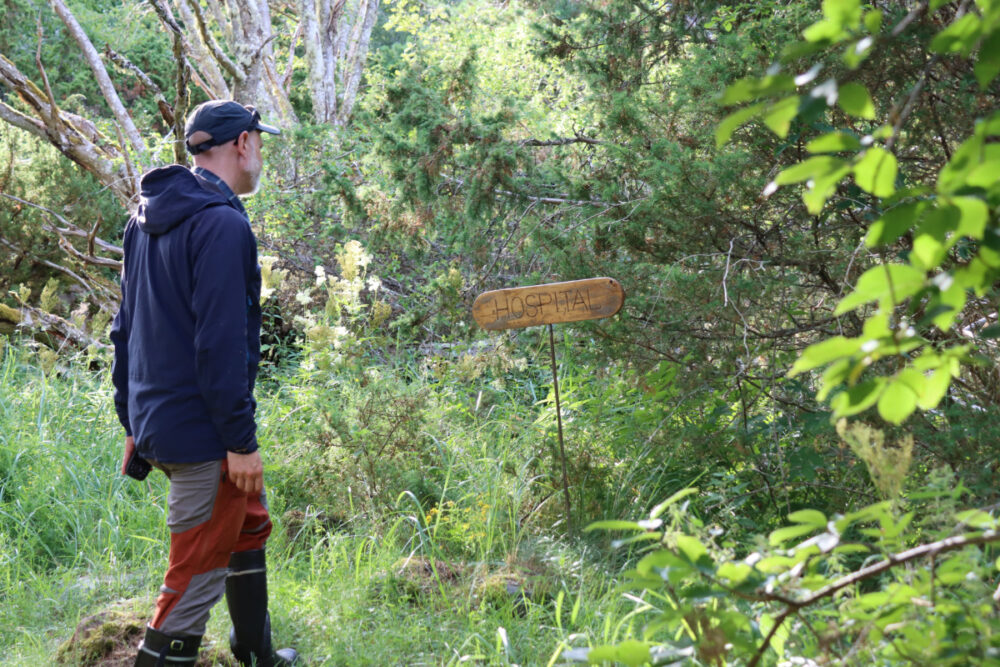
Between 1653 and 1672, this remote outcrop served as a mandatory quarantine site for those afflicted with leprosy—a disease that, in the 17th century, was as much a social death sentence as a medical one. Upon landing on the eastern slick rocks, we found that the island is not merely a ghost site, but an open-air archive. A kilometer-long marked trail guides visitors through the remnants of this period, detailing a life defined by total exile.
A Chronology of Exile and Survival
The history of Gloskär is a testament to human desperation. Historical records retrieved from the site detail the grim process of arrival. Once an individual was diagnosed with leprosy, they were effectively severed from the world.
- The Inevitable Departure: Patients were forced to leave their homes immediately upon diagnosis. There was no hope of return.
- The Final Provisions: They were required to bring their own clothing, bedding, and, most hauntingly, the nails and lumber necessary to construct their own coffins.
- The Cycle of Decay: Many succumbed to the disease within one or two years. Conditions were abysmal; the island lacked sufficient food, warmth, and building materials. The structural integrity of the hospital itself failed rapidly; records indicate that within eight years of construction, the buildings began to rot. To survive the harsh winters, the patients were forced to dismantle their own coffins to patch leaking roofs and reinforce the floors they walked upon.
Today, only the stone foundations of these buildings remain, along with the remnants of the cemetery wall—a silent, stony reminder of the human cost of 17th-century quarantine policies.
Supporting Data: Archipelagic Infrastructure
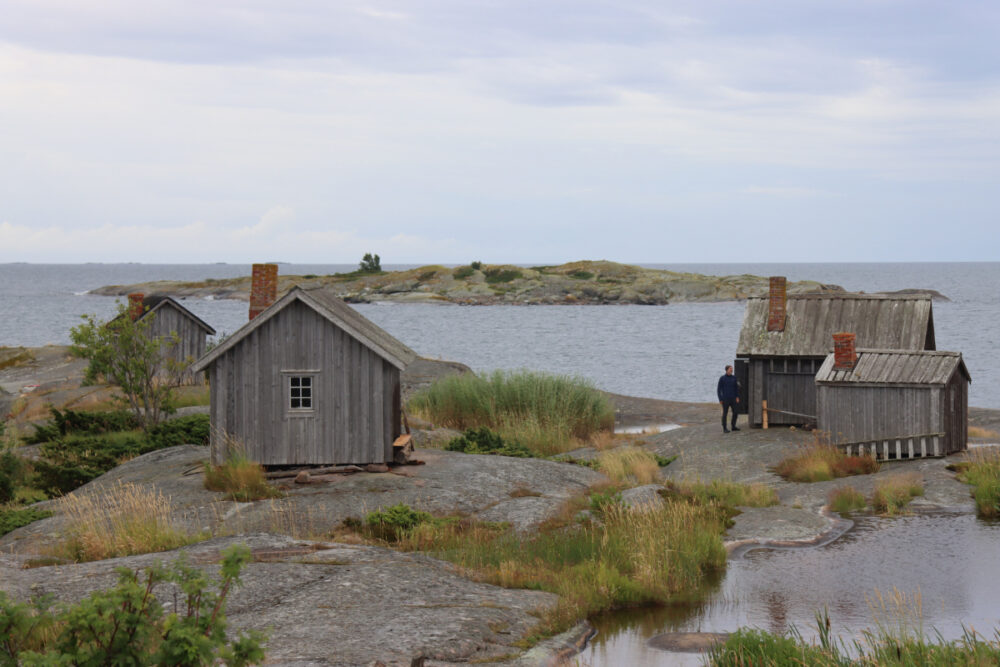
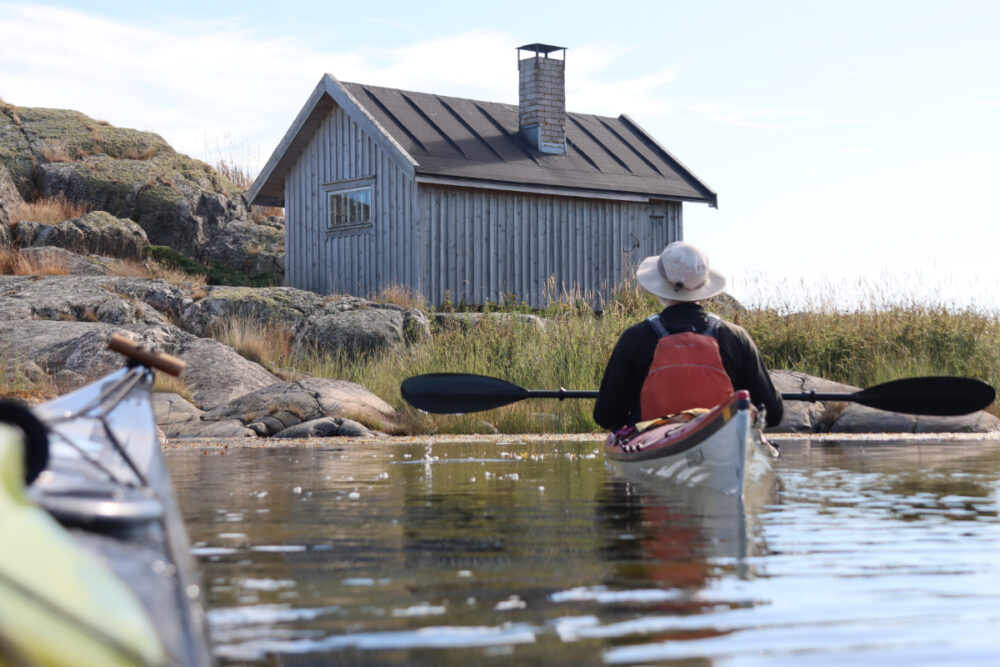
Our expedition continued as the winds subsided, moving toward the fishing huts of Sältingskär. Unlike the tragic history of Gloskär, these structures represent the industrious spirit of the Åland people.
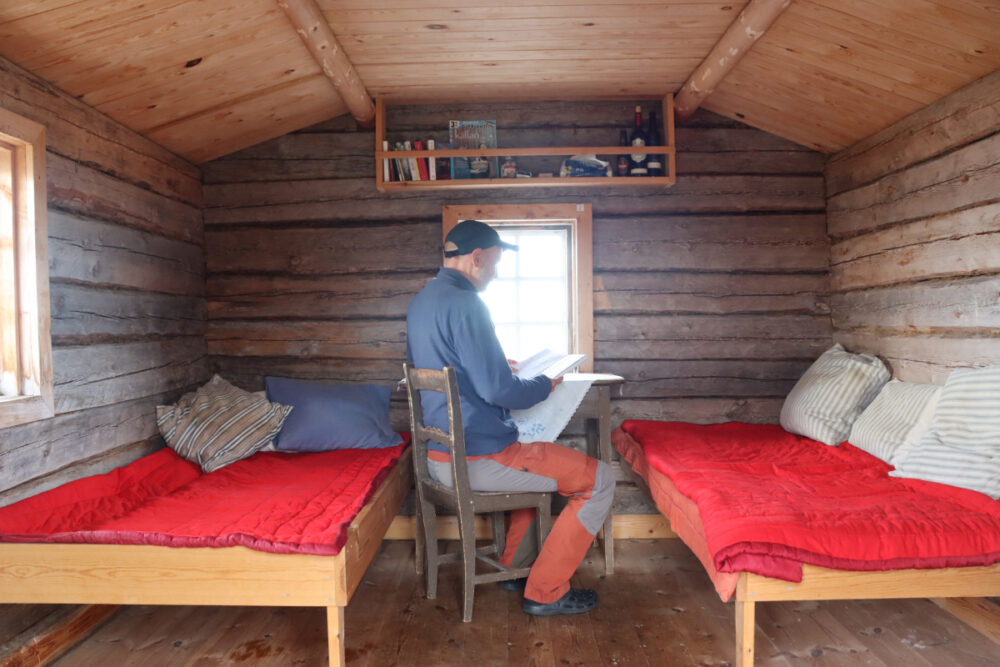
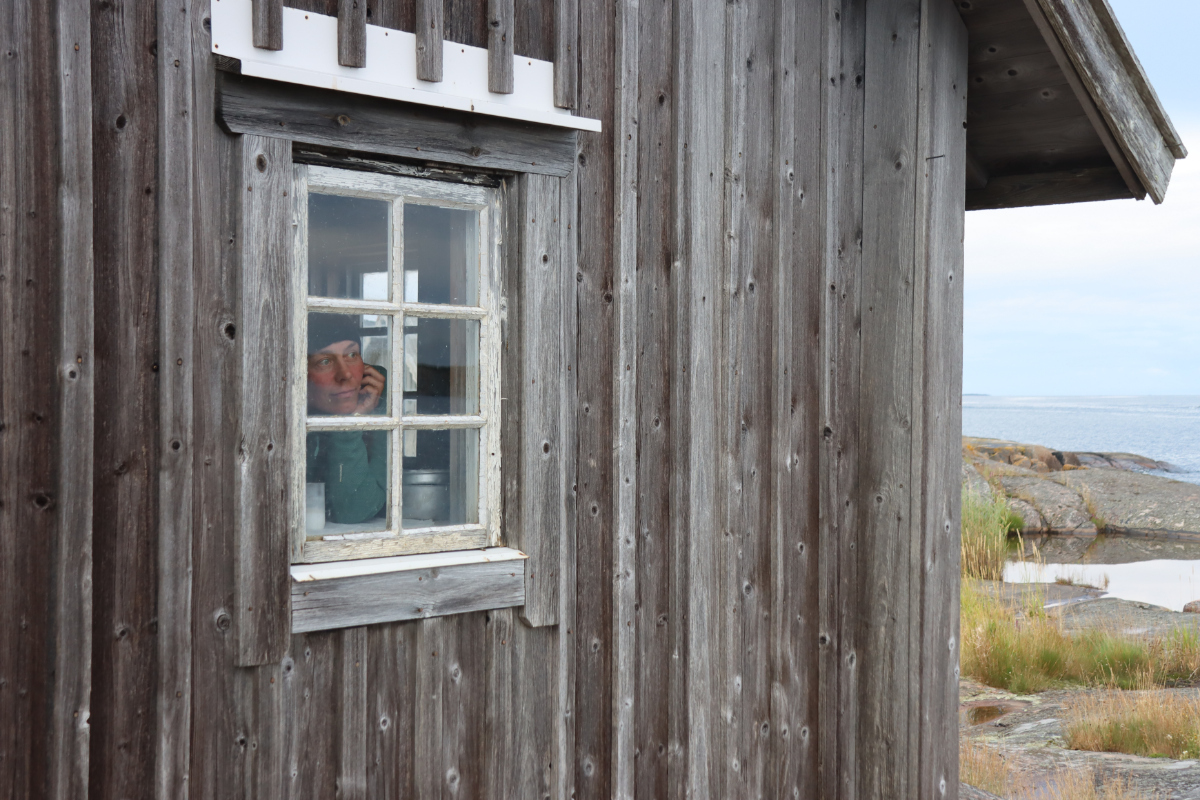
Before the advent of motorized vessels, fishing was a seasonal, labor-intensive pursuit that required temporary, remote outposts. Sältingskär, which remained active well into the early 20th century, stands as a museum of this lifestyle. The restoration efforts, spearheaded by the Föglö Local Heritage Association and the Åland Museum, are extensive.
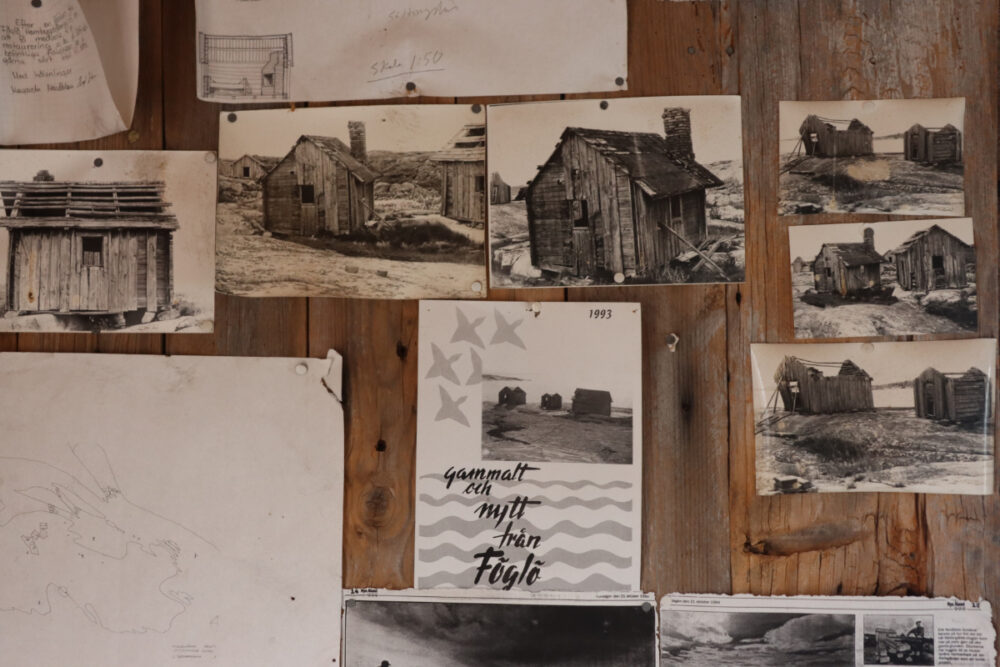
- Restoration Timeline: In the early 1990s, the huts were in advanced states of decay, with roofs missing and walls failing.
- Current Status: Today, four of the five original huts have been restored for public use, offering shelter to kayakers and hikers. Two of these feature functional fireplaces, preserving a traditional atmosphere that transports visitors back to a time when fishermen relied solely on muscle and wind.
Official Perspectives and Ecological Stewardship
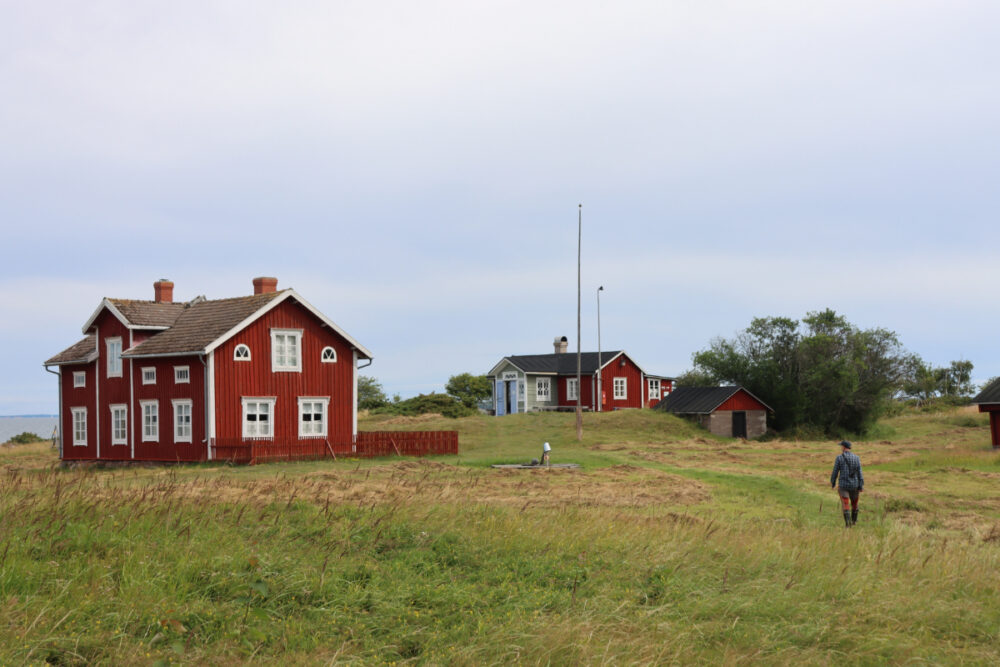
Moving further into the archipelago, we reached Björkö, a location managed as part of a larger nature conservation area. Unlike the seasonal huts of Sältingskär, Björkö was historically a permanent, year-round homestead.
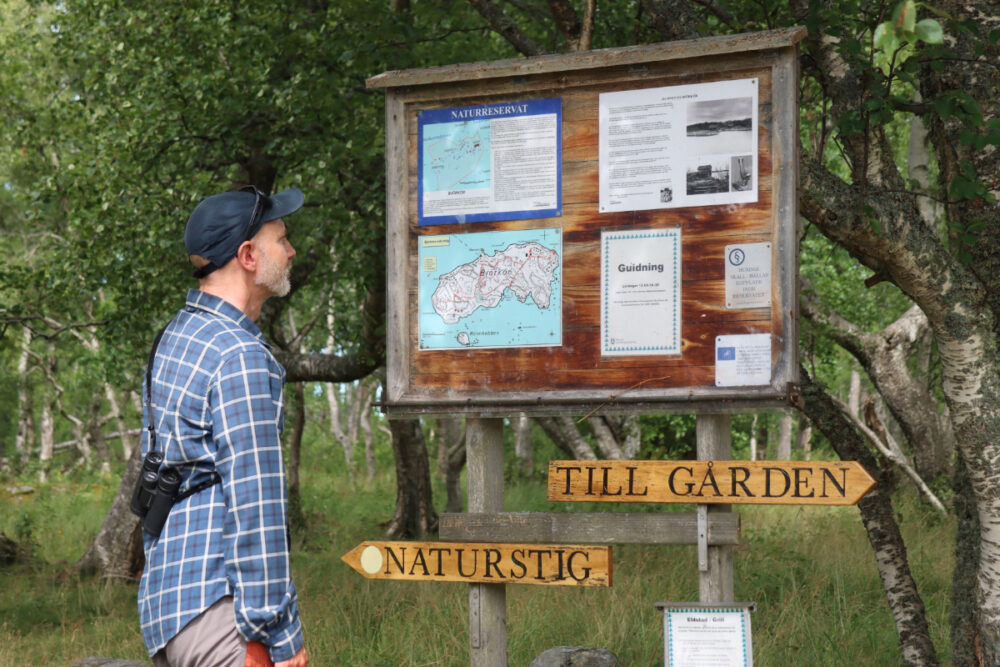
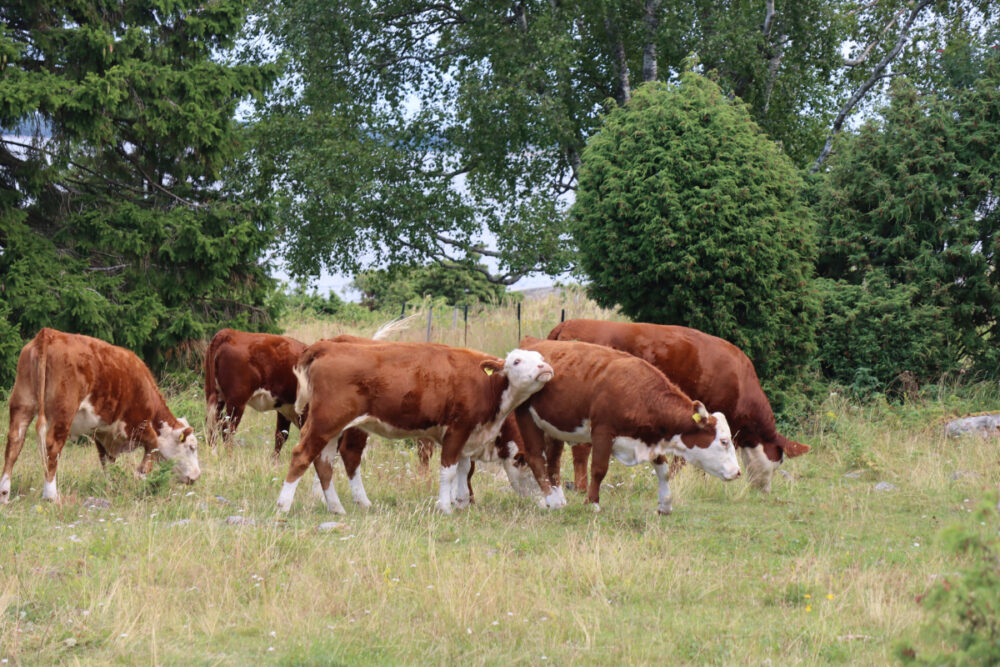
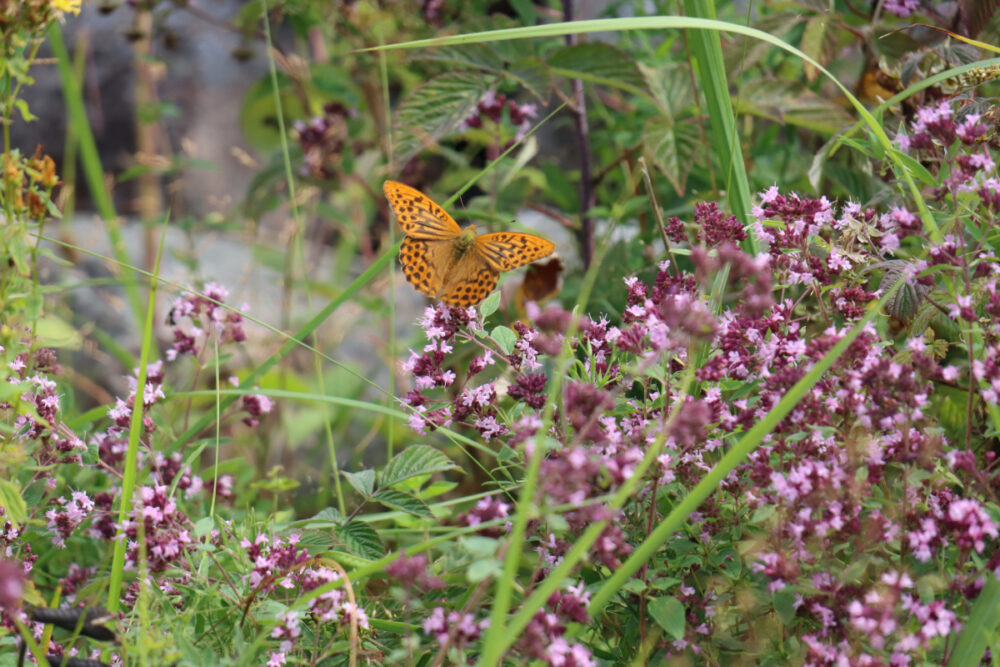
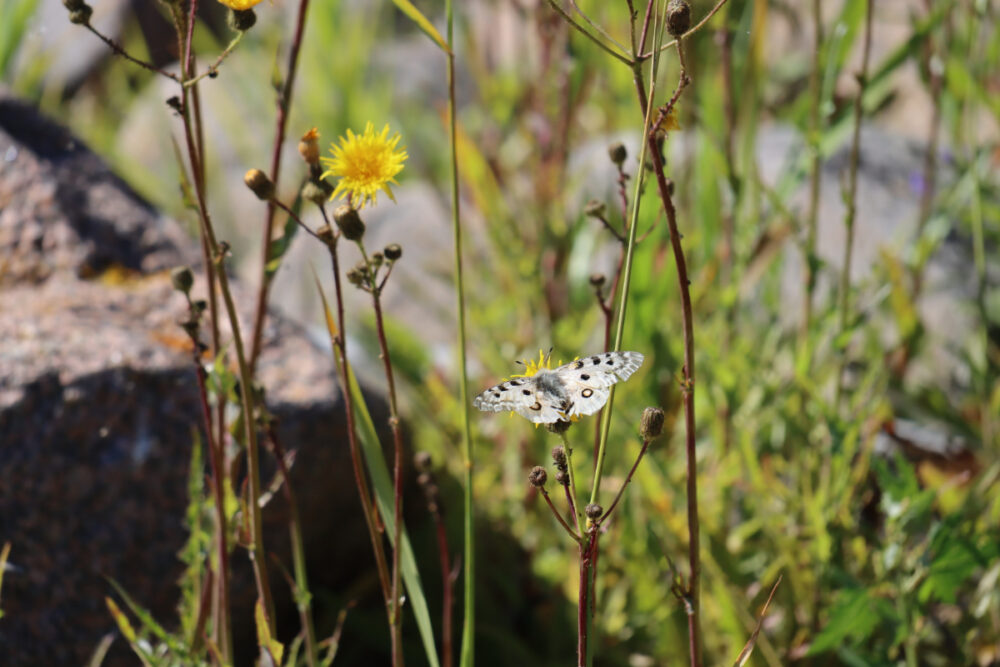
The site, known for its well-preserved 18th-century architecture, is now a focal point for biodiversity conservation. The local authorities have implemented traditional farming practices to protect the island’s heritage. During our visit, we observed the ongoing maintenance of the meadows, kept open by cattle and sheep. This grazing is critical; it creates a "pollinator oasis." We were particularly struck by the presence of the Argynnis paphia (Silver-washed Fritillary), which thrived on the marjoram-rich meadows.
The stewardship of these islands is a complex balance between preserving cultural heritage and protecting fragile ecosystems. The presence of the Parnassius apollo (Apollo butterfly) in the wider Föglö area—one of its most important habitats in Finland—serves as a primary indicator of the health of these conservation efforts.
Implications: The Dangers of the Outer Archipelago
As we navigated the outer reaches of the archipelago, the expedition faced the inherent volatility of the Baltic Sea. Even with modern weather tracking, the rapid onset of a cloud front reminded us why the outer islands remained so isolated for centuries.
When the front hit, the wind shifted instantly, turning a calm paddle into a dangerous trek through steep, breaking waves. This experience underscored the reality of historical life in the archipelago: the sea was both the primary highway and the greatest threat.
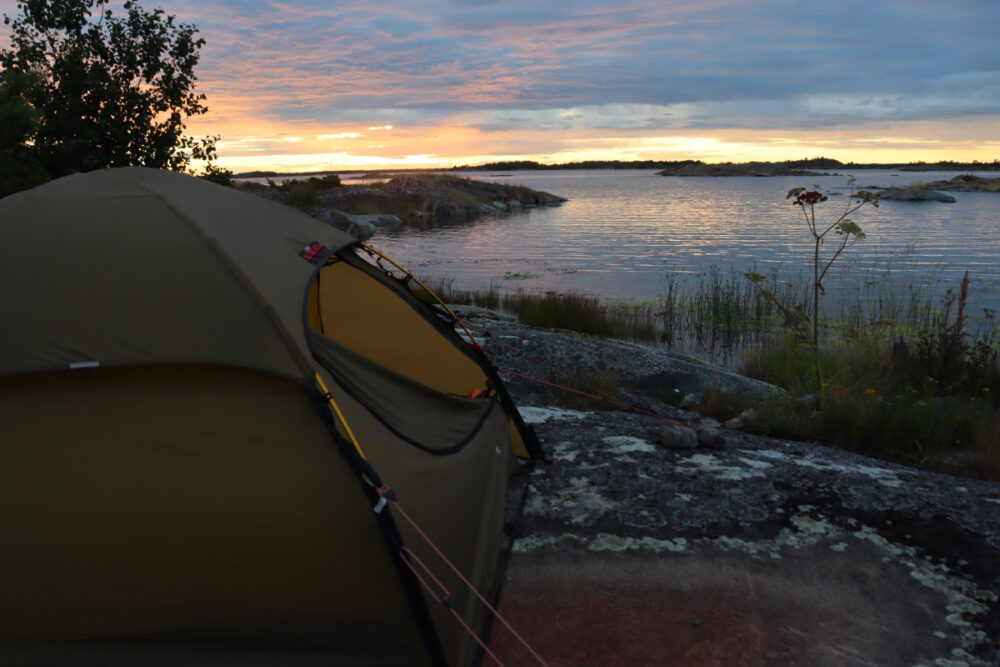
The final leg of our journey brought us to Stora Sandören, one of the few sandy islands in the Föglö region. Looking back at our route—from the site of the leprosy hospital to the thriving meadows of Björkö—it became clear that this archipelago is not just a destination for recreation. It is a living history book where the landscape itself documents the struggle between humanity and the elements.
Conclusion: A Lesson in Resilience
The Föglö archipelago offers more than just scenic views for the adventurous kayaker. It provides a sobering, enlightening glimpse into how previous generations adapted to the harshest of conditions. Whether it is the tragic history of the leprosy hospital on Gloskär or the industrious, community-driven restoration of the Sältingskär fishing huts, these islands demand respect.
For the modern traveler, these sites are a reminder of the importance of preservation. The work done by local organizations ensures that these stories—of survival in the face of disease, the ingenuity of seasonal fishing, and the delicate beauty of the archipelago’s biodiversity—remain accessible for future generations. As we packed our gear at Stora Sandören, the silence of the island felt heavier, enriched by the echoes of those who had once called these rugged shores home.
The Föglö archipelago remains a vital, historical, and ecological treasure that demands not just to be seen, but to be understood. We invite all who visit to tread lightly, respect the conservation efforts, and take the time to read the markers that explain the history beneath their feet.