Date: June 15, 2026
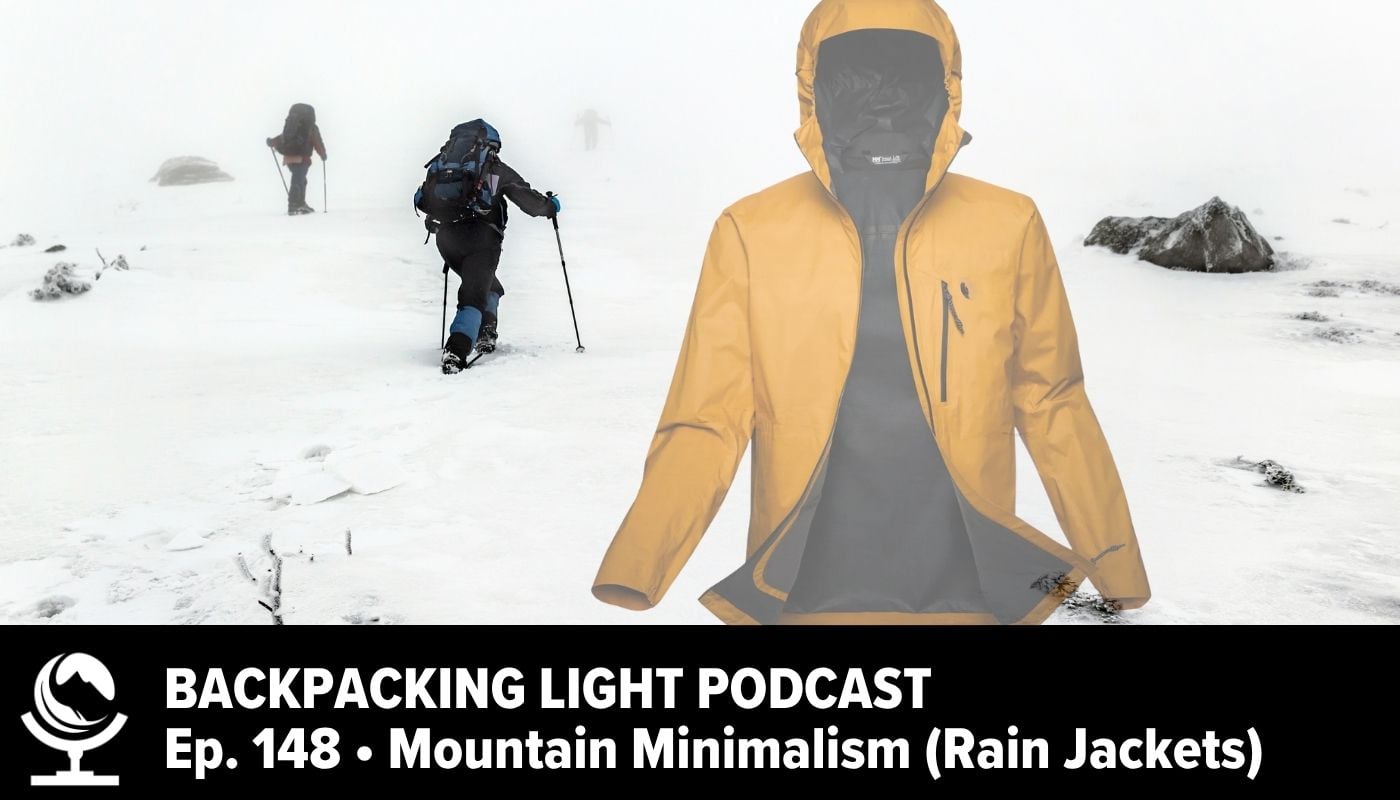
Subject: Backpacking Light Podcast Episode 148: Specialized Shells in High-Exposure Environments
In the evolving landscape of outdoor gear, the mantra of "lighter is better" has reached a fascinating crossroads. As technology pushes the boundaries of fabric engineering, weight-conscious hikers are increasingly turning to ultralight rain shells for mountain adventures. However, a recent analysis by the Backpacking Light team, featured in their latest podcast episode, serves as a sobering reminder: while these shells excel in mild, transient conditions, they may fall dangerously short when the weather turns on exposed mountain terrain.
The Philosophical Shift: Balancing Weight and Security
The core of the "mountain minimalist" philosophy is an exercise in risk management. Modern shell technology has allowed for the creation of jackets that weigh under 300 grams, providing a level of protection that, just a decade ago, would have been unthinkable. But as enthusiasts strip their base weights to the bone, they often inadvertently sacrifice the "thermal margin"—the essential safety buffer that protects a hiker from hypothermia in extreme conditions.
The podcast episode outlines a critical decision framework for selecting rain protection. The transition from a "trail shell" to a "mountain shell" is not merely about weight, but about survival capability. Hikers must evaluate their kit based on six non-negotiable variables: exposure duration, availability of retreat options, terrain difficulty, potential for fabric abrasion, wind velocity, and the necessary thermal margin.
Chronology of Gear Evolution: From Heavy Protection to Minimalist Precision
To understand the current state of the industry, one must look at the recent trajectory of waterproof-breathable membrane technology.
- Early 2020s: The industry saw a surge in "super-light" shells, primarily utilizing 2.5-layer laminates. While these were effective for short-duration rain, they frequently failed under the sustained pressure of heavy packs and continuous high-altitude precipitation.
- 2024-2025: A pivot toward high-performance materials like GORE-TEX PRO ePE and PFAS-free nanoporous membranes began. These materials allowed for thinner, lighter face fabrics (such as 20D nylons) without sacrificing the hydrostatic head required for severe weather.
- Current State (2026): We are seeing the maturation of the "Minimalist Mountain Shell." These products are engineered for alpinists and high-mileage hikers who demand weatherproofing that can handle high wind, abrasion from rock, and long-duration exposure, all while maintaining a weight profile that satisfies the ultralight ethos.
Supporting Data: The Anatomy of Modern Minimalist Shells
The current market leaders in this category exemplify how manufacturers are navigating the trade-off between weight and durability. The Backpacking Light breakdown highlights three distinct approaches to the mountain minimalist challenge:
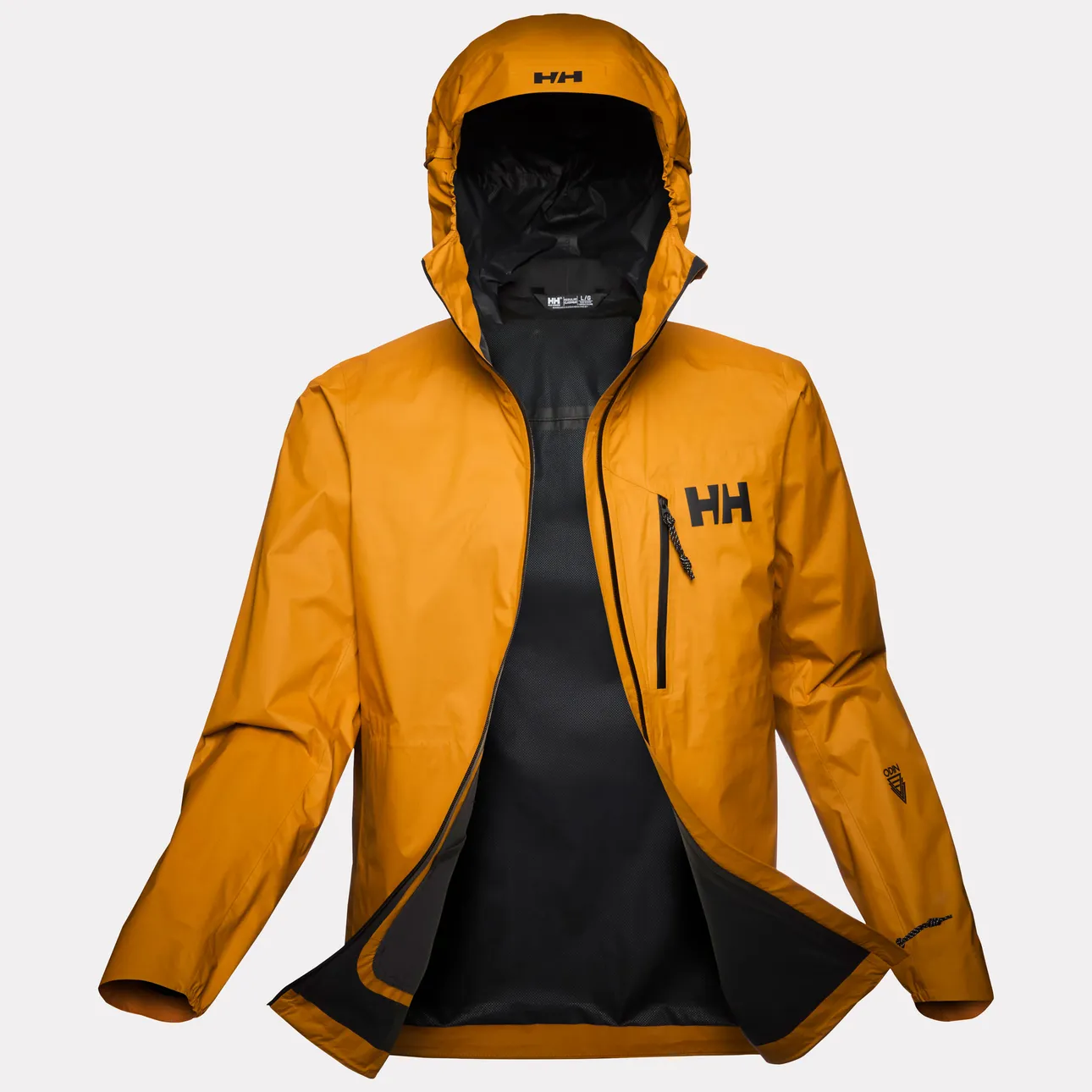
1. Helly Hansen Odin Infinity Minimalist Jacket (250g)
Utilizing the LIFA INFINITY construction, this jacket represents the "all-arounder" approach. By employing 3.5-layer technology, it provides a balance between internal moisture management and external barrier protection. Its inclusion of a RECCO reflector and a helmet-compatible hood signals that it is designed for environments where search-and-rescue accessibility and technical hardware integration are vital.
2. Arc’teryx Alpha SL Jacket (232g)
The Alpha SL is a testament to the power of high-denier engineering. By utilizing a 20D Hadron face fabric and GORE-TEX PRO ePE, Arc’teryx has created an exceptionally lightweight shell that is remarkably abrasion-resistant. For the mountain minimalist, this jacket provides the security of an alpine climbing piece without the "bulk" that previously defined such gear.
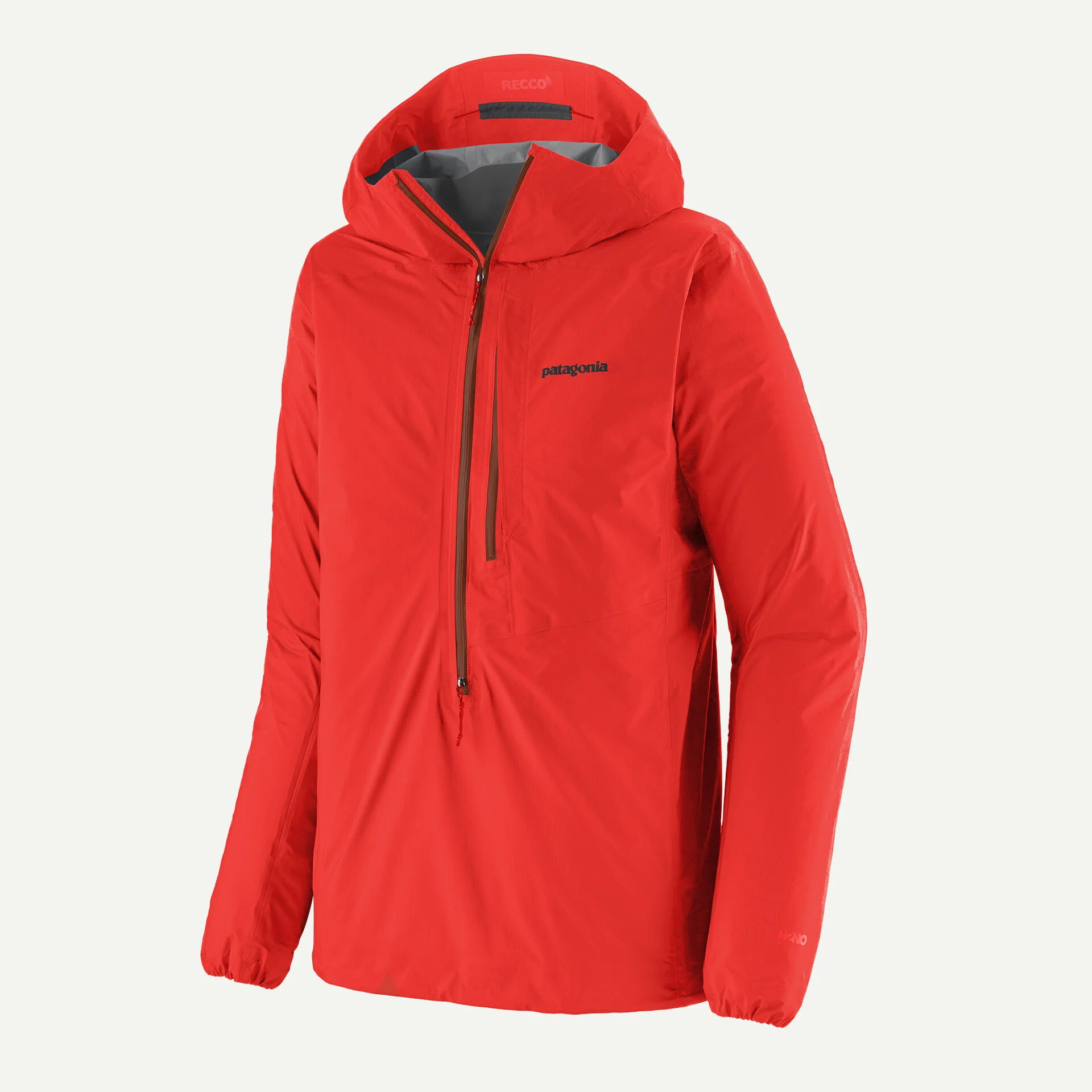
3. Patagonia M10 Anorak (300g)
The M10 Anorak takes a different path, focusing on an integrated Xpore nanoporous membrane. Its 3-layer construction, featuring a jersey backer, ensures that the interior remains comfortable even during high-output activities. The choice of an anorak design—often lighter than full-zip alternatives due to the omission of the heavy center zipper—demonstrates a commitment to weight efficiency while maintaining the robust protection required for high-altitude environments.
The Decision Framework: When to Scale Up
The fundamental takeaway from the Backpacking Light analysis is that the shell is the final line of defense against the environment. The podcast hosts emphasize that the criteria for a "mountain shell" must be stricter than those for a "trail shell."
- Exposure Duration: If a storm front is forecasted to persist for 12+ hours, the jacket’s ability to "wet out" becomes a life-or-death variable. Minimalist shells that lack a robust DWR (Durable Water Repellent) finish or a high-quality membrane will fail here.
- Retreat Options: If the hiker is on a remote, technical ridge with no immediate ability to descend into the tree line, the jacket must be rated for "extreme" conditions, regardless of its weight.
- Thermal Margin: A jacket is not just for rain; it is an insulating layer. If a sudden drop in temperature occurs, a shell that is too thin or lacks proper sealing at the cuffs and hood will not retain the body heat necessary to prevent a cold-weather emergency.
Implications for the Modern Hiker
The rise of the mountain minimalist shell brings significant implications for the backpacking community. First, it forces a shift in skill sets. Hikers are now expected to be more knowledgeable about their gear’s limitations. It is no longer enough to buy a jacket based on its "waterproof" rating; one must understand the interaction between membrane technology, face fabric durability, and the specific intended use case.
Second, the industry is seeing a consolidation of "specialty" and "general" gear. The high-performance materials previously reserved for professional alpinists are trickling down into mainstream ultralight gear. While this is a boon for the consumer, it also creates a false sense of security. A 230-gram jacket may look and feel like an elite alpine tool, but without the appropriate mountain skills—navigation, weather forecasting, and risk assessment—the gear is merely a comfort item.
Official Industry Stance and Community Standards
The Backpacking Light community continues to be the primary forum for testing these limits. By promoting a culture of "Pack less, be more," the organization encourages hikers to engage in "deliberate minimalism." This isn’t just about cutting grams; it’s about refining the kit to be as light as possible while remaining sufficiently protective.
The consensus among industry experts is that while we are in a "Golden Age" of fabric science, the human element remains the most significant factor. Whether you are choosing the Arc’teryx Alpha SL for its technical resilience or the Helly Hansen Odin for its versatility, the primary goal remains the same: to move through the mountains efficiently and safely.
Conclusion
As we look toward the remainder of the 2026 season, the divide between casual hiking and high-exposure mountain travel remains clear. The mountain minimalist rain shell is a miracle of modern engineering, provided it is used within its operational envelope. Hikers are encouraged to scrutinize their gear choices not just by the scale, but by the specific environmental challenges they intend to face.

For those looking to deepen their understanding of these nuances, the Backpacking Light platform offers comprehensive resources, from in-depth journalism on membrane science to community-led forums where real-world testing results are shared. In the mountains, your gear is your safety; ensure your choices reflect the reality of the terrain, not just the marketing copy on the tag.
To listen to the full discussion on these topics, visit the Backpacking Light podcast archives. For access to the full suite of gear reviews and technical analysis, consider becoming a member of the Backpacking Light community.