By Emily Wolf | July 2, 2026
In the high-altitude expanse of Colorado’s San Luis Valley, the rhythmic sound of water—the lifeblood of the Southwest—has grown faint. As the headwaters of the Rio Grande grapple with a historic, near-record-setting snow drought, the communities that call this sprawling basin home are facing an existential crossroads. With snow water equivalent (SWE) levels plummeting to historic lows, the traditional patterns of runoff that have sustained agriculture and ecosystems for generations are shifting, forcing a radical departure from business-as-usual water management.
However, amidst the specter of severe water shortages, the San Luis Valley has become a living laboratory for innovation. From the frozen fields of winter to the burgeoning rye crops of the plains, a coalition of farmers, conservationists, and government agencies is proving that scarcity can be the mother of profound, collaborative invention.
The Aridity Crisis: A Region Under Pressure
The San Luis Valley, a vast, high-altitude basin, is no stranger to the volatility of climate change. Yet, the current conditions are testing the limits of its infrastructure. The Rio Grande, a river that weaves through the cultural and economic fabric of the region, is experiencing mounting pressure from rising temperatures, early snowmelt, and an ever-increasing demand from human populations.
Scientific consensus on the Southwest is grim: rivers are drying, and aquifers are being pushed toward depletion. In the Valley, this is not merely an abstract climate model—it is a daily reality for irrigators and environmental stewards alike. The compounding pressures of drought and human development have necessitated a shift from exploitation to stewardship. Today, the Valley’s stakeholders are moving beyond fragmented solutions, opting instead for integrated, landscape-scale strategies that prioritize aquifer recharge, habitat restoration, and agricultural modernization.
Chronology of Collaborative Action
The transition toward a "water-first" economy in the San Luis Valley did not happen overnight. It is the result of years of incremental trust-building and the realization that the old ways of water administration could not withstand a changing climate.
- Early 2010s: Local irrigation companies and conservationists began initial discussions regarding the long-term sustainability of the confined and unconfined aquifers beneath the Valley floor.
- 2020–2022: As drought conditions intensified, the "Rye Resurgence" concept gained traction, moving from experimental plots to a scalable agricultural strategy.
- 2023: The launch of the Rye Resurgence Project saw 4,500 acres converted to water-efficient winter rye, marking a pivot point in agricultural water policy.
- 2024–2025: The "Frozen Assets" initiative was formalized, bringing together entities like American Rivers, Ducks Unlimited, and the Rio Grande Headwaters Land Trust to codify winter sheet-ice management.
- 2026: Current efforts are focused on the integration of these programs, creating a cohesive framework for riparian restoration that links agricultural health with wildlife conservation.
Frozen Assets: Harnessing Winter for Summer Security
One of the most innovative, yet historically rooted, solutions currently under study is the "Frozen Assets" project. The initiative explores the use of "winter sheet ice"—a process that mimics natural hydrologic cycles to store water in a solid state during the coldest months.
Historically, producers in the Valley would flood-irrigate fields during winter, allowing the water to freeze in thin, controlled layers. The Frozen Assets project, led by American Rivers in collaboration with Wetland Dynamics and state partners, seeks to refine this practice to achieve modern water-security goals.
By intentionally spreading water across the landscape when temperatures drop, producers create a vast, shallow ice sheet. This "frozen storage" serves several critical functions:
- Aquifer Recharge: As the ice slowly melts in the early spring, it provides a steady, controlled infiltration of water into the soil, directly replenishing the local water table.
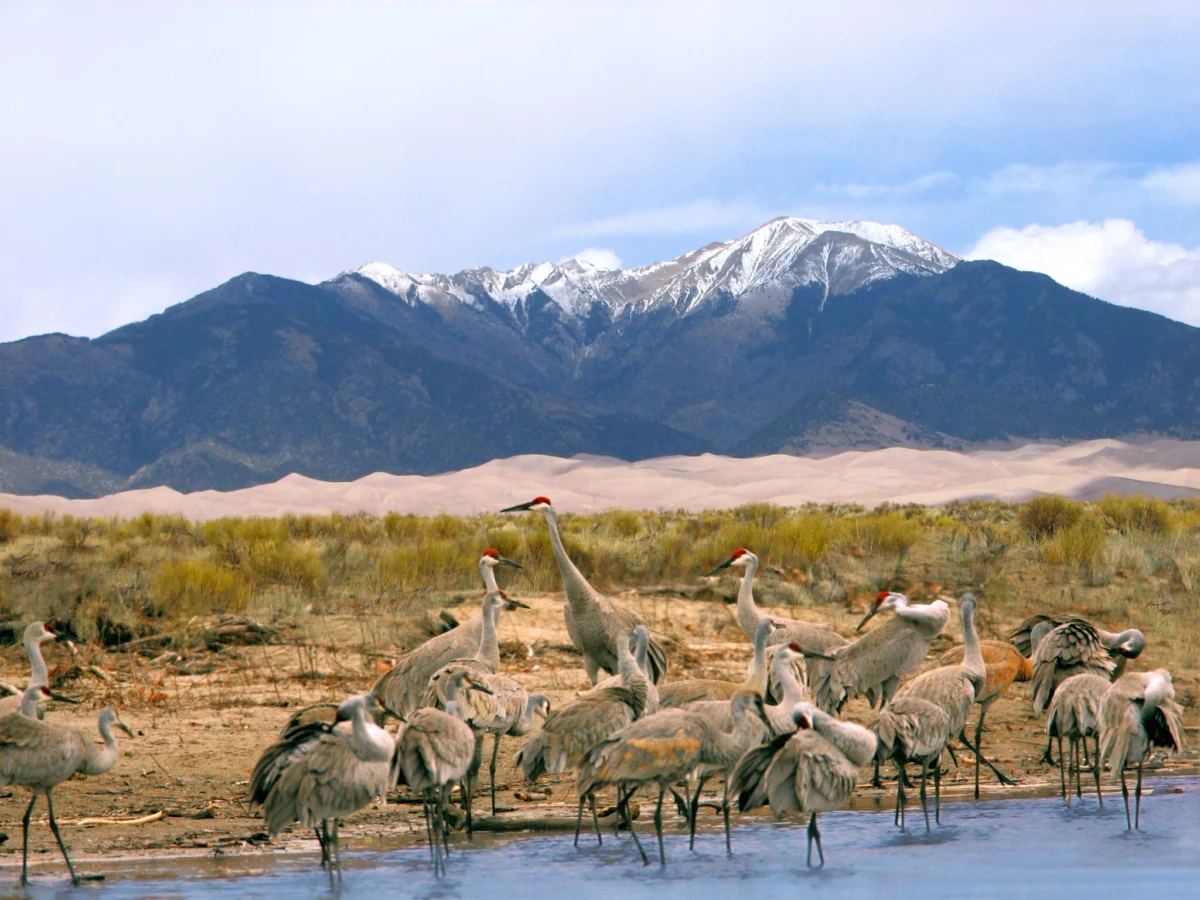
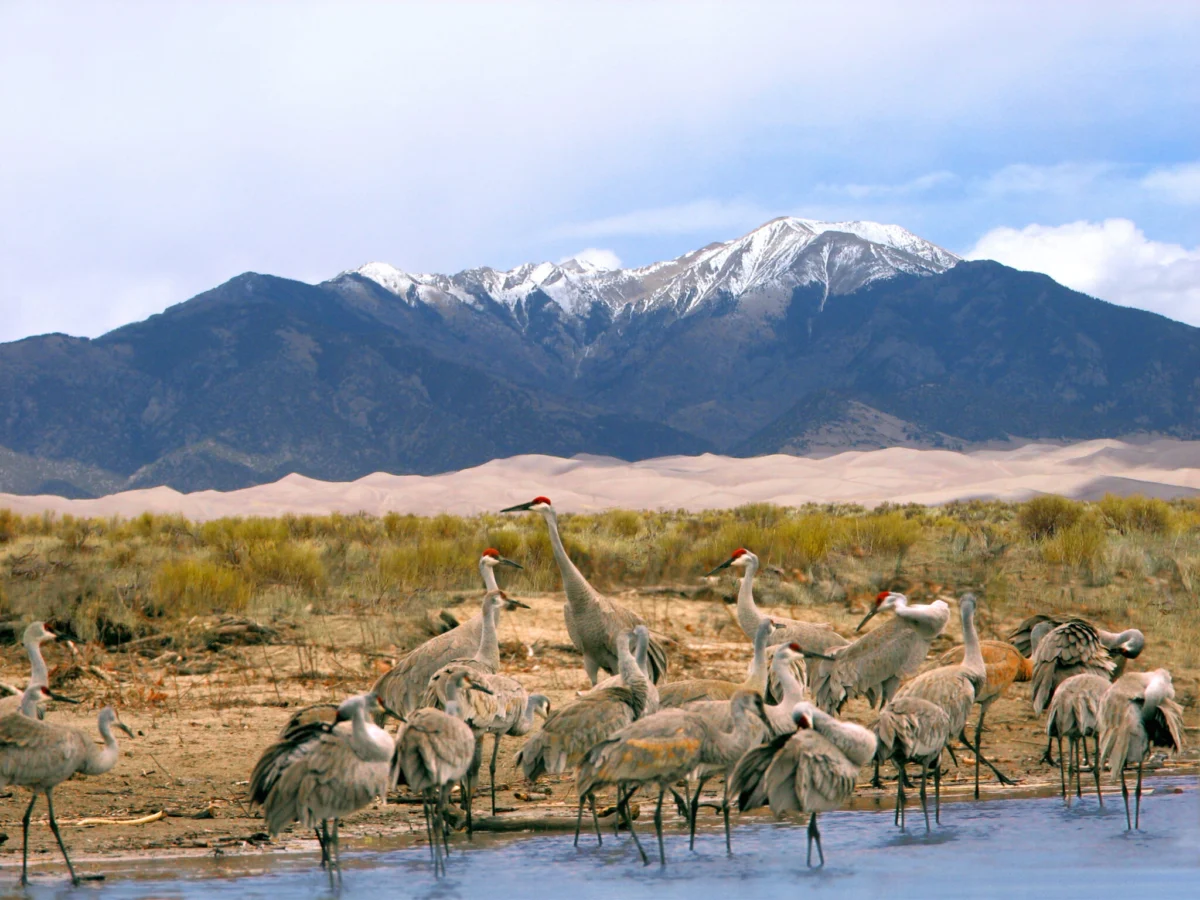
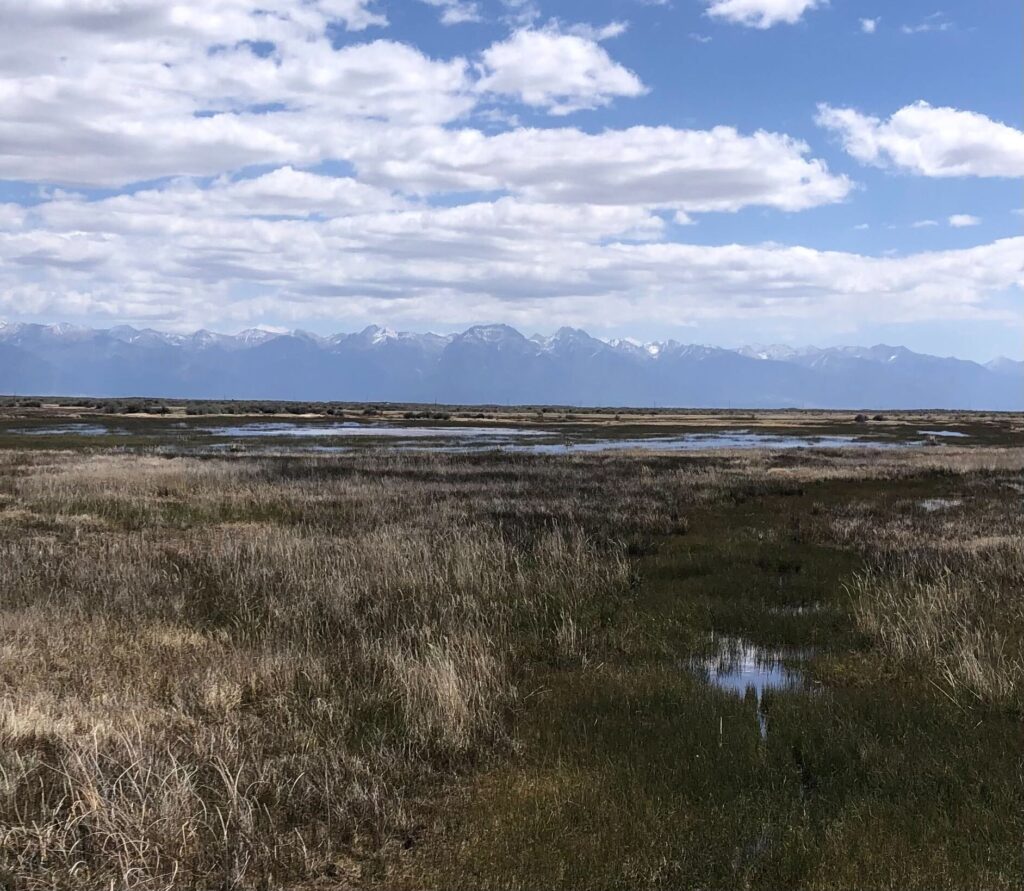
- Wildlife Foraging: The melting process creates essential habitat for early-spring migratory birds, including sandhill cranes, which rely on these temporary wetlands for food and protection.
- Soil Moisture Retention: The process prevents the rapid evaporation of water that occurs during summer months, locking moisture into the soil profile exactly when early-season plant life requires it.
The data gathered thus far suggests that this method is more than just a nostalgic practice; it is a viable, high-efficiency water management strategy that balances the needs of the producer with the health of the watershed.
The Rye Resurgence: A Market-Driven Solution
Water conservation in agriculture is often limited by the economic viability of crops. If a farmer chooses to plant a crop that requires less water, they must also ensure there is a buyer for that product. The "Rye Resurgence Project" solves this by bridging the gap between field and market.
Winter rye, a robust cover crop, requires significantly less water than the traditional rotation crops that have historically dominated the Valley. However, switching to rye requires a shift in infrastructure—millers, brewers, and distillers must be willing to integrate it into their supply chains.
The results of the project have been staggering. In its inaugural year, the collaboration between farmers and businesses resulted in the planting of 4,500 acres of winter rye. By the end of the year, that shift accounted for an estimated 4,670 acre-feet of water savings—a massive victory for an aquifer under stress. By building a network of 24 corporate partners—including local bakers and craft distillers—the project has demonstrated that "less water" does not have to mean "less income."
Habitat Restoration: The Rio Grande Corridor
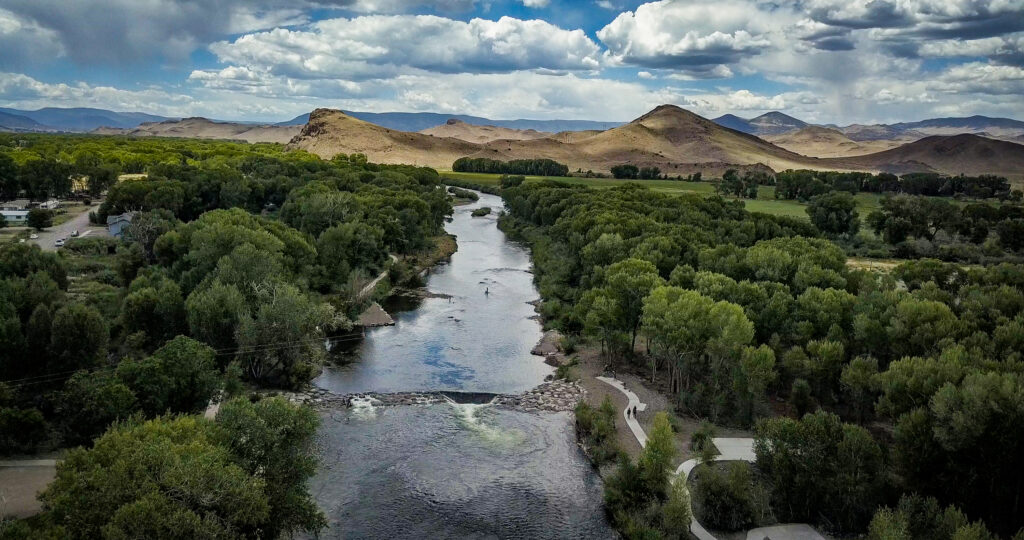
While agricultural water use is central to the conversation, the ecological health of the Rio Grande itself remains a priority. The Alamosa National Wildlife Refuge has long been a bellwether for the river’s health. As lower streamflows become the new normal, native fish species—such as the Rio Grande chub—have found their habitats fragmented.
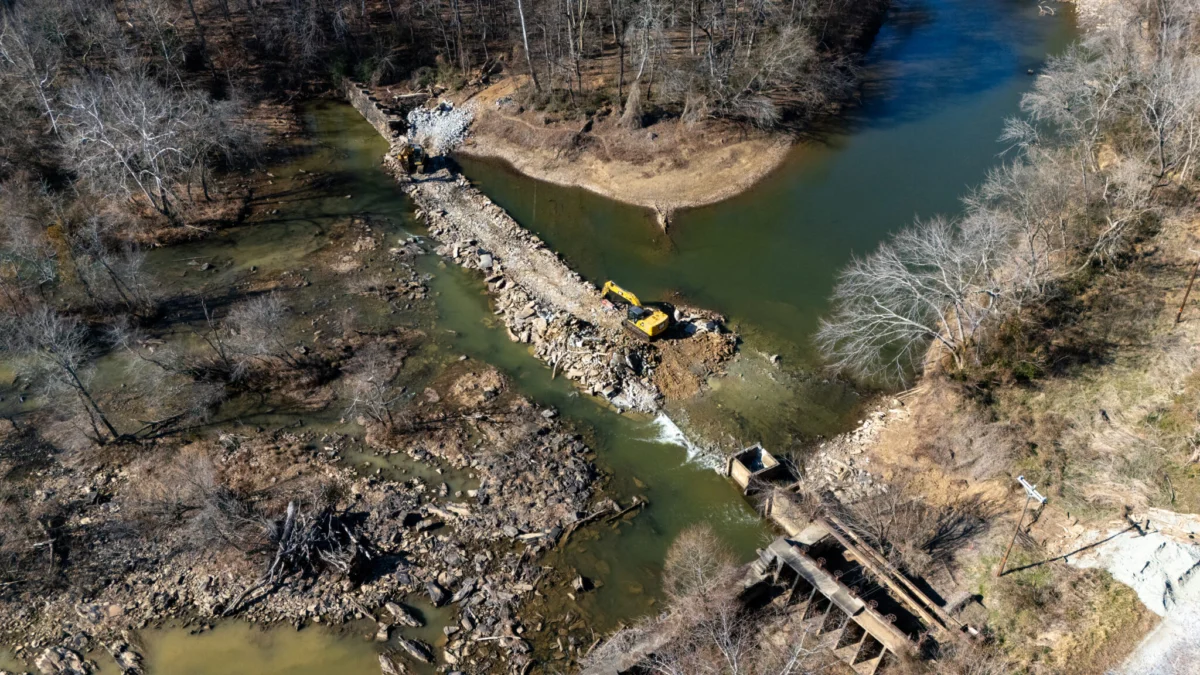
The Rio Grande Corridor Restoration Project represents a massive effort to reshape the river’s physical environment to be more resilient to low-flow conditions. By stabilizing eroding streambanks with native vegetation and rock, and by engineering off-channel features that provide refuge for aquatic life, partners have effectively created a more robust, "drought-ready" river ecosystem. This work also benefits the human community, as the project included the redesign of public trails to ensure that recreationists can enjoy the refuge without disrupting the delicate ecological balance.
Official Perspectives: A Unified Front
The success of these projects is largely attributed to the cross-sector nature of the collaboration. "Water is the lifeblood of this region," notes a spokesperson from the regional conservation collective. "The siloed approach of the past—where agriculture, conservation, and recreation operated in bubbles—is no longer feasible."
State agencies, including Colorado Parks and Wildlife, have lauded the efforts as a model for the wider Western United States. By providing the technical, legal, and financial framework for projects like Frozen Assets and Rye Resurgence, these agencies are enabling local communities to take the lead in their own survival. The emphasis has shifted from "top-down" regulation to "bottom-up" stewardship, where those who work the land are empowered to define how that land is preserved.
Implications for the Future
The implications of these initiatives extend far beyond the borders of the San Luis Valley. As the entire Southwest faces the realities of a warmer, drier climate, the Valley’s "multi-benefit" approach is being viewed as a potential template for other river basins.
The strategy is clear:
- Diversification: Do not rely on a single water source or a single crop.
- Mimicry: Utilize natural processes (like winter freezing) to manage water storage.
- Integration: Ensure that every project serves at least two masters—for example, a project that recharges an aquifer must also provide habitat for wildlife or a profitable yield for a farmer.
As we look toward the remainder of the summer, the challenges in the San Luis Valley remain significant. The drought is not over, and the pressure on the Rio Grande will likely intensify. However, the culture of the Valley has fundamentally changed. It is no longer a community waiting for rain to save them; it is a community actively building the infrastructure of their own resilience, drop by drop, acre by acre, and season by season.
In the face of unprecedented climatic shifts, the people of the San Luis Valley are demonstrating that while water may be finite, human ingenuity, when applied with a spirit of cooperation, is virtually limitless. The path forward is not easy, but the groundwork has been laid, and the Valley stands as a testament to the power of community-driven, landscape-scale conservation.