Tanzania remains the crown jewel of African wildlife tourism, offering an unparalleled tapestry of biodiversity, geological wonders, and cultural heritage. For the discerning traveler seeking more than just a fleeting glimpse of the savanna, the rise of ecotourism in the region offers a profound way to engage with nature. By prioritizing conservation, local community empowerment, and minimal environmental impact, travelers can now experience the "soul of Africa" through thoughtfully curated journeys.
From the rugged peaks of Mount Kilimanjaro to the expansive, predator-rich plains of the southern circuit, Tanzania’s tourism landscape is shifting toward a model that values longevity over mass consumption.
The Southern Circuit: An Emerging Frontier for Ecotourism
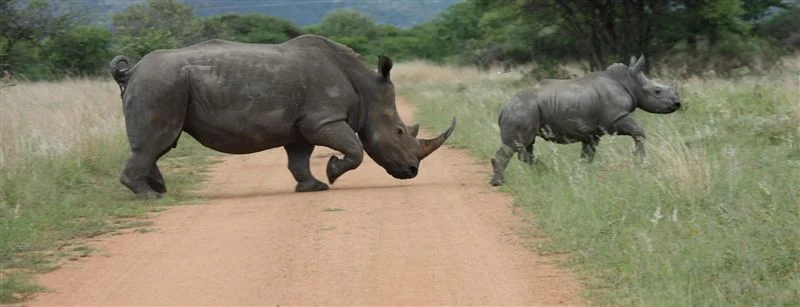
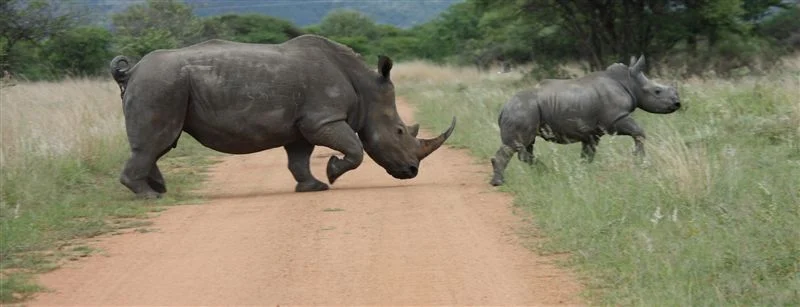
While the Northern Circuit (Serengeti, Ngorongoro) is globally celebrated, the Southern Circuit is rapidly emerging as the premier destination for those seeking solitude and raw, unfiltered wilderness. Often referred to as the "best-kept secret" of East Africa, the southern zone offers a more intimate encounter with nature.
Key Destinations of the South
- Nyerere National Park (formerly Selous): As one of the largest protected areas in Africa, this UNESCO World Heritage site is a haven for elephant herds, lions, and the elusive African wild dog. Its riverine landscape makes it a unique destination for boat safaris.
- Ruaha National Park: Known for its dramatic landscapes and high concentration of predators, Ruaha offers a rugged, off-the-beaten-path experience that feels profoundly disconnected from the modern world.
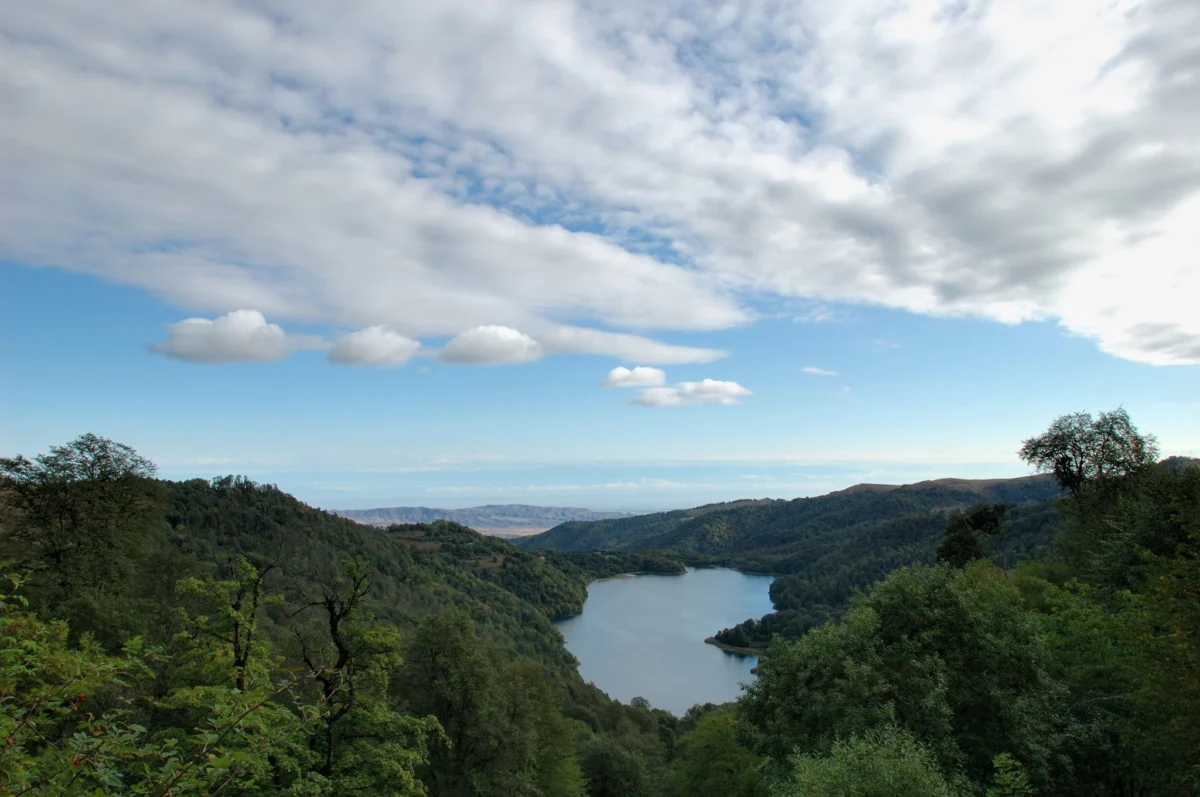
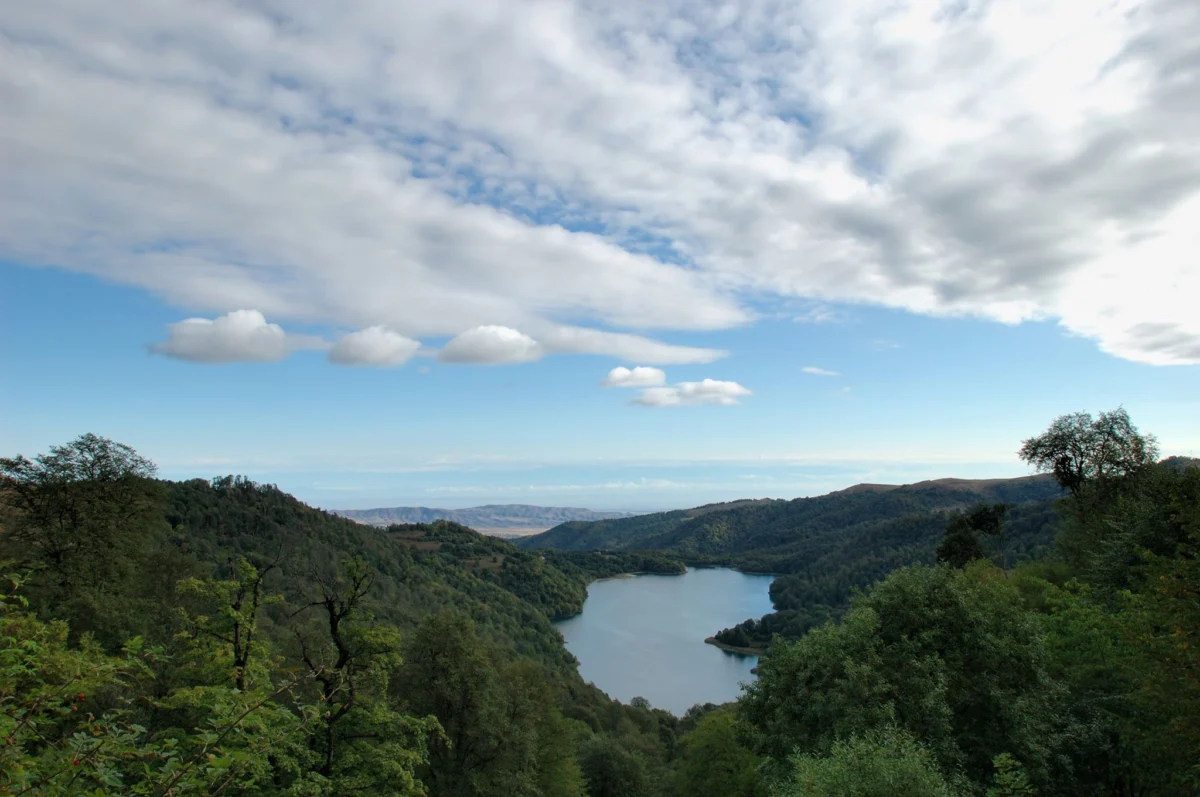
- Mikumi and Udzungwa: Mikumi offers accessible plains wildlife, while the Udzungwa Mountains represent a biodiversity hotspot, perfect for eco-conscious hikers looking to explore lush rainforests and endemic species.
- The TAZARA Railway Route: Beyond the parks, this engineering marvel provides a window into the daily life of Tanzania, cutting through diverse ecosystems and rural villages, reinforcing the link between travel and local connectivity.
Travel experts suggest a 10-day itinerary for the Southern Circuit to fully absorb the scale of the region. Because the southern eco-lodges are often smaller and locally integrated, they provide a more economical and sustainable alternative to the high-density tourism of the north.
Strategic Planning: The Art of the Safari
Planning a safari is not merely about booking a vehicle; it is about aligning personal travel goals with the seasonal realities of East Africa. Whether one is a filmmaker, a professional photographer, or an avid naturalist, the success of the trip depends on meticulous logistics.
The Professional Advantage
For those requiring specialized logistics—such as filmmakers needing extended battery power, specific lighting angles, or custom-built 4×4 game drive vehicles—reputable Destination Management Companies (DMCs) like Kilimanjaro Tanzanite Safaris are essential. The industry standard has shifted toward the use of high-performance, open-roof or pop-up roof Toyota Land Cruisers, which ensure optimal stability and visibility in the bush.
Professional Tips for the Savvy Traveler
- Timing is Everything: Research the "Great Migration" cycles if visiting the north, or the dry season in the south, when wildlife congregates around waterholes.
- Responsible Gear: Use a packing list that emphasizes lightweight, eco-friendly materials and high-quality camera equipment.
- The Combo Approach: Many travelers now opt for 9 to 16-day itineraries that bridge the gap between the Northern and Southern circuits, allowing for a holistic view of the Tanzanian ecosystem.
Kilimanjaro: The Pinnacle of Adventure Ecotourism
Mount Kilimanjaro is not just a peak; it is a pilgrimage. However, as the "Roof of Africa" faces increased pressure from tourism, the push for "Trekking Ecotourism" has never been more critical.
Critical Factors for a Successful Summit
Sustainable climbing is predicated on preparation. Before embarking on a trek, climbers must consider:
- Route Selection: From the scenic Lemosho to the direct Machame, each route offers different acclimatization profiles and environmental footprints.
- Safety and Acclimatization: Altitude sickness remains the primary challenge. A professional guide service will prioritize a "pole-pole" (slowly, slowly) pace, which is scientifically proven to increase summit success rates.
- Leave No Trace: Responsible tourism on the mountain means ensuring that all waste—from food scraps to human waste—is managed according to strict conservation standards.
Supporting Data and Industry Trends
Recent market analysis indicates a 15% year-on-year increase in interest for "low-impact" tourism packages in Tanzania. Data suggests that travelers are increasingly willing to pay a premium for operators who demonstrate:
- Fair Wages: Ensuring guides, porters, and lodge staff are compensated above industry averages.
- Resource Management: Utilizing solar power and water-recycling technologies in remote lodges.
- Community Projects: Direct investment into the villages surrounding national parks, such as the Enduimet wildlife area.
When comparing itineraries, the trend shows that travelers now prefer longer, slower-paced trips over "check-list" tourism. By spending more time in one ecosystem, tourists minimize their carbon footprint from transport while maximizing their economic contribution to local conservation efforts.
Official Perspectives on Conservation
Governmental and private bodies in Tanzania have signaled a clear shift in policy. By promoting the Southern Circuit, the Ministry of Natural Resources and Tourism is actively working to de-congest the northern parks, protecting the fragile ecological balance of areas like the Serengeti and Ngorongoro.
"The future of our tourism is in the hands of the traveler who respects the land," says a spokesperson from the regional ecotourism board. "When a visitor chooses to book an eco-lodge over a large-scale hotel, they are directly participating in the funding of anti-poaching units and community education programs."
Implications for the Future of Safari
The implications of these trends are significant. For the traveler, the shift means a more authentic, exclusive, and ethical experience. For the destination, it means the survival of endangered species and the preservation of habitats that might otherwise be encroached upon by unsustainable development.
As global awareness regarding climate change and wildlife loss grows, the responsibility lies with the consumer to ask the right questions:
- Does my tour operator have a documented environmental policy?
- Is my visit supporting the local economy?
- Am I minimizing my impact on the sensitive ecosystems I am visiting?
Conclusion: A Call to Responsible Exploration
Tanzania is a land of vast, untamed beauty. Whether it is the vast, golden plains of the Serengeti, the dense forests of Udzungwa, or the snow-capped summit of Kilimanjaro, the experiences available here are life-changing. By opting for a curated, eco-conscious safari, travelers do more than just observe the wonders of Africa—they become guardians of them.
As you plan your journey, remember that the true value of an African safari is measured not in the number of photographs captured, but in the positive impact left behind. Choose your routes wisely, engage with local experts who understand the nuances of the land, and prepare for an adventure that respects the balance of nature.
For those ready to embark on this journey, the southern circuit awaits—a frontier of discovery that promises to redefine your understanding of the natural world. Whether you are navigating the TAZARA railway or trekking the slopes of the northern highlands, your choices as a tourist shape the future of this magnificent landscape. Travel intentionally, travel responsibly, and let the wilderness change you.