For over a century, the Antiquities Act of 1906 has served as the bedrock of American conservation. Signed into law by President Theodore Roosevelt, the Act empowered the executive branch to protect objects of historic and scientific interest—a mechanism that has preserved some of the most iconic landscapes in the world. From the towering granite cliffs of Zion to the majestic vistas of the Grand Canyon, nearly half of America’s National Parks began their lives as National Monuments.
However, a dramatic shift in federal policy has cast a shadow over this legacy. On July 13, 2026, the federal government issued sweeping proclamations to reduce the boundaries of two of the nation’s most culturally and ecologically significant sites: Bears Ears and Grand Staircase-Escalante National Monuments. By slashing their combined area by 90%—excising nearly 3 million acres from federal protection—the administration has ignited a firestorm of controversy, raising fundamental questions about tribal sovereignty, environmental stewardship, and the integrity of public lands.
The Foundation of a Legacy: The Antiquities Act
The importance of the Antiquities Act cannot be overstated. Forty presidents, representing both sides of the political aisle, have utilized the Act to safeguard public lands and waters. These designations are not merely lines on a map; they are vital infrastructure for a healthy nation.
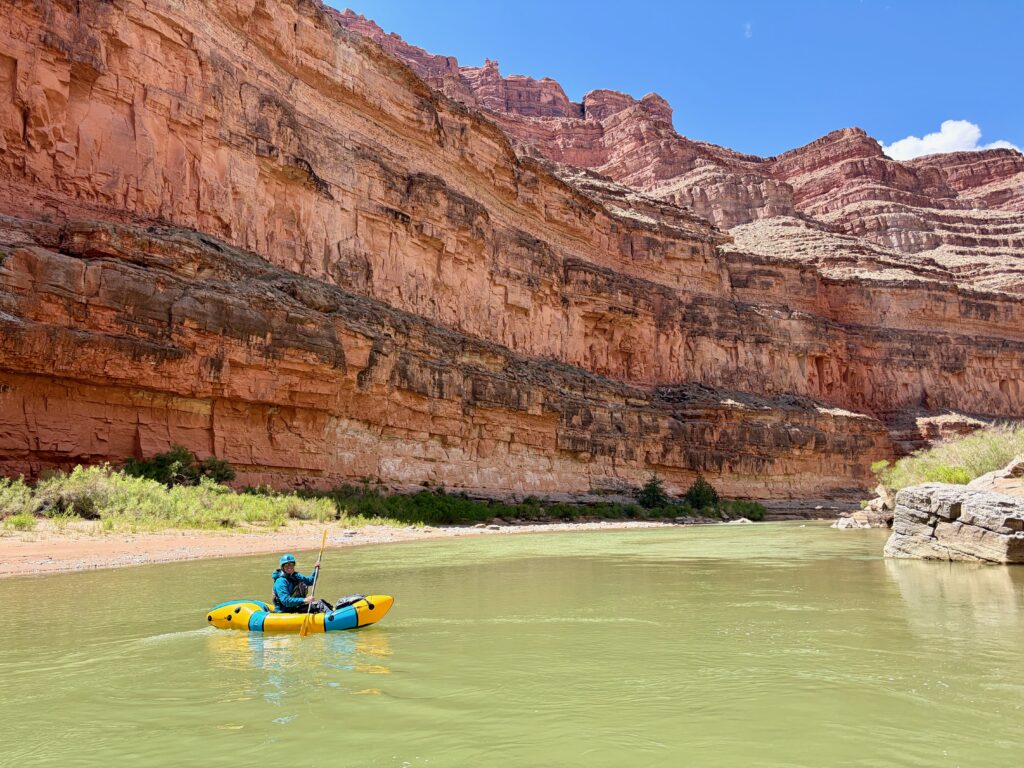
In the last three decades alone, 31 national monuments have been designated across the United States. These areas protect more than 21,143 miles of rivers across 2,125 individual watersheds, serving as the "natural water towers" that provide clean, life-sustaining water to over 13 million people. Beyond hydrology, these monuments fuel robust, sustainable economies in "gateway communities." By fostering world-class opportunities for fishing, hunting, paddling, and tourism, these lands prove that conservation is not an impediment to economic growth, but a catalyst for it.
A Chronology of Conflict: From Protection to Partition
The current crisis follows a volatile decade for Western public lands.
- 2016: The Bears Ears National Monument is designated, marking a historic milestone as the first monument established specifically to honor the ancestral connection and traditional knowledge of a coalition of five Tribes: the Hopi, Navajo Nation, Ute Mountain Ute, Zuni, and the Ute Indian Tribe of the Uintah and Ouray Reservation.
- 2017: An initial attempt is made to drastically shrink the boundaries of both Bears Ears and Grand Staircase-Escalante. This decision faced immediate legal challenges and public outcry.
- 2021-2025: The federal government restores the full boundaries of the monuments, reinforcing the legal protections of these landscapes and reaffirming the role of the Bears Ears Commission.
- July 2026: In a stunning reversal, the administration issues new proclamations reducing the monument footprints by 90%, leaving only 300,000 acres protected. Simultaneously, the Bears Ears Commission is disbanded, and tribal insignias are removed from monument signage, signaling a symbolic and practical exclusion of the Indigenous communities that have stewarded these lands for millennia.
Supporting Data: The Economic and Ecological Cost
The rollback is not merely an administrative shift; it carries tangible, measurable costs. In Taos, New Mexico, the designation of the Rio Grande Del Norte National Monument led to a 40% surge in tourism and a 20% increase in lodging tax revenue within a single year. Similarly, a National Park Service study found that the Katahdin Woods and Waters National Monument in Maine generated $3.4 million for local gateway communities in 2024 alone.
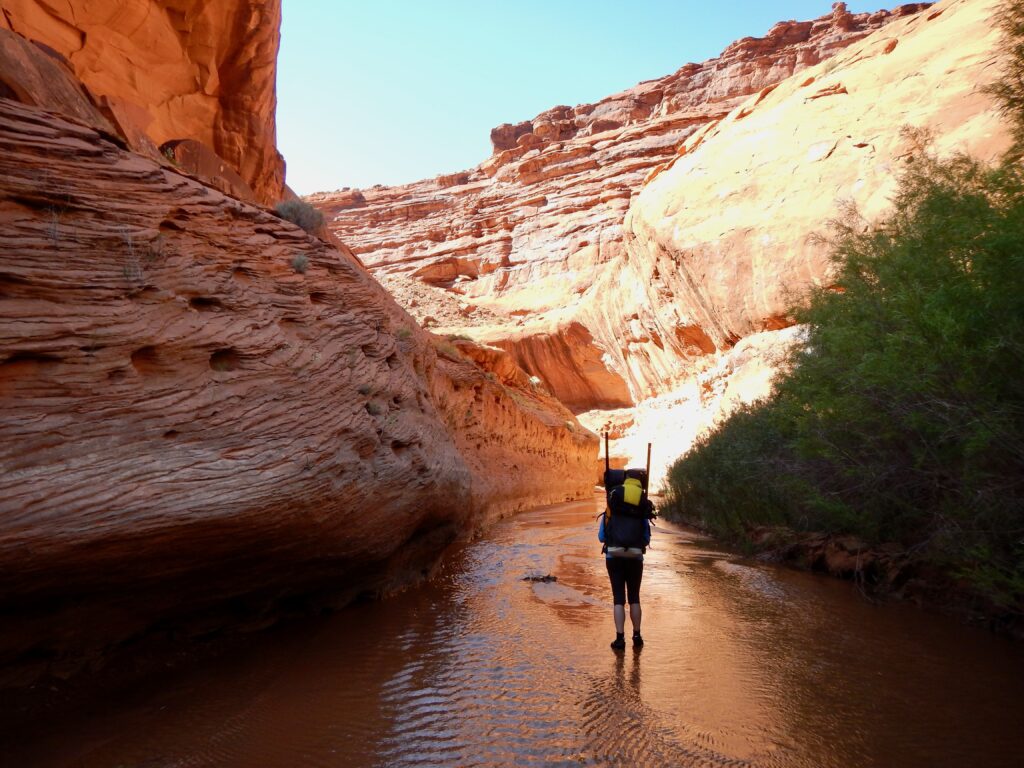
Ecologically, the impacts are profound. These monuments serve as critical migration corridors for elk, pronghorn, bighorn sheep, and mule deer. In Maine, the protection of the East Branch of the Penobscot River safeguards habitat for endangered Atlantic salmon, Canada lynx, and wild brook trout. When these corridors are fragmented, the "web of life" that relies on the connectivity of these waters and forests begins to unravel.
Tribal Sovereignty and the "Open-Air Cathedral"
At the heart of the controversy is the concept of the "public trust." For the Tribes involved in the management of these monuments, the land is not merely a resource; it is an ancestral home, a repository of history, and a place of ongoing spiritual practice.
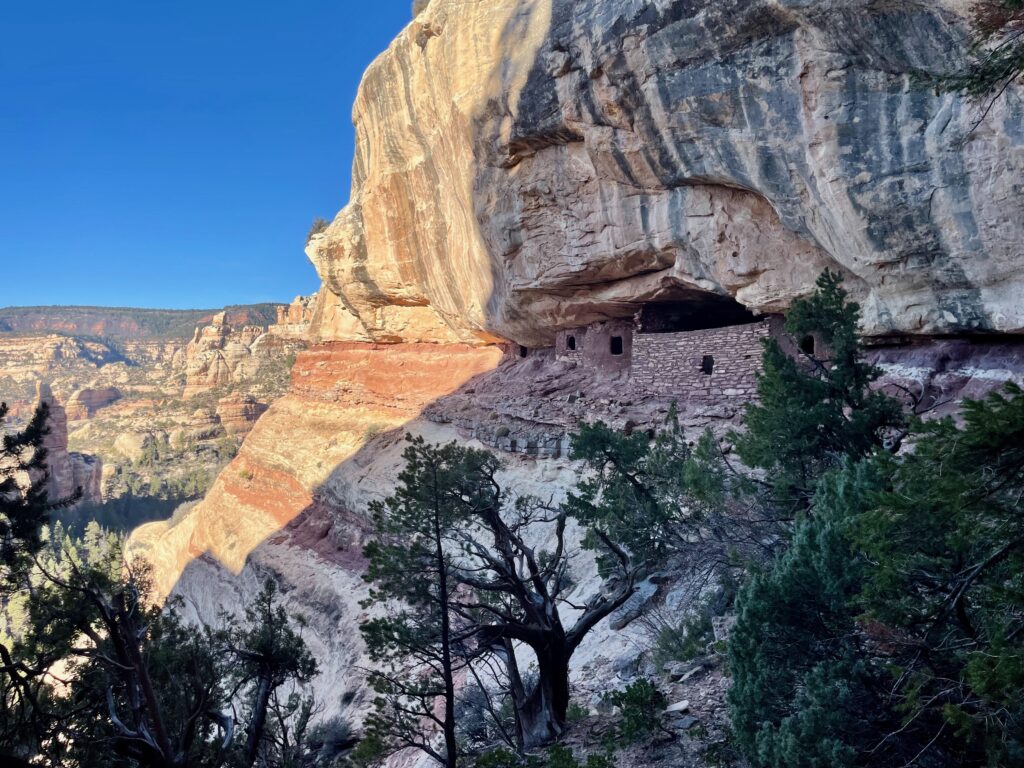
Bears Ears has been described by many as an "open-air museum and cathedral." It contains nearly 100,000 archaeological sites, including Ancestral Puebloan cliff houses, kivas, granaries, and intricate rock art. The decision to disband the Bears Ears Commission—a body composed entirely of tribal representatives—is viewed by many as a direct assault on the concept of co-management and tribal sovereignty. By removing the seals of the Tribes from the landscape, the government has signaled a retreat from the collaborative stewardship model that was intended to bridge the divide between federal oversight and Indigenous history.
Official Responses and Public Outcry
The reaction to the July 2026 proclamations was immediate and widespread. Over 1,000 citizens organized in six different cities across Utah, protesting the reduction and demanding the preservation of the original monument designations.
Critics of the decision argue that the move undermines the rule of law and the spirit of the Antiquities Act. Proponents of the reduction, conversely, often cite the need for local control and the potential for expanded resource extraction within the newly "de-designated" areas. However, legal scholars suggest that the authority of a president to reduce a monument via proclamation—as opposed to the authority to create one—remains a deeply unsettled and contentious point of constitutional law.
Implications: A Future in Peril
The implications of this rollback extend far beyond the borders of Utah. If the executive branch establishes the precedent that monument boundaries can be effectively wiped away with the stroke of a pen, the security of all existing national monuments is called into question.
As the nation looks toward the future, the question remains: what kind of legacy do we wish to leave? While development is a necessary component of a modern economy, it cannot come at the expense of our most irreplaceable natural and cultural heritage. The protection of our watersheds, the respect for tribal sovereignty, and the preservation of our public lands are not partisan issues—they are matters of national identity.
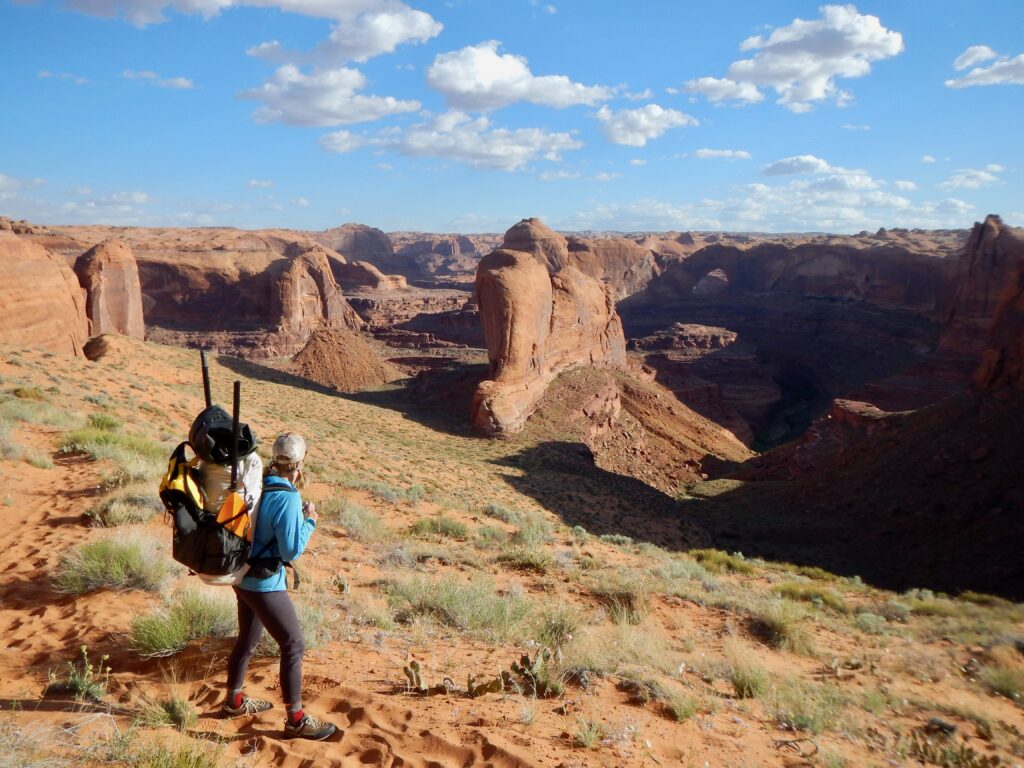
For those who visit these spaces—whether by foot, by bicycle, or by boat—the transformation of these landscapes into open-use areas risks the loss of the very qualities that make them worth protecting. As the legal battles begin to take shape in the courts, the American public is left to grapple with a stark reality: the lands that define our history are once again on the front lines of a fight for their survival.
For now, the message from conservationists is clear: these places are not just maps; they are part of our identity. To lose them is to lose a piece of the American spirit. Whether you are an avid outdoorsman or a concerned citizen, the future of our national monuments requires active engagement. The preservation of these sites is a public trust, and as history has shown, that trust is only as strong as the people willing to defend it.