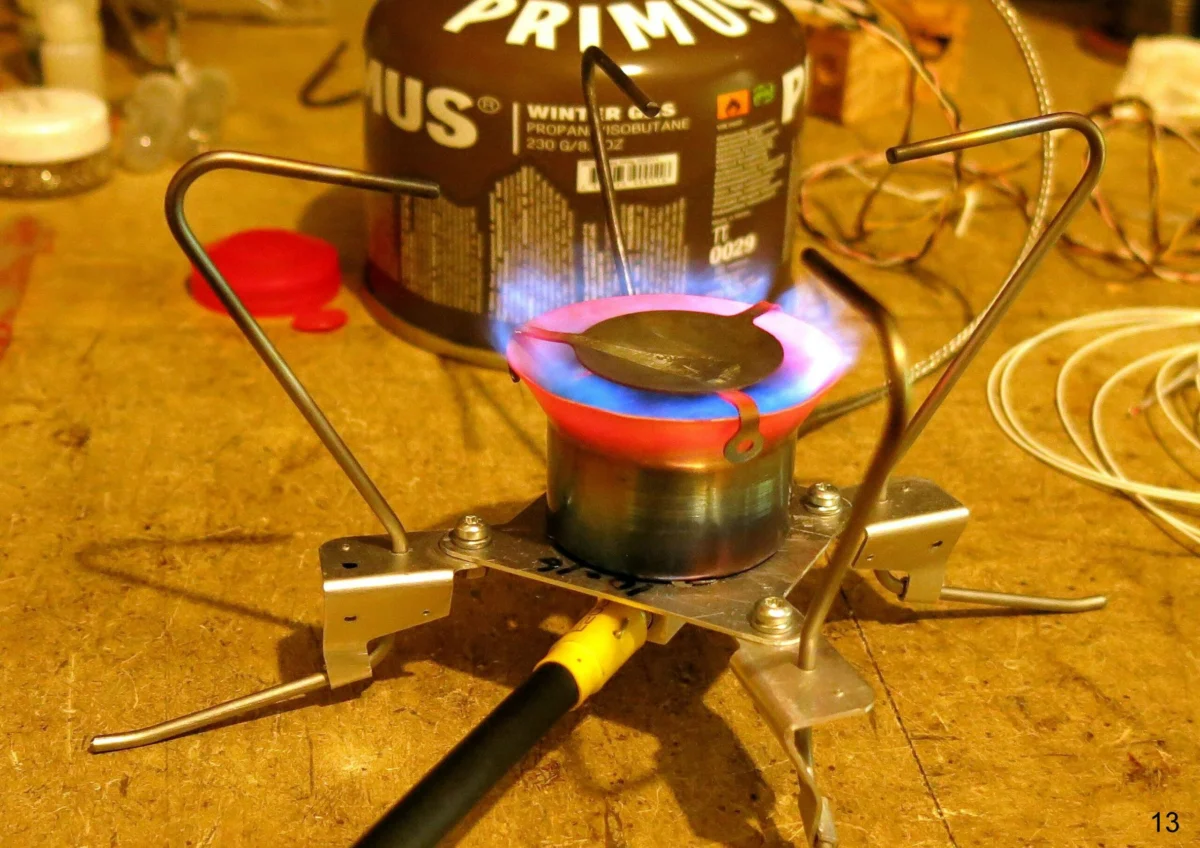
In the demanding world of high-altitude and winter backpacking, the failure of a stove is not merely an inconvenience—it is a critical safety issue. When temperatures plummet, the vapor pressure of standard butane-propane fuel blends drops, rendering conventional upright canister stoves sluggish or entirely useless. For years, DIY enthusiast and engineering aficionado Roger Caffin has dedicated his technical expertise to solving the "winter flameout" problem. His journey from modifying stock components to the creation of the ultra-lightweight V8 Vortex stove represents a masterclass in iterative engineering, thermal physics, and minimalist design.
The Genesis of the Project: Solving the Flare-Up
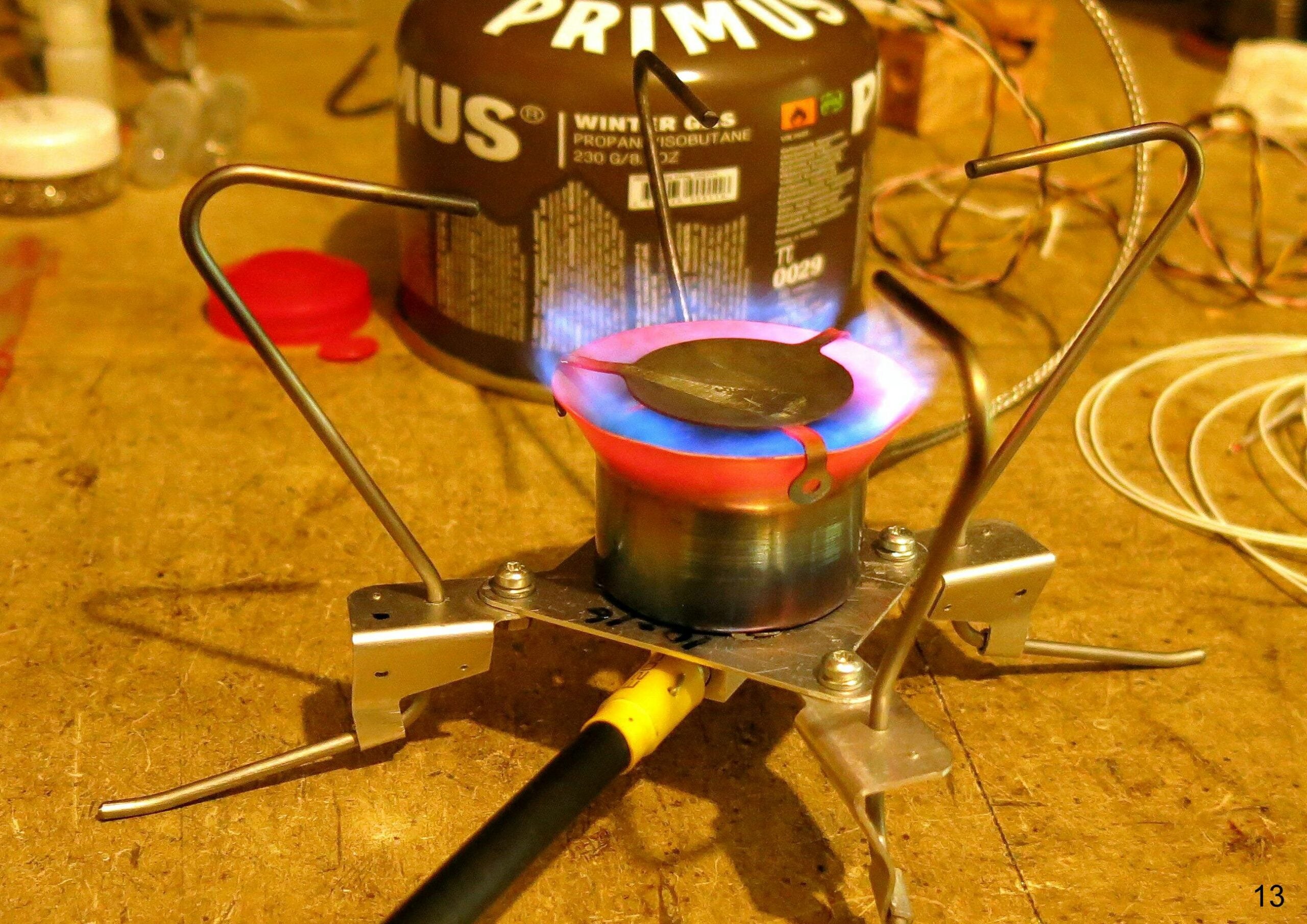
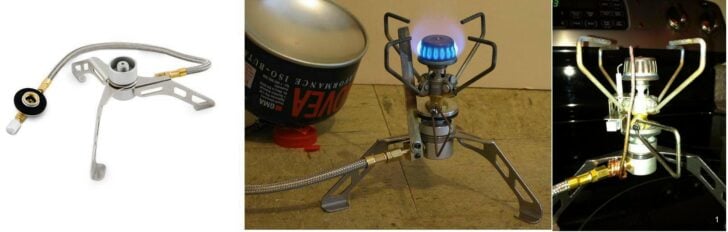
The quest began with a simple observation: upright canister stoves are inherently unstable and prone to performance degradation in cold weather. While the market offered solutions like the Brunton Stove Stand—a device designed to lower the center of gravity and stabilize the canister—it failed to address the fundamental physics of fuel delivery. If a canister is inverted to feed liquid fuel into the burner, the lack of a proper vaporization system causes the fuel to reach the jet in liquid form, resulting in unpredictable and dangerous flare-ups.
Caffin’s initial experiment, designated the "V0," involved a rudimentary but effective hack: a copper strip running from the burner flames to the fuel inlet fitting. By using the heat of the stove to pre-vaporize the fuel before it reached the jet, Caffin successfully enabled the use of inverted canisters, ensuring a steady, reliable flame even as the canister pressure dropped. This discovery laid the foundation for a decade-long development cycle that would eventually culminate in the V8 prototype.
Chronology of Development: From V1 to V7
The iterative process of stove design is rarely linear. Each iteration of Caffin’s work targeted specific mechanical weaknesses or weight-optimization opportunities.
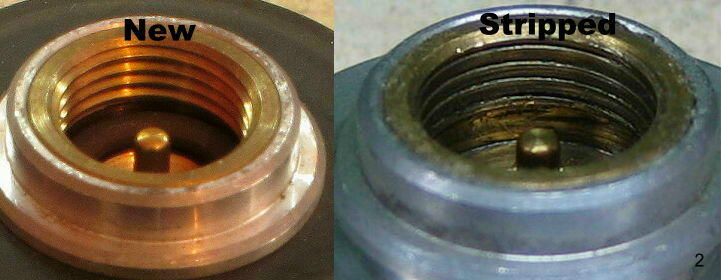
- V1 (The Foundation): The first full-scale design focused on a custom stove body, a robust canister connector, and a "light hose" architecture. To ensure consistency, Caffin moved away from manual machining, teaching himself CNC programming to manufacture components that were perfectly interchangeable. This version proved that a bespoke, reliable remote canister stove was possible, leading to the production of over 100 units for enthusiasts globally.
- V2 & V3 (The Vortex Era): Moving away from commercial burner heads, these versions utilized a "Vortex" design—a chambered burner similar to the MSR XGK. By trapping flames within a metallic housing, the stove could radiate heat directly back onto the fuel line, eliminating the need for a separate heat shunt. While effective, these early models struggled with weight and the limitations of titanium spot-welding.
- V4 (Upright Refinement): This version represented a "back to basics" approach. Caffin experimented with internal baffles to optimize gas flow and introduced wire legs for superior weight-to-strength ratios, replacing the heavier, more complex titanium zigzag supports used in earlier prototypes.
- V5 & V6 (The Search for Efficiency): The V6 marked a return to the Vortex concept, with a focus on air-fuel mixing. Caffin’s data-logging experiments revealed that while excess air ensures cleaner combustion, it simultaneously reduces efficiency by forcing the stove to expend energy heating non-combustible air. The V6 balanced these requirements, achieving a robust, high-output burn.
- V7 (The SUL Milestone): The Super Ultra-Light (SUL) V7 pushed the limits of the design, weighing in at a mere 45 grams. By utilizing the BRS-3000T burner and custom stainless-braided PFA tubing, the V7 demonstrated that extreme weight reduction did not have to come at the cost of functionality, provided the thermal shunt was tuned with mathematical precision.
Supporting Data: The Physics of Thermal Balance
At the heart of Caffin’s research is the "Heat Shunt"—a critical component that transfers thermal energy from the burner back to the fuel intake. Designing this requires a delicate balance. If the shunt is too small, the fuel remains liquid, leading to sputtering; if it is too large, the stove body exceeds the 250°C limit of the Viton O-rings and PFA tubing, leading to catastrophic failure.
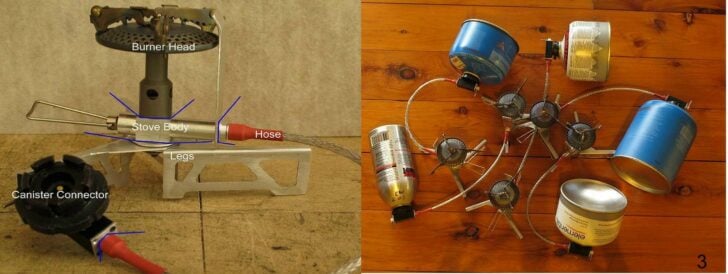
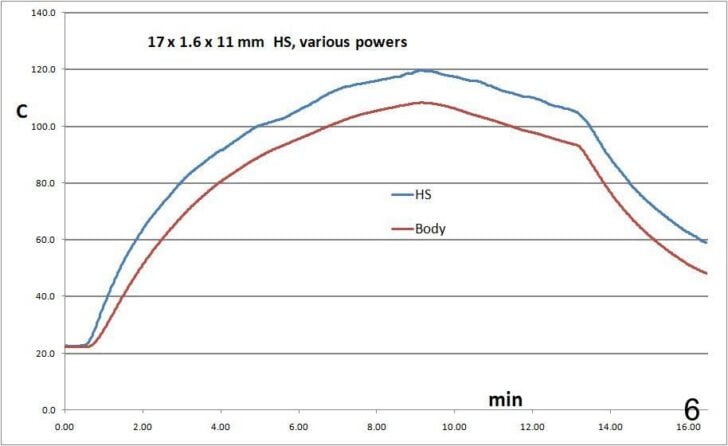
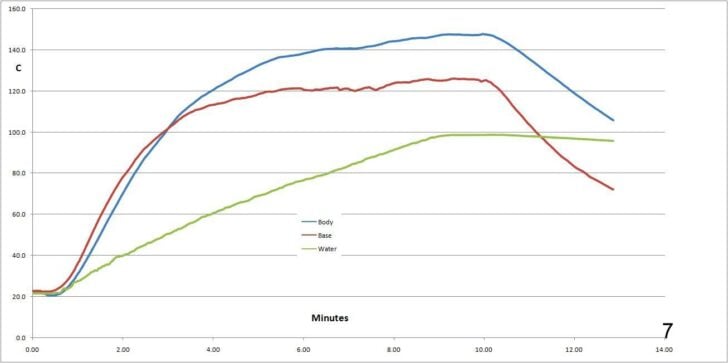
Using a LabJack data logger, Caffin generated extensive thermal profiles. His data shows a distinct cooling effect on the stove body once the canister is inverted, as the latent heat of vaporization is pulled directly from the stove’s metalwork. Through careful measurement, he determined that a 40°C offset is required to translate lab-bench performance (at 20°C) to field performance (at -20°C). This level of empirical rigour is rarely seen in consumer outdoor equipment, highlighting the difference between "off-the-shelf" manufacturing and precision engineering.
Implications for the Future: The V8 Vortex
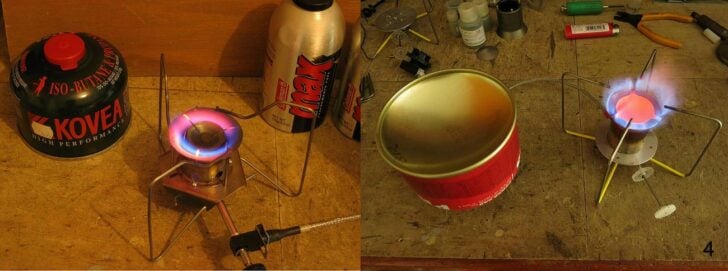
The latest development, the V8, represents the convergence of all previous lessons. It integrates the lessons of the Vortex burner chamber with the weight-saving strategies of the V7.
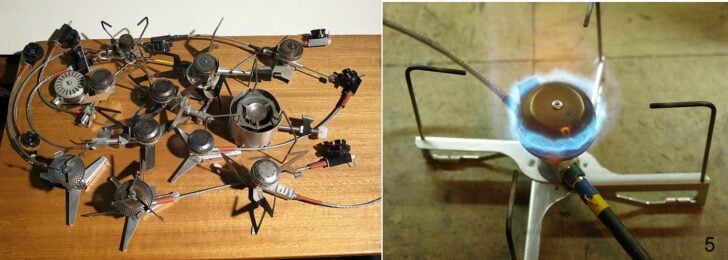
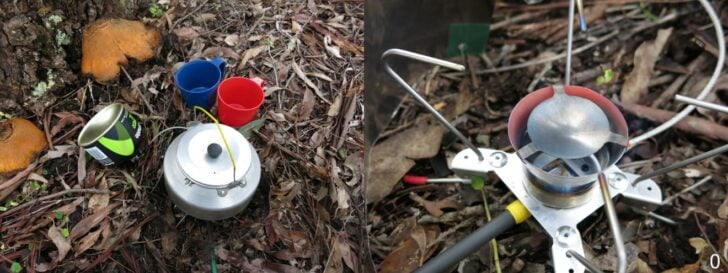
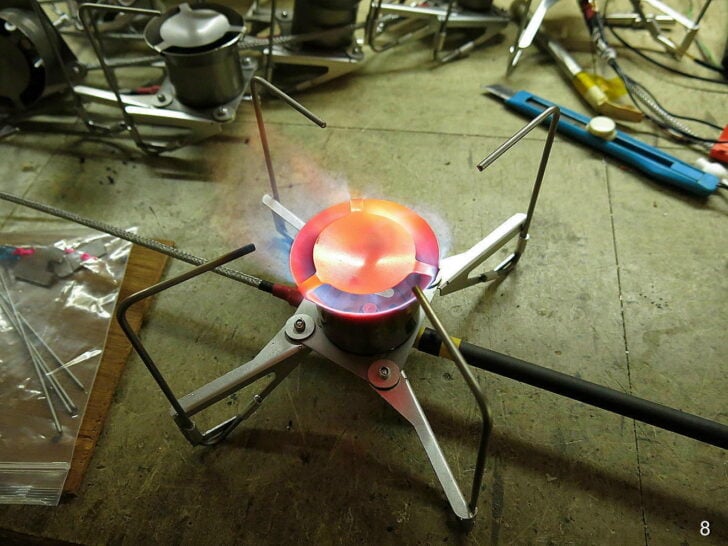
The primary innovation in the V8 lies in its miniaturized burner chamber and optimized support architecture. By refining the geometry of the chamber, Caffin has successfully maintained the high-efficiency output of the Vortex design while shedding the bulk that plagued earlier versions. Furthermore, the use of custom-braided hoses that allow for full rotational movement prevents the "curling" effect common in commercial stoves, ensuring the stove sits flat on uneven terrain—a necessity for alpine environments.
Conclusion and Industry Impact
The work of Roger Caffin serves as a potent reminder that the most significant advancements in outdoor gear often come from those willing to challenge the limitations of mass-produced equipment. His move toward CNC manufacturing and, more importantly, the use of professional-grade data logging to verify thermal performance, bridges the gap between hobbyist "MYOG" (Make Your Own Gear) projects and true engineering.
While commercial manufacturers are often constrained by liability, standardized manufacturing processes, and the need for universal compatibility, Caffin’s design philosophy prioritizes performance in the extreme. The evolution from the V0 to the V8 highlights a shift in the outdoor industry: an increasing demand for gear that is not only light but fundamentally understood by the user. As the backcountry community continues to push into colder, higher, and more remote environments, the principles of thermal management and weight optimization exemplified by the V8 will likely serve as the blueprint for the next generation of high-performance winter stoves.
For the serious mountaineer, the V8 is not just a tool; it is a piece of documented, verified engineering designed to turn a frozen, inhospitable camp into a functional base of operations. The "stove-designing games" have evolved into a sophisticated discipline, proving that with enough curiosity and a bit of data, the limitations of the environment can be systematically overcome.