By Michael Sertle | August 26, 2026
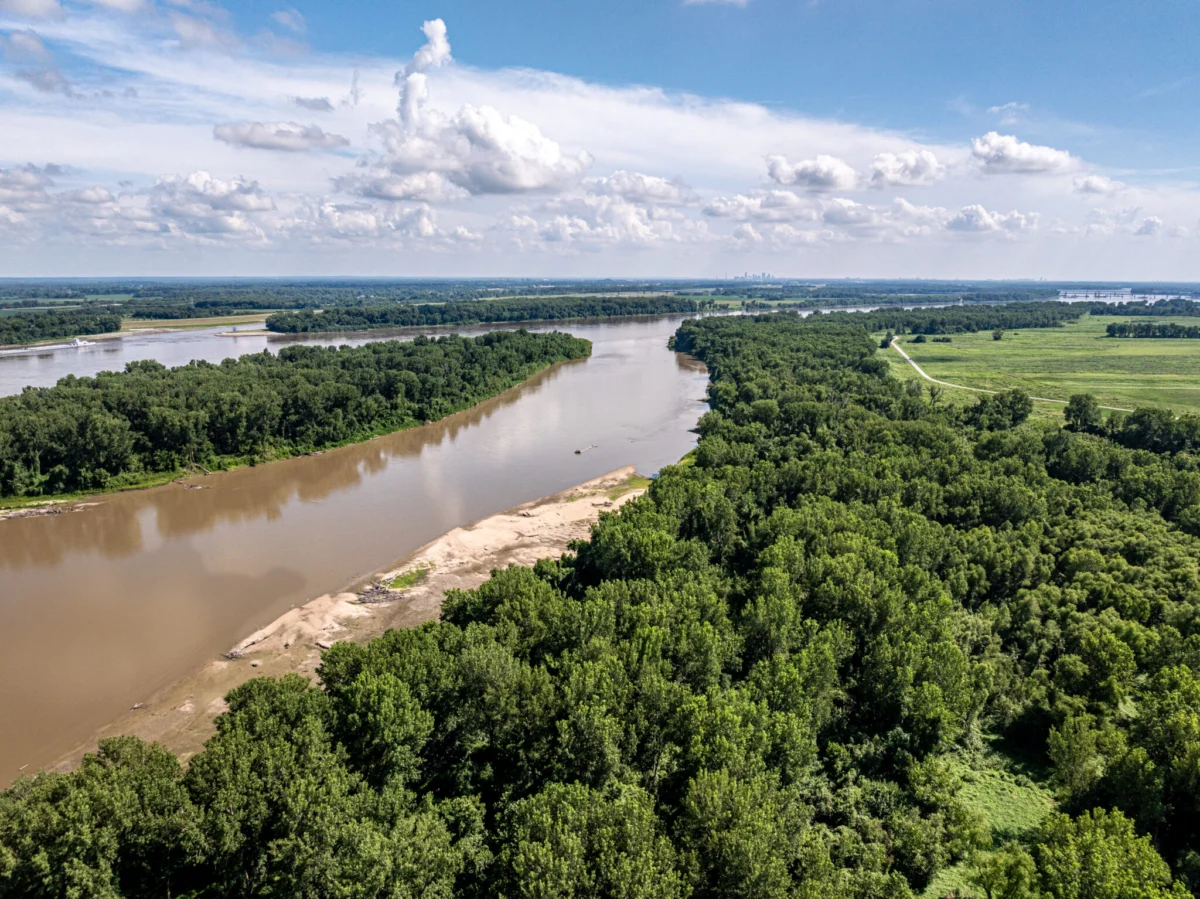
From its crystalline, snowflake-fed origins in the high-altitude wilderness of Montana’s Rocky Mountains to its turbulent, sediment-heavy confluence with the Mississippi River in St. Louis, the Missouri River—affectionately and historically known as the “Big Muddy”—is more than just a waterway. It is the lifeblood of the American heartland, a 2,341-mile ribbon of ecological, economic, and cultural significance. However, as the 21st century progresses, this iconic river faces an existential crossroads: balancing the demands of modern infrastructure with the urgent necessity of ecological restoration.
A Legacy of Resilience and Expansion
For millennia, the Missouri River has been a corridor of life. Long before the arrival of European settlers, twenty-nine Tribal Nations recognized the river as a foundational element of their existence, maintaining deep-seated cultural, spiritual, and water rights that remain central to their identity today.
The river’s profile in the American consciousness shifted dramatically with the 1804–1806 "Corps of Discovery Expedition." Meriwether Lewis and William Clark utilized the Missouri as a highway of exploration, providing the young United States with a gateway to the Pacific. This expedition catalyzed the westward expansion of the nation, marking the beginning of an era that would forever alter the river’s character. As settlers flocked to the basin, the river became an engine of commerce, yet the human desire to "tame" the wild flow eventually led to unprecedented intervention.
The Pick-Sloan Era: Engineering a New River
The mid-20th century marked the most significant physical transformation in the river’s history. The Pick-Sloan Flood Control Act of 1944 was a landmark, yet controversial, piece of legislation. Conceived in the wake of devastating floods, the Act authorized the construction of a massive series of dams, reservoirs, and thousands of miles of levees.
The intent was multifaceted: to control catastrophic flooding, provide reliable irrigation for agricultural expansion, ensure consistent commercial navigation for barge traffic, and generate vast quantities of hydroelectric power. While the project succeeded in creating a stable industrial artery, it came at a staggering ecological cost. The “wild and free” nature of the Missouri was essentially extinguished, replaced by a highly engineered plumbing system that constricted the floodplain and severed the river from its natural pulse.
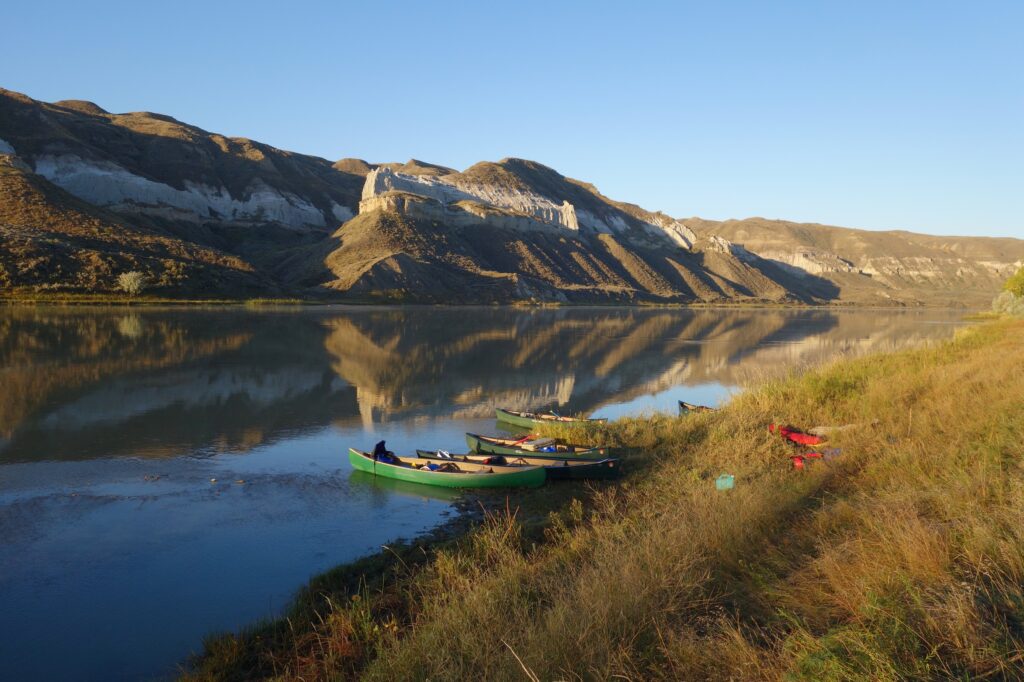
The consequences of these changes were not immediately fully understood, but as the decades passed, the "Big Muddy" began to show signs of systemic fatigue. The loss of historic hydrology, the trapping of vital sediments behind dams, and the destruction of natural sandbars created a crisis for the river’s native inhabitants.
Chronology of Conservation and Restoration
The fight to save the Missouri is a long-standing battle that has evolved alongside our scientific understanding of river health.
- Pre-1944: The Missouri remains a free-flowing, dynamic ecosystem characterized by shifting channels and seasonal flood pulses.
- 1944: Passage of the Pick-Sloan Flood Control Act, initiating the massive dam and levee construction phase.
- Late 20th Century: Recognition of ecological collapse, particularly among species reliant on natural river processes. American Rivers emerges as a leading advocate for the listing of the pallid sturgeon, piping plover, and interior least tern under the Endangered Species Act.
- 2003: Congressional establishment of the Missouri River Recovery Program (MRRP) under the U.S. Army Corps of Engineers (USACE), designed to mitigate the environmental impacts of the river’s management.
- 2020s: Continued focus on the Bank Stabilization and Navigation Project (BSNP) mitigation requirements, with a goal of restoring over 166,000 acres of floodplain.
- 2026: The current era, where climate volatility makes the need for floodplain restoration more critical than ever.
Supporting Data: The Scale of the Challenge
The Missouri River Recovery Program (MRRP) serves as the primary mechanism for institutional change. Its mission is to restore the biological diversity and health of the river while maintaining the flood control and navigation benefits established in the mid-1900s.
According to current assessments, the scope of the required restoration is immense. The BSNP mitigation mandate requires the acquisition and restoration of 166,750 acres of Missouri River floodplains. To date, progress has been made, but stakeholders acknowledge that we are only at the halfway point.
Key Restoration Milestones:
- Successes: The interior least tern has seen a successful recovery and was officially de-listed, a testament to what targeted habitat restoration can achieve.
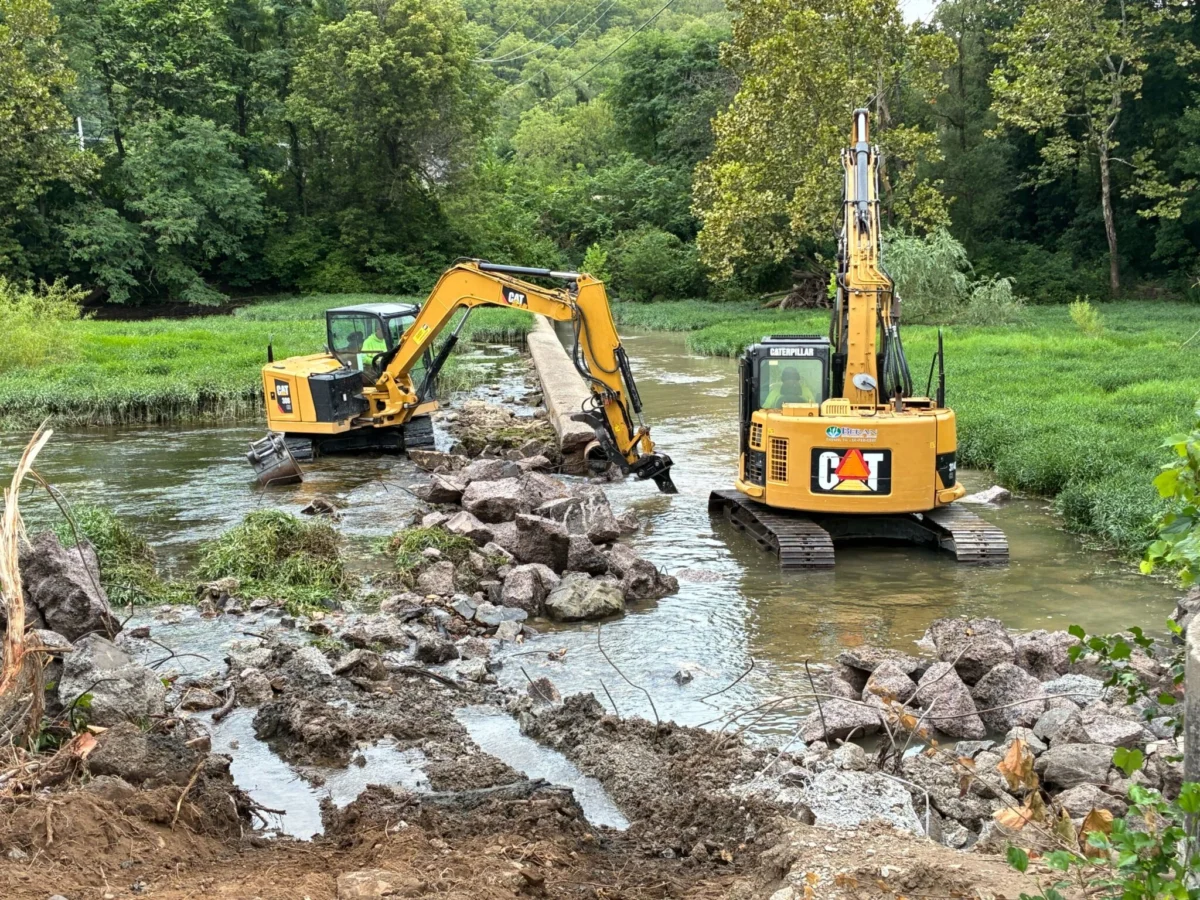
- Ongoing Efforts: Levee-setbacks—a strategy where floodwalls are moved further from the riverbank—are being implemented to allow the river to reconnect with its natural floodplain. This reduces pressure on infrastructure while providing essential spawning and nesting habitat for native species.
- Remaining Gap: Despite these victories, the remaining 80,000+ acres represent the most difficult terrain to acquire and restore, often involving complex negotiations with private landowners and agricultural interests.
Official Responses and Strategic Advocacy
To ensure these restoration goals are met, organizations like American Rivers have stepped into the role of "Fish and Wildlife Stakeholders" within the Missouri River Recovery Implementation Committee (MRRIC). This advisory body provides a platform for non-governmental organizations to influence the U.S. Army Corps of Engineers and other federal agencies.
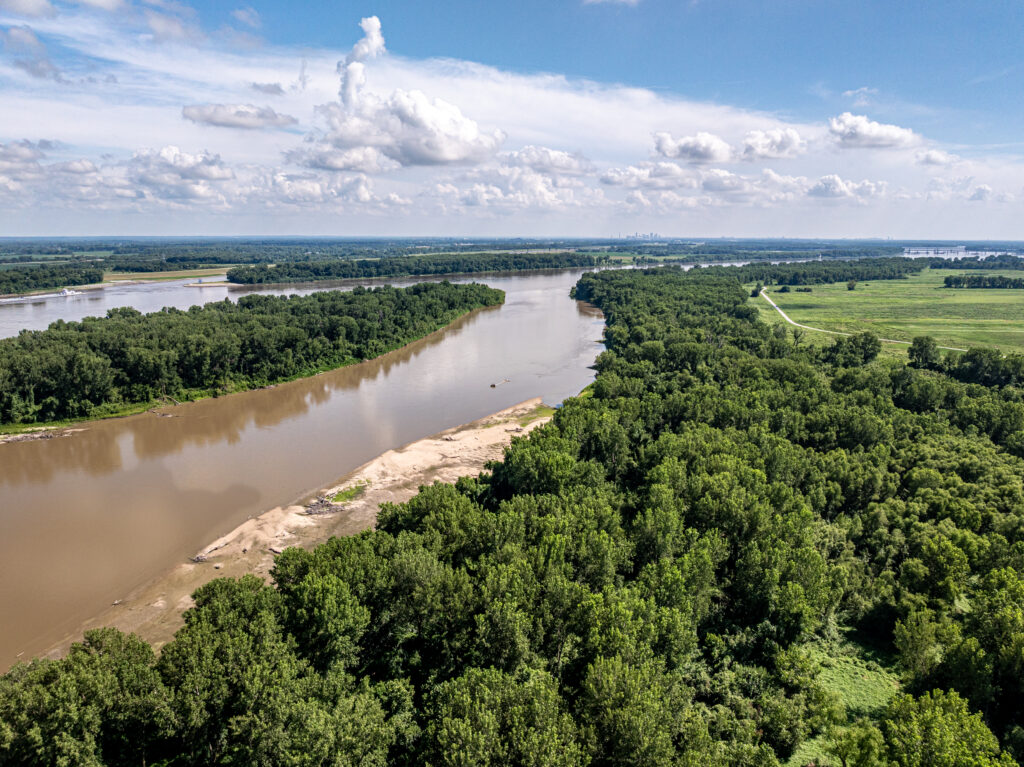
"As an advisory stakeholder, our goal is to bridge the gap between policy and on-the-ground reality," notes the staff at American Rivers. By participating in MRRIC, they advocate for the necessary Congressional funding to keep the BSNP projects on schedule.
The strategy is twofold:
- Policy Influence: Advocating for federal and state policies that prioritize "natural infrastructure"—using floodplains as nature-based solutions to flood risk rather than relying solely on concrete walls.
- Community Engagement: Working with private landowners to utilize U.S. Farm Bill conservation programs, which provide financial incentives for farmers to take marginal, flood-prone land out of production and return it to a natural, restorative state.
The Implications of Inaction
The threats facing the Missouri River are no longer abstract. They are being felt in the form of increasingly erratic and severe weather patterns. Climate change has introduced a new level of volatility, characterized by "flashier" floods and more prolonged, deeper droughts.
When a river is tightly constricted by levees, it loses its ability to absorb excess water, turning a manageable high-water event into a destructive flood. Simultaneously, the lack of healthy, connected floodplains reduces the river’s natural capacity to filter pollutants, threatening the source water for millions of people who live along its banks.
Furthermore, public access to the river for recreation—a key driver of local economies in the Missouri River basin—is becoming increasingly limited. As the river becomes more industrialized and private, the public’s connection to the water weakens.
A Vision for the Future
The path forward requires a paradigm shift. The "Big Muddy" must transition from a river that is merely managed for industrial output to one that is stewarded for ecological resilience.
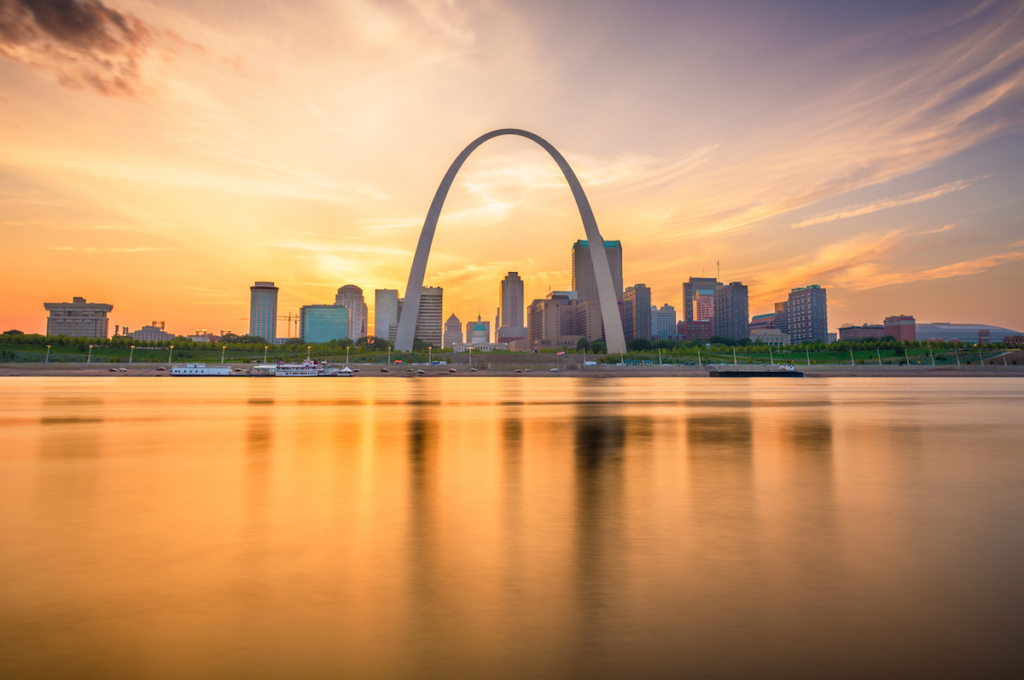
The focus in the coming years will be on accelerating the rate of land acquisitions and restoring the river’s connection to its floodplains. This is not merely an environmental endeavor; it is a public safety and economic necessity. By restoring the floodplain, we provide a buffer against the next great flood, we secure the water supply, and we protect the biodiversity that defines the American West.
The work being done by the MRRIC and its partners serves as a model for how the nation can reconcile its industrial past with a sustainable future. Through proactive policy, strategic restoration, and a commitment to collaborative management, the Missouri River can once again function as a healthy, vibrant artery for the country.
A river as storied and impactful as the Missouri deserves more than a legacy of engineering—it deserves a healthy, functioning, and protected future. As we look toward the next decade, the measure of our success will be our ability to return to the river the space it needs to breathe, flow, and thrive.