For more than half a century, the Endangered Species Act (ESA) has served as the bedrock of American conservation. Signed into law in 1973 with overwhelming bipartisan support, it was designed to be the ultimate safety net, preventing the permanent disappearance of our nation’s most vulnerable flora and fauna. Yet, a recent administrative shift has cast a long shadow over this legacy, sparking a fierce debate about the very definition of survival. By narrowing the legal definition of "harm" to exclude the destruction of habitat, federal authorities have effectively dismantled one of the most critical protections that allowed the ESA to function for decades.
The Foundation of Protection: Defining "Harm"
At the heart of the ESA’s success has been a robust, science-based interpretation of what constitutes a threat to an endangered species. The law was never meant to simply protect individual animals from direct physical injury; it was meant to protect the ecosystems that sustain them. The Supreme Court and the U.S. Fish and Wildlife Service have long held that "harm" includes significant habitat modification or degradation that kills or injures wildlife by impairing essential behavioral patterns, including breeding, feeding, or sheltering.
This interpretation acknowledged a fundamental ecological reality: you cannot save a species if you destroy its home. By stripping "habitat" from the definition of "harm," the current administration has created a regulatory loophole that leaves vast swaths of vital, protected territory vulnerable to industrial development, extraction, and degradation.
A Chronology of Conservation and Conflict
To understand the gravity of this change, one must look at the timeline of the ESA’s evolution:
- 1973: The Endangered Species Act is signed into law, establishing a federal mandate to protect species "in danger of extinction throughout all or a significant portion of their range."
- 1970s–1990s: Decades of legal precedent solidify the "harm" definition, confirming that the loss of a nesting ground or a spawning stream is equivalent to direct harm to the species.
- 2025: The Roanoke logperch is officially delisted, a monumental success story achieved by removing four obsolete dams and reconnecting over 100 miles of habitat—a perfect example of habitat restoration as a conservation tool.
- 2026 (Last Month): The administration issues a rule change, officially narrowing the definition of "harm" under the ESA, effectively excluding habitat degradation from the scope of prohibited actions.
This shift marks a significant departure from the bipartisan spirit that birthed the act. It signals a move toward prioritizing short-term industrial expansion over the long-term biological integrity of American waterways.
The Freshwater Crisis: Mussels and Beyond
While all endangered species face threats, those residing in freshwater environments are experiencing a disproportionate rate of decline. According to the World Wildlife Fund, freshwater biodiversity is plummeting faster than that of terrestrial or oceanic species.
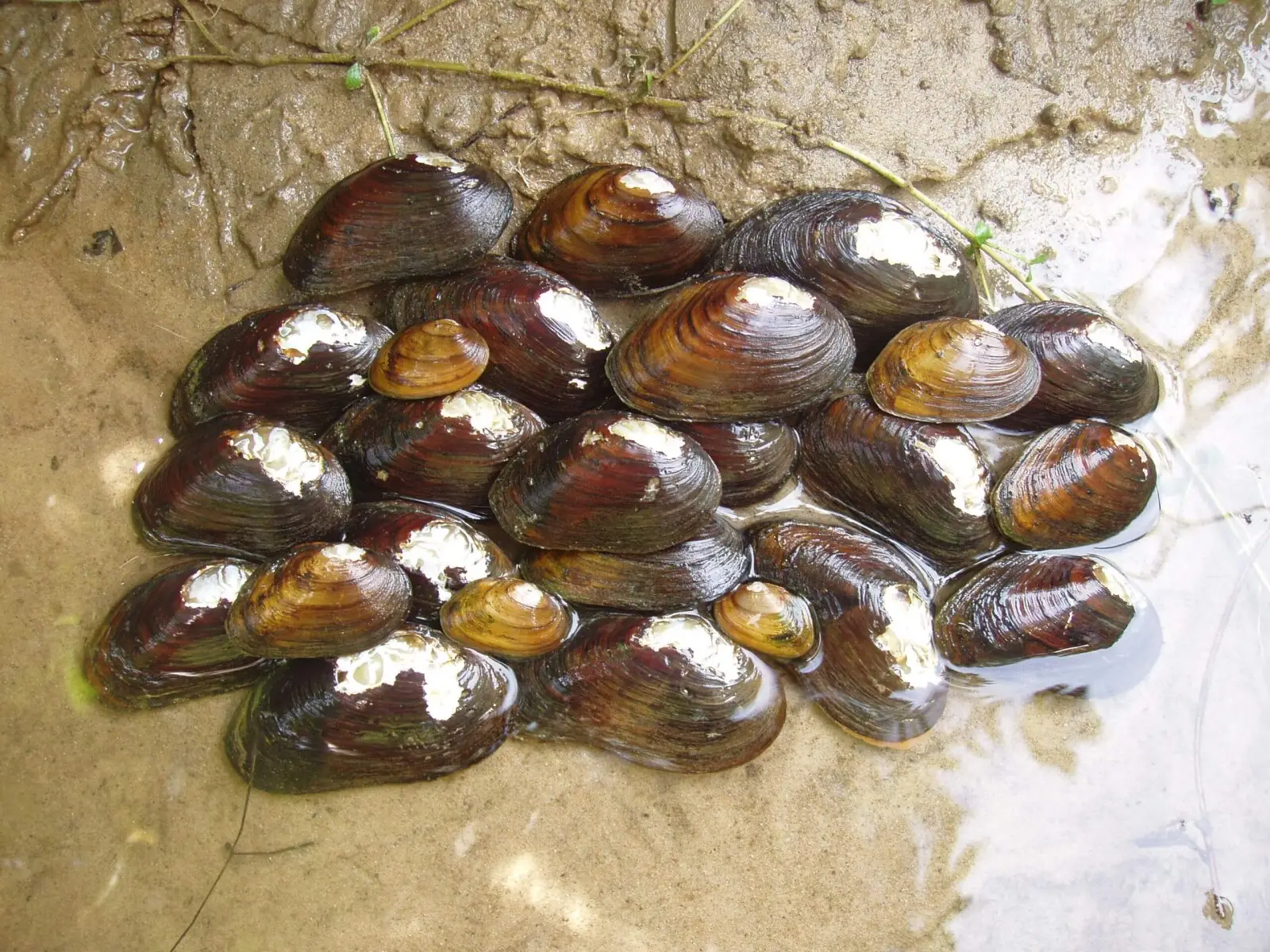
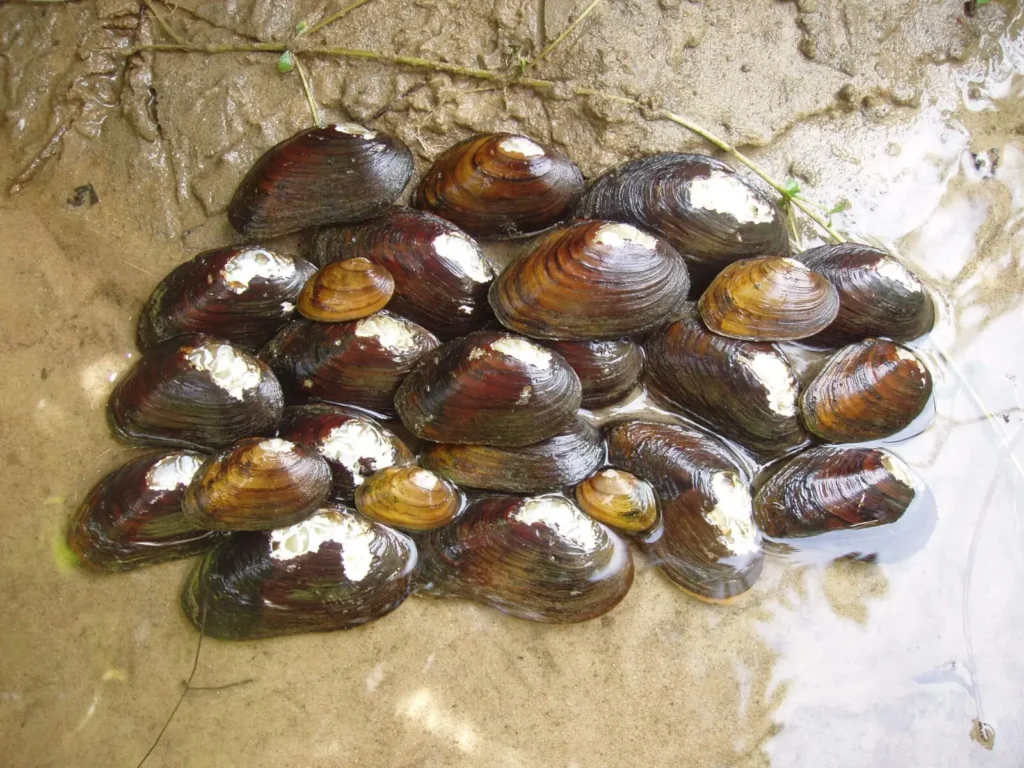
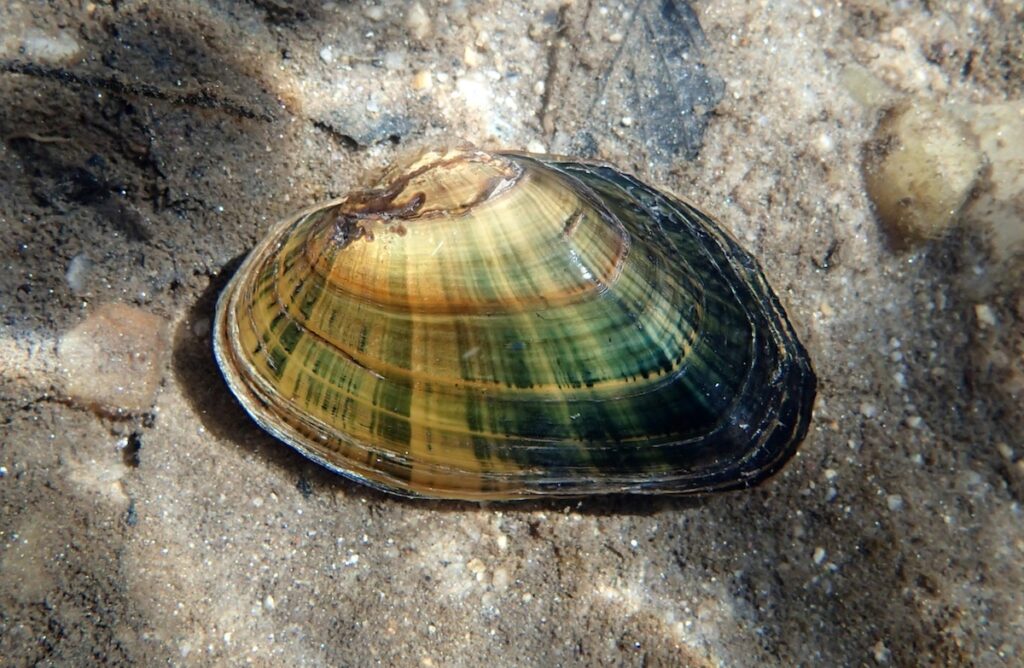
Among the most vulnerable are freshwater mussels. Often overlooked, these creatures are the unsung heroes of our river systems. As natural filter-feeders, a single mussel can process up to 30 gallons of water a day, stripping away harmful pathogens like E. coli and regulating sediment levels. Their life cycle is a complex biological marvel, often requiring them to "hitch a ride" on specific host fish to navigate upstream and colonize new territory.
When rivers are dammed, polluted, or dredged, these mussels have nowhere to go. Their stationary nature makes them uniquely sensitive to the "habitat destruction" that is now essentially permitted under the new regulatory framework. If we cannot protect the rivers, we cannot save the mussels—and if we lose the mussels, we lose the very filters that keep our water clean for human use.
Supporting Data: The Cost of Habitat Loss
The scientific consensus is overwhelming: habitat loss is the leading driver of global extinction. The statistics regarding freshwater ecosystems are particularly alarming:
- Quarter of the World’s Species: Approximately 25% of the world’s freshwater wildlife is currently at risk of extinction.
- The Habitat Connection: Studies indicate that for every acre of wetland or riverbank destroyed, the carrying capacity for local biodiversity drops by a measurable percentage.
- Economic Value of Ecosystem Services: Beyond the intrinsic value of these species, the ecosystem services provided by healthy rivers—clean water filtration, flood control, and recreational tourism—are valued at billions of dollars annually.
The Roanoke logperch case serves as the counter-argument to the current policy change. By investing in habitat reconnection rather than industrial encroachment, federal agencies proved that species recovery is not only possible but economically and socially viable. The success of the logperch highlights that when the law treats habitat as a protected sanctuary, recovery is a realistic goal.
Official Responses and Political Implications
The administration’s move has drawn sharp criticism from environmental organizations and legal scholars who argue that the change is both unscientific and legally suspect. Critics point out that the Supreme Court has previously upheld the broader definition of "harm," suggesting that this regulatory rollback may face significant legal challenges in the coming years.
On the other side of the aisle, some industry representatives argue that the previous definition of "harm" was too broad, creating "regulatory uncertainty" that stifled infrastructure projects and energy development. They contend that the new rule provides a clearer, more predictable framework for developers.
However, conservationists argue that "predictability" for industry should not come at the expense of permanent biological loss. The implication of this rule change is a "death by a thousand cuts." If large-scale industrial projects can now proceed in protected areas without the fear of legal repercussions for habitat destruction, the cumulative impact will be the fragmentation of the last remaining wild corridors in the United States.
The Path Forward: Why We Must Act
The removal of habitat protections is not merely a bureaucratic technicality; it is a fundamental shift in the American approach to nature. By decoupling a species from its environment, we are attempting to manage life in a vacuum, a strategy that has failed time and again in history.
To reverse this trend, a coalition of local, state, and federal agencies must recommit to the original vision of the Endangered Species Act. This requires:
- Restoring the "Harm" Definition: Legislators and agency leaders must be pressured to reinstate the full, scientifically accurate definition of harm that includes habitat degradation.
- Strategic Habitat Restoration: Following the Roanoke logperch model, we must prioritize the removal of obsolete infrastructure and the restoration of natural river flows.
- Public Advocacy: The public must understand that the health of our rivers is inextricably linked to our own health. When we protect the Eastern Hellbender or the James River Spinymussel, we are protecting the water that flows through our own taps.
The clock is ticking for thousands of species. The extinction crisis is not an abstract future threat; it is happening in our backyards, in our streams, and in our rivers right now. We have the tools, the data, and the legal precedent to ensure these species survive for another 50 years and beyond. What remains to be seen is whether we have the political will to prioritize the survival of our natural heritage over the convenience of short-term exploitation.
Saving species requires saving their homes. Without a commitment to habitat, the Endangered Species Act loses its teeth, and we risk turning our nation’s vibrant, living rivers into sterile conduits for development. The time to speak up for the voiceless is now.