East Africa is defined by its dramatic geological history, a landscape scarred and sculpted by the tectonic forces of the Great Rift Valley. Today, these ancient volcanic landscapes have transformed into the continent’s premier ecotourism destinations, offering travelers a rare intersection of adventure, conservation, and cultural immersion. From the snow-capped peak of Mount Kilimanjaro to the verdant, gorilla-inhabited slopes of Rwanda’s Volcanoes National Park, the region invites explorers to step into a world where nature remains both raw and protected.
The Geological Foundations of East African Ecotourism
The East African Rift is not merely a geological feature; it is the cradle of human history and the engine of the region’s biodiversity. The volcanic activity that shaped this region created a chain of mountains, craters, and calderas that offer unparalleled opportunities for sustainable travel.
Tanzania, in particular, stands as a titan of volcanic geography. It is home to iconic landmarks such as Mount Kilimanjaro, Mount Meru, and the mysterious, active volcano Oldonyo Lengai—often referred to as the "Mountain of God." These sites are not just tourist attractions; they are ecological hotspots that support unique flora and fauna, serving as the backbone for the country’s burgeoning ecotourism industry.
Chronology of the East African Ecotourism Movement
The evolution of tourism in this region has seen a deliberate shift away from extractive, high-impact safari models toward a more nuanced, responsible approach.
- The Early Conservation Era (1960s–1980s): Initial tourism was largely centered on "Big Five" game viewing in the Serengeti and Ngorongoro. Volcanic regions were viewed primarily as scenic backdrops.
- The Rise of Sustainable Adventure (1990s–2000s): As awareness of climate change and environmental degradation grew, the focus shifted to low-impact activities like trekking and mountain climbing. The establishment of better-regulated trails on Mount Kilimanjaro and Mount Meru set the standard for regional trekking.
- The Modern Ecotourism Integration (2010s–Present): Today, the industry emphasizes "responsible travel." This involves not just visiting a site, but actively contributing to the conservation of the ecosystem and the economic upliftment of indigenous populations, such as the Maasai, through community-led tourism initiatives.
Supporting Data: Mapping the Ecotourism Hotspots
For the modern traveler, East Africa offers a diverse array of volcanic experiences. Below are the premier destinations that anchor this sustainable travel movement:
1. The Crown Jewels: Kilimanjaro and Meru
Mount Kilimanjaro remains the pinnacle of African trekking. Whether choosing the Lemosho route—known for its breathtaking scenery—or the rapid, high-altitude challenges of the ice-field expeditions, these climbs are managed under strict environmental guidelines. Mount Meru, often treated as a warm-up for its larger neighbor, offers an incredible walking safari experience through Arusha National Park, providing a vital acclimatization period for climbers.
2. The Ngorongoro Highlands
The Ngorongoro Conservation Area is perhaps the best example of human-wildlife cohabitation. Beyond the famous crater, the highlands offer trekking through the Olmoti and Empakai craters. These areas are not just geological wonders; they are vital trekking routes where visitors can engage in walking safaris that minimize carbon footprints while maximizing interaction with the local environment.
3. The Primate Strongholds: Rwanda and Uganda
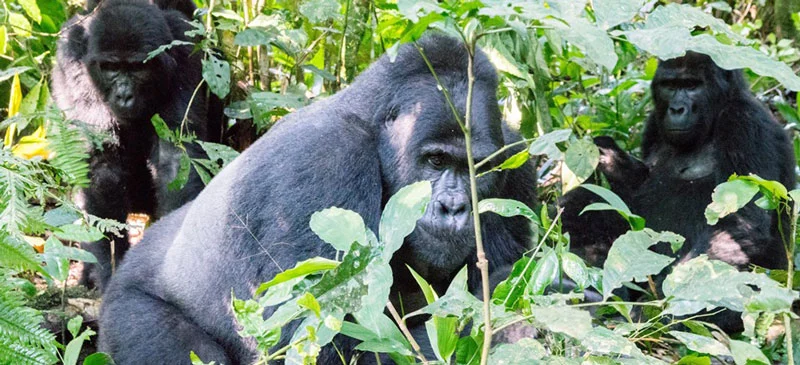
Volcanoes National Park in Rwanda has become the global benchmark for primate-focused ecotourism. Gorilla tracking here is a highly controlled, high-value, low-impact activity. The revenue generated from these permits is directly reinvested into the conservation of the endangered mountain gorilla and the welfare of local communities, proving that wildlife is worth more alive than dead.
Official Perspectives: The Ethics of Responsible Travel
True ecotourism is defined by four pillars: traveling responsibly, exploring natural areas, conserving the environment, and supporting local communities. According to industry leaders at Kilimanjaro Tanzanite Safaris DMC, the modern traveler is increasingly looking for "value-added" experiences that go beyond mere sightseeing.
"When you visit a Maasai Boma in the Ngorongoro region, you aren’t just observing culture; you are directly participating in an economic exchange that preserves traditional knowledge," says a spokesperson for the organization. "By choosing eco-lodges and tented camps that utilize renewable energy and waste management systems, travelers contribute to the long-term viability of the region."
The shift toward "photographic safari combos" is also gaining momentum. By combining a strenuous Kilimanjaro expedition with a serene gorilla trek in Rwanda, travelers can experience the full spectrum of East African biodiversity in a single, well-planned itinerary. This strategy also reduces the overall environmental impact per day by centralizing travel logistics and utilizing local, professional guides who are trained in conservation ethics.
Implications for the Future of East African Travel
The push toward sustainable, volcanic-centered tourism has profound implications for both the environment and the local economy.
Economic Resilience
By diversifying the tourism product—moving from simple game drives to complex trekking, primate, and cultural tours—nations like Tanzania and Rwanda are creating a more resilient industry. An 8 to 14-day itinerary that incorporates volcanoes, local villages, and wildlife preserves ensures that tourist spending is distributed across a wider range of service providers, from mountain porters to community-based craft cooperatives.
Environmental Stewardship
The focus on "nature trekking" as a primary activity is inherently more sustainable than heavy-duty, off-road vehicle tourism. Walking safaris in the Udzungwa Mountains or the Ngorongoro Highlands encourage a deeper appreciation for the micro-ecosystems that are often missed from the window of a Land Cruiser. This heightened awareness often translates into increased support for conservation NGOs and habitat protection initiatives.
The Challenges Ahead
Despite the growth, the region faces significant challenges. Climate change is impacting the ice fields of Kilimanjaro, and the pressure on primate habitats requires constant vigilance against encroachment. Furthermore, the industry must continue to combat "greenwashing" by ensuring that advertised eco-lodges truly meet international sustainability standards.
Organizations like Kilimanjaro Tanzanite Safaris DMC play a critical role here, acting as a filter for travelers by curating experiences that partner only with legitimate, high-standard eco-operators. This ensures that the money spent by the tourist is actually aiding in the preservation of the landscape rather than contributing to its degradation.
Conclusion: Planning Your Volcanic Expedition
East Africa is a region that rewards the curious and the conscious. Whether you are aiming to summit the "Roof of Africa," tracking gorillas through the mist-covered jungles of the Virunga Mountains, or walking the ancient floors of the Empakai crater, your journey can be a force for good.
As you plan your next adventure, consider the long-term impact of your footprint. By opting for longer, multi-destination trips—such as a 12-day combo of a Kilimanjaro climb followed by a Rwanda gorilla trek—you gain a deeper understanding of the geological and cultural complexity of the region. You contribute to the protection of the environment, support the livelihoods of the local people, and walk away with an experience that is as profound as it is memorable.
The fire of the volcano and the serenity of the mountain are waiting. Through responsible travel, we ensure they remain there for generations to come. For those ready to begin their journey, professional guidance in selecting quality, sustainable, and affordable eco-lodges is the first step toward a transformative African safari experience.