The Canadian Rockies are often synonymous with towering peaks and glacial lakes, but for those who know where to look, the true treasures are the quiet, winding veins of water that slice through the foothills. Among these, the Blackstone River in Alberta stands as a testament to the raw, unrefined beauty of the Canadian wilderness. It is a waterway that demands patience, rewards the observant, and offers one of the most unique angling experiences in the province: the pursuit of the Bull Trout on a dry fly.
The Setting: A Morning on the Blackstone
The experience began at the crack of dawn, well before the sun had fully crested the foothills. Waking up in a tent at 30 degrees Fahrenheit, shivering against the biting Alberta morning air, is a rite of passage for any backcountry angler. Our campsite, a modest gravel bar perched along the Blackstone, was a testament to our late-night arrival the previous evening. Having navigated the Forestry Trunk Road well after dark, the setup had been hurried and clumsy, leaving us with a chaotic camp and high expectations for the morning.
The Blackstone River, located northwest of Nordegg, is a modest stream by geographic standards. Spanning approximately 20 meters across, it lacks the thunderous rapids of major mountain rivers, opting instead for a steady, meandering rhythm. It is a classic foothill stream, characterized by deep, clear pools and structure-heavy banks. For the fly-fisher, it is the perfect laboratory.
Chronology of the Expedition
The morning ritual—a noisy, deliberate affair designed to rouse a notoriously sluggish companion—marked the beginning of our day. Once the gear was sorted and the caffeine had taken effect, we hit the water.
The First Stretch
The initial hour of fishing was characterized by the quiet frustration of the hunt. We worked our way downstream, testing the waters with a variety of patterns, yet the river remained tight-lipped. It wasn’t until we rounded a bend that we encountered a pool that felt different. The water here moved with a subtle, rhythmic grace, and almost immediately, the surface tension was broken by the rise of a fish.
The Breakthrough
Observing the rise forms, it became clear that the trout were actively feeding on the surface. We transitioned from exploratory casting to a strategic assault on the pool. We began with traditional prospector patterns—the Red Humpy and the Stimulator—but the fish remained indifferent.
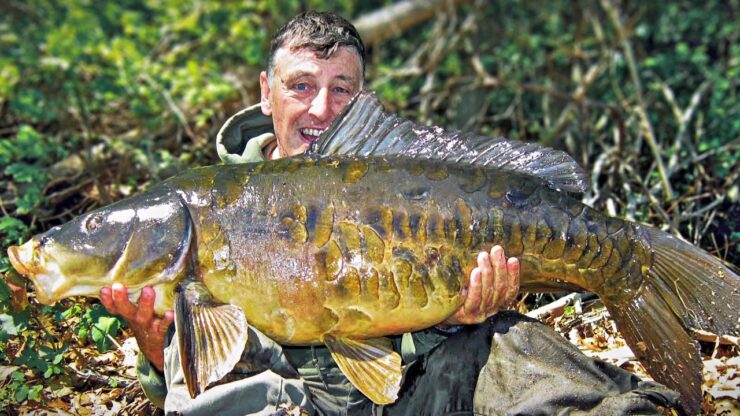
A switch to a Pale Morning Dun proved to be the catalyst. Before I could even select a new fly from my own kit, a shout from upstream signaled success. My brother had connected with a magnificent, 20-inch Cutthroat. In our excitement, we realized a crucial oversight: in our rush to the water, the landing net had been left behind. Despite the lack of proper gear, we successfully maneuvered the fish to the shallows. It was a healthy, vibrant specimen that epitomized the quality of the Blackstone’s fishery.
The Bull Trout Encounter
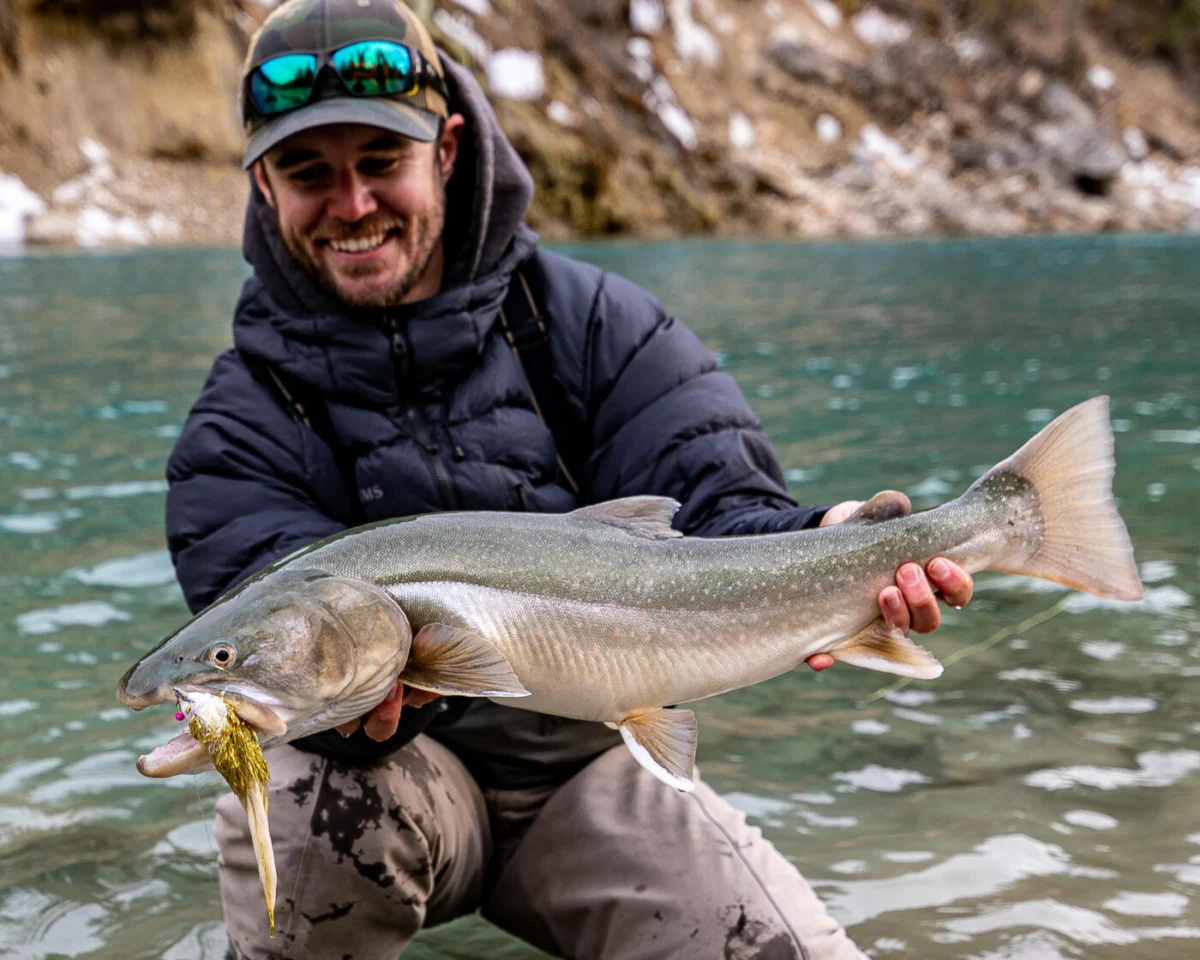
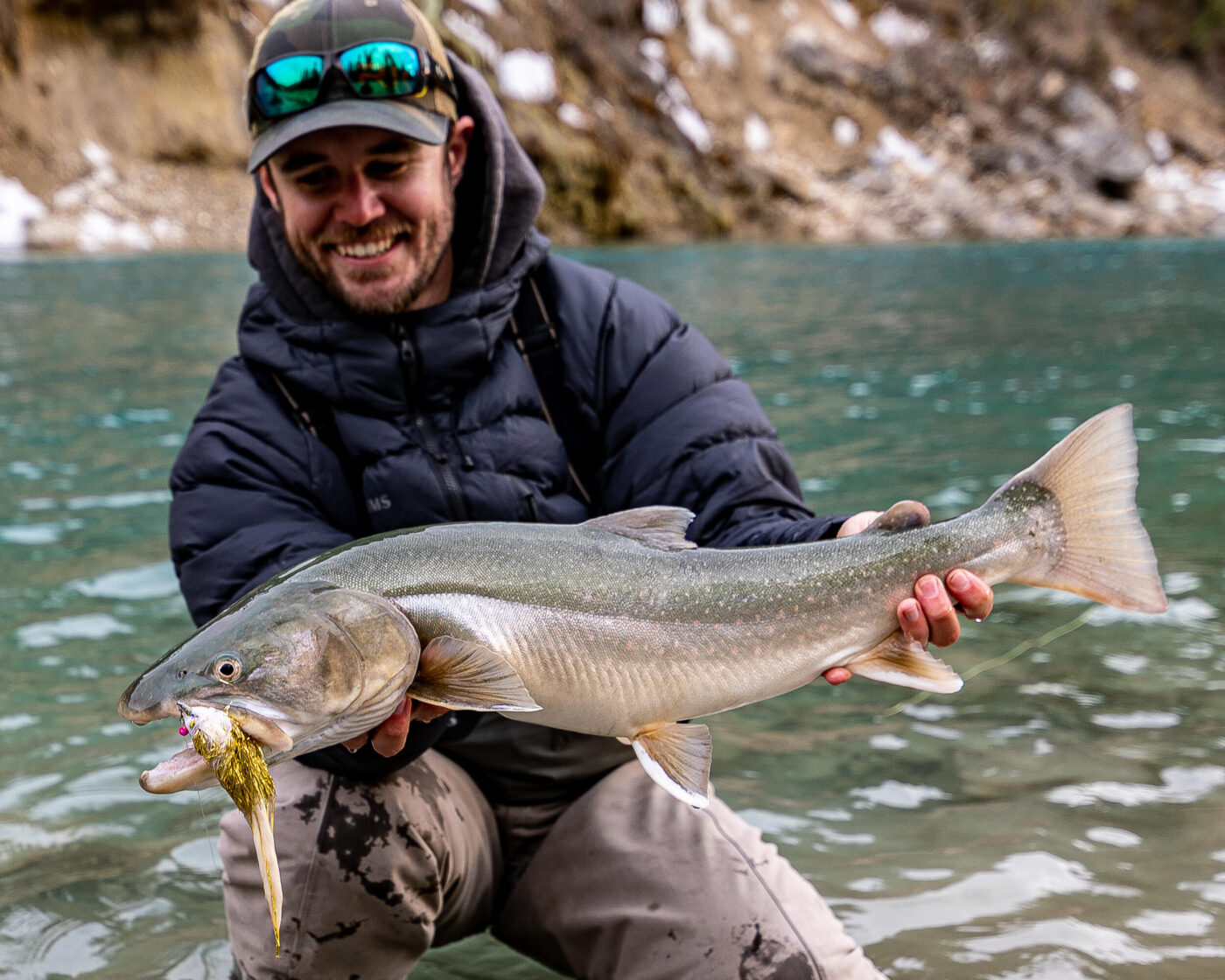
As the day warmed, the mission shifted. I wanted to test the legendary claim, popularized by Barry Mitchell’s guidebook, that the Blackstone is home to Bull Trout that will rise to a dry fly. I tied on a "Fat Albert," a large terrestrial pattern designed to imitate the substantial insect life that occasionally drifts across the surface.
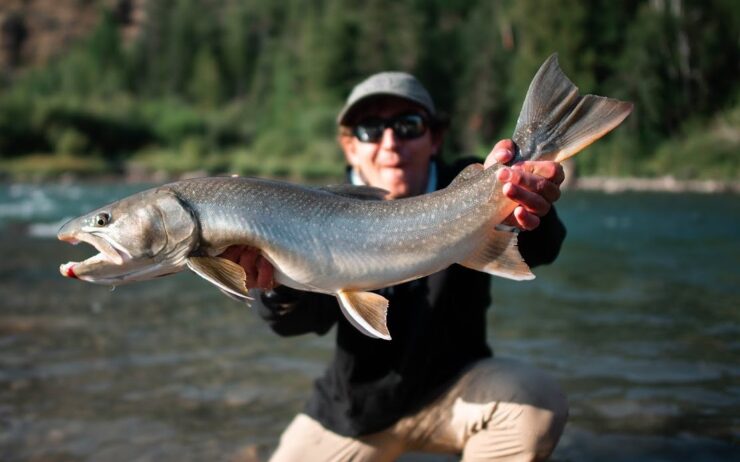
The strategy was simple: mimic the aggressive, predatory nature of the Bull Trout. As the fly drifted through the tail of the pool, I prepared to swing it back upstream. Suddenly, the surface exploded. It was one of the most violent and decisive takes I have ever witnessed. After a spirited fight, a healthy Bull Trout was brought to hand. It was a moment that validated years of angling lore and proved that, under the right conditions, the Blackstone’s predators are willing to engage with surface flies.
Supporting Data and Tackle Selection
Successful fly fishing is rarely about the quantity of equipment; it is about the efficacy of the gear. Our setup for this trip was utilitarian, focused on reliability over aesthetic excess.
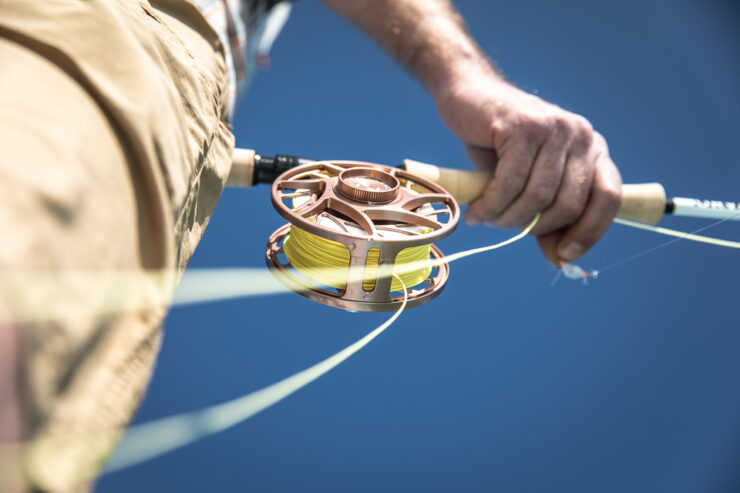
- Rod Selection: I utilized a 9-foot, five-weight Echo Carbon XL, paired with a Redington Crosswater reel. It is a workhorse combination that handles the unpredictable currents of the foothills with ease. My brother employed a standard Cabela’s five-weight outfit, a "cobbled-together" rig that performed admirably under pressure.
- Fly Strategy: The philosophy of the trip was minimalism. Carrying a massive, cumbersome fly box often leads to "analysis paralysis." Instead, we relied on three distinct categories:
- Dry Flies: Standard Alberta foothill patterns, including Humpies, Stimulators, and various mayfly imitations like the Pale Morning Dun.
- Nymphs: A focused selection of bead-head patterns to probe the deeper, slower sections of the river.
- Terrestrials: Large, buoyant patterns like the Fat Albert, which proved essential for coaxing the Bull Trout to the surface.
Official Perspectives and Conservation
While guides like Barry Mitchell’s have long served as the gospel for Alberta anglers, it is important to note that environmental conditions and fish populations shift over time. The "exclusivity" of the Blackstone as a dry-fly Bull Trout fishery is a subject of debate among local experts.
The Bull Trout (Salvelinus confluentus) is a sensitive species, designated as "Threatened" in many parts of its range. Alberta Environment and Parks maintains strict catch-and-release regulations for the species. The experience of catching a Bull Trout on a dry fly—while exhilarating—must always be framed within the context of ethical angling. Handling these fish requires the utmost care: minimizing air exposure, using barbless hooks, and, as we learned the hard way, ensuring you have a proper rubberized net to keep the fish submerged.
Implications for the Modern Angler
The Blackstone River serves as a poignant reminder that the most rewarding fishing experiences are often found in the "in-between" places—not the famous, high-traffic rivers of the Rockies, but the smaller, quieter streams of the foothills.
The Lessons Learned
- Preparation is Paramount: Forgetting a net is more than an inconvenience; it is a failure of fish-first ethics. Always double-check your pack before leaving the campsite.
- Adaptability Wins: We moved from small mayfly imitations to large, splashy terrestrials to entice the Bull Trout. The ability to pivot based on the behavior of the fish is what separates a successful day from a blank one.
- Respect the Resource: The Blackstone is a fragile ecosystem. With the increase in popularity of backcountry recreation, it is incumbent upon anglers to practice "Leave No Trace" principles, particularly at river access points like the gravel bars off the Forestry Trunk Road.
Conclusion
The Blackstone River is more than just a destination; it is a classroom. Whether you are chasing the aggressive strikes of a Bull Trout or the subtle sipping of a Cutthroat, the river offers a masterclass in patience and precision. While the gear, the flies, and the techniques are important, the true value of the Blackstone lies in the connection between the angler and the environment. As I look back on that crisp morning, the memory of that aggressive rise is not just a trophy of the sport, but a reminder of why we venture into the wild: to witness nature in its most raw and beautiful form.
For those planning to visit, pack light, bring a net, and treat the water with the reverence it deserves. The Blackstone might be a small river, but it holds secrets that are well worth the effort of discovery.