Mount Kilimanjaro, the "Roof of Africa," stands as a sentinel of biodiversity and a magnet for adventurers worldwide. While the mountain boasts several access points, the Lemosho route has emerged as the premier choice for trekkers seeking a blend of untouched wilderness, superior acclimatization, and unparalleled photographic opportunities. For those planning an expedition, understanding the nuance of this route—specifically the choice between a seven-day and an eight-day itinerary—is the difference between a challenging trek and a triumphant summit.
Main Facts: The Lemosho Advantage
The Lemosho route is frequently lauded by mountaineering experts for its "low-traffic" status compared to the more congested paths like the Marangu or Machame. Because it approaches from the west, the trail offers a pristine, remote beginning that allows hikers to immerse themselves in the ecological diversity of the mountain before joining the busier circuits.
The core appeal of Lemosho lies in its success rate. Because the route offers a gradual elevation gain, it provides the human body with the necessary window to adjust to thinning oxygen levels. While a seven-day trek is feasible, professional guides and seasoned mountaineers consistently recommend the eight-day itinerary. This extra 24-hour period is not merely a luxury; it is a strategic investment in physiological stability, allowing for better acclimatization and significantly higher summit success rates.
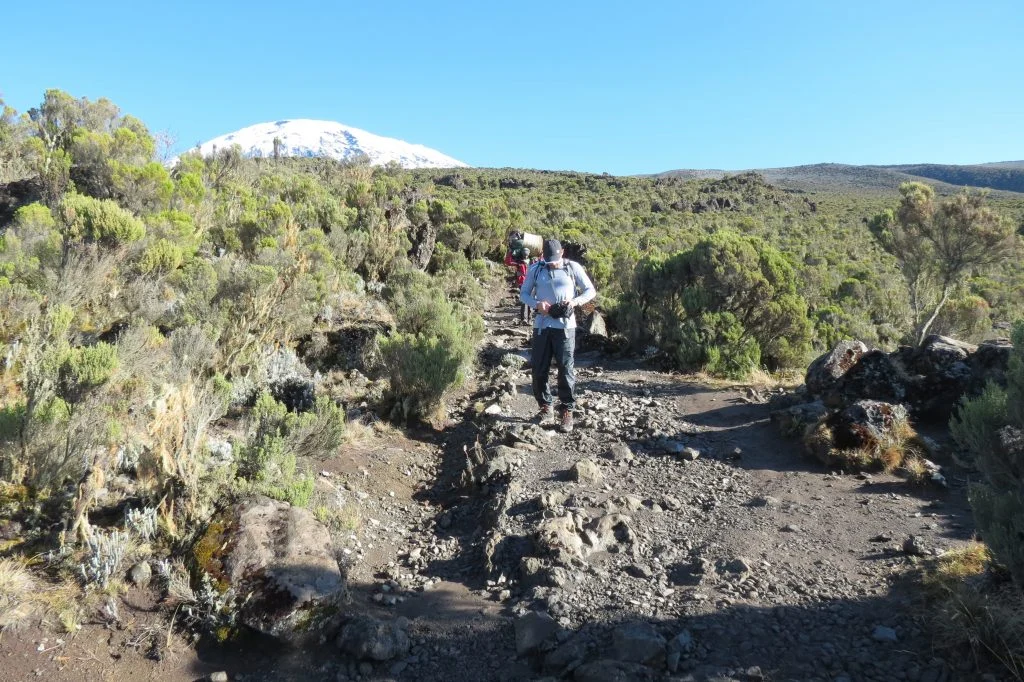
For those committed to the principles of ecotourism—minimizing environmental impact while maximizing the appreciation of natural landscapes—Lemosho serves as a masterclass in Tanzanian ecology. The trail transitions through lush rainforests, giant heather moorlands, and high-alpine deserts, each stage offering distinct, camera-ready vistas that define the "photographic safari" experience.
Chronology: A Day-by-Day Expedition Guide
A successful Kilimanjaro climb is a symphony of preparation and endurance. Below is the standard trajectory for the Lemosho route, adapted to prioritize safety and peak experience.
Phase 1: The Gateway and The Forest (Days 1–2)
- Day 1: The journey begins with a transfer from Moshi or Arusha to the Londorosi Park Gate (2,250m). A 4WD vehicle maneuvers through the forest tracks to Lemosho Glades. The initial hike takes you to the Mti Mkubwa (Big Tree) camp at 2,750m, a three-hour trek that serves as a gentle introduction to the mountain’s verticality.
- Day 2: The terrain shifts as you enter the giant heather moorland zone. You will cross several streams, ascending to the Shira Ridge (3,600m) before descending into Shira 1 camp (3,500m). This day is critical for establishing the rhythm of the climb.
Phase 2: Acclimatization and High-Altitude Preparation (Days 3–4)
- Day 3: A gentle traverse across the Shira Plateau leads to Shira 2 camp (3,850m). This plateau offers varied terrain, making it the ideal location for "climb high, sleep low" acclimatization walks.
- Day 4: The trek moves eastward toward Kibo. You will pass the junction toward the iconic Lava Tower before descending to the Barranco Hut (3,940m). For the eight-day itinerary, the inclusion of an extra night at Karanga Camp (following the descent from Barranco) is the "secret weapon" for success, providing a vital rest period before the final push.
Phase 3: The Summit Push and Descent (Days 5–7)
- Day 5: After navigating the Great Barranco Wall, you traverse ridges to reach the Karanga Valley (4,000m). The final push leads to the barren, windswept Barafu Hut (4,600m). This serves as the base camp, where sleep and energy preservation are paramount.
- Day 6: The summit day. An early start (often near midnight) allows for an ascent to the Kibo Crater rim. Traversing between the Rebmann and Ratzel Glaciers, trekkers reach Uhuru Peak (5,895m). The reward is the sunrise over the African plains. The descent then leads to Mweka Hut.
- Day 7: The final descent through the forest leads back to the park gate, marking the conclusion of the adventure and the start of the celebration.
Supporting Data: The Case for Professional Logistics
Climbing Kilimanjaro is not merely an athletic endeavor; it is a logistical operation. Kilimanjaro Tanzanite Safaris, a DMC (Destination Management Company) with a long-standing reputation in the region, emphasizes that the difference between a failed climb and a successful one often lies in the quality of support.
When evaluating trekking packages, travelers should ensure that the following are included:
- Safety Protocols: Emergency oxygen bottles and pulse oximeters are non-negotiable for monitoring blood-oxygen saturation levels.
- Medical Insurance: Inclusion of AMREF Flying Doctor Air Rescue insurance provides peace of mind in high-altitude environments.
- Professional Staff: The salary of guides, porters, and cooks must be transparent and fair, ensuring a sustainable ethical framework for the local economy.
- Equipment: High-quality camping gear and clean, safe water management are the foundations of health on the mountain.
Official Responses and Industry Insights
According to experts at Kilimanjaro Tanzanite Safaris, the trend toward "ecotourism-focused" climbing is rising. Travelers are increasingly moving away from "fast-track" summit attempts in favor of longer, more scenic routes like the Northern Circuit (9 days) or the Rongai route with the Mawenzi Saddle.
"The goal," says a representative from the agency, "is not just to reach the top. It is to experience the transition of ecosystems, the silence of the alpine desert, and the camaraderie of the mountain community." By choosing an eight-day itinerary, trekkers report higher levels of satisfaction, reduced symptoms of altitude sickness, and significantly better photographs, as they are not rushing through the most scenic zones of the mountain.
Implications for Future Travelers
As the global interest in Tanzanian tourism grows, the Lemosho route stands as the ideal choice for those who value quality over quantity. However, the implication for prospective climbers is clear: Planning is essential.
Key Considerations:
- Preparation: While specialized training isn’t required, a high level of cardiovascular fitness is recommended.
- Visa and Gear: Remember that international flights, entry visas, and personal climbing gear (e.g., thermal layers, sleeping bags) are typically not included in all-inclusive packages. Renting gear is a popular option for those who do not wish to transport heavy equipment internationally.
- Accommodation: Staying in local eco-resorts or lodges in Moshi before and after the trek provides a meaningful way to contribute to the local economy while acclimatizing in comfort.
A Final Word on Sustainability
The Lemosho route is more than a trail; it is a fragile ecosystem. Travelers are encouraged to work with operators who adhere to "Leave No Trace" principles. By choosing to support local DMCs that prioritize ethical labor practices and environmental conservation, trekkers help ensure that Mount Kilimanjaro remains a majestic, pristine destination for generations to come.
Whether you are a professional photographer seeking the perfect light on the Mawenzi peaks or an adventurer looking to conquer the highest point on the African continent, the eight-day Lemosho route offers the most reliable, scenic, and rewarding pathway to the summit. For those ready to begin their journey, direct communication with established local operators is the first step toward the climb of a lifetime.