For over a quarter-century, the "Roadless Rule" has stood as one of the most significant environmental safeguards in the United States. Enacted in 2001, this landmark policy serves as a protective perimeter for 58.5 million acres of National Forest System lands—stretches of wilderness that remain largely undeveloped, pristine, and vital to the ecological health of the nation.
However, a cloud of uncertainty now looms over these protected landscapes. The U.S. Department of Agriculture (USDA) has signaled an intent to revoke or significantly modify the rule, a move that environmental advocates warn would constitute the largest rollback of protections for rivers and watersheds in American history. As the debate intensifies, the focus has shifted from the well-known wilderness of the American West to the critical, often overlooked, forests of the Eastern United States, where the intersection of public water supplies and protected land is most precarious.
The Foundations of the Roadless Rule: A Historical Overview
To understand the magnitude of the current threat, one must first understand the purpose of the policy. The Roadless Rule was established to maintain the ecological integrity of "Inventoried Roadless Areas" (IRAs). By prohibiting new road construction and commercial timber harvesting within these zones, the Forest Service sought to prevent the fragmentation of large, contiguous forest blocks.
A Chronology of Protection and Policy
- 2001: After years of public comment and debate, the U.S. Forest Service formally adopts the Roadless Area Conservation Rule, protecting 58.5 million acres.
- 2001–2010: The rule faces a gauntlet of legal challenges, including attempts by various states to bypass federal mandates. Throughout this period, the rule survives, reaffirming the federal government’s commitment to managing these lands for long-term health rather than short-term resource extraction.
- 2011–2025: For nearly 25 years, the rule proves its worth. It remains a cost-effective management tool, allowing for reasonable exemptions for public safety, fire mitigation, and emergency access while maintaining the "wild" character of the forests.
- 2026: The USDA announces plans to reconsider the rule, sparking a national outcry from conservationists, local governments, and watershed management agencies who view the policy as a cornerstone of clean water infrastructure.
The rule was never intended to be a "lock-out" of the public. Instead, it was designed as a "lock-in" of environmental stability. It allows for managed access where necessary, but strictly prevents the industrial-scale road building that inevitably leads to soil erosion, habitat destruction, and water degradation.
The Eastern Front: Why the East Matters
While the Roadless Rule is often associated with the expansive, rugged terrain of the Rockies or the Sierra Nevada, its impact on the Eastern United States is profound and distinct. In the East, National Forests are often the primary guardians of the headwaters that feed major urban centers and agricultural basins.
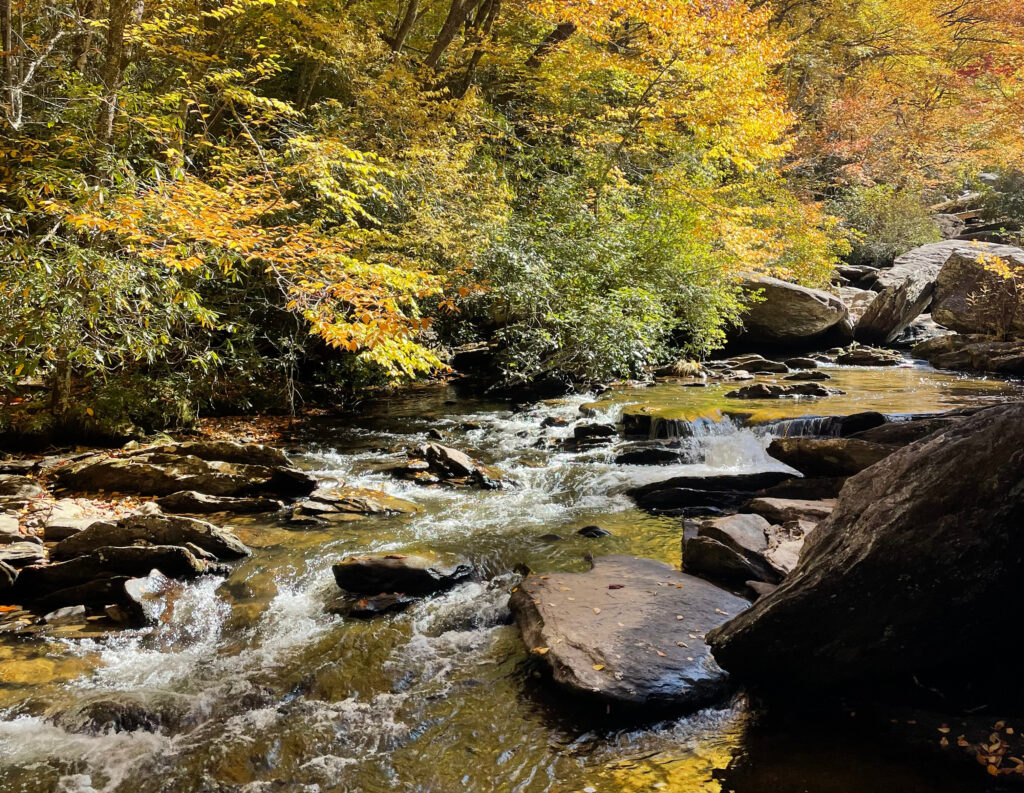
Watershed Security in the Chesapeake Bay
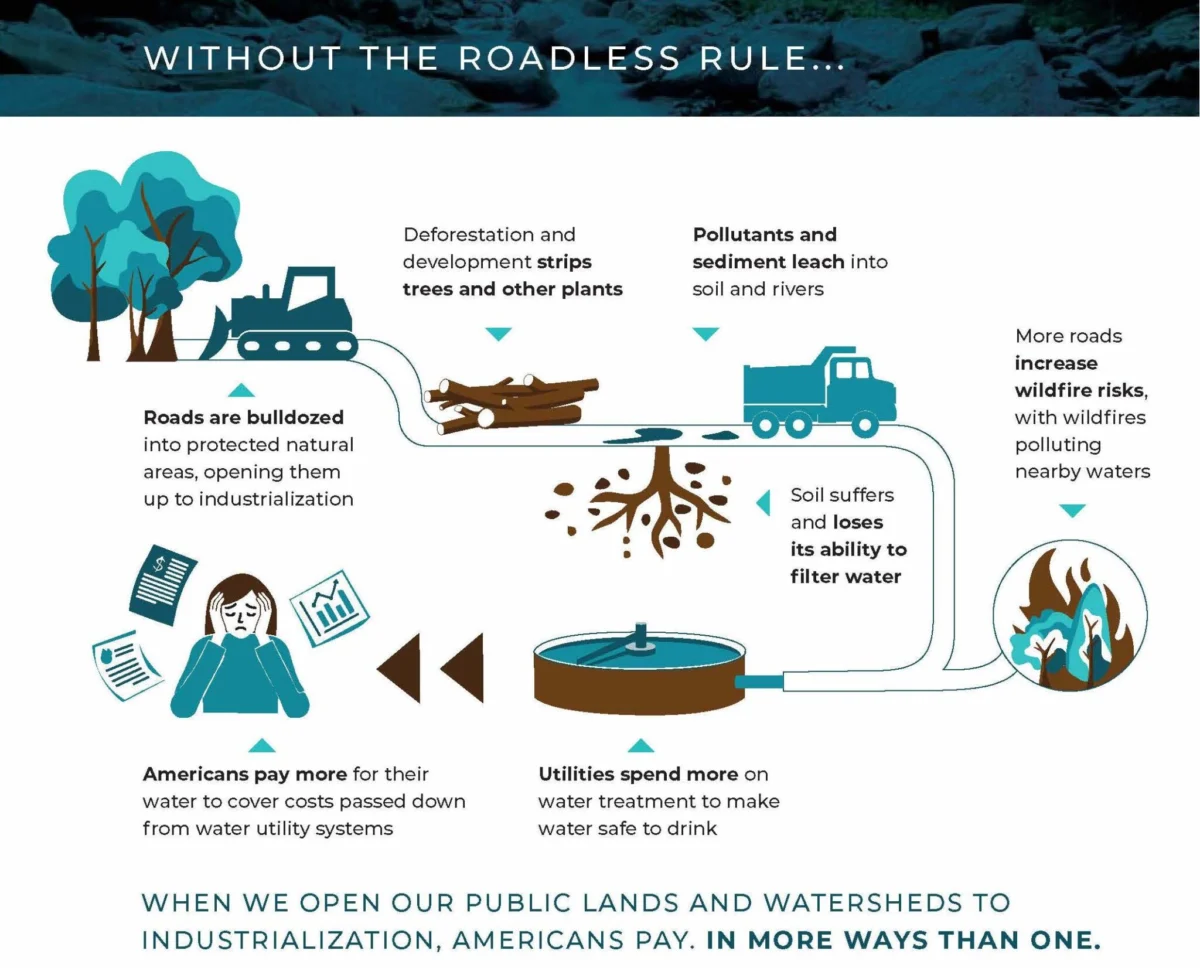
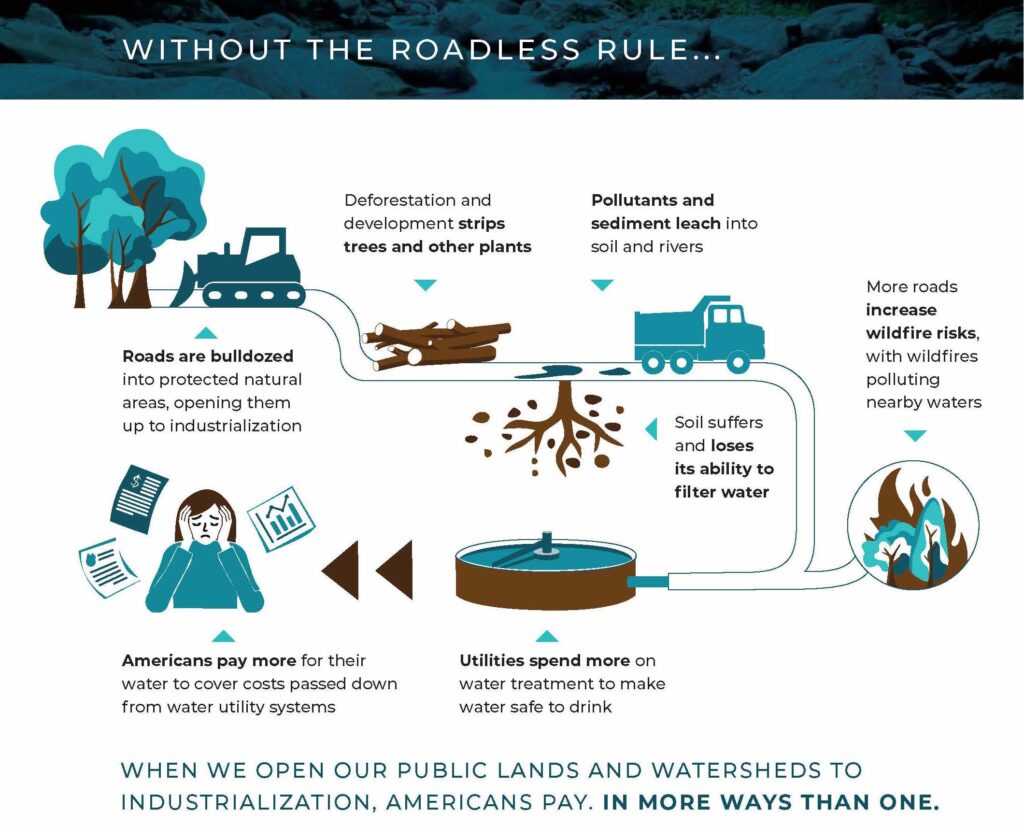
The Chesapeake Bay Watershed, a national treasure currently undergoing one of the largest restoration efforts in history, is particularly vulnerable. The removal of the Roadless Rule would pave the way for new logging roads and industrial construction within protected forest tracts. These activities introduce sediment, chemical runoff, and litter directly into the river systems that feed the Bay.
This creates a paradox of public policy: while billions are spent on the federal level to clean up the Chesapeake, the revocation of the Roadless Rule would introduce new, systemic sources of pollution that would exacerbate the very problems the cleanup efforts aim to solve. The cost of this reversal would eventually be borne by ratepayers, as municipal water treatment facilities struggle to filter out increased sediment and pollutants.
Supporting Data: The Case of Virginia and North Carolina
The statistics regarding the potential impact of a rollback are stark. In Virginia, the Roadless Rule currently safeguards nearly 400,000 acres of public land and protects over 700 miles of river. If the rule is rescinded, 80% of those river miles would lose their primary shield against industrial encroachment.
In North Carolina, the stakes are similarly high. With more than 170,000 acres of Inventoried Roadless Areas, the state relies on these forests to keep its waterways clear and cold. A repeal of the rule would strip protection from 44% of the river miles currently covered by the mandate. These are not merely abstract figures; they represent the literal drinking water sources for thousands of residents and the habitat for the last remaining populations of native brook trout south of the Mason-Dixon line.
Official Responses and Local Opposition
The pushback against the proposed rescission is not limited to environmental non-profits. Local governments, which are closer to the ground and more aware of the economic value of these lands, have begun to voice their dissent.
Shenandoah County, Virginia, recently issued a formal letter to the U.S. Forest Service, articulating the economic and cultural necessity of the Roadless Rule. In their correspondence, they highlighted three key points:
- Economic Drivers: The region’s economy is deeply tethered to outdoor recreation. Hunting, fishing, and backcountry tourism rely on the existence of wild, undeveloped areas.
- Fiscal Responsibility: The Forest Service currently faces a massive maintenance backlog for existing roads. The county argued that it is "fiscally irresponsible" to build new roads that the service cannot afford to maintain, especially when doing so destroys the value of the land itself.
- Water Security: The county emphasized that these areas protect the "premier native brook trout streams" and provide a natural, cost-free filtration system for the local drinking water supply.
This sentiment is echoed by many communities that recognize the "hidden" infrastructure value of forests. A healthy, roadless forest is essentially a giant water treatment plant, and replacing its services with man-made infrastructure would require massive capital investment and ongoing operating costs.
The Implications: A Legacy at Risk
The decision to revisit the Roadless Rule is framed by some as a matter of "local control" or "resource utilization." However, the evidence suggests that the consequences of such a policy shift would be national in scope and multi-generational in impact.
The Threat to Biodiversity
Forest fragmentation is a primary driver of species decline. Roads act as barriers for wildlife, disrupt migration corridors, and serve as vectors for invasive species. By keeping these areas roadless, the policy ensures that wildlife populations—from migratory birds to native fish—have the space they need to survive in an increasingly climate-stressed world.
The Financial Cost of Degradation
When a forest is opened to road construction, the immediate result is an increase in sedimentation in local streams. Sediment is one of the most expensive pollutants to remove from municipal water supplies. For taxpayers, the "savings" gained by a few timber contracts or road projects could be wiped out by the increased costs of water treatment and infrastructure repairs caused by flooding and erosion in degraded watersheds.
The Loss of Public Heritage
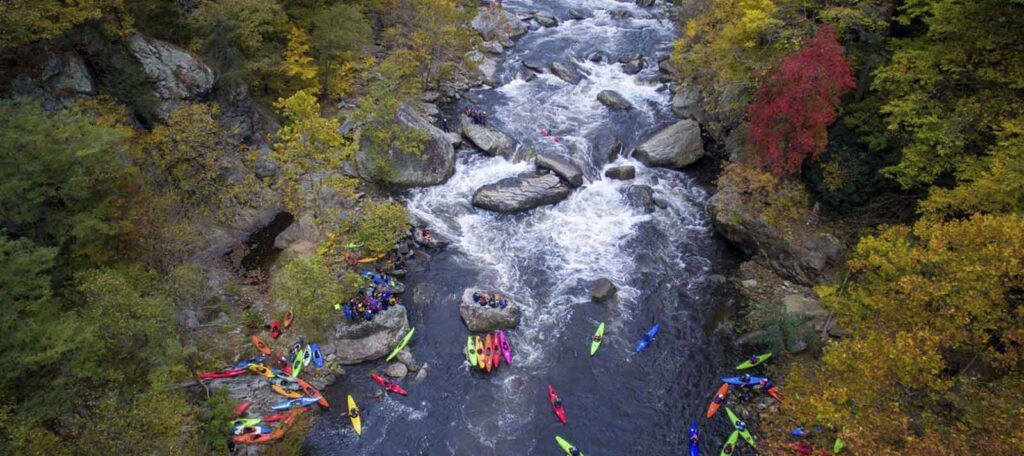
Beyond the math of water quality and the biology of habitat, there is the question of public legacy. The Roadless Rule ensures that future generations will have access to the same wild, silent, and untrammeled spaces that we enjoy today. It is a promise made to the future that we will not pave over every acre of our natural endowment for the sake of short-term gain.
Conclusion: A Call for Vigilance
As the USDA deliberates the future of the Roadless Rule, the American public stands at a crossroads. The choice is between a model of forest management that prioritizes short-term extraction and one that values the long-term, sustainable provision of clean water, habitat, and recreation.
The Roadless Rule has proven, through 25 years of consistent performance, that it is a vital, cost-effective, and successful policy. It protects our most precious resources—our rivers—at a scale that few other regulations can match. To roll back this protection would be to gamble with the health of the Chesapeake Bay, the security of our drinking water, and the integrity of our national forest system.
As the debate moves forward, the message from communities, scientists, and conservationists remains clear: the Roadless Rule is not an impediment to progress; it is the foundation upon which our future water security is built. Protecting these forests is not just an act of environmental stewardship—it is an act of fiscal and social responsibility. The forests of the East and West are linked by the waters they produce; if we endanger the source, we jeopardize the entire system. Now is the time for policy-makers to recognize that some places are worth more when left exactly as they are.