Pulling a heavy, fighting fish into a kayak is one of the most exhilarating experiences in angling. It is a moment of pure adrenaline, where the quiet serenity of paddling meets the raw power of nature. However, as any seasoned angler will eventually discover, the fight is only half the battle. The true test of a catch—and the decision to keep it—lies in what happens once that fish is in the cockpit.
Not every catch is destined for the dinner plate. From fish that carry the distinct, unpleasant profile of silty mud to predators teeming with mercury or potential toxins, knowing which species to keep and which to release is a vital skill. This guide explores the "why" behind the bad reputations of 12 common, yet often maligned, fish species, while providing the technical knowledge required for responsible, safe, and ethical harvesting from a kayak.
The Triad of Avoidance: Why Certain Fish Fall Short
When anglers discuss "trash fish" or species to avoid, their complaints generally fall into three distinct categories:
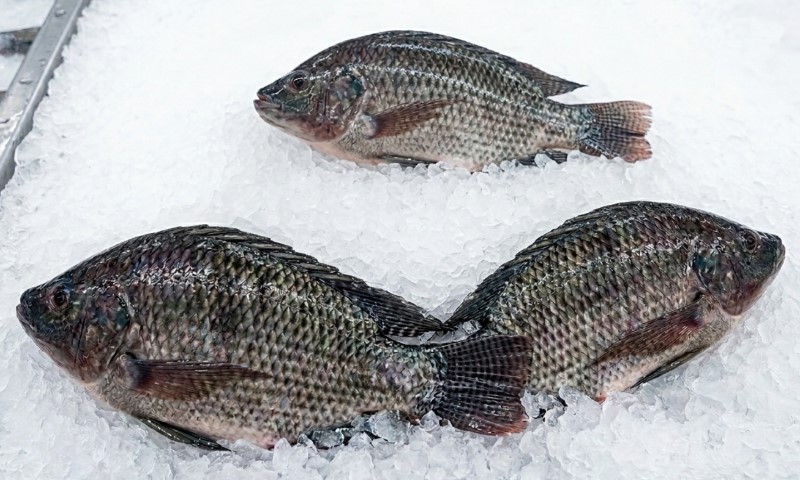
- The Mudsuckers: Freshwater species often found in stagnant, murky environments. Their flesh absorbs geosmin, a compound produced by algae and bacteria that leaves the meat tasting like a mouthful of wet soil.
- The Oily Predators: Saltwater species with high fat content that, if not bled and iced immediately, develop a pungent, metallic, or "battery-acid" flavor profile.
- The Labor-Intensive Species: Fish that require excessive, specialized cleaning techniques—such as removing intramuscular "Y-bones" or dealing with heavy slime—often resulting in a low yield of edible meat relative to the effort expended.
Quick Ranking: The Angler’s "Avoid" List
| Rank | Fish | Main Taste Issue | Safety/Handling Worry | Our Take |
|---|---|---|---|---|
| 1 | Common Carp | Muddy, Bony | Local Contaminants | Keep only from clean water |
| 2 | Bowfin | Mushy Texture | Aggressive Handling | Eat fresh or release |
| 3 | Gizzard Shad | Oily, Bony | Poor Table Quality | Best used as bait |
| 4 | Large Bluefish | Strong/Fishy | Mercury/PCBs | Bleed, ice, trim dark meat |
| 5 | Jack Crevalle | Metallic/Bloody | Handling Difficulty | Keep only smaller fish |
| 6 | Bigmouth Buffalo | Coarse/Muddy | Advisory Waters | Smoke or grind |
| 7 | Freshwater Drum | Divisive Taste | Mercury Advisories | Check local regulations |
| 8 | Large Black Drum | Wormy/Coarse | Parasites | Keep "puppy" drum only |
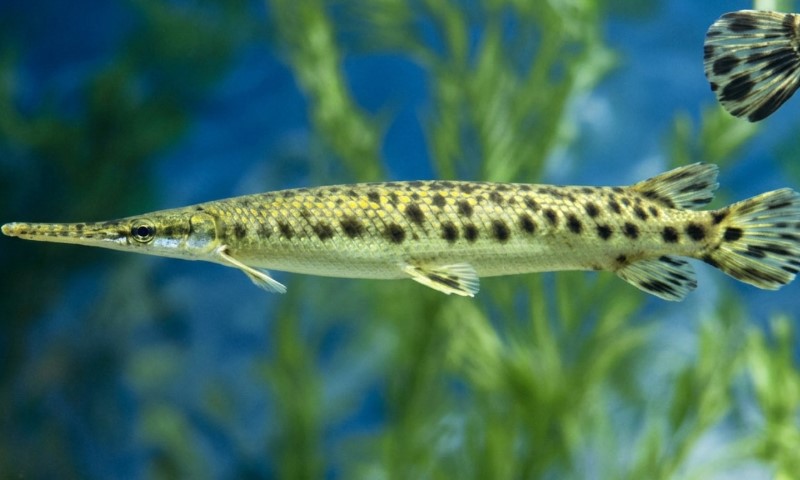
| 9 | Gar Roe | Toxic Flesh | Roe Toxicity | Never consume eggs |
| 10 | Barracuda | Variable | Ciguatera | Avoid in reef zones |
| 11 | Shark | Ammonia-like | Mercury/Spoilage | Usually best to skip |
| 12 | King Mackerel | Strong Flavor | High Mercury | Avoid large specimens |
Official Guidelines and Health Implications
Flavor is largely subjective, but safety is an empirical matter. While individual anglers judge a catch by the texture of the fillet or the smell of the meat, federal agencies like the FDA and the EPA focus on the invisible dangers: heavy metals, chemical runoff, and marine toxins.
The FDA maintains a "Choice to Avoid" list, specifically targeting large, apex predators. These include king mackerel, marlin, shark, and swordfish. Because these fish sit at the top of the aquatic food chain, they accumulate high levels of mercury through a process known as biomagnification. For the kayak angler, the risk is not just the potential for a bad meal, but the cumulative health risks associated with mercury consumption. Before keeping any catch, anglers should cross-reference their local waterbody’s health advisories with the EPA’s guidelines to ensure the catch is safe for human consumption.
Deep Dive: Analysis of 12 Controversial Species
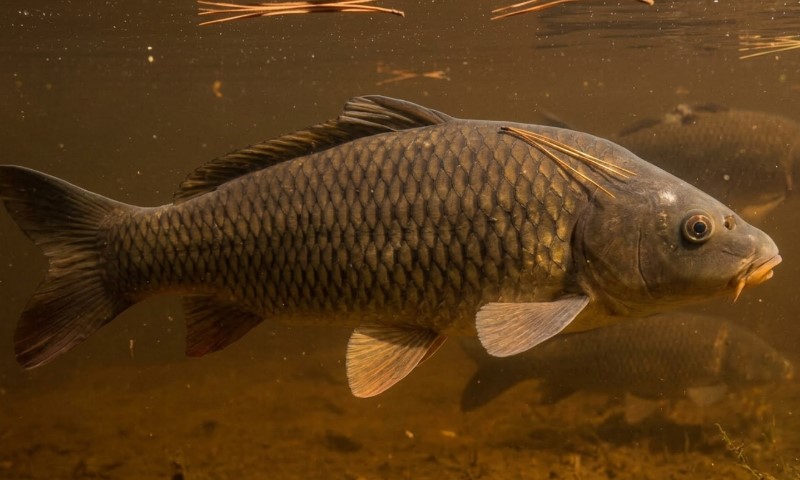
1. Common Carp
Carp are environmental barometers. As bottom feeders, they reflect the quality of their habitat. In murky, stagnant ponds, they inevitably taste like their environment. Furthermore, their complex "Y-bone" structure makes them notoriously difficult to fillet. From a kayak, the "slime factor" is a practical deterrent; they coat seats and electronics in a thick mucus. If you must harvest, smoking is the preferred method to break down the bones and oils.
2. Bowfin
Bowfin are prehistoric survivors, but they possess unique enzymes that break down muscle fibers rapidly after death. Without immediate icing, the flesh turns into an unappealing, cotton-like mush. Handling them in a kayak is also dangerous, as they are muscular, slippery, and possess sharp teeth.
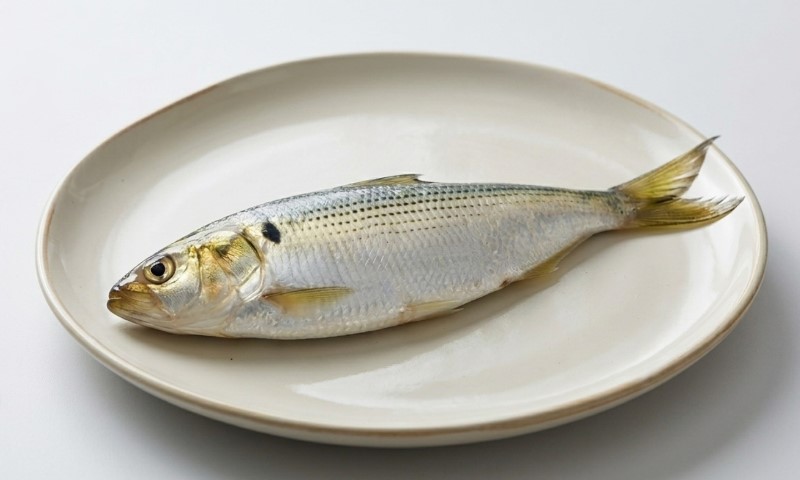
3. Gizzard Shad
Often viewed as the "fast food" of the water, these fish are incredibly oily and riddled with tiny bones. Their primary value lies in their utility as high-quality cut bait for catfish rather than as a dinner entrée. Their scales are notoriously difficult to clean off a kayak deck.
4. Large Bluefish
These aggressive fighters are prized for their sport, but their flavor is highly polarizing. NOAA profiles note their high oil content, which can quickly turn rancid. To salvage a bluefish, one must bleed it immediately and remove the dark, lateral bloodline where the strongest "fishy" flavor resides.
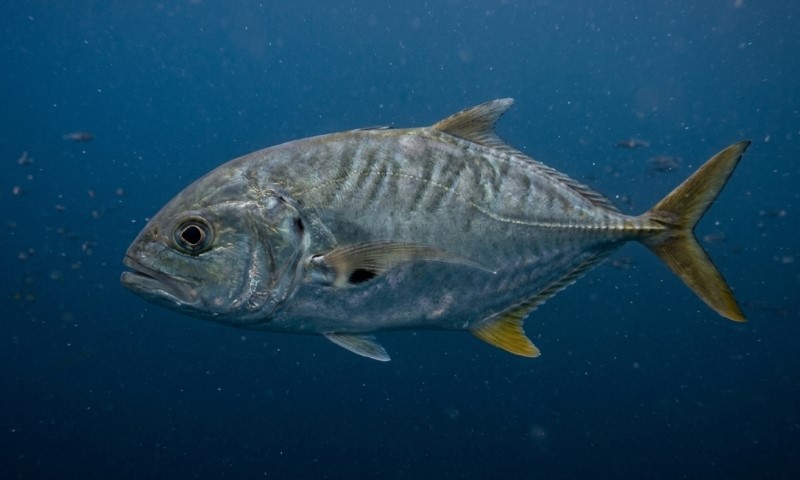
5. Jack Crevalle
While pound-for-pound one of the hardest fighting fish for a kayak angler, the Jack Crevalle is often maligned for its dark, bloody meat and metallic tang. Most experienced anglers suggest keeping only smaller fish (under 5 lbs) and utilizing heavy citrus marinades to counteract the strong, gamey flavor.
6. Bigmouth Buffalo
Often misidentified as carp, these are actually native to North American waters. The stigma surrounding them is largely cultural. They are difficult to process due to their thick scales and sturdy bones, but when properly scored and fried, they offer a firm, white meat that many are beginning to appreciate as part of the "rough fish" movement.
7. Freshwater Drum
The drum’s reputation is split: some praise its firm texture, while others find it rubbery. The primary concern here is environmental; drum are frequently found in areas subject to consumption advisories. Always check local records before keeping these, and be aware that they can be tough if overcooked.
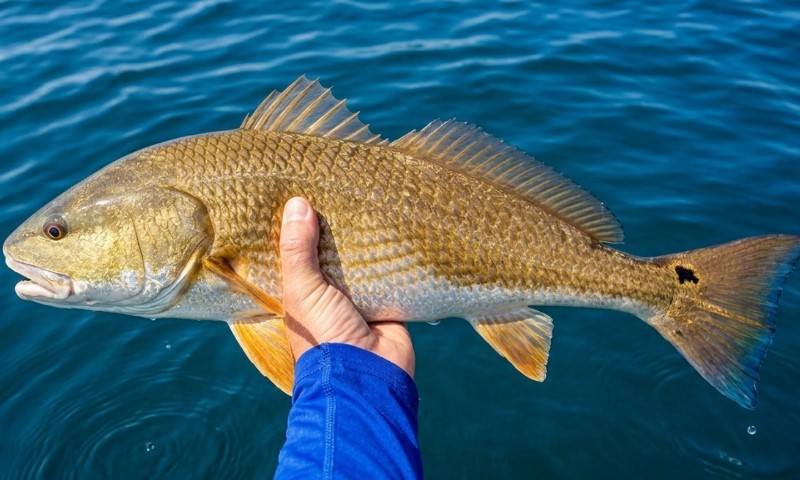
8. Large Black Drum
"Puppy drum" are a delicacy, but the larger, older bulls are a different story. They are often coarse and frequently carry "spaghetti worms." While these parasites are harmless to humans once cooked, the visual aspect is often enough to ruin a meal. Given their age and potential size, these are best left to swim.
9. Gar Roe
Gar are often avoided because of their armor-like scales, which require industrial tools to penetrate. However, the greatest danger is the roe (eggs), which are toxic to humans. If you choose to harvest gar, discard the roe immediately and ensure no part of the meat touches the eggs.
10. Barracuda
Barracuda are infamous for Ciguatera, a toxin caused by algae on coral reefs. Because this toxin is heat-stable, it cannot be cooked out, making the fish a high-stakes gamble. Combined with their sharp teeth and distinct odor, they are best left as a "photo-op" fish.
11. Shark
Sharks excrete urea through their skin, leading to an ammonia-like scent if not processed perfectly. This requires immediate bleeding and a lengthy soak in milk or citrus. Due to their slow growth rates and high mercury content, conservation-minded anglers generally opt for catch-and-release.
12. Large Pelagics (Mackerel, Marlin, Swordfish)
These fish are prone to scombroid poisoning if not chilled to near-freezing immediately upon capture. The logistics of keeping a massive fish on a small kayak—requiring heavy bags and pounds of ice—often compromise the safety and quality of the meat, making them impractical for the average paddler.
The Ethical Imperative: Stewardship in the Cockpit
The rise of kayak fishing has brought anglers into closer, more intimate contact with the water than ever before. This proximity is a privilege that comes with an ethical responsibility. When an angler catches a fish that they are not prepared to process, store, or eat, the most responsible action is to release it.
Wasted life is a tragedy of sport, and a "bad" meal is a failure of preparation. By choosing to release fish that are difficult to handle or ecologically vulnerable, we ensure that these populations remain vibrant for future generations.
Ultimately, the best kayak anglers are those who understand the limits of their craft. If you are looking for consistent, safe, and delicious table fare, stick to proven species. If you are feeling adventurous, treat the "oddballs" with the respect they deserve—research their preparation, respect the local water quality, and prioritize safety above all else. Respect the resource, respect your gear, and most importantly, respect the fish. Tight lines and happy paddling.