Introduction: A Historic Milestone for Global Ecotourism
In the heart of Turkey, where the rolling landscapes of the Black Sea region meet the ancient plateaus of Anatolia, the city of Tokat is preparing to take center stage on the global tourism map. From July 27th to 31st, 2021, this archaeologically significant and geographically diverse city will serve as the host for the 16th Ecotourism and Sustainable Tourism Conference (ESTC), organized by The International Ecotourism Society (TIES).
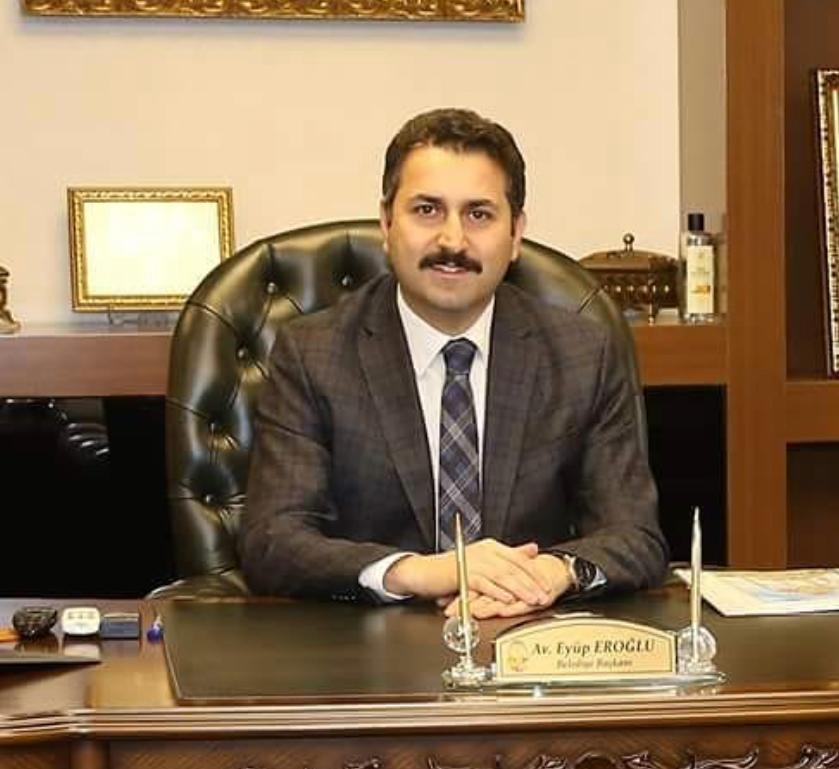
This selection is not merely a logistical choice; it is a recognition of Tokat’s profound commitment to preserving its 1,500-year-old heritage while aggressively pivoting toward a sustainable future. Under the leadership of its forward-thinking mayor, Attorney Eyüp Eroğlu, the city is positioning itself as a beacon for travelers seeking authentic, ecologically conscious, and culturally immersive experiences.
The Facts: Tokat at a Glance
Tokat, a city defined by its transitional climate and rugged topography, acts as a bridge between two of Turkey’s most distinct geographic zones. With a history stretching back to the 5th century, the city has been the cradle for 14 different civilizations. This complex historical layering has endowed the region with a rare blend of architectural, ecological, and culinary diversity.
- Conference Dates: July 27–31, 2021.
- Host Organization: The International Ecotourism Society (TIES).
- Host City: Tokat, Turkey.
- Core Focus: Sustainable tourism, cultural preservation, and ecological development.
- Key Asset: A unique blend of 82 varieties of local produce, a rich historical landscape, and a strategic location between the Black Sea and Anatolia.
Chronology: From Ancient Crossroads to Modern Sustainable Hub
The history of Tokat is a chronicle of endurance and adaptation. To understand why Tokat is the perfect venue for the ESTC, one must look at the timeline of its development:
The Ancient Era (5th Century – 11th Century)
Tokat’s strategic position made it a coveted territory for empires, including the Romans, Byzantines, and various Anatolian beyliks. The construction of the Tokat Castle, which looms over the city today, dates back to these formative centuries, serving as a testament to the city’s resilience.
The Seljuk and Ottoman Flourishing (12th Century – 19th Century)
During the Seljuk period, Tokat became a hub for science, art, and trade. The city’s architectural legacy—visible in its mosques, madrasas, and bridges—reflects the prosperity brought by the Silk Road. It was a center of commerce where goods, ideas, and agricultural techniques were exchanged, establishing the foundation for its modern agricultural richness.
The Modern Transformation (2014 – Present)
Under the administration of Mayor Eyüp Eroğlu, one of Turkey’s youngest and most dynamic political leaders, Tokat has undergone a deliberate transformation. Recognizing that the city’s future lies in the preservation of its natural and cultural assets, the Municipality began implementing sustainable development policies. This shift led to the city’s candidacy and eventual selection for the 16th ESTC, marking a transition from a local destination to a premier international ecotourism hub.
Supporting Data: The Ecology of Flavor and Biodiversity
Tokat is not just a historical site; it is a living, breathing ecosystem. The city’s varied elevation and microclimates foster an agricultural output that is unrivaled in the region.
Agricultural Biodiversity
The city boasts an impressive array of 82 thriving varieties of cereals, fruits, and vegetables. This agricultural wealth is the backbone of the local economy and a major draw for the "slow food" movement. Among its most famous exports are:
- Tokat Kebab: A world-renowned dish that utilizes local lamb, fresh vegetables, and traditional cooking techniques.
- Viticulture: The region is famous for its grape leaves, which are central to the local culinary tradition, as well as its molasses, walnuts, and fenugreek.
Geographical Significance
The city’s topography allows for a "transitional climate," where the humidity of the Black Sea meets the continental climate of Central Anatolia. This geographical anomaly creates a high level of biodiversity, making the region an ideal laboratory for sustainable land management and eco-friendly agricultural practices.
Official Responses: A Vision for the Future
In an exclusive conversation, Mayor Eyüp Eroğlu highlighted his administration’s philosophy: that tourism must be an instrument of preservation rather than exploitation.
"Along with Tokat’s friendly local people and their welcoming outlook, the Tokat Municipality will make every effort to develop our city’s tourism to be represented in the international arena," Mayor Eroğlu stated. "We will accomplish this in a sustainable way, ensuring that our growth benefits the community while protecting our natural legacy."
When asked about the significance of hosting the TIES conference, the Mayor emphasized the pride of the local population: "Tokat Municipality welcomes The International Ecotourism Society and its valuable guests. We look forward to focusing international attention on our thriving, unique destination. We are sure that ecotourists and travelers will collect many unforgettable memories here and witness our true Anatolian heritage."
Addressing the logistical challenges of the current era, the Mayor expressed his full confidence in the safety protocols established for the event. "I am deeply impressed with the care TIES has taken to ensure the safety of ecotravelers and the community of Tokat. We have aligned our municipal health protocols with international standards to ensure a safe, secure, and inspiring conference experience."
Implications: The Long-Term Impact on Tokat
The decision to hold the 16th ESTC in Tokat has far-reaching implications for the region.
Economic Revitalization
By hosting international delegates, academics, and industry experts, Tokat is signaling its readiness to move beyond traditional tourism. The influx of sustainable tourism will encourage local entrepreneurs to invest in eco-lodges, organic farming, and community-based cultural tours, creating a circular economy that keeps profits within the local community.
Environmental Stewardship
The conference serves as a catalyst for local environmental policy. With global experts convening to discuss best practices, the Tokat Municipality intends to adopt new frameworks for waste management, water conservation, and the protection of biodiversity in the surrounding hills and river valleys.
Global Cultural Exchange
For many international visitors, Tokat remains a hidden gem. The conference provides a platform for the city to showcase its "Anatolian heritage" to a global audience. This is more than just tourism; it is an effort to re-integrate a historically significant city into the modern international discourse on sustainability.
Call to Action: Join the Movement in Tokat
The International Ecotourism Society (TIES) is calling upon all professionals, students, and enthusiasts dedicated to the cause of sustainability to register for the 16th ESTC. This is an invitation to witness firsthand how a historic city can modernize without losing its soul.
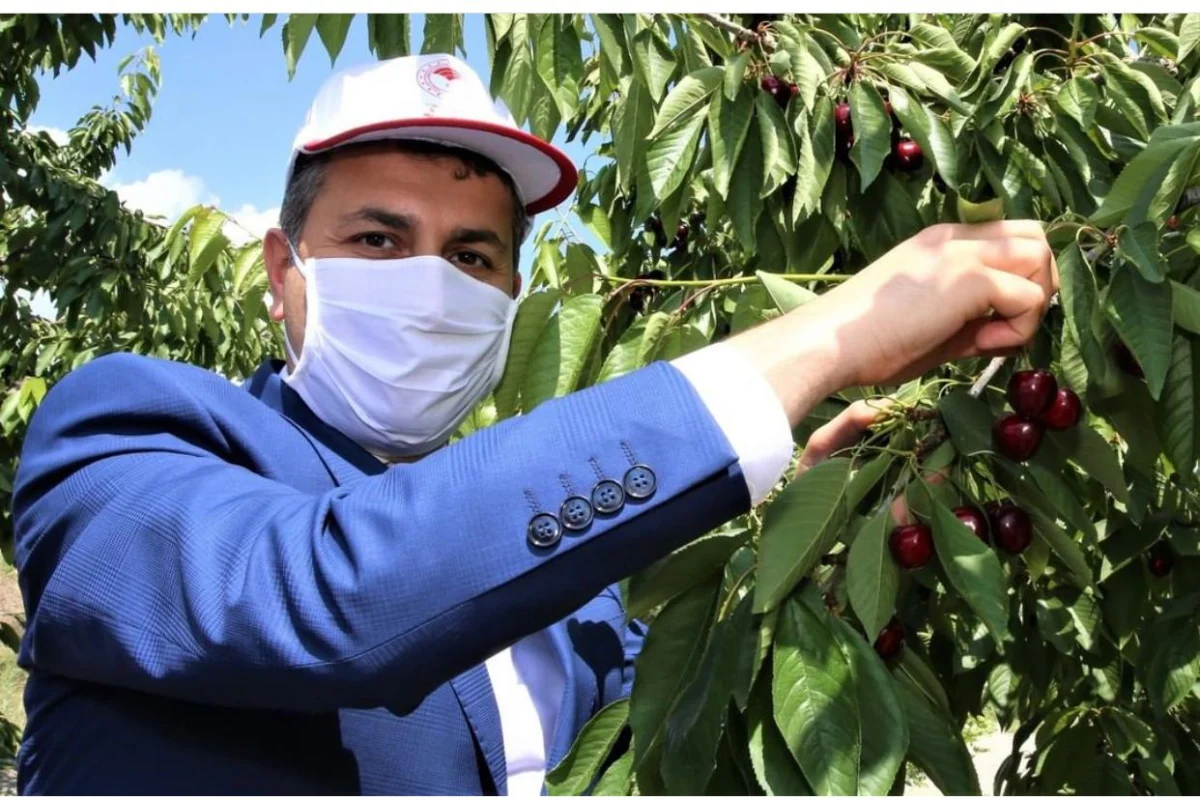
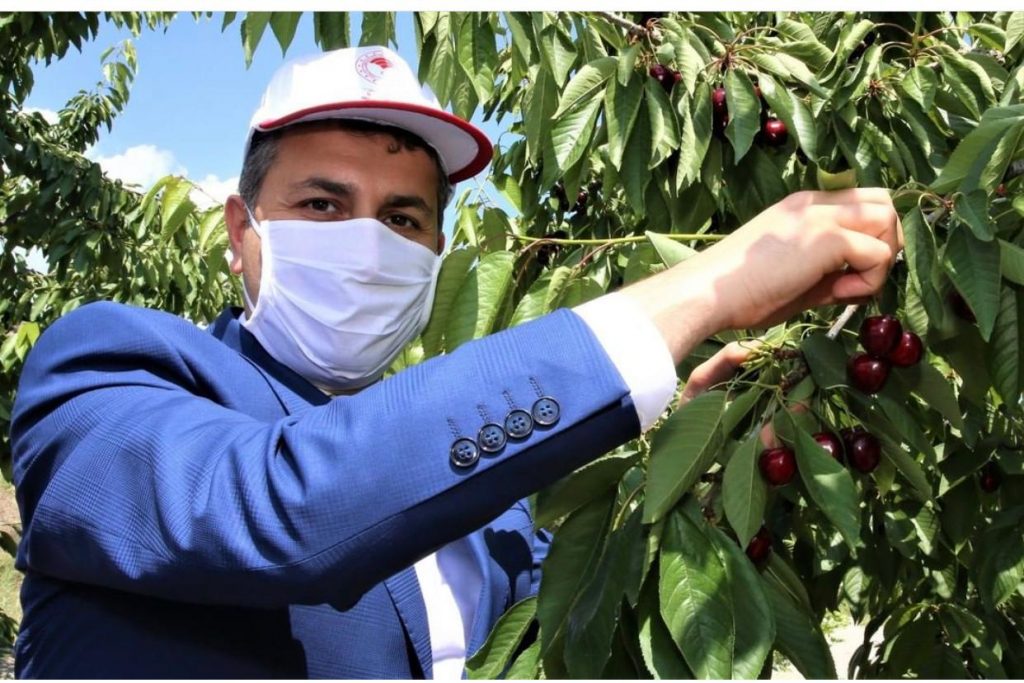
Attendees will have the opportunity to explore the Tokat Castle, participate in local agricultural harvests—such as the famous cherry and grape leaf picking—and engage with the local community to understand the deep-rooted values that keep Tokat thriving.
Registration Information:
Delegates interested in participating in this landmark event are encouraged to register via the official TIES portal. By attending, you are not just participating in a conference; you are supporting a movement that places cultural dignity and environmental health at the forefront of the travel industry.
Register for the 16th Ecotourism and Sustainable Tourism Conference here.
Conclusion: The Path Forward
As the world re-evaluates the role of tourism in a post-pandemic landscape, Tokat stands as a shining example of what is possible. It is a city that respects its 1,500-year-old foundations while looking toward the next century of environmental stewardship. From the historic heights of its castle to the rich, fertile valleys that produce its famous cuisine, Tokat invites the world to join it in a conversation about a more sustainable, equitable, and meaningful future. The 16th ESTC is not just an event; it is the beginning of a new chapter for one of Turkey’s most captivating, yet understated, destinations.