Tanzania stands as a crown jewel of East African tourism, a nation defined by its breathtaking biodiversity, iconic landscapes, and a rapidly growing commitment to sustainable travel. As global travelers increasingly seek experiences that minimize environmental impact while maximizing cultural and conservation benefits, Tanzania’s "Southern Circuit" and northern highlands have emerged as premier destinations for the conscious adventurer.
Managed by organizations like the Kilimanjaro Tanzanite Safaris DMC, the evolution of Tanzania’s tourism infrastructure is shifting toward responsible, high-value, and low-impact experiences. Whether it is the vast, untamed wilderness of the Selous (Nyerere National Park) or the legendary slopes of Mount Kilimanjaro, Tanzania offers a blueprint for how ecotourism can preserve the majesty of the wild for generations to come.
The Rise of the Southern Circuit: A Sanctuary for Conscious Travelers
While the Northern Circuit—comprising the Serengeti and Ngorongoro—has long dominated the tourism market, the Southern Circuit is currently witnessing a renaissance. For travelers looking to avoid the seasonal crowds while supporting local conservation, the Southern Circuit offers a more intimate, authentic encounter with African wildlife.
Key Ecotourism Hotspots in the South
The Southern Circuit is a vast, ecologically diverse corridor that includes:
- Nyerere National Park (formerly Selous): One of the largest remaining wilderness areas in Africa, renowned for its massive elephant populations and the unique opportunity for walking safaris.
- Ruaha National Park: A rugged, arid landscape that serves as a vital sanctuary for lion prides and massive herds of buffalo.
- Mikumi National Park: Often cited as the most accessible park from the commercial hub of Dar es Salaam, it provides a crucial ecosystem link for wildlife migrations.
- Udzungwa Mountains: A biodiversity hotspot known for its unique flora and fauna, offering challenging, rewarding hiking trails that embody the spirit of ecotourism.
Why Choose the South?
The primary appeal of the Southern Circuit lies in its affordability and its commitment to eco-lodges. Because these areas are less commercialized than the north, the lodges here are often smaller, locally managed, and focused on sustainable resource use. A standard 10-day safari package through these regions provides a holistic view of Tanzania’s untamed south, balancing luxury with a minimal ecological footprint.
Chronology of Sustainable Development in Tanzanian Tourism
The shift toward structured ecotourism in Tanzania did not happen overnight. It is the result of decades of policy adjustment and a growing realization that wildlife is a finite economic asset.
- Early 2000s: The Tanzanian government, in partnership with international conservation NGOs, began prioritizing the development of the Southern Circuit to alleviate tourism pressure on the Northern Serengeti.
- 2010–2015: A surge in the "Responsible Travel" movement globally encouraged local tour operators to adopt more stringent guidelines. During this period, the implementation of "pop-up" roof and open-roof Toyota Land Cruisers became the industry standard for minimizing ground disturbance.
- 2019–Present: The formal rebranding of the Selous Game Reserve to Nyerere National Park signaled a strategic move to prioritize high-value, low-impact tourism. Simultaneously, the integration of TAZARA railway tourism into safari packages has provided a lower-carbon alternative for long-distance travel across the region.
Supporting Data: The Value of Combo Safari Packages
Market data from leading destination management companies indicates that the most successful "eco-conscious" travelers are opting for 9 to 16-day combo packages. These itineraries combine the wildlife density of the Northern Circuit with the serene, exclusive experiences of the South.
The Northern-Southern Synergy
The Northern Circuit remains a global powerhouse for a reason:
- Ndutu and Serengeti (Grumeti Area): Essential for witnessing the Great Migration.
- Arusha and Tarangire: Ideal for bird watching and elephant conservation programs.
- West Kilimanjaro (Lemosho and Shira): These routes are favored for their low traffic and superior acclimation profiles, which directly contribute to the success rate of climbers.
By combining these, travelers reduce their carbon-per-day impact by maximizing the utility of their transport—often utilizing a single, dedicated 4×4 safari vehicle for the duration of their trip, rather than multiple, short-term hires.
Official Perspectives: The Role of the Tour Operator
Kilimanjaro Tanzanite Safaris DMC, a prominent player in the regional market, emphasizes that "ecotourism is not just a marketing term; it is a management philosophy." According to company representatives, the professional responsibility of a tour operator includes:
- Educating the Traveler: Providing comprehensive briefings on the "Leave No Trace" policy before any trekking or game drive begins.
- Infrastructure Selection: Utilizing only modernized fleets. The transition to the "New Version" of Toyota Land Cruisers is vital, as these vehicles feature advanced fuel efficiency and are engineered to navigate challenging terrain with minimal disruption to the soil and vegetation.
- Filmmaking and Photography Ethics: For professional photographers, the DMC provides specific guidance on timing and light management to ensure that cameras and gear do not disturb the natural behavior of wildlife.
"When we plan a Kilimanjaro trek," the DMC notes, "we aren’t just selling a hike. We are managing an expedition that involves seasonal climate analysis, gear assessment, and physiological preparation. Safety and sustainability go hand-in-hand."
Implications for the Future of African Travel
The push toward sustainable tourism in Tanzania carries significant implications for both the local economy and global environmental conservation.
Environmental Stewardship
By funneling tourism revenue into areas like the Enduimet wildlife area or the Ngorongoro highlands, the government provides local communities with a financial incentive to protect the land rather than engage in poaching or over-grazing. Ecotourism creates a direct link between the health of the ecosystem and the economic well-being of the surrounding villages.
The Human Factor: Kilimanjaro Trekking
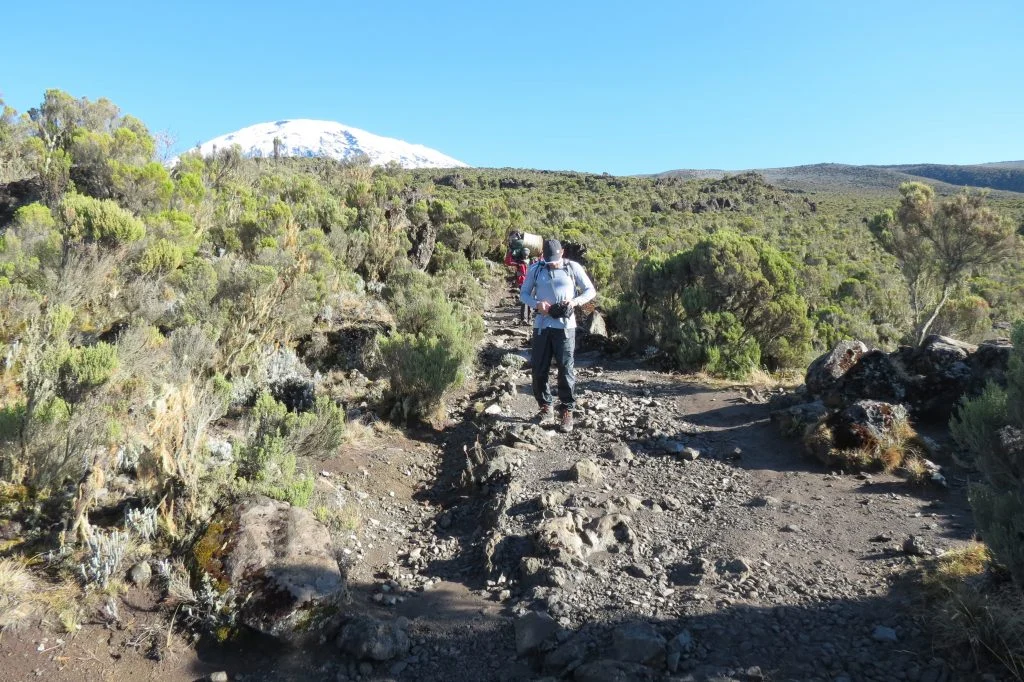
Trekking Mount Kilimanjaro is a bucket-list achievement, but it requires careful planning to be "ecologically sound." The implications of poor planning are twofold: increased waste on the mountain and a higher risk of physical injury.
- Acclimatization: Sustainable tourism dictates that climbers take longer routes (such as the Lemosho or Shira trails) to ensure health and safety.
- Gear Preparation: Providing detailed, professional packing lists prevents the abandonment of gear on the trail and ensures that hikers are adequately prepared, reducing the burden on rescue services.
A New Era for Filmmakers
Tanzania is becoming a hub for high-end wildlife cinematography. By providing specialized 4×4 vehicles equipped for stability and filming, tour operators are enabling a new generation of documentarians to capture the beauty of the wild without encroaching on the animal’s space. This media coverage, in turn, fuels global awareness of the need for habitat preservation.
Conclusion: How to Plan Your Responsible Safari
Planning an African safari is a complex process that demands attention to detail. Whether you are aiming to scale the heights of Kilimanjaro or explore the hidden river valleys of the Selous, the following pillars of planning should be non-negotiable:
- Prioritize Authenticity: Research operators who have established, transparent relationships with local conservation projects.
- Respect the Season: Understand that the best time to visit is often determined by the migration patterns and the local weather cycles, which are crucial for minimizing your footprint.
- Adopt a Long-View Mindset: Opt for longer, slower travel (the 10-day+ model) rather than rushed, high-frequency travel.
- Prepare Diligently: Whether it is physical training for a climb or understanding the photographic regulations of a national park, preparation is the ultimate form of respect for the destination.
Tanzania’s commitment to ecotourism is a testament to the fact that tourism, when managed with integrity and vision, can be a force for good. By choosing the right circuits, the right operators, and the right approach, visitors to Tanzania do more than just observe the wild—they become active participants in its preservation.
For those ready to embark on this journey, the Southern Circuit awaits with its untamed secrets, and the slopes of Kilimanjaro stand ready to test your resolve. The future of travel is here, and it is profoundly, beautifully sustainable.