For the backcountry enthusiast, the intersection of cold-weather performance and ultralight gear represents the "holy grail" of engineering. When temperatures plummet, the standard upright canister stove often fails, as the pressure inside the canister drops and the liquid fuel fails to vaporize. For years, one designer has been on a quest to solve this through the iterative refinement of the remote inverted canister stove. This report documents the journey from the early "Stove Stand" experiments to the latest V8 Vortex iteration—a masterclass in DIY engineering, thermal management, and weight reduction.
Main Facts: The Challenge of Winter Fuel
The fundamental physics of winter cooking is simple but unforgiving. Canister gas—typically a blend of butane and propane—relies on the heat of the environment to vaporize the fuel within the canister. In freezing conditions, the liquid fuel remains stagnant, and the pressure at the jet drops, leading to anemic performance or total failure.
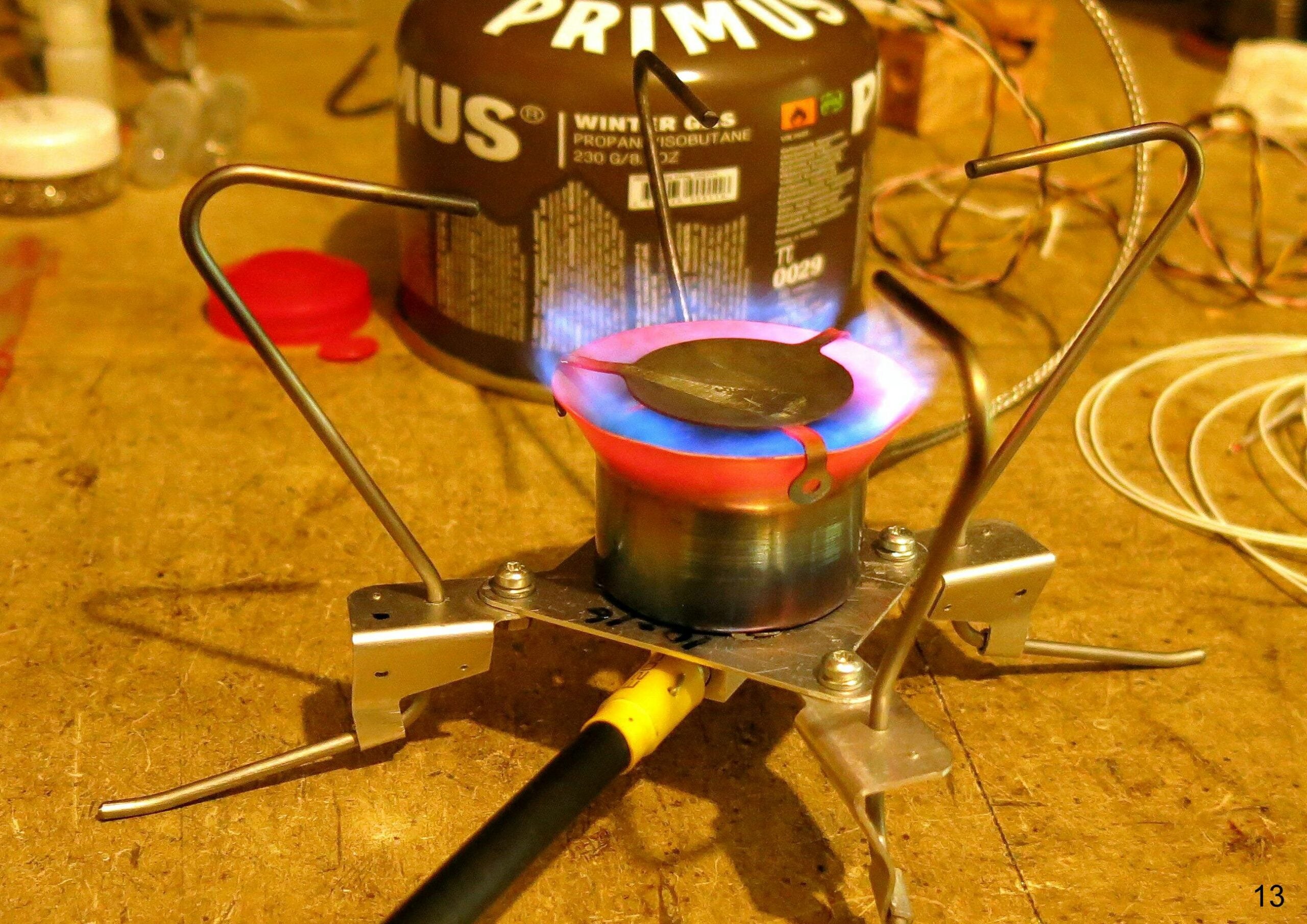
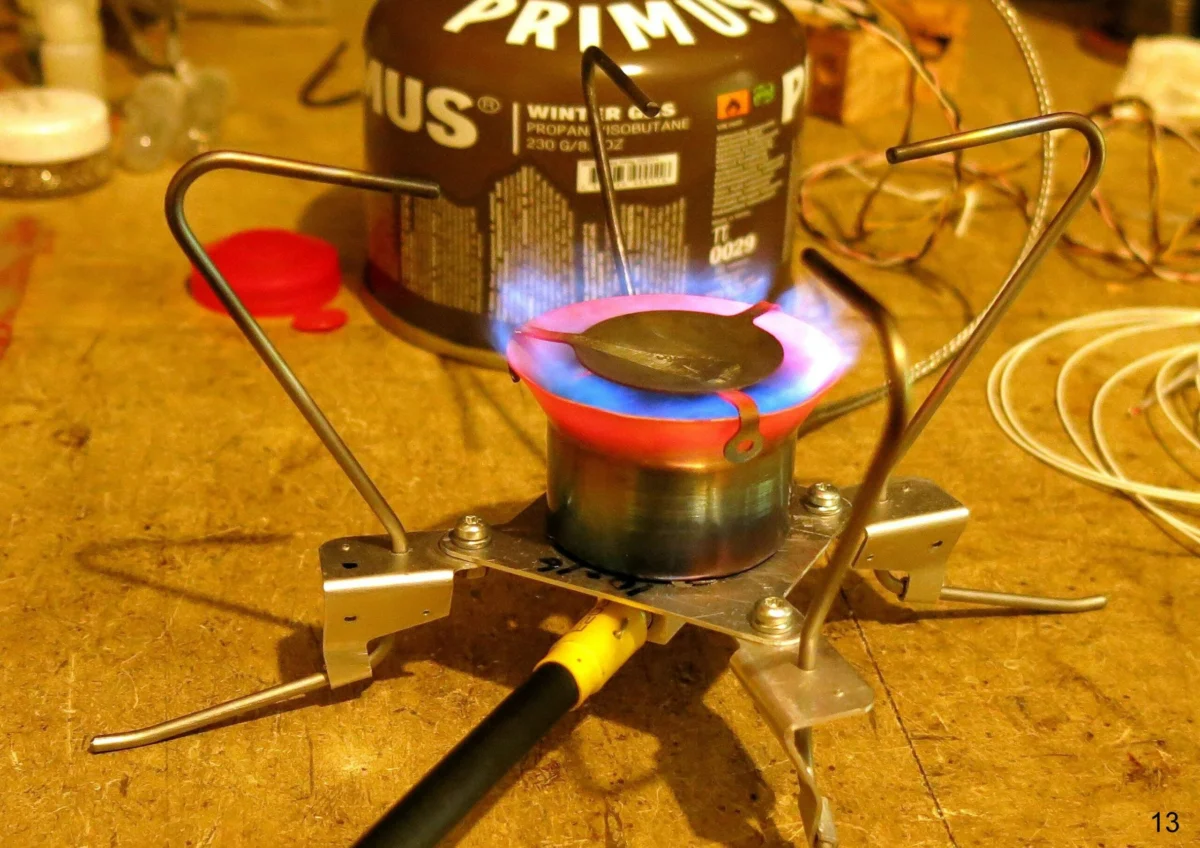
The solution is an "inverted" setup, where the canister is turned upside down, forcing liquid fuel through the hose to the burner. However, this introduces a critical hazard: liquid fuel reaching the jet can cause violent, uncontrollable flare-ups. The engineering solution, refined over nearly two decades by the author, involves a "heat shunt"—a conductive bridge that captures heat from the burner and carries it back to the inlet, ensuring the fuel is fully vaporized before it exits the jet.
A Chronology of Innovation
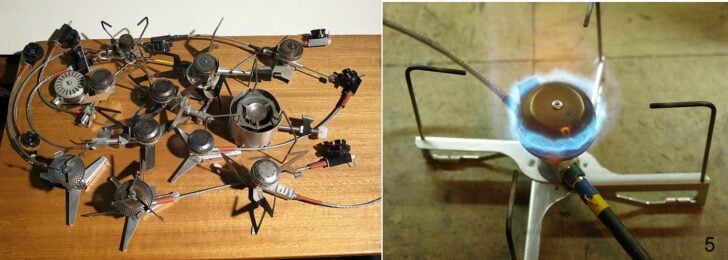
The evolution of these stoves is a story of trial, error, and meticulous data collection.
The V0–V3 Era: Foundations and Vortex Design
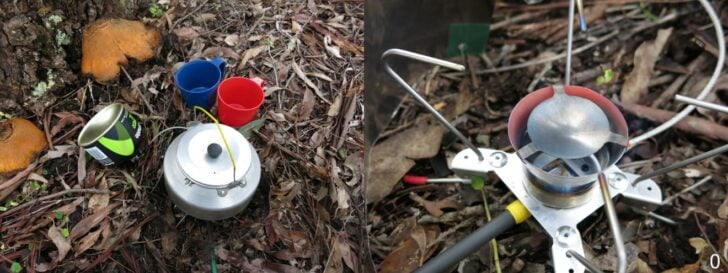
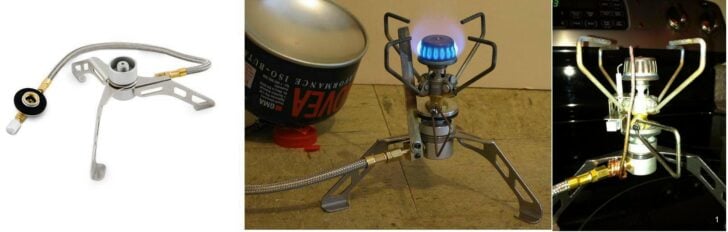
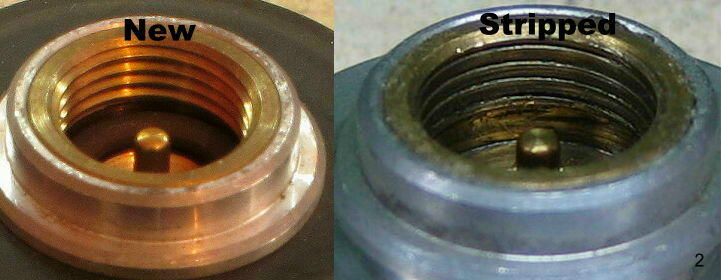
The journey began with the "Stove Stand," a commercial conversion kit that kept the canister upright. Recognizing its limitations, the author experimented with copper strips to shunt heat back to the inlet, birthing the V0. This eventually led to the V1, which featured a custom stove body and a more versatile canister connector designed to bypass the failure-prone threads found on many commercial gas canisters.
The V2 and V3 iterations saw a pivot to "Vortex Burner" technology. Drawing inspiration from the MSR XGK, these stoves used a closed chamber to trap flame heat, forcing it to radiate back onto the base plate. While effective, these early models faced challenges with metallurgy; specifically, the reliability of titanium wire pot supports, which often failed because the "spot welding" technique used for titanium lacks the structural integrity of true metal fusion.
V4–V6: Refinement and Thermal Balancing
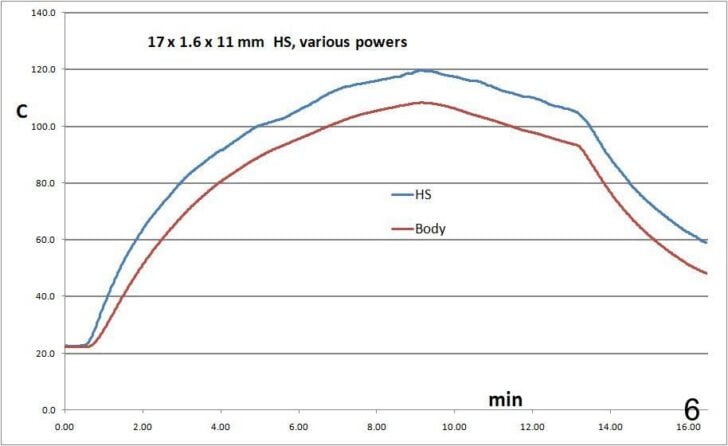
The V4 moved back to an upright burner head, focusing on internal baffles to optimize gas flow. This phase was defined by a transition to rigorous, data-driven testing. Using LabJack data loggers, the author monitored the thermal equilibrium of the stove body. The goal: keep the stove body hot enough to vaporize liquid fuel (above 0°C), but cool enough to protect O-rings and PFA tubing (below 200°C).
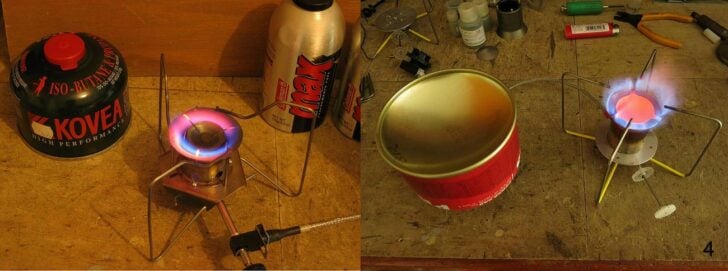
The V6 iteration returned to the Vortex concept, refining the air-to-fuel ratio. The author discovered that while excess air ensures complete combustion and reduces carbon monoxide (CO) production, it also acts as a thermal "drag," cooling the burner and reducing efficiency. Finding the "Goldilocks" zone of oxygen intake was essential for both performance and ease of lighting.
V7 and the Pursuit of SUL (Super Ultralight)
The V7 project marked a radical shift toward Super Ultralight (SUL) design. Weighing in at a mere 45 grams, this model utilized the BRS-3000T burner head. By swapping out heavy, commercial-grade fuel lines for custom, braid-reinforced PFA tubing and utilizing high-conductivity 5005 aluminum alloy for the heat shunt, the author achieved a weight reduction that surpassed almost every commercial offering on the market.
Supporting Data: The Science of Thermal Management
Central to the success of these designs is the "Heat Shunt." During the development of the V4 and V6, temperature logging revealed a critical phenomenon: the coupling of the burner chamber and the stove body.
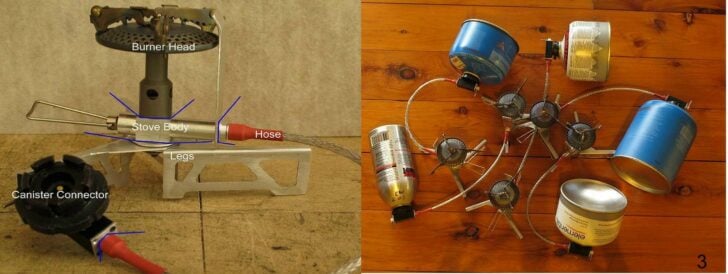
In lab tests (conducted at +20°C), the stove body reached approximately 120°C. By applying a standard correction factor for field conditions (subtracting 40°C to simulate -20°C ambient temperatures), the designer confirmed that the system would maintain an operating temperature of roughly 80°C in the field—well above the threshold required for butane vaporization.
Data logs also highlighted a common pitfall: the "splashing" of liquid fuel. If the heat shunt is improperly positioned, the flame can bypass it during high-output operation, causing the stove to lose its ability to vaporize the increased fuel flow. The solution was elegant: a slight, manual adjustment to the shunt’s tip, bending it directly into the flame path to ensure consistent heat absorption regardless of burn rate.
Official Responses and Industry Context
While the author’s work is a private endeavor, it serves as a critical critique of the commercial outdoor gear industry. Commercial manufacturers often prioritize robustness over weight, using stiff, abrasion-resistant hoses designed for high-end race cars. While safe for the "novice user," these components are often overkill for the experienced alpinist.
The author’s success with CNC machining, a skill learned specifically to ensure consistency across multiple units, demonstrates that small-scale, high-precision manufacturing can achieve performance metrics that mass-market products often sacrifice in the name of cost-efficiency and liability mitigation. By creating a modular system—where connectors, hoses, and burners are interchangeable—the designer has created an ecosystem of parts that prioritize longevity and repairability over planned obsolescence.
Implications for Future Backcountry Cooking
The transition to the V8 Vortex stove signifies the pinnacle of this long-term research. The V8 aims to combine the SUL weight profile of the V7 with the proven, high-output efficiency of the Vortex burner chamber.
What does this mean for the future of outdoor gear?
- Material Intelligence: The move away from unreliable titanium spot-welding toward optimized geometries proves that material science is as important as the materials themselves.
- Modular Repairability: By avoiding permanent, non-serviceable bonds, these designs emphasize a "right to repair" philosophy. A stove that can be dismantled and cleaned in the field is a life-saving tool in extreme environments.
- The Data-Driven Frontier: The author’s use of LabJack data logging in a home lab environment suggests that the next generation of gear innovation will likely come from citizen-scientists who bridge the gap between amateur tinkering and professional-grade engineering analysis.
As the V8 continues to undergo testing, the implications are clear: the future of winter stove design lies not in "more power" or "heavier metal," but in the precise, data-backed management of thermal energy. By understanding the minute interactions between fuel, oxygen, and metal, the backpacker of the future can carry less weight while maintaining a more reliable, efficient heat source in the harshest conditions on Earth.
Whether one is melting snow for water at 4,000 meters or brewing coffee in a sub-zero storm, the lessons learned from these eight iterations provide a blueprint for a new standard in backcountry performance. The "little demon" of curiosity that started this journey has effectively redefined what is possible in the ultralight sector, proving that with enough patience and a good data logger, the most complex problems of physics can be solved on a kitchen workbench.