Introduction: A Season Out of Time
In the heart of the Archipelago Sea, a peculiar meteorological standoff is currently taking place. While the calendar marks the deep progression of October, the landscape remains caught in a temporal drift. Nature has begun its transition—birch leaves are turning to gold and the rowans are ignited in hues of crimson—yet the climate refuses to fully commit to the season.
According to meteorological definitions, the "thermal autumn" is only officially declared once the average daily temperature drops consistently below +10 degrees Celsius. However, the current forecast stubbornly resists this threshold, tracing a nearly horizontal line between +12 and +15 degrees. With almost no variance between day and night, the Archipelago Sea feels as though it has not yet surrendered the warmth of summer. Yet, beneath this thermal facade, the subtle, undeniable signals of autumn are woven into the fabric of the islands.
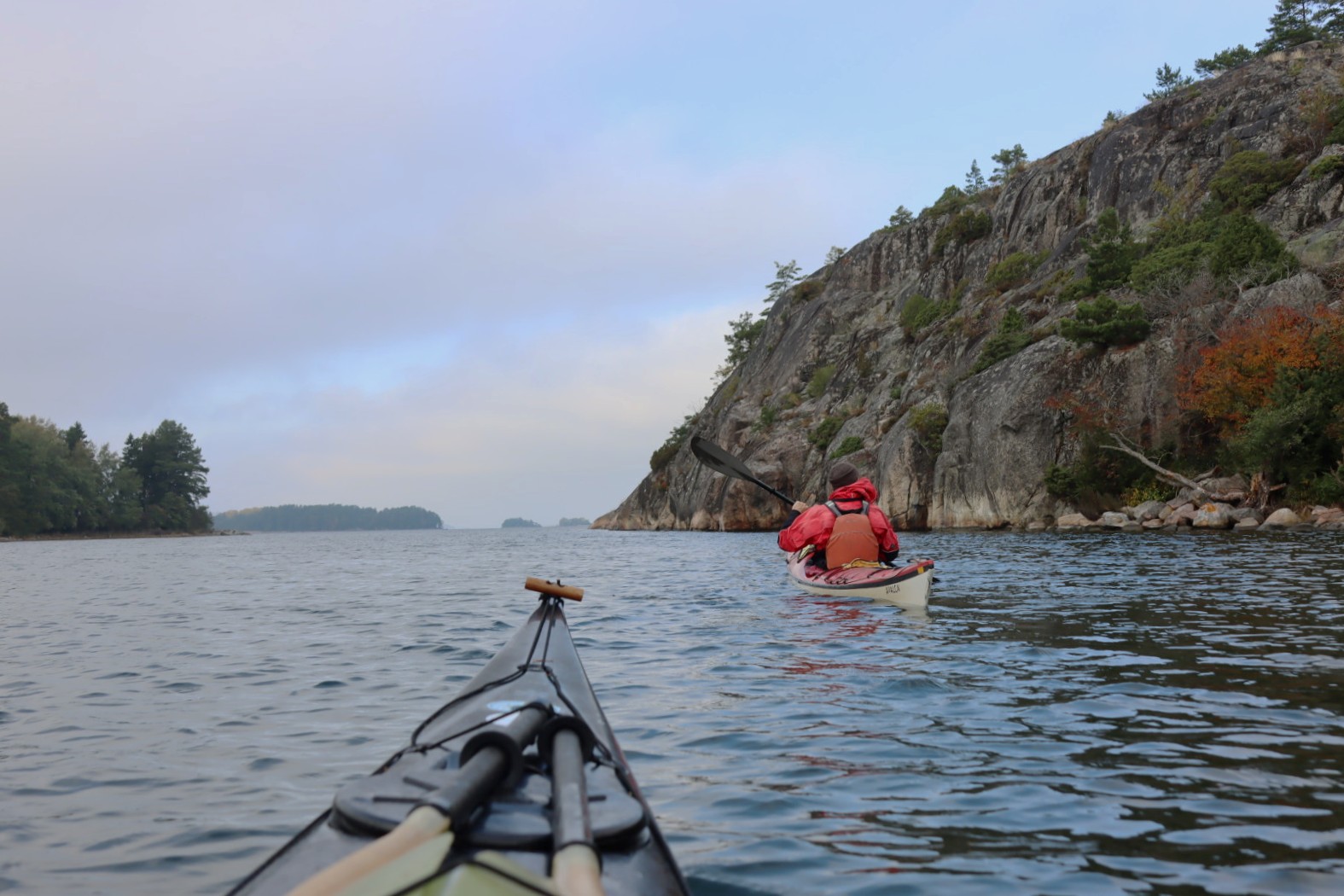
Chronology: A Journey to Sandön
To experience this transition firsthand, we embarked on an overnight kayaking excursion to the island of Sandön, nestled within the Archipelago Sea National Park. The journey served as a study in contrasts, a passage through a world that is neither fully summer nor truly autumn.
The Grey Silence
The journey began under a shroud of mist that clung to the horizon, obscuring the distant vistas. Despite the weather reports promising a reprieve from the gloom, the sun remained a hidden entity, leaving us to navigate under a heavy, uniform blanket of grey clouds.
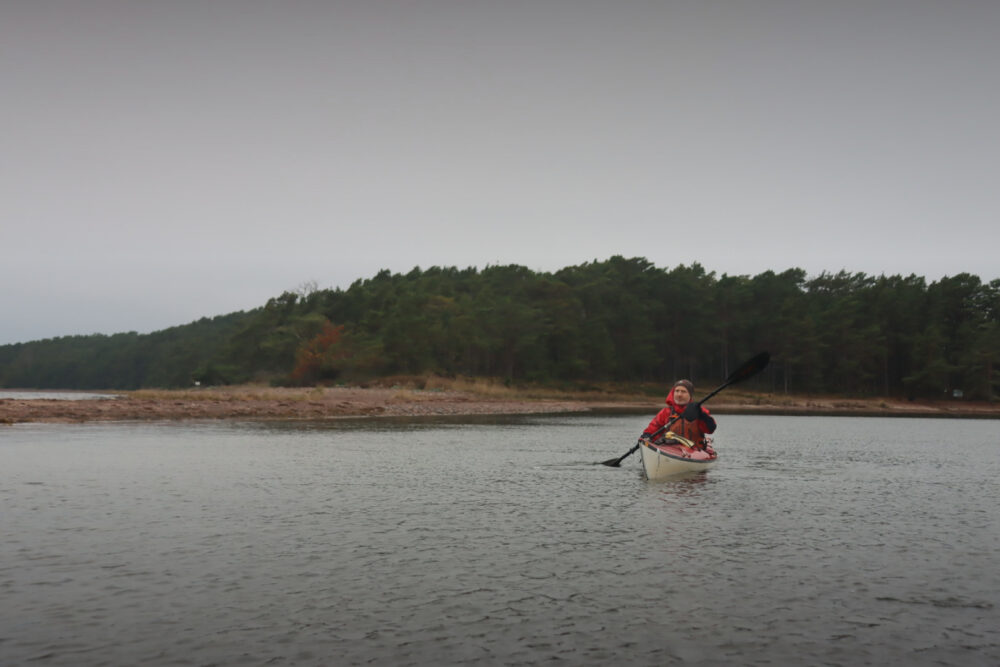
This period of the year brings a distinct shift in the sensory experience of the archipelago. The cacophony of summer—the roar of motorboats, the bustling crowds at popular anchorages, and the general human clamor—has vanished entirely. We found ourselves navigating the waterways in an almost meditative silence, liberated from the necessity of constant vigilance regarding boat lanes and heavy traffic. The solitude of the archipelago in October is not an emptiness; it is a profound, concentrated presence of nature.
Establishing the Base
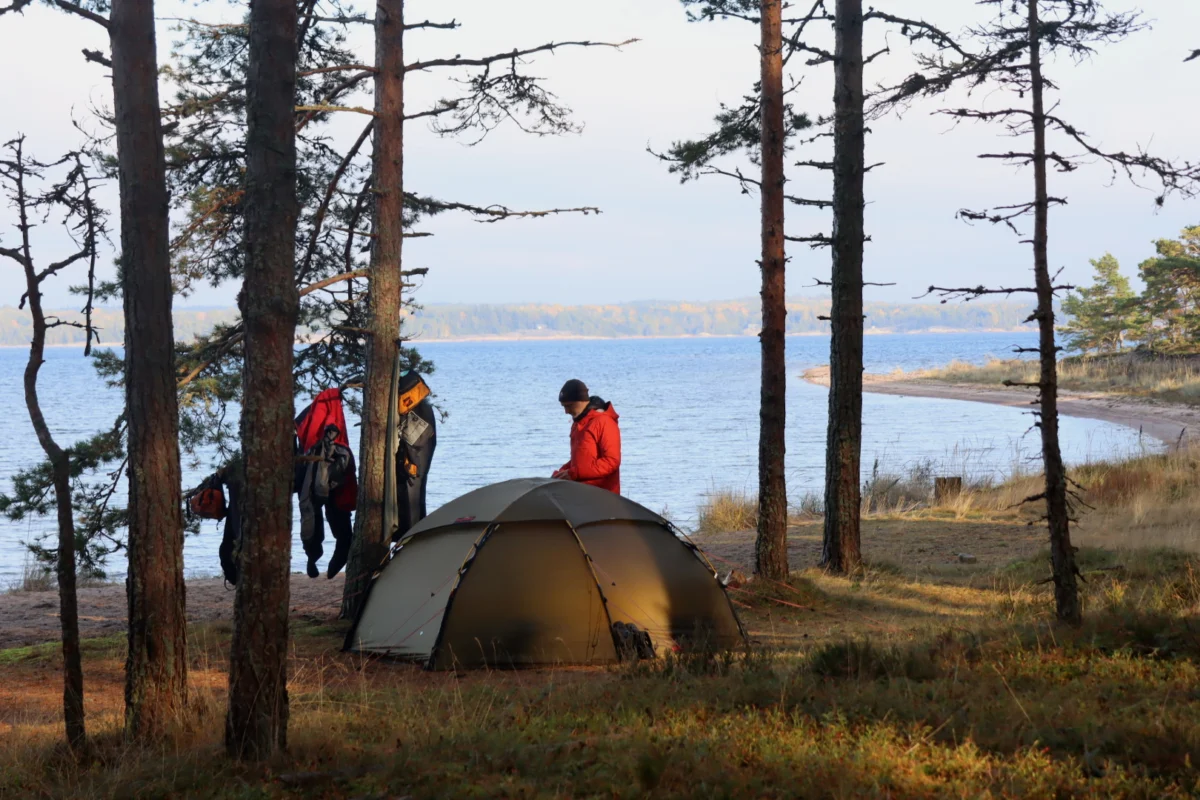
We arrived at Sandön well before the onset of darkness, securing our camp on the island’s western shore. The surrounding pine forest provided a vital buffer against the wind, which, while not biting, carried the damp weight of the season. Here, we began the ritual of the overnight camper: hanging our moisture-laden paddling gear from the sturdy branches of the pines, hoping the wind might carry away the day’s spray.
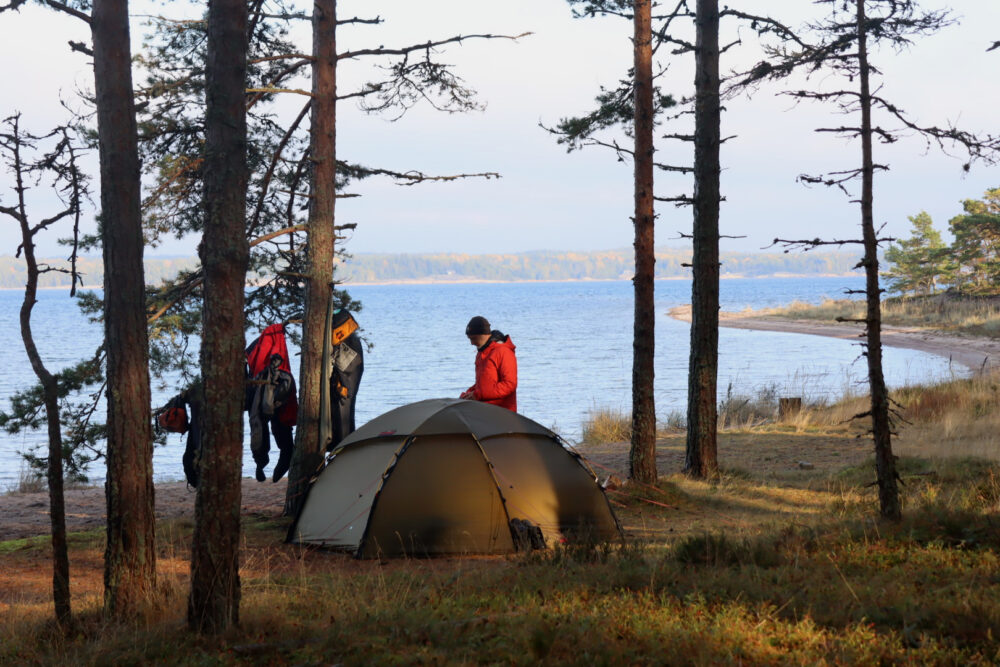
It was here that we confronted the first practical difference between summer and autumn paddling: the atmospheric moisture. In the cooling air, humidity does not dissipate; it condenses on every surface. Our kayak decks, the flysheet of the tent, and even our outer layers were soon coated in a persistent, clinging film of water. In this environment, the concept of "drying" becomes a luxury of the past. It is a sobering realization: if one were to attempt a multi-week expedition in these conditions without specialized gear and high-level moisture management, the threat of mold and equipment degradation would be immediate.
Supporting Data: The Micro-Climates of the Islands
The phenomenon we observed—a lingering, almost unnatural warmth—is becoming an increasingly documented trend in the Baltic region. The Archipelago Sea acts as a vast heat sink; the water temperature, having absorbed the energy of the summer months, continues to radiate warmth long after the air has cooled. This creates a "thermal buffer" that delays the onset of winter.
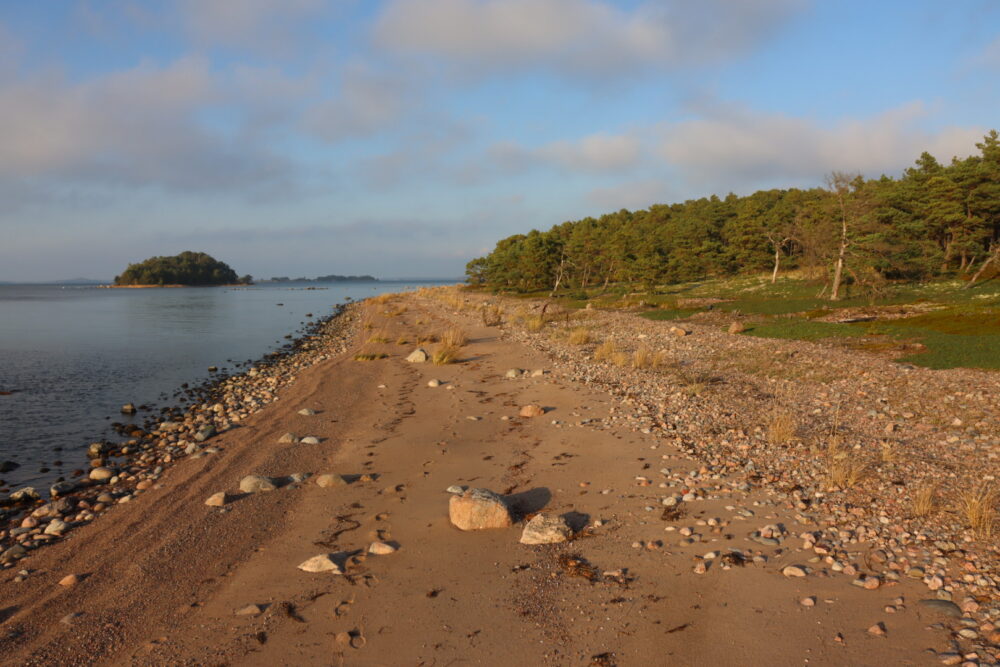
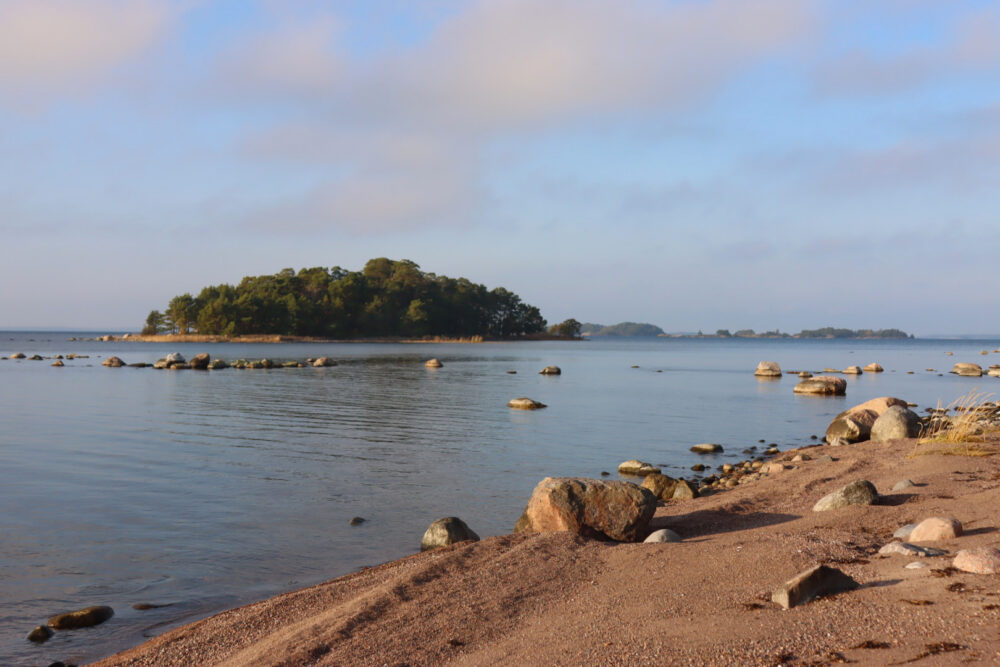
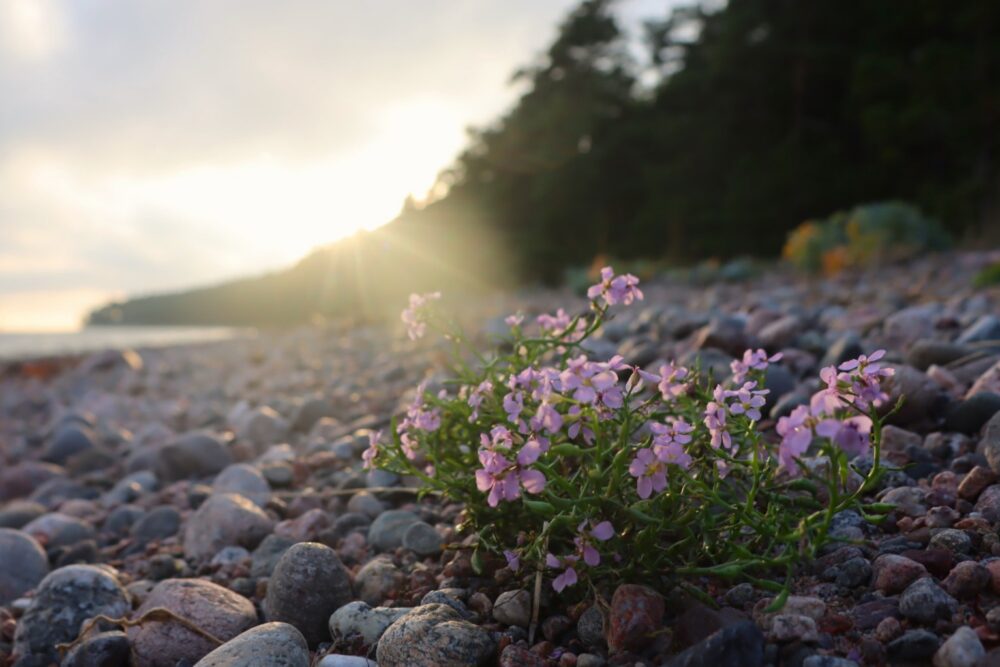
The environmental data from this region suggests that while the terrestrial flora is responding to photoperiods (the length of daylight), the maritime environment remains trapped in a state of thermal inertia. This leads to the "pastels-to-oil-paint" transition we witnessed. When the clouds briefly parted, the change in the landscape was transformative. The soft, diffuse light of the overcast sky, which rendered the world in muted, charcoal-like pastels, was suddenly replaced by the saturated, heavy colors of an oil painting. The sand on the beach caught a golden, metallic glow, and the sea shifted from a flat grey to a deep, resonant indigo.
Official Perspectives and Ecological Implications
Ecologists and meteorologists studying the Baltic Sea note that these "long autumns" have profound implications for the local ecosystem.
- Migratory Patterns: Many bird species that typically depart by late September are lingering longer in the archipelago due to the delayed drop in water temperatures and the continued presence of prey species.
- Water Quality: The persistent warmth, combined with nutrient runoff, contributes to the survival of blue-green algae (cyanobacteria) later into the year than is historically typical. During our morning swim, we noted traces of this algae still drifting in the water—a haunting reminder that the "summer" we feel is not entirely a benevolent force.
- Flora Phenology: The stress placed on trees by a late, warm autumn followed by a potentially abrupt frost can damage the hardening process required for winter survival.
The Dual Nature of the Sea
As we explored the shoreline on foot, the duality of the environment became even more apparent. On the wind-protected side of the island, the water was perfectly, glass-like calm. In that stillness, it was easy to forget the date. We were, for a few hours, granted a reprieve—a pocket of summer resurrected. It felt both glorious and inherently contradictory.
On the windward side, however, the reality of the season reasserted itself. A low, rhythmic swell washed over the rocky coastline, a reminder of the energy the sea is beginning to gather as it prepares for the storms of late autumn. When the clouds closed in again, reclaiming the sun, the golden light vanished, returning us to the reality of the October grey.
Reflection: The Departure
Our final morning on Sandön was marked by an even thicker, more pervasive mist. The air felt heavy, and the atmosphere was one of profound stillness. I had slept with my sleeping bag open, a testament to the anomalous warmth of the night.
As we packed our gear and loaded the kayaks, the transition was complete. The shoreline faded behind us, and we slipped into the familiar, hypnotic rhythm of the paddle stroke. Shortly after departure, a fine, cold drizzle began to fall—a reminder that we are merely guests in this space, and that the season is moving forward regardless of our desire for it to linger.
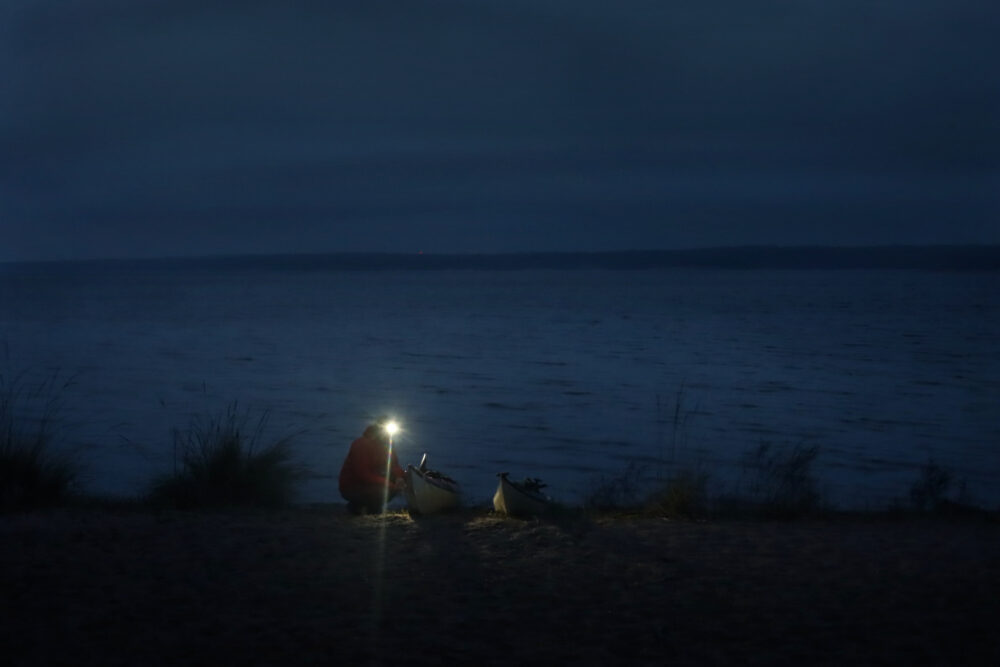
We are already planning a return. There is a necessity to visit the archipelago once more when the "real" autumn finally arrives—when the temperatures drop, the winds sharpen, and the ice begins its silent, encroaching march. We want to see the islands when they have fully shed their summer skin, before winter claims them in its white, absolute silence. Until then, we carry the memory of that brief, golden October afternoon: a strange, beautiful, and fleeting reminder of a summer that refused to leave.