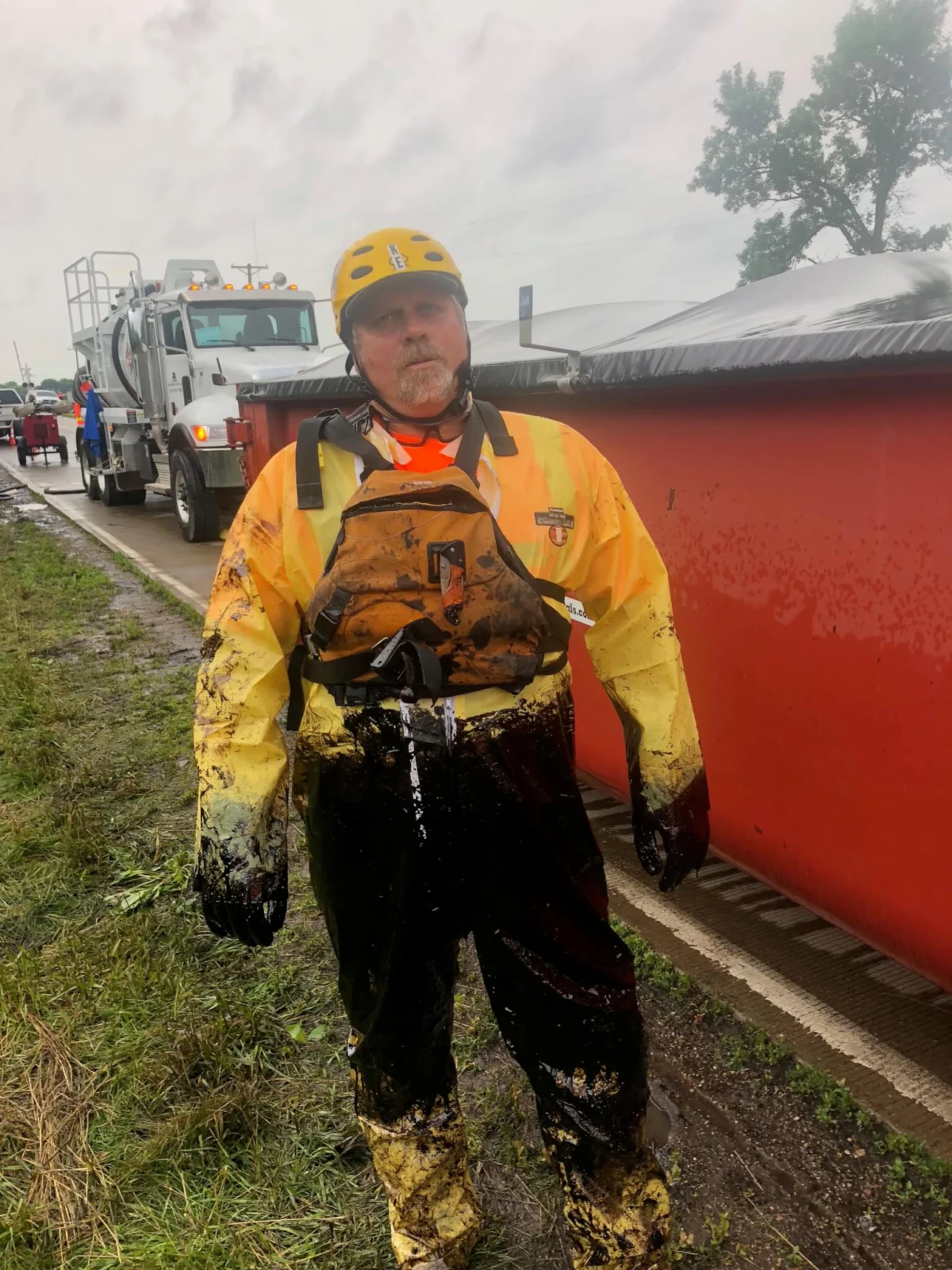
In the high-stakes world of emergency management, the difference between a minor environmental incident and a catastrophic disaster is measured in minutes. For the professionals at Whitewater Rescue Institute (WRI), who specialize in the volatile environments of fastwater and inland oil spill response, the primary objective is as clear as it is difficult: contain the spill at the source and neutralize its impact before it migrates downstream.
For years, the industry has relied on heavy, labor-intensive equipment that often hampers the speed of a response team. However, recent field trials conducted by WRI on the Clark Fork River suggest a paradigm shift is underway. By testing cutting-edge, lightweight boom technology, responders are finding that traditional logistical hurdles may soon be a thing of the past.
The Persistent Challenges of Traditional Containment
The physics of fastwater spill response present a grueling reality for field teams. Conventional containment booms are effective but notoriously cumbersome. A standard 50-to-100-foot section of containment boom is heavy, bulky, and difficult to maneuver across the uneven, often treacherous terrain that characterizes riverbanks.
For WRI, the operational burden is significant. Responders frequently spend hours physically hauling, loading, and unloading these heavy units from response trailers. In a real-world spill scenario, this "logistical friction" directly correlates to increased exposure time for the environment. When the current is swift and the shoreline is jagged, the physical exhaustion of the team can become a safety liability, and the time taken to simply arrive at the water’s edge with the equipment is time the oil continues to spread.
Chronology of the Clark Fork Field Trials
To combat these persistent inefficiencies, WRI has made it a point to systematically test emerging technologies. Last week, the institute conducted a series of drills on the Clark Fork River, chosen specifically for its fast-moving current and complex hydrological features.
Phase I: Establishing the Baseline
The initial phase of the training focused on traditional boom vane collection in the upper reaches of the Clark Fork. This served as a control group for the exercise, allowing the team to calibrate their performance metrics against conventional methods. The drill reinforced the necessity of expert risk management, as every deployment in moving water serves as a "careful experiment" requiring precise teamwork and constant communication.
Phase II: Introducing the HARBO System
The second phase marked the introduction of the HARBO boom system, a new technology that promises to redefine deployment speed. The team approached the equipment with a healthy dose of professional skepticism. The boom’s lightweight design—initially appearing almost fragile—raised concerns among the seasoned WRI staff regarding its ability to withstand the shear stress of high-velocity currents. Representatives from HARBO were on-site to provide technical oversight, guiding the WRI team through the deployment of a system designed to prioritize portability without sacrificing structural integrity.
Technical Specifications and Performance Data
The HARBO system functions on a principle of "compact storage, instant activation." Unlike traditional systems that require specialized heavy-lifting equipment, the HARBO boom is stored in high-density, portable dry boxes—typically 20 by 36 inches—each holding roughly 80 feet of boom.
Key Operational Advantages:
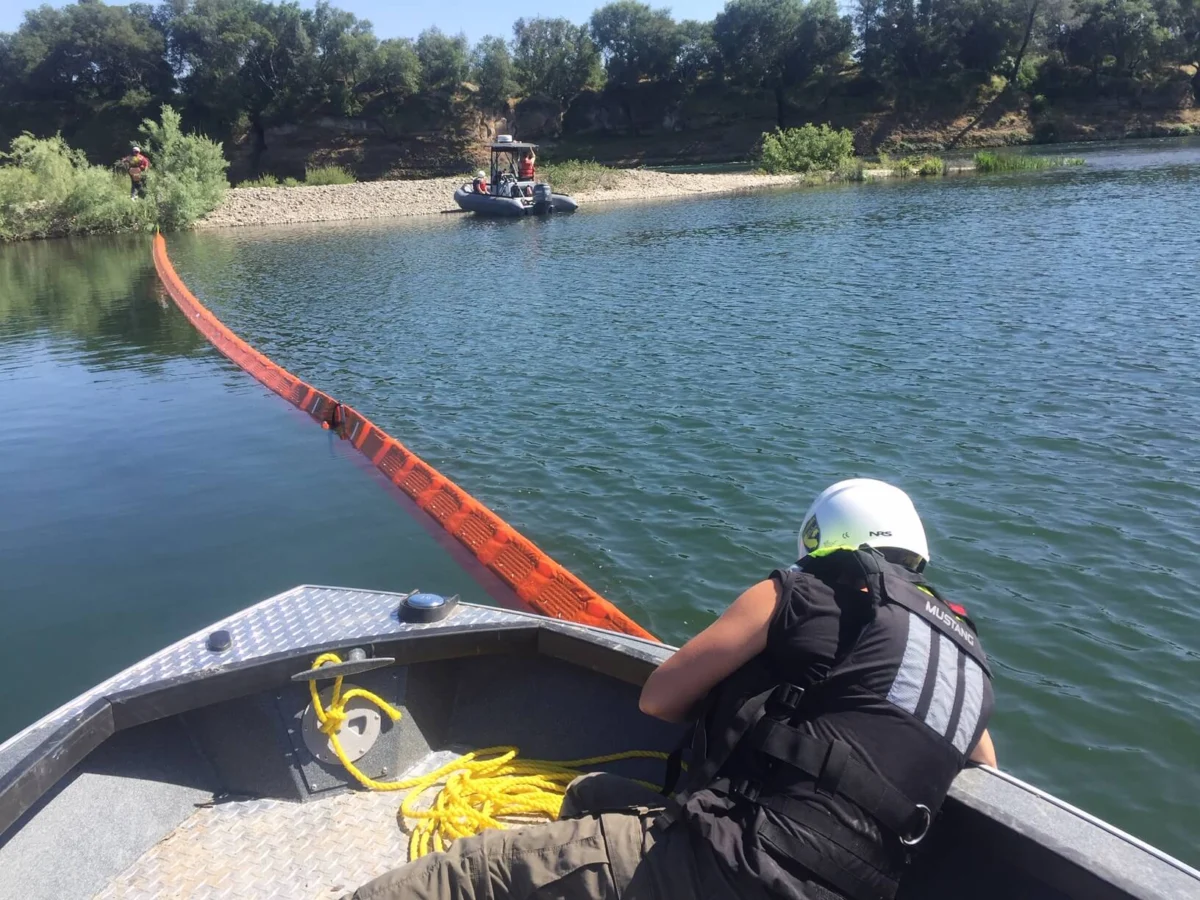
- Rapid Deployment: The system is designed to be a "one-person" operation. A single responder can line out 82 to 164 feet of boom along a shoreline in a fraction of the time required for a traditional multi-person crew.
- Hydro-Dynamic Activation: The boom utilizes a series of interior sponges that, upon immersion, automatically inflate the structure into a square profile, creating both a float and a vertical curtain.
- Structural Integrity: Despite its lightweight nature, the boom features internal nylon webbing that runs its full length, providing the necessary tensile strength for towing. Furthermore, the hollow structure is designed to allow water to flow through, which actually enhances stability in strong currents.
- Universal Connectivity: The system employs simple, single-pin connectors, eliminating the need for complex tools or manual dexterity in cold, wet, or high-stress environments.
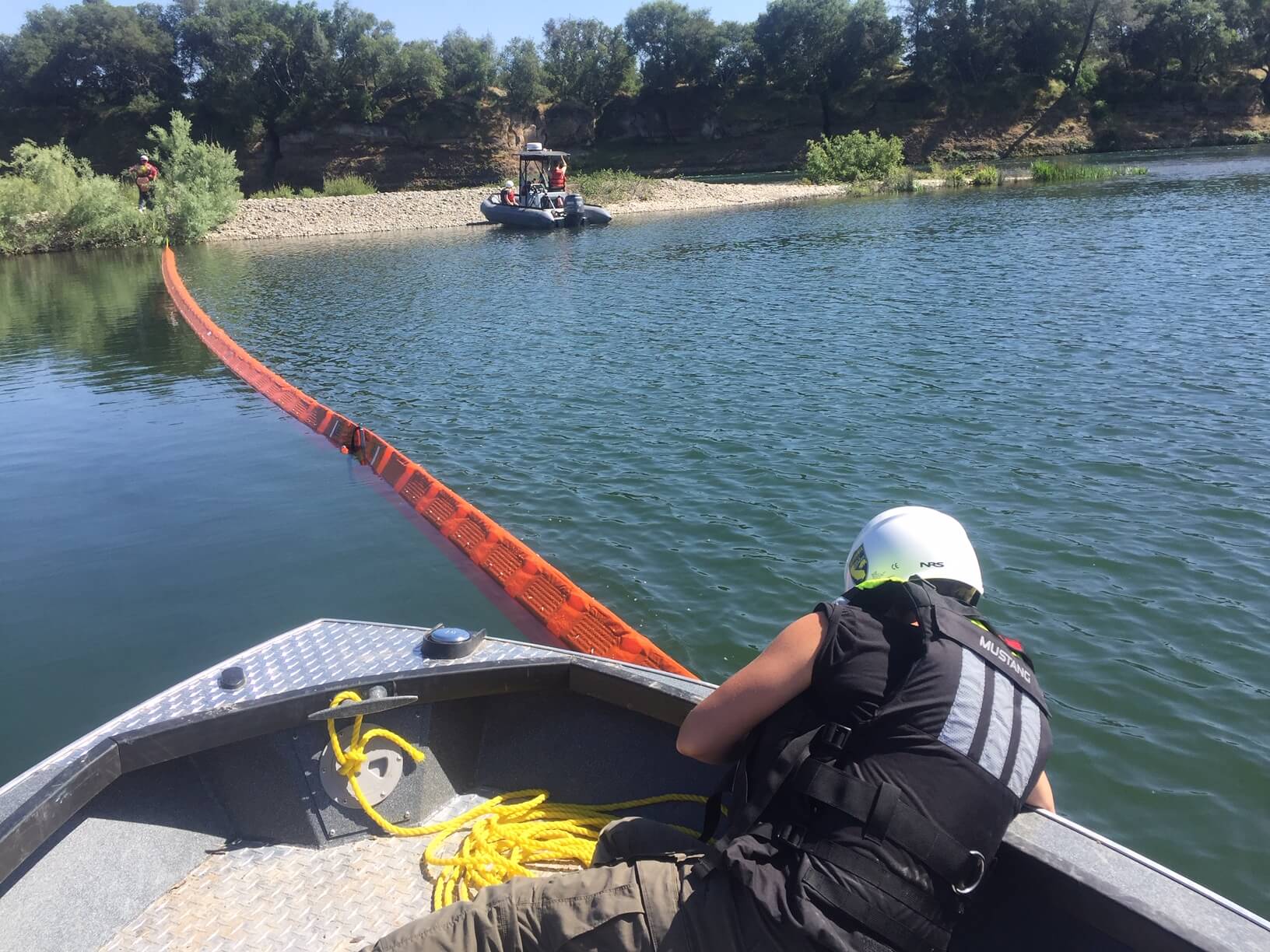
During the Clark Fork trial, the team deployed the HARBO boom in several configurations: shoreline protection, highline setups, and in tandem with boom vanes. The results were immediate and surprising. The boom showed no signs of "entrainment"—the process where the spill is forced under the boom by the velocity of the water—and it performed with a level of efficacy equal to the traditional 12-inch heavy containment booms.
Official Perspectives and Expert Assessment
The feedback from the WRI field staff was overwhelmingly positive. For professionals who have spent their careers wrestling with heavy, traditional materials, the reduction in physical labor was not just a convenience—it was a strategic advantage.
"As responders, we were surprised by both its strength and effectiveness," a WRI spokesperson noted. "This is a versatile tool that can be applied to containment, deflection, and collection strategies. If you look at facilities like refineries, rail yards, or harbors, the ability to stage this equipment and deploy it with minimal personnel is a game-changer for response times."
However, the industry experts at WRI were quick to provide a balanced assessment, acknowledging that the technology is still in its relative infancy.
Current Limitations:
- Single-Use Nature: At present, the HARBO boom is considered a single-use product. Once the internal sponges have been deployed and dried, they no longer provide the necessary structural support for the boom. This creates a significant cost hurdle for training purposes.
- Shelf-Life Considerations: The current iteration of the technology carries a five-year shelf life, after which the materials must be decommissioned and replaced.
HARBO has acknowledged these constraints, and reports suggest they are already developing a dedicated "training version" of the boom to address the cost-prohibitive nature of repeated drills.
Broader Implications for the Spill Response Industry
The successful trial of the HARBO system signals a broader trend in environmental emergency response: the shift toward modular, rapid-deployment, and "low-footprint" technologies.
Improving Response Time
The primary implication is the potential for a radical reduction in "time-to-containment." In inland spills, the first hour is critical. If a facility can store compact, lightweight booms at strategic points around a site, they can begin containment the moment a spill is detected, rather than waiting for a heavy response team to arrive with a trailer full of traditional gear.
Safety and Ergonomics
By removing the heavy lifting from the equation, agencies can significantly reduce the risk of injury to responders. Fatigue in the field is a leading cause of error; equipment that reduces physical strain allows responders to maintain focus on the environmental and tactical aspects of the mission.
Future Outlook
While the HARBO system is not a total replacement for every scenario, it is a significant addition to the modern responder’s toolkit. The WRI team plans to incorporate the technology into their active response protocols, and their endorsement suggests that the wider industry is likely to follow suit.
As climate patterns shift and industrial activity remains constant, the risks of inland spills will persist. Technologies that prioritize speed, ease of use, and effective containment are not just upgrades—they are essential components of an effective, modern environmental defense strategy. The Clark Fork River drills serve as a testament to the fact that when innovation meets expertise, the industry gains the ability to protect our waterways with unprecedented efficiency.
For more information on upcoming fastwater spill response training and the integration of new technologies, visit the Whitewater Rescue Institute website.