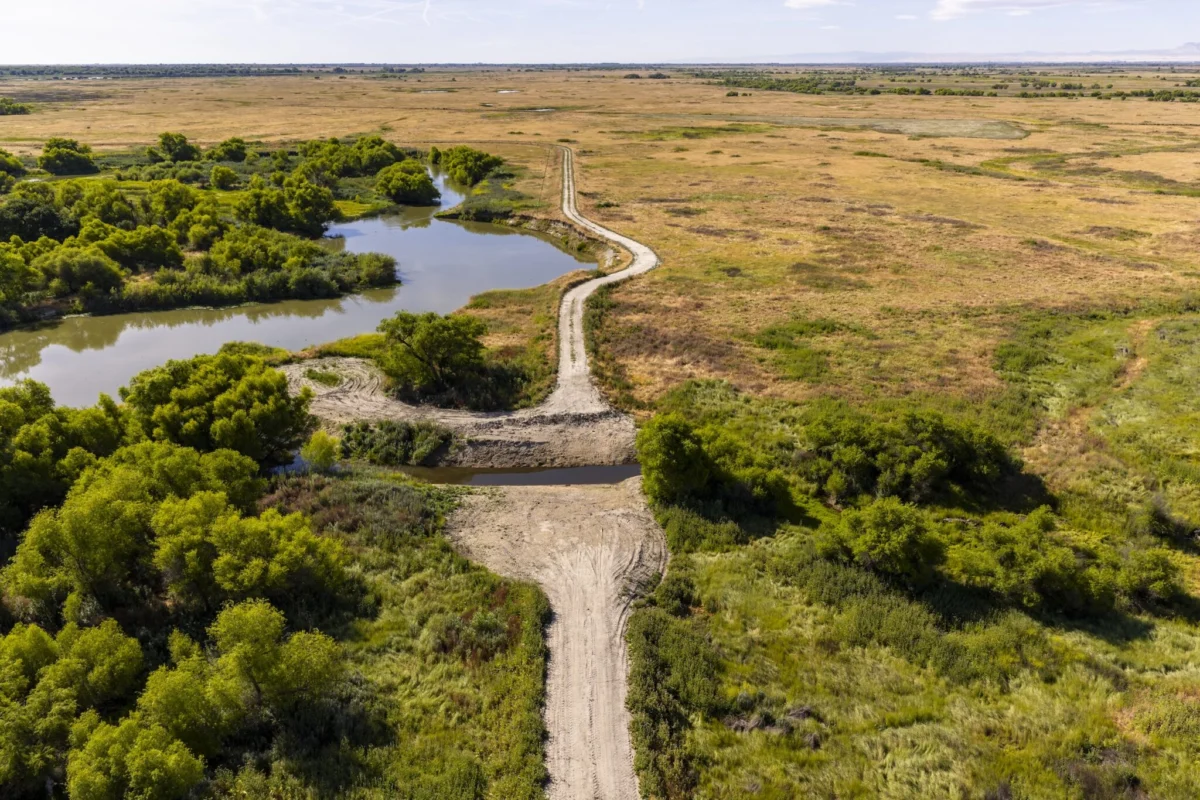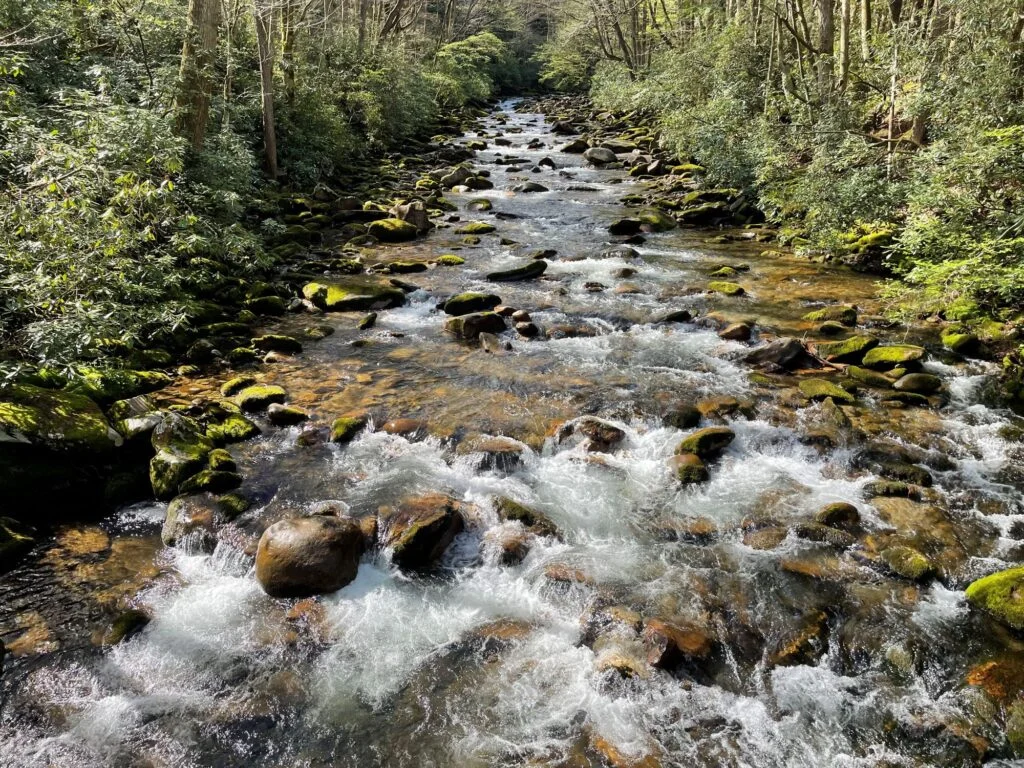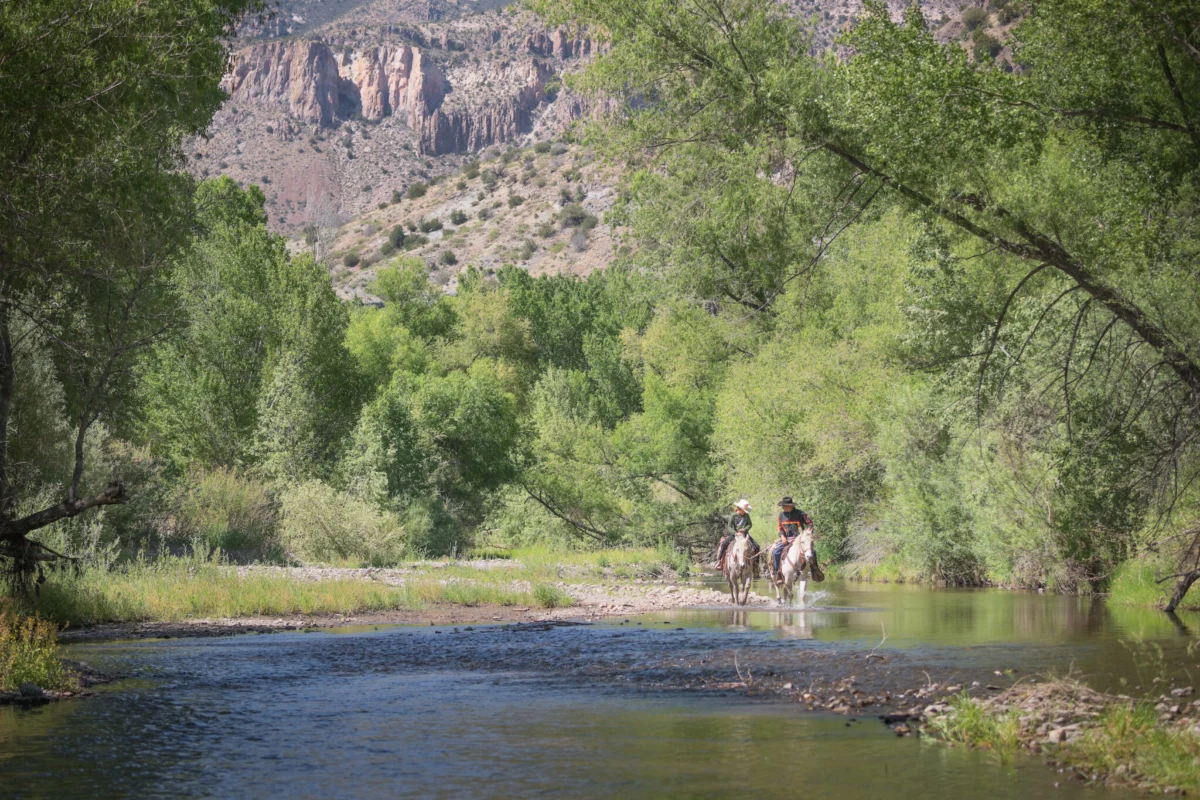
In an era of accelerating climate instability and unprecedented water stress across the American Southwest, the Gila River stands as a singular, living testament to the necessity of preservation. As the southernmost tributary of the Colorado River, this 650-mile lifeline has sustained civilizations for millennia. Yet, while the lower reaches of the Gila are often bled dry by the demands of modern urban growth and industrial agriculture, its headwaters in southwest New Mexico remain a wild, free-flowing sanctuary.
Today, a landmark piece of legislation—the M.H. Dutch Salmon Greater Gila Wild and Scenic River Act—seeks to codify this protection, offering a vision of the future where economic vitality and ecological integrity are not mutually exclusive, but interdependent.
The Gila: A Natural Tower Under Threat
The Gila River system is a sprawling, 60,000-square-mile watershed that acts as the lifeblood for millions. From the San Francisco and Verde rivers to the sprawling fields of the Gila River Indian Community and the verdant produce farms of Yuma County, the water that flows from these mountains supports a massive segment of the regional economy.
However, the river’s journey is fraught with challenges. As it carves its way toward the Colorado River, the Gila is heavily diverted and dammed, often leaving the lower riverbed parched and struggling to retain its natural identity. This stark reality makes the preservation of the headwaters not just a sentimental endeavor, but a critical strategic necessity.
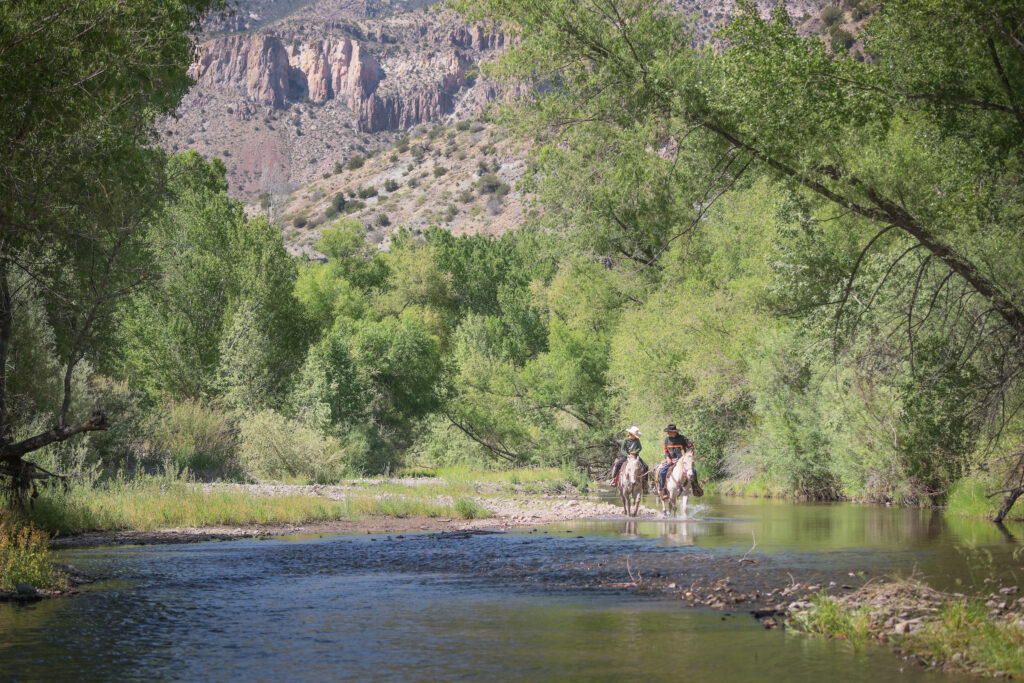
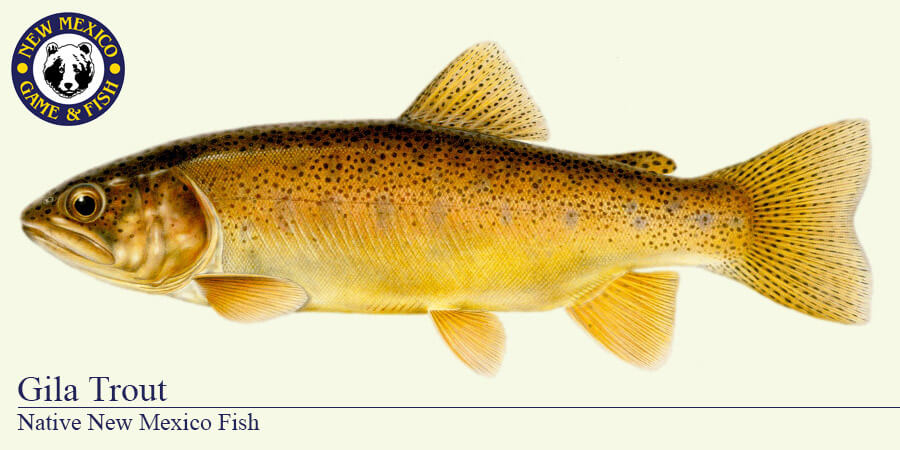
The headwaters, which originate in the Continental Divide within the Black Range, constitute the largest free-flowing system left in the Southwest. It is an ecosystem defined by deep volcanic canyons, towering old-growth sycamores, and a profound biodiversity that includes the endangered Gila trout, Mexican wolves, black bears, and the elusive Gila monster. For those who have paddled its reaches, the river is more than a resource; it is a sensory experience of solitude and restoration.

Chronology of a Conservation Legacy
The movement to protect the Gila did not emerge overnight; it is the culmination of decades of advocacy, scientific study, and local organizing.
- 1968: The passage of the Wild and Scenic Rivers Act establishes a federal framework for protecting rivers with "outstandingly remarkable values," setting the stage for future conservation efforts.
- 2019: The conservation community suffers a significant loss with the passing of Maynard Hubbard “Dutch” Salmon, a celebrated writer and fierce protector of the Gila. His lifelong dedication becomes the namesake for the current legislative effort.
- 2020: During the peak of the COVID-19 pandemic, wilderness advocates find renewed clarity in the Gila’s remote canyons. Documentation of these expeditions highlights the urgent need to shield these headwaters from future damming and diversion projects.
- Congressional Introduction: Following the threat of major infrastructure projects that would have altered the river’s course, a bipartisan coalition forms. Working alongside Senator Martin Heinrich and later Representative Gabe Vasquez, the New Mexico delegation formally introduces the M.H. Dutch Salmon Greater Gila Wild and Scenic River Act.
- Present Day: The bill has undergone hearings across three separate Congresses, building a robust record of support and moving toward a potential floor vote.
Supporting Data: The Case for Protection
The legislative argument for the Gila is backed by both environmental necessity and broad-based public consensus. The proposed bill aims to protect 450 miles of 30 distinct free-flowing headwater rivers and 144,000 acres of adjacent riverside land.
The scope of support for this measure is unprecedented in regional conservation history. The coalition backing the act is a tapestry of diverse interests:
- Governmental: The Grant County Board of Supervisors, the City of Bayard, the Town of Silver City, and the Town of Hurley.
- Indigenous Leadership: The Fort Sill Chiricahua Warm Springs Apache Nation and the All Pueblo Council of Governors.
- Civic and Economic: More than 150 local businesses, alongside two veteran organizations and two faith-based groups.
- Special Interests: Seven sportsman’s organizations and four outdoor recreation groups, reflecting the shared value New Mexicans place on hunting, fishing, and backcountry access.
The economic argument is clear: by maintaining a healthy, free-flowing watershed, the state secures its natural "water towers." These landscapes act as massive, natural filters that recharge groundwater and sustain the agricultural base of the region, far more efficiently and sustainably than man-made infrastructure.
Official Responses and Perspectives
The bipartisan nature of this bill is its greatest strength. Senator Martin Heinrich and Representative Gabe Vasquez have framed the Act as a pragmatic solution to the water crises facing the West. By designating these stretches as "Wild and Scenic," the federal government provides the only legal guarantee that the river will remain free-flowing in perpetuity.
Conservationists emphasize that the choice is not between conservation and the economy. "We can learn from efforts like the one to protect the Gila River that those values are in fact interdependent," supporters argue. By protecting the source of the water, the state protects the downstream cities and farms that depend on that water for their very existence.
Local voices, including the family and colleagues of Dutch Salmon, point to the intrinsic value of the land. They argue that a river is not merely a pipeline for human consumption; it is a vital contributor to the "collective spirit" of the community, providing a necessary respite from the pressures of modern life.
Implications: A Model for the American West
The push to protect the Gila has implications that stretch far beyond New Mexico. As Congress considers a dozen other Wild and Scenic River bills, the Gila stands as a litmus test for the nation’s commitment to environmental stewardship in the face of climate change.
1. Water Security in an Arid Climate
The Gila provides a masterclass in why headwaters matter. By preventing large-scale diversions, the legislation ensures that the natural hydrological cycle remains intact. This is critical for the downstream users who rely on the Gila’s flow during periods of extreme drought.
2. The Intersection of Human and Natural Rights
The inclusion of Indigenous nations, such as the Fort Sill Chiricahua Warm Springs Apache, signals a shift toward a more inclusive conservation model—one that recognizes the ancestral and ongoing relationship between the land and its original inhabitants.
3. Economic Resilience
The broad coalition of local businesses and sportsmen underscores that "wild" is not synonymous with "unproductive." Sustainable recreation, eco-tourism, and traditional land-use practices are all bolstered by the permanent protection of the Gila’s canyons and forests.
Conclusion: The Time for Action
The M.H. Dutch Salmon Greater Gila Wild and Scenic River Act is arguably the most well-positioned natural resources bill in the current Congressional docket. It represents a rare alignment of scientific reality, economic foresight, and public passion.
For the advocates who spend their days navigating the gravel bars and sycamore groves of the Gila, the river is a reminder of what the framers of the 1968 Act envisioned: a landscape where the rhythm of the water remains uninterrupted by the demands of the modern world. As Congress looks to address the broader water crisis in the Colorado River basin, the Gila offers a pathway to preservation that is as clear and enduring as the river itself.
The wait for federal action has been long, but the consensus is deep. Whether for the sake of the endangered Gila trout, the future of Arizona’s farms, or the preservation of a wild, quiet place for the next generation of explorers, the case for the Gila is absolute. It is time for Congress to move beyond hearings and toward the permanent protection of one of America’s most vital and beautiful waterways.