By Michael Sertle
August 26, 2026
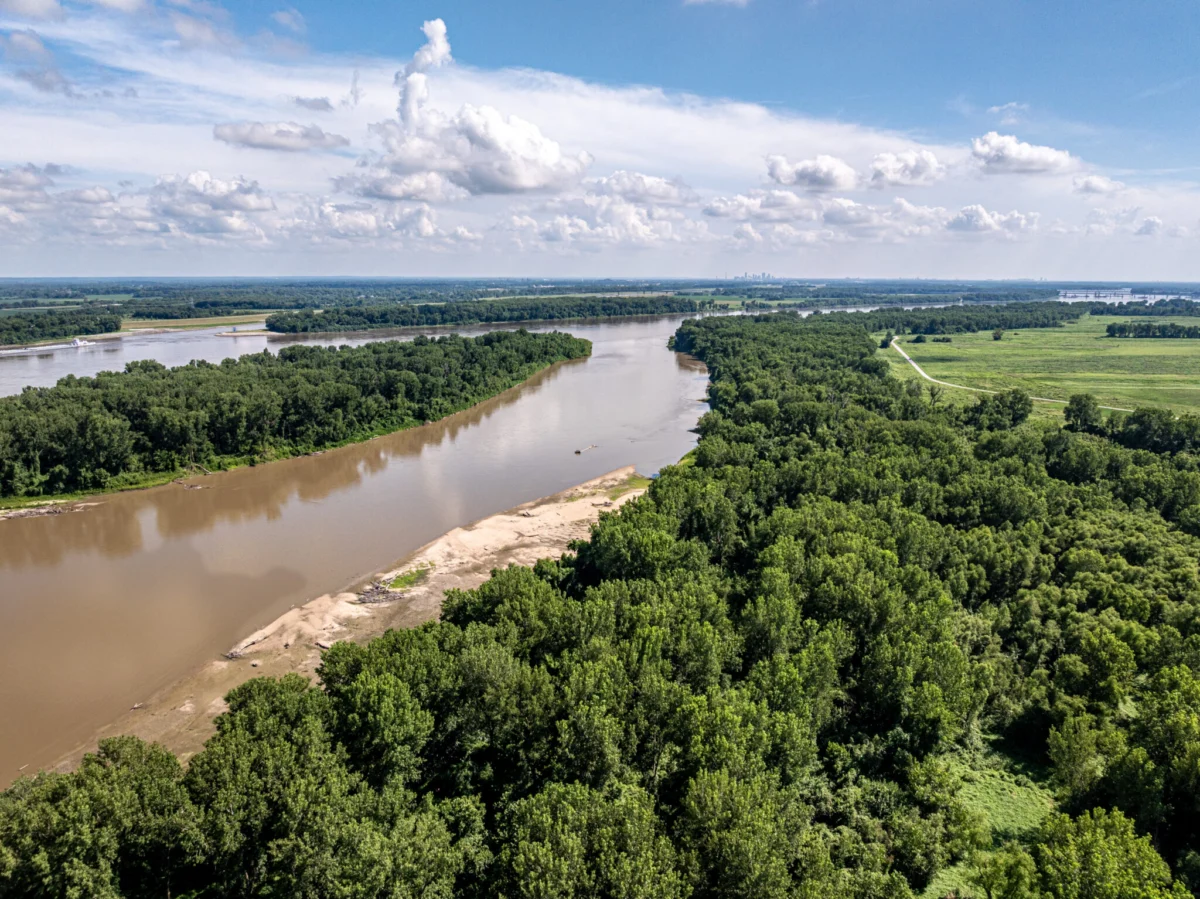
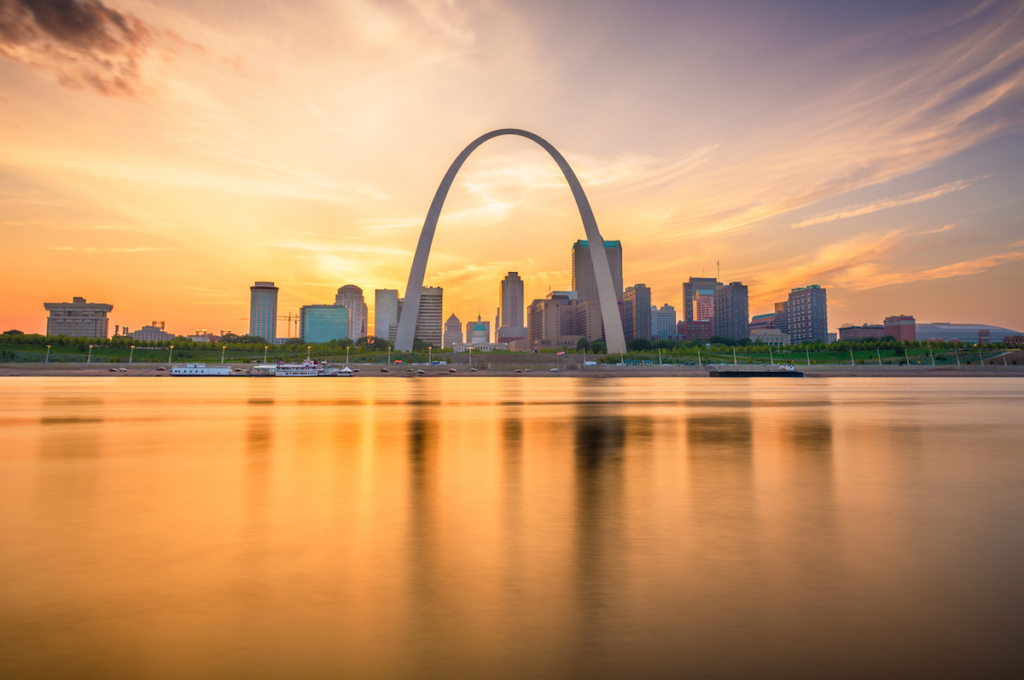
From the crystalline, snow-fed trickles of the Montana Rockies to its final, sediment-heavy collision with the Mississippi River in St. Louis, the Missouri River—affectionately and infamously dubbed the "Big Muddy"—is the lifeblood of the American heartland. For centuries, this 2,341-mile waterway has served as a cultural, economic, and ecological artery. Yet, as we navigate the mid-2020s, the river stands at a critical juncture. Once a wild, braided force of nature, the Missouri is now a complex engineering marvel struggling under the weight of human development, climate volatility, and the competing demands of a modern nation.
A Legacy of Discovery and Transformation
The history of the Missouri is a microcosm of the history of the United States itself. For millennia, the river was the domain of twenty-nine sovereign Tribal Nations, whose cultural and economic existence remains intrinsically tied to its currents. To these nations, the river was not merely a resource but a sacred entity.
In the early 19th century, the Lewis and Clark "Corps of Discovery" expedition utilized the Missouri as a highway to the Pacific. Their journey signaled the beginning of an era of rapid expansion for the newly formed United States. However, this expansion brought with it a desire to tame the wild waters. The river’s natural tendency to flood, while vital for the surrounding ecosystem, posed a significant barrier to the agricultural and commercial ambitions of settlers.
The Engineering Paradigm Shift: The Pick-Sloan Era
The modern face of the Missouri River was largely dictated by the Pick-Sloan Flood Control Act of 1944. In a post-war effort to secure the heartland, the U.S. government undertook one of the most ambitious civil engineering projects in human history. The act authorized a massive network of dams, reservoirs, and thousands of miles of levees.
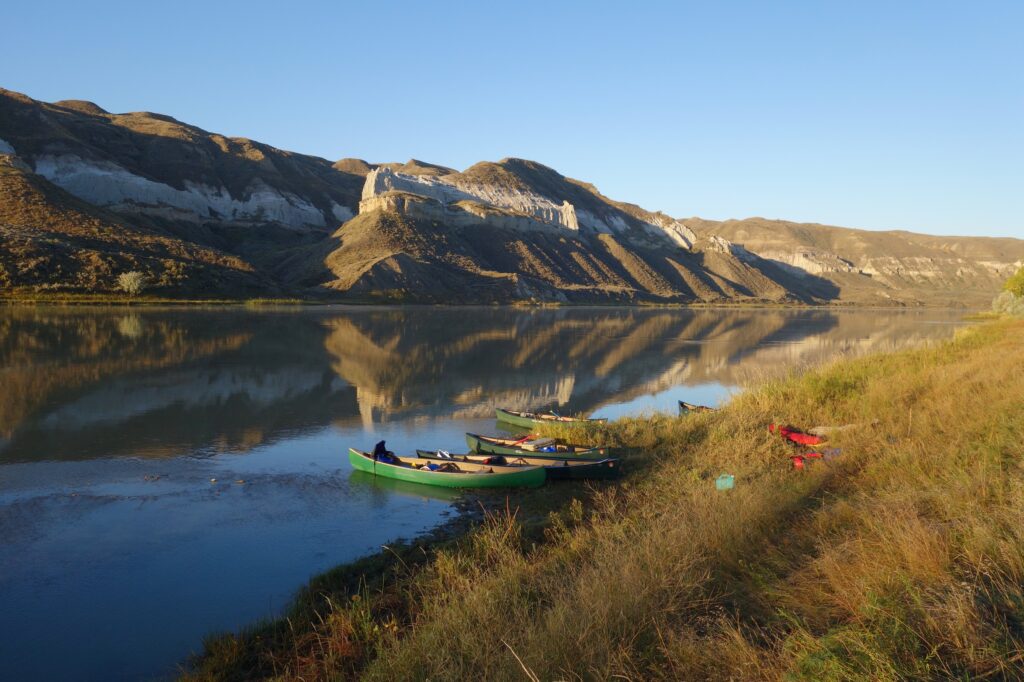
While the initiative successfully achieved its primary goals—flood control, irrigation for millions of acres of farmland, consistent commercial navigation, and reliable hydropower—it fundamentally altered the river’s character. The "Big Muddy" was effectively placed in a straitjacket. The natural connectivity between the river and its floodplains was severed, sandbars—critical for native wildlife—were submerged or eroded, and the river’s historical hydrologic rhythm was replaced by artificial, schedule-driven pulses.
Ecological Consequences and the Push for Recovery
The ecological toll of this engineering was profound. Species that evolved to thrive in the Missouri’s historically turbulent and shallow waters found themselves unable to adapt to the new, static, and deepened environment.
American Rivers identified this decline early, becoming a leading voice in the campaign to protect the species most at risk. We championed the listing of the pallid sturgeon, the piping plover, and the interior least tern under the Endangered Species Act. These listings forced a national reckoning: How could we maintain the economic benefits of the Pick-Sloan system while preventing the extinction of the species that defined the river’s biological integrity?
This advocacy led to the creation of the Missouri River Recovery Program (MRRP), managed by the U.S. Army Corps of Engineers (USACE). The program was designed to balance human use with biological necessity, focusing on:
- Habitat Restoration: Reconstructing lost sandbar and island habitats.
- Hydrological Management: Modifying dam releases to mimic natural spring rises.
- Fish Passage: Enhancing connectivity for migratory species like the pallid sturgeon.
While the de-listing of the interior least tern serves as a major victory, the work is far from complete. The BSNP (Bank Stabilization and Navigation Project) aims to restore over 166,000 acres of floodplains, yet progress has been agonizingly slow, with more than half of the targeted land still waiting for acquisition or restoration.
Data and Disruption: The Climate Factor
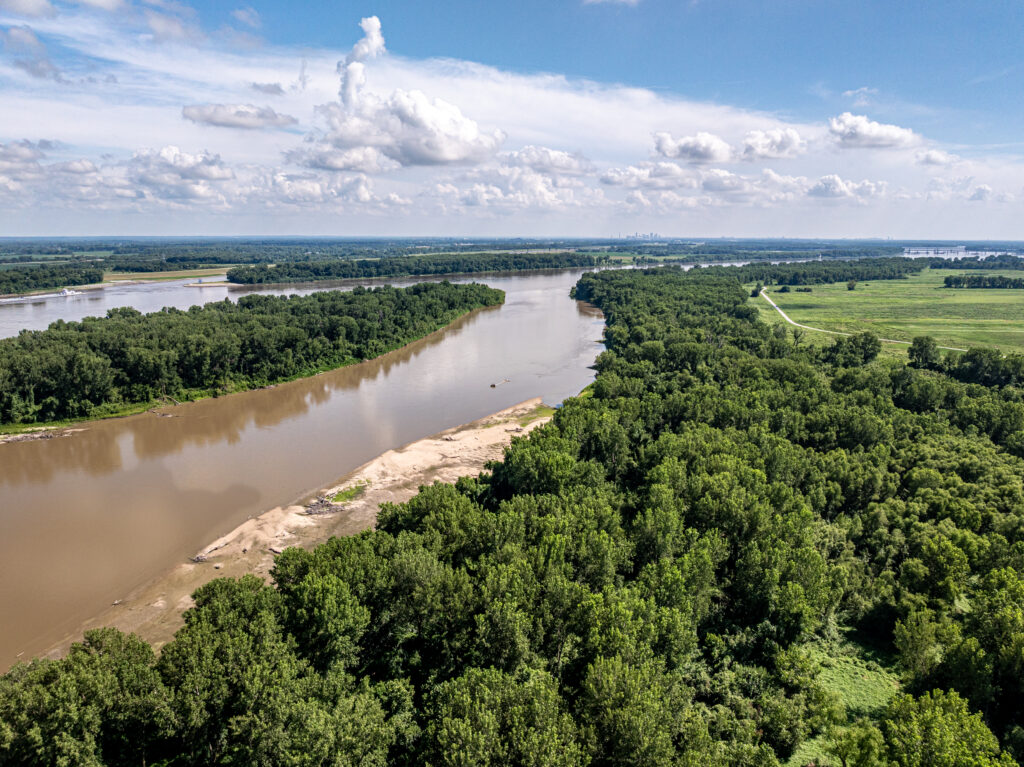
The challenges facing the Missouri are no longer static engineering problems; they are dynamic climate-driven crises. In recent years, we have seen an uptick in "erratic" weather patterns. Droughts in the upper basin have left reservoirs depleted, impacting hydropower and irrigation, while severe, flash-flooding events downstream have tested the limits of our aging levee infrastructure.
Current data highlights a widening gap between our current water management strategies and the realities of a warming planet. Sediment transport, once the hallmark of the Big Muddy, has been trapped behind massive dams, leading to "starved" riverbeds downstream. Furthermore, the degradation of natural floodplains—which act as a "sponge" for excess water—has exacerbated the severity of flood events in communities along the river’s path.
Official Responses and Stakeholder Engagement
To ensure the river’s survival, American Rivers has taken an active role in the Missouri River Recovery Implementation Committee (MRRIC). As official "Fish and Wildlife Stakeholders," we work directly with the federal agencies responsible for the MRRP.
Our presence at the table is vital. It allows us to provide a counterweight to purely industrial interests, ensuring that the ecological health of the river is not treated as an afterthought. We advocate for:
- Congressional Funding: Ensuring the USACE has the budget to complete the BSNP acreage goals.
- Policy Reform: Integrating climate-resilience into every facet of water management.
- Public Access: Turning restored floodplains into public assets that provide recreational opportunities for local communities.
The Path Forward: A Vision for the Big Muddy
The future of the Missouri River depends on our ability to embrace a new philosophy of management—one that moves beyond the rigid, short-term engineering solutions of the 20th century. We are currently focusing our efforts on three pillars:
- Accelerated Land Acquisition: Working with private landowners and federal programs (such as those under the U.S. Farm Bill) to incentivize the voluntary return of land to the river’s floodplain.
- Policy Advocacy: Pushing for state and federal policies that prioritize natural infrastructure—such as wetlands and floodplains—over traditional, concrete-heavy levee systems.
- Community Partnership: Strengthening the bonds between river stakeholders, including farmers, indigenous nations, conservationists, and commercial navigators.
The goal is not to undo the development of the past, but to harmonize it with the requirements of a healthy, functioning river system. By reconnecting the river to its floodplains, we do not just protect endangered species; we protect our own homes, businesses, and cities from the escalating threat of extreme weather.
Conclusion: A Storied River’s Future
The Missouri River is more than just a waterway; it is a repository of American history and a critical resource for our collective future. When we speak of the "Big Muddy," we are speaking of the lifeblood of the Central United States.
The challenges of the 21st century—climate change, biodiversity loss, and infrastructure decay—are significant. However, the path to a healthy future is clear. It requires a commitment to scientific rigor, an investment in natural restoration, and an unwavering belief that the river’s health is the ultimate measure of our own. As we continue to advocate for the restoration of the Missouri, we remain hopeful. A storied river, with the right stewardship, can not only survive but thrive for generations to come.
For those interested in joining our efforts to protect the Central Region’s waterways, we encourage you to stay informed and engage with our ongoing advocacy programs. Together, we can ensure the Big Muddy remains a vibrant, living legacy.