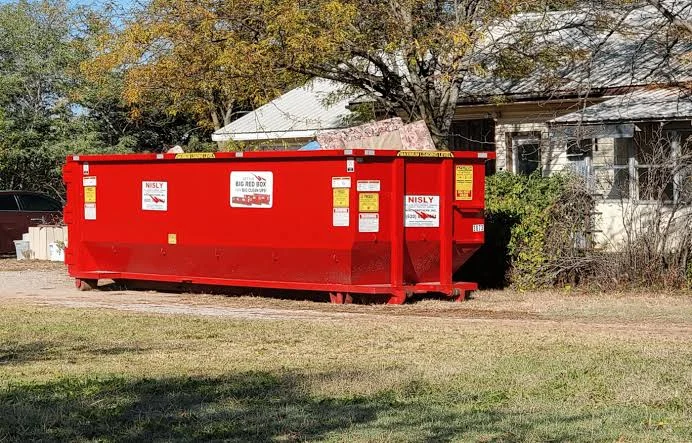
For construction managers and contractors working in dense urban cores, historic districts, and bustling downtown corridors, the logistics of waste management are rarely as simple as dropping a container on a site. In these high-stakes environments, the placement of a temporary dumpster is not merely a logistical choice—it is a complex, regulated activity that sits at the intersection of municipal code, public safety, and infrastructure protection.
When managed with precision, waste logistics act as the backbone of jobsite productivity. When treated as an afterthought, however, they become a source of significant friction, leading to punitive fines, stop-work orders, forced relocations, and a tarnished reputation with local planning authorities. Understanding the nuances of right-of-way (ROW) regulations is no longer optional; it is a critical component of operational stability in the modern construction industry.
The Landscape of Right-of-Way Regulations
In the lexicon of municipal planning, a "public right-of-way" encompasses far more than just the asphalt of the street. It includes sidewalks, curb lanes, alleys, landscaped verges, and publicly controlled access corridors. In high-density urban areas, even a seemingly "unused" patch of concrete or curb space is often legally classified as public infrastructure.
Placing a dumpster in these areas constitutes a temporary occupation of public property, which municipalities define as a "regulated encroachment." Because these areas are subject to the needs of the general public—including emergency services, utility crews, and pedestrian traffic—they are governed by strict oversight. Contractors who assume that a vacant curb space is "fair game" often find themselves at the mercy of complaint-driven enforcement, where a single report from a neighbor or passing pedestrian can trigger an immediate inspection and subsequent removal order.
Chronology of Compliance: A Proactive Approach
To maintain project momentum, compliance must be integrated into the very earliest phases of a project. The following chronology outlines the necessary steps for navigating these requirements:
1. Pre-Construction Assessment
Before a single piece of equipment arrives on-site, the project manager must evaluate the site’s footprint. This involves identifying the nearest legal drop-off zones, verifying the proximity of fire hydrants, and checking for underground utility access points that must remain unobstructed.

2. Permit Procurement and Lead Times
Permit processing times are not standardized. While some cities offer expedited digital permitting, others require a manual review that can take weeks, particularly if the site is located in a historic district or a high-traffic zone. Failure to account for these lead times is one of the most common reasons for early project delays.
3. Documentation and Verification
Once the permit is granted, it is not merely a piece of paper for the office files; it is a legal document that must be accessible on-site. Inspectors frequently check for proof of permit, insurance certificates, and site-specific safety plans.
4. Ongoing Site Monitoring
Conditions change throughout a project’s lifecycle. The arrival of scaffolding, the installation of temporary pedestrian walkways, or the expansion of a fence line can invalidate an existing dumpster permit. Regular reviews of site documentation ensure that the project remains compliant as the physical environment evolves.
Supporting Data: The Cost of Negligence
The financial implications of non-compliance extend far beyond the cost of a permit. When a municipality issues a stop-work order due to improper debris management, the cascading costs are significant:
- Direct Fines: Municipalities levy daily fines for illegal encroachments, which can quickly exceed the cost of the dumpster rental itself.
- Forced Relocation Costs: If a dumpster is deemed a safety hazard, the contractor may be forced to move it at their own expense, often requiring emergency mobilization of hauling services.
- Subcontractor Downtime: A blocked staging area prevents the removal of debris, which in turn halts the next phase of construction. If a crew of subcontractors is waiting for the site to be cleared, the labor costs of that idle time can reach thousands of dollars per hour.
- Project Delays: In cities with strict noise and work-hour ordinances, a single day of delay caused by a dumpster infraction can push a project milestone into the following week, disrupting the entire construction schedule.
The Rationale: Why Cities Regulate Dumpsters
Municipal governments do not impose these regulations to be obstructive; they are designed to protect public safety and the longevity of urban infrastructure. Key objectives include:
- Emergency Access: Dumpsters must never block fire lanes or hydrant access.
- Infrastructure Protection: Streets and sidewalks are engineered for specific load-bearing capacities. A heavy container filled with masonry or wet debris can cause long-term structural damage to pavement, leading to cracking and subsidence.
- Traffic and Pedestrian Safety: Regulations ensure that sightlines at intersections remain clear and that pedestrians are not forced to walk into live traffic lanes due to obstructed sidewalks.
- Utility Maintenance: Public works departments must maintain access to underground vaults, gas shut-offs, and water mains. A dumpster placed over a utility access point can cause massive delays during an emergency repair.
Official Perspectives and Best Practices
Industry experts emphasize that the key to navigating this complexity is centralization. As contractors take on projects across multiple municipalities, the variance in regulations—from different permit application portals to varying insurance requirements—creates a significant administrative burden.

Professional services, such as Temporary Dumpster, have emerged to bridge this gap. By providing centralized coordination, these services ensure that local, state, and municipal regulations are met consistently, regardless of the project location.
Best Practices for Mitigation:
- Use Protective Base Materials: To prevent damage to public pavement, always use steel plates or thick plywood pads under the dumpster. This acts as a load-distributor and is often a mandatory requirement in many city codes.
- Strict Signage and Markings: Ensure that the dumpster is clearly marked with reflective tape and that all permit numbers are visible. This prevents confusion and reduces the likelihood of complaints.
- Align Hauling with Off-Peak Hours: Many cities have specific delivery and pickup windows. Aligning your waste management schedule with these windows minimizes congestion and keeps the site accessible for other deliveries.
- Community Relations: Proactive communication with neighbors is the best defense against complaint-driven enforcement. If a dumpster must be placed near a residential entrance, inform neighbors in advance and keep the container tidy and covered.
Implications for Future Projects
As urban areas continue to densify, the space available for construction staging will only shrink. The "luxury" of having a private lot to store waste is disappearing. Consequently, the ability to manage right-of-way compliance will become a competitive advantage for construction firms.
The shift toward a "logistics-first" mindset has profound implications. It requires that contractors view waste management not as a secondary task, but as a core pillar of their operational strategy. This includes:
- Integrating Waste Logistics into Pre-Construction: The location of the dumpster should be part of the initial site plan, not a decision made by the site foreman on the day of delivery.
- Advanced Scheduling: Using digital tools to track permit expiration dates and coordinate with waste haulers, ensuring that there is never a gap in service or a period of illegal placement.
- Liability Management: Insurance providers are increasingly scrutinizing how contractors manage public-facing risks. Documenting compliance with all municipal rules is a critical form of liability protection.
Ultimately, the goal is to create a seamless operation where the removal of debris is as predictable and orderly as the delivery of building materials. By acknowledging the reality of permit-restricted zones and investing in the necessary oversight, contractors can protect their schedules, their budgets, and their standing within the community. In the tightly controlled environments of the modern city, compliance is the only path to project success.