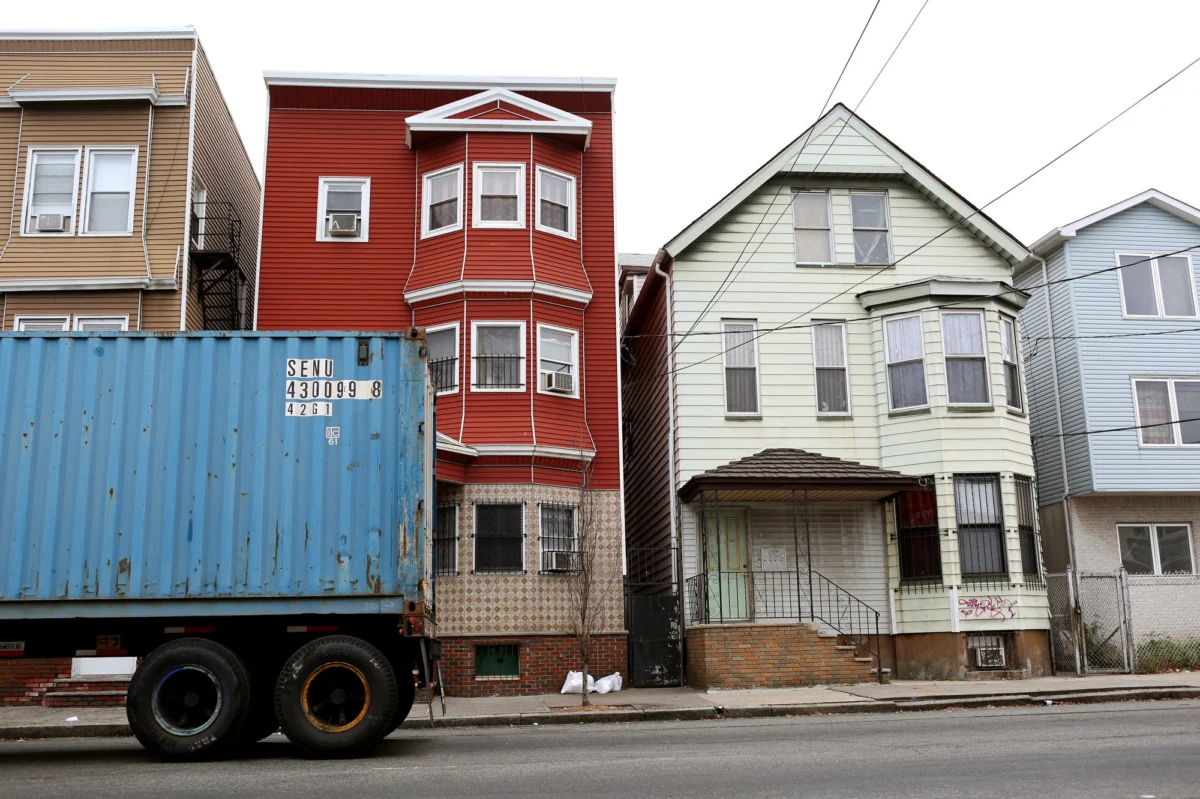
In the Ironbound neighborhood of Newark, New Jersey, the morning alarm clock isn’t a sound—it’s a vibration. By 5:00 a.m., long before the sun has crested over the skyline, the rhythmic rumble of heavy-duty diesel engines begins to rattle the windows of residential row houses. For residents like X Braithwaite, an environmental justice organizer with the Ironbound Community Corporation, the early morning air is a thick, acrid reminder of the neighborhood’s reality.
"I see five trucks right now," Braithwaite says, gesturing toward the loading facilities that hem in her community. "I live right next to a facility. The noise is astronomical. I know it’s time to wake up because, at 5 in the morning, the trucks are moving."
This is the frontline of a modern industrial crisis. As the e-commerce economy accelerates, a massive warehouse boom is quietly, yet aggressively, reshaping the landscape of New York and New Jersey. While the convenience of two-day shipping and instant delivery satisfies the demands of the digital consumer, it is creating a toxic shadow for the people living in the path of the supply chain. Now, advocates are pushing for a policy shift known as Indirect Source Review (ISR)—a regulatory tool they argue is the only way to hold the logistics industry accountable for the invisible, lethal cost of their operations.
The Geography of Exhaust: A Statistical Reality
The logistics industry has effectively turned residential neighborhoods into transit corridors. According to recent data from the Environmental Defense Fund (EDF), the scale of this encroachment is staggering: five million people—roughly one in four New Yorkers—live within half a mile of a mega-warehouse. In New Jersey, the situation is even more concentrated, with one in three residents living near one of the state’s 3,034 mega-warehouses.
These facilities act as magnets for heavy-duty diesel trucks, which emit a cocktail of nitrogen oxides (NOx) and fine particulate matter (PM2.5). These pollutants are not mere inconveniences; they are potent carcinogens and respiratory irritants linked to asthma, heart attacks, stroke, and premature death.
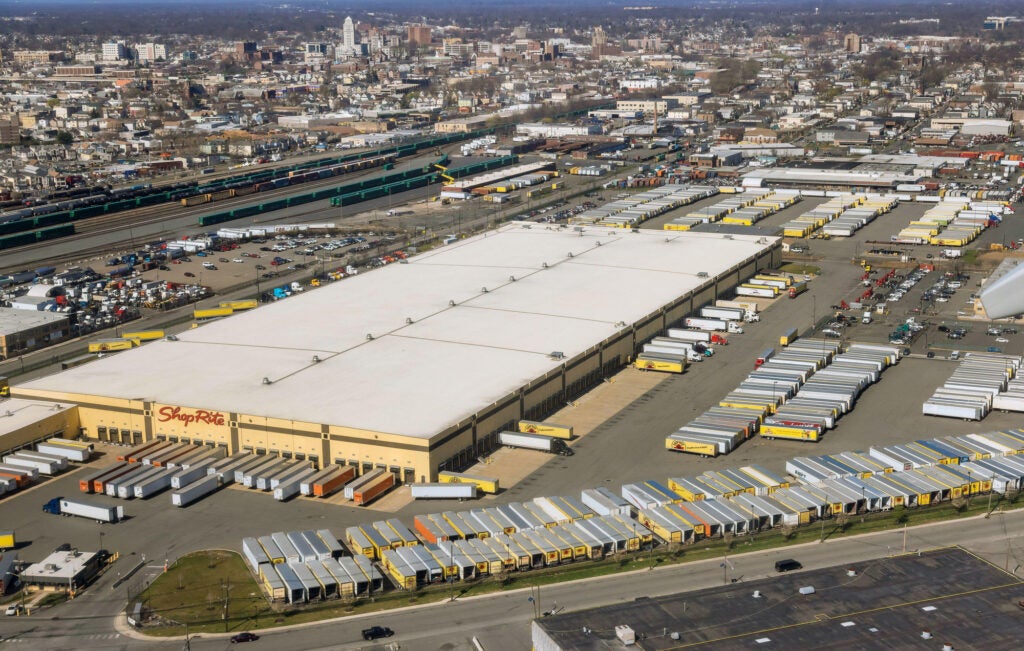
The distribution of these health hazards is far from random. In New York, environmental justice communities make up only 8.1% of the state’s total area, yet they house a disproportionate 50% of its warehouses. Similarly, in New Jersey, neighborhoods with high concentrations of non-English speakers are nearly twice as likely to have a warehouse within a half-mile radius of their homes. This is the "logistics injustice": the wealth generated by the global shipping industry is often extracted from the lungs and longevity of the marginalized.
A Chronology of the Logistics Crisis
The rapid expansion of the warehouse sector has outpaced local zoning and environmental oversight.
- 2010–2020: The rise of "just-in-time" delivery models forces logistics companies to build massive distribution centers closer to dense urban population hubs. The Port of Newark, already the largest on the East Coast, experiences a surge in throughput, fueling an expansion of trucking routes through Newark’s Ironbound district.
- 2020–2023: The COVID-19 pandemic accelerates e-commerce adoption by years, leading to a frantic scramble for industrial real estate. Warehouse square footage in New York grows at four times the rate of the previous decade.
- 2024: California’s South Coast Air Quality Management District proves the efficacy of the Indirect Source Review (ISR) model, successfully removing over 12.7 tons of diesel particulate matter and 536 tons of NOx from the air in a single year, yielding a return of over three dollars in public health benefits for every dollar spent on mitigation.
- 2025–2026: Northern New Jersey faces "extreme ozone nonattainment" status, the most severe designation under the federal Clean Air Act. With 5.9 million shipping containers moving through the Port of Newark annually, community groups and environmental advocates shift their focus to state-level legislation to regulate the indirect sources of this pollution.
What is Indirect Source Review (ISR)?
To understand the necessity of ISR, one must first understand what it replaces. Traditional environmental regulation focuses on "point sources"—the smoke coming out of a single factory chimney. However, a warehouse may not have a smokestack, but it acts as a massive generator of "indirect" pollution via the thousands of trucks that idle in its loading bays and transit through surrounding streets.
An ISR program changes the paradigm. It allows states to hold facility operators accountable for the total emissions generated by their site-related traffic. Under an ISR framework, warehouses can be mandated to:
- Submit pollution reduction plans: Requiring facilities to manage traffic flow to minimize idling.
- Transition to Zero-Emission Vehicles (ZEVs): Incentivizing or requiring the electrification of the heavy-duty fleet.
- Infrastructure Upgrades: Installing on-site solar arrays or high-speed EV charging stations.
- Mitigation Funds: Contributing to community-led health programs to treat asthma and other pollution-related ailments in surrounding neighborhoods.
Brooke Helmick, policy director of the New Jersey Environmental Justice Alliance, emphasizes that the issue is not just the pollution from one truck, but the "totality" of the industrial ecosystem. "We don’t talk about how all of this aggregated pollution impacts the human body," Helmick says. "That is a central question, and it is the reason we have coalesced around the ISR concept."
Official Perspectives and Regulatory Hurdles
The push for ISR is not happening in a vacuum. It is a collaborative, albeit tense, effort between grassroots organizations and state regulators. Leah Owens, a ports and policy analyst at the South Ward Environmental Alliance, notes that the relationship with the New Jersey Department of Environmental Protection (DEP) is evolving.
"We have a good working relationship with the DEP," Owens explains. "They are part of the process to inform what is actually feasible."
The challenge lies in balancing economic growth—New Jersey remains a vital logistics hub for the entire Northeast corridor—with the fundamental right to clean air. Industry lobbyists often argue that stricter regulations will increase costs for consumers and drive business to other states. However, advocates point to the "California Model," arguing that health savings—reduced hospital visits, fewer missed school days, and lower healthcare costs—far outweigh the implementation costs for corporations.
In New York, the proposed Clean Deliveries Act represents a similar push for legislative sanity. It would mandate emissions reviews for any e-commerce warehouse exceeding 50,000 square feet and establish protected zones around sensitive infrastructure like schools, hospitals, and nursing homes.
The Human Cost and the Path Forward
The Ironbound is, by all accounts, the most industrialized community in New Jersey. Yet, for the people living there, it is not an industrial zone; it is home. The disconnect between the boardroom decisions of logistics giants and the reality of life on Doremus Avenue is stark.
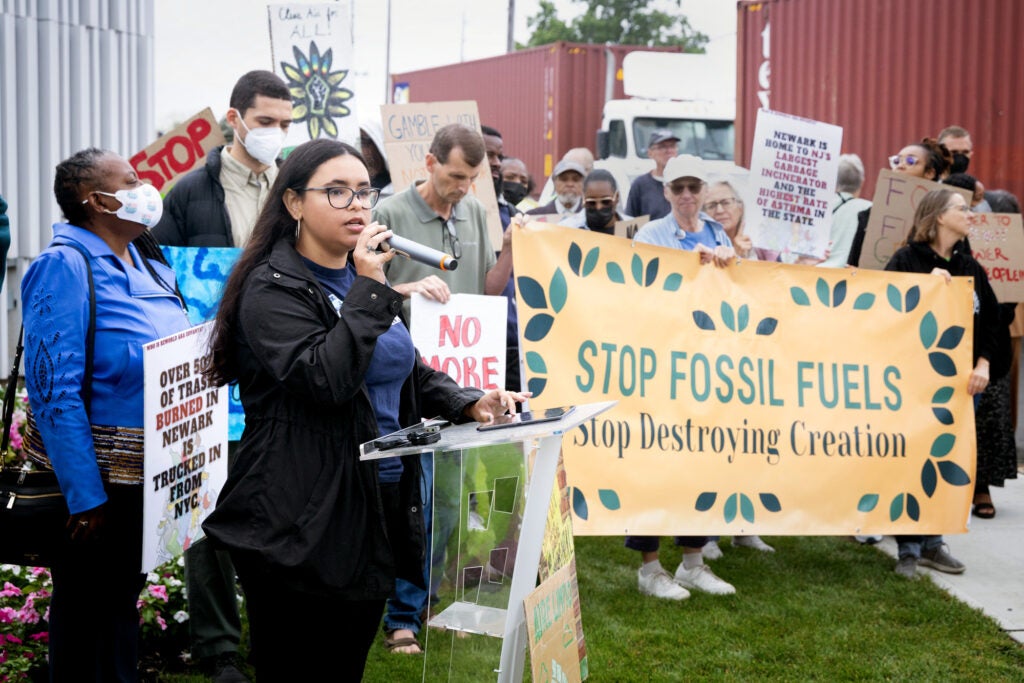
"The economy is being built on the backs of our people," Braithwaite notes. Her sentiment is echoed by organizers across the region, from the South Ward Environmental Alliance to Earthjustice and the Environmental Defense Fund. These groups are building a coalition that demands the industry become a partner rather than an adversary.
The region is already making strides in green infrastructure. Both New York and New Jersey have begun aggressive investments in electric vehicle (EV) charging grids. The infrastructure is being laid, but the policy framework to force the transition remains the missing link.
The ultimate goal is a shift from reactive environmental justice to proactive public health policy. As Braithwaite puts it, the objective is simple: "I want to see people engaging in communities they can love without the fear of health stressors. I want to see healthy communities that can thrive."
As the legislative sessions in Trenton and Albany continue, the pressure from the streets is mounting. For the millions of residents living in the shadow of the warehouse boom, the implementation of Indirect Source Review is not merely a policy preference—it is a matter of basic survival. The message to lawmakers is clear: the convenience of modern consumption cannot continue to come at the cost of a child’s breath. The era of unchecked, invisible industrial pollution is drawing to a close, replaced by a growing demand for accountability, equity, and air that is finally safe to breathe.