By Justin Hayes | May 29, 2026
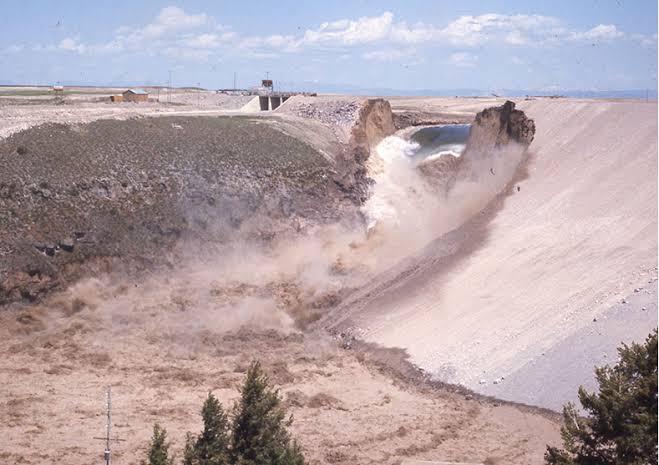
For many in the American West, the Teton River is a symbol of resilience. While the date June 5, 1976, is etched into the collective memory of Idahoans as the day the Teton Dam catastrophically failed—unleashing a wall of water that scoured the landscape and forever altered downstream communities—the story of the river did not end in the mud and wreckage of that collapse. Instead, it began a quiet, half-century journey toward ecological resurrection. Today, the Teton River stands as a testament to the fact that when we abandon the hubris of "taming" nature, we often find that the river—and the communities surrounding it—can thrive in ways previously unimagined.
The Chronology of a Catastrophe and a Comeback
To understand the current state of the Teton, one must revisit the era of "big dam" optimism. In the 1970s, the U.S. Bureau of Reclamation sought to provide flood control and irrigation water to the high desert of eastern Idaho. The construction of the Teton Dam was the centerpiece of this vision. However, the project was plagued by geological warnings and engineering oversights.
When the dam failed during its initial filling, it resulted in a human tragedy and an immediate environmental disaster. Yet, the failure inadvertently saved the Teton Canyon from permanent inundation. As the reservoir drained, the river began the slow process of reclaiming its bed.
- June 5, 1976: The Teton Dam collapses, killing 11 people and causing massive destruction to the downstream valley.
- 1977–1990: The "recovery years." Scientists and environmental advocates observe the river naturally re-establishing its morphology, clearing sediment, and restoring the riparian corridors that had been buried.
- 1995–2010: The rise of collaborative management. Local stakeholders, including the Friends of the Teton River and the Idaho chapter of Trout Unlimited, begin formalizing strategies to manage water rights without the need for large-scale storage.
- 2015–Present: The Teton becomes a national model for sustainable water usage, prioritizing the protection of the Yellowstone cutthroat trout and the economic benefits of a healthy, free-flowing river system.
Supporting Data: The Ecology of a Free-Flowing River
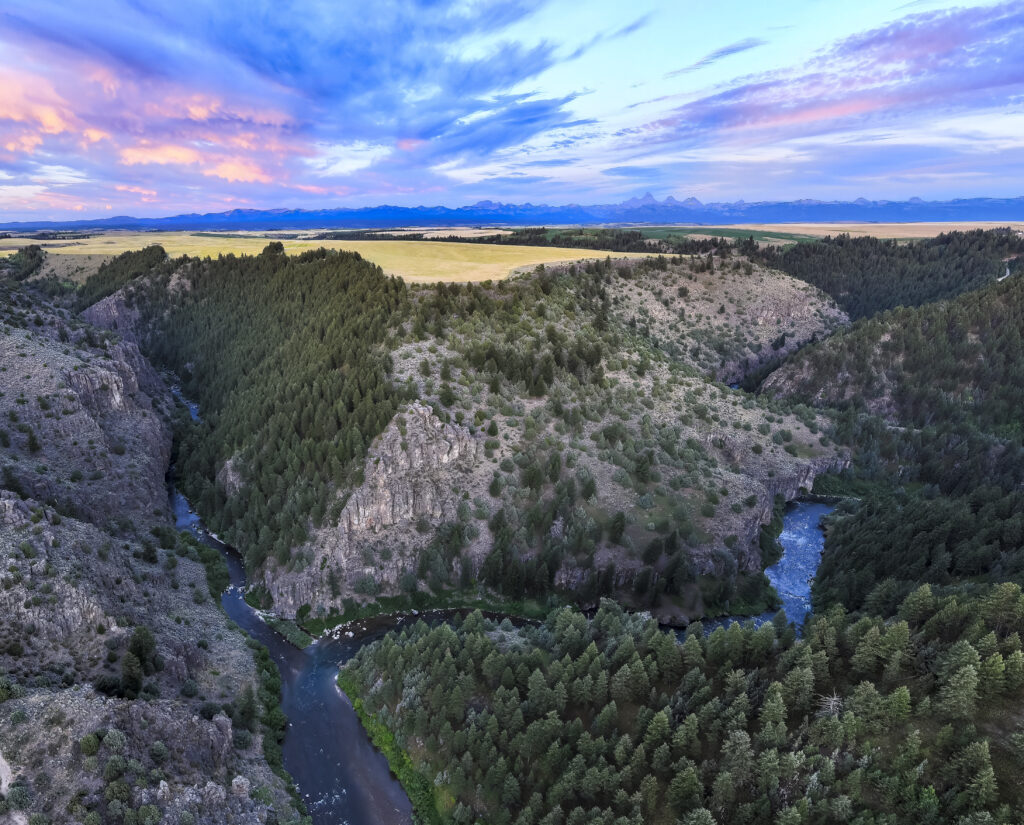
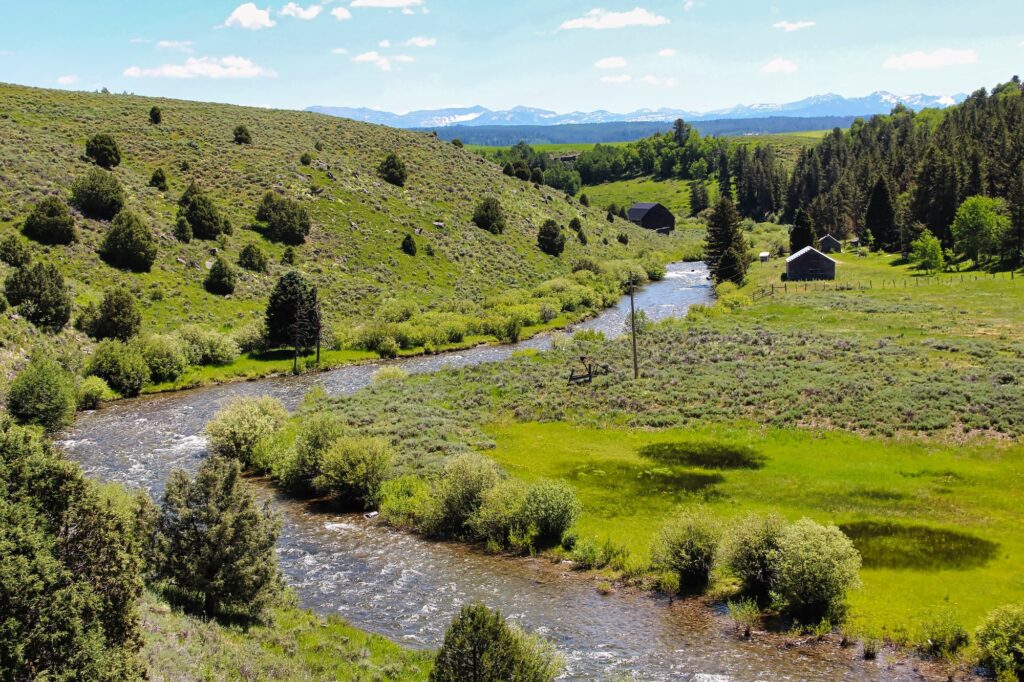
The Teton River’s recovery is not merely anecdotal; it is backed by biological and hydrological data. The canyon—a deep, geologically unique feature of the Northern Rockies—functions today as a vital refuge for cold-water species.
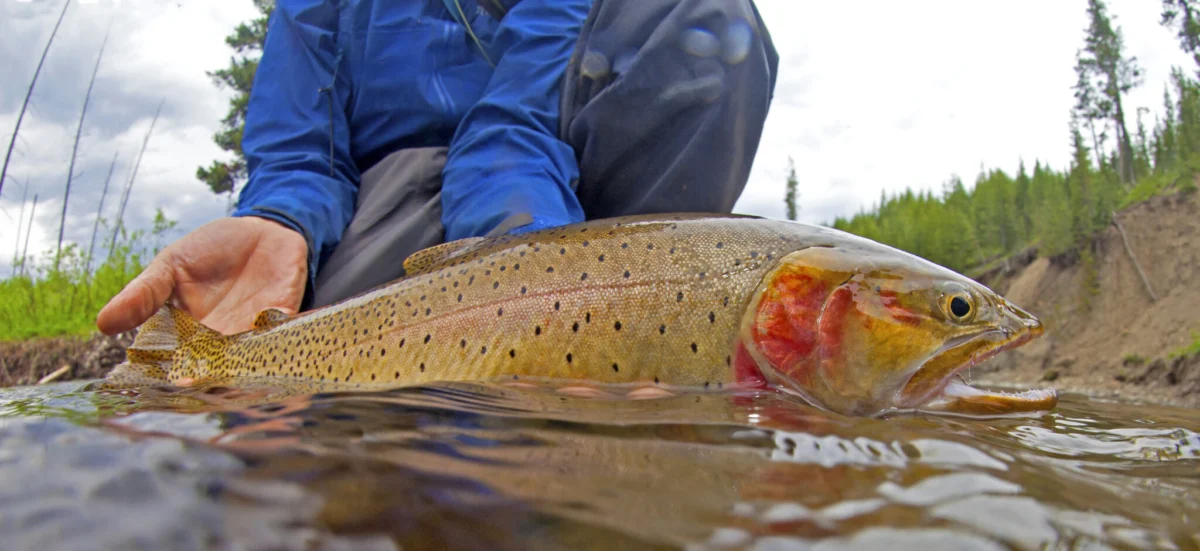
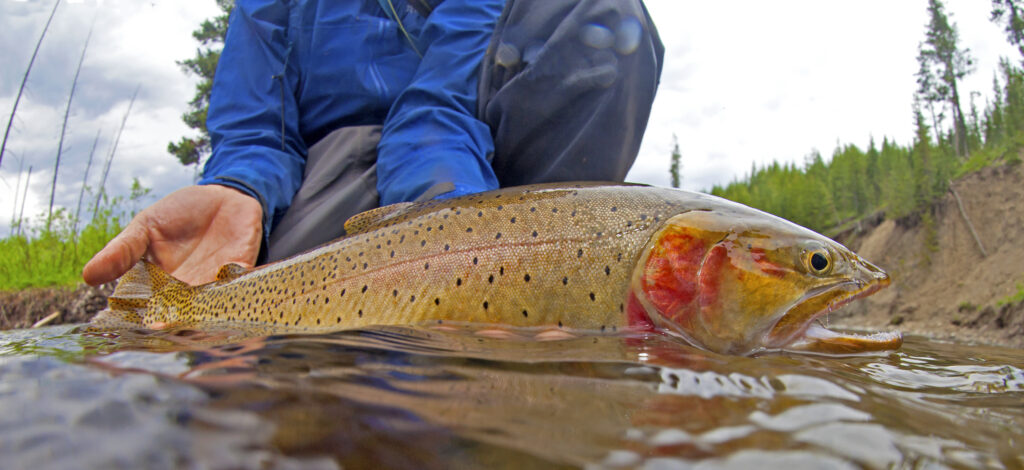
The Yellowstone cutthroat trout (Oncorhynchus clarkii bouvieri), a keystone species for the region, has seen a resurgence in the Teton that would have been impossible under the stagnant conditions of a reservoir. Studies indicate that the river’s current thermal profile—characterized by cold, oxygen-rich water—provides the precise conditions required for spawning and juvenile growth.
Furthermore, the lack of a dam means the river maintains natural sediment transport. Reservoirs act as traps for nutrients and gravel, essentially starving downstream habitats. By remaining a free-flowing system, the Teton facilitates the migration of aquatic life and maintains a complex mosaic of riffles, pools, and side channels that support a high degree of biodiversity.
Collaboration: The New "Infrastructure"
The water challenges in the West are undeniable. Agricultural producers, municipalities, and recreational economies all compete for a finite resource. In many regions, this leads to litigation and political gridlock. However, the Teton Valley has bucked this trend by viewing conservation as a form of infrastructure.
"What is happening in the Teton River Valley, where conservationists, farmers, and irrigators are coming together with innovative solutions to meet each other’s needs without building big dams… it’s a unique culture that’s been built," says Scott Bosse, Director of American Rivers’ Northern Rockies Region.
This culture involves:
- Irrigation Efficiency Upgrades: By lining canals and adopting precision watering techniques, farmers are able to maintain crop yields while drawing less water from the river, leaving more in the system for fisheries.
- Water Leasing Programs: Market-based solutions that allow for temporary transfers of water rights to keep river levels high during peak summer heat.
- Restoration of Riparian Buffers: Working with landowners to fence off riverbanks, reducing erosion and improving water quality through natural filtration.
These efforts prove that the binary choice—"agriculture or the environment"—is a false dichotomy. By investing in the efficiency of existing systems, the Teton Valley has created a more secure water future than any concrete wall could provide.
Official Responses and the Spectre of Rebuilding
Despite fifty years of ecological recovery and the establishment of a robust, nature-based economy, the Teton River faces a recurring threat: the proposal to rebuild the dam.
Proponents of a new dam argue that modern infrastructure is necessary to ensure water security for a growing population. However, critics point out that the cost-to-benefit ratio of such a project is deeply flawed. A new reservoir would submerge the very canyon that has become the crown jewel of local recreation and ecological health.
Environmental agencies and local advocacy groups maintain that the "second chance" afforded to the Teton is a non-renewable resource. To flood the canyon again would be to erase fifty years of hard-won progress. The official position of conservation organizations remains clear: the path forward lies in the expansion of the collaborative, low-impact strategies that are already proving successful.
The Implications: A Model for the West
The implications of the Teton River story extend far beyond the borders of Idaho. As climate change increases the frequency of droughts across the American West, the reliance on massive, centralized water storage is being questioned. The "Teton Model"—characterized by decentralized, collaborative, and efficiency-first management—offers a roadmap for other basins struggling with the same pressures.
If we can foster a "unique culture" of collaboration in the Teton Valley, where historically disparate groups find common ground, it suggests that the West is capable of a transition toward a more sustainable water future. The lesson is that rivers are not just assets to be managed; they are living systems that provide the greatest value when they are allowed to function naturally.
A Call to Action
The Teton River’s survival is not a given; it is a result of active, ongoing human intervention and protection. As the 50th anniversary of the dam failure approaches, the conversation has shifted from mourning what was lost to celebrating what has been regained.
The film Second Chance highlights the human element of this story. It features the voices of those who witnessed the 1976 failure and those who are now tasked with ensuring the river remains free. As Scott Bosse poignantly notes: "That river almost died in 1976. It’s had a resurrection. You don’t get many second chances in life, and you’ve got to seize them when you do."
For the residents of the Teton Valley, the river is the lifeblood of their identity. For the rest of the country, it serves as a powerful reminder: progress is not always about building something new. Sometimes, the most significant progress comes from healing the mistakes of the past and respecting the inherent power and beauty of a wild, flowing river.
The Teton River got a second chance. The question remains whether we have the collective wisdom to honor that gift, or if we will once again choose to risk it for a promise of security that, as history has shown, is anything but certain.