May 6, 2026 — As the second annual International Plastic Pellet Count enters its first week, a harrowing picture of industrial negligence is emerging from waterways across the United States and abroad. Data gathered during the initiative’s opening weekend has shattered previous records, documenting a staggering 731,552 plastic pellets—known in the industry as "nurdles"—in just 114 collection events. This figure is nearly 15 times the total recorded during the entirety of last year’s inaugural count, signaling a rapidly escalating crisis that environmentalists say is the direct result of inadequate regulation and corporate complacency.
The month-long campaign, spearheaded by the Waterkeeper Alliance and a robust coalition of global environmental groups, aims to mobilize citizens and experts to document the proliferation of these pre-production plastic pellets. With 500 events planned throughout May across the U.S., Senegal, and Australia, the project is serving as both a scientific survey and a rallying cry for legislative reform.
The Epicenter of Pollution: The Seadrift Crisis
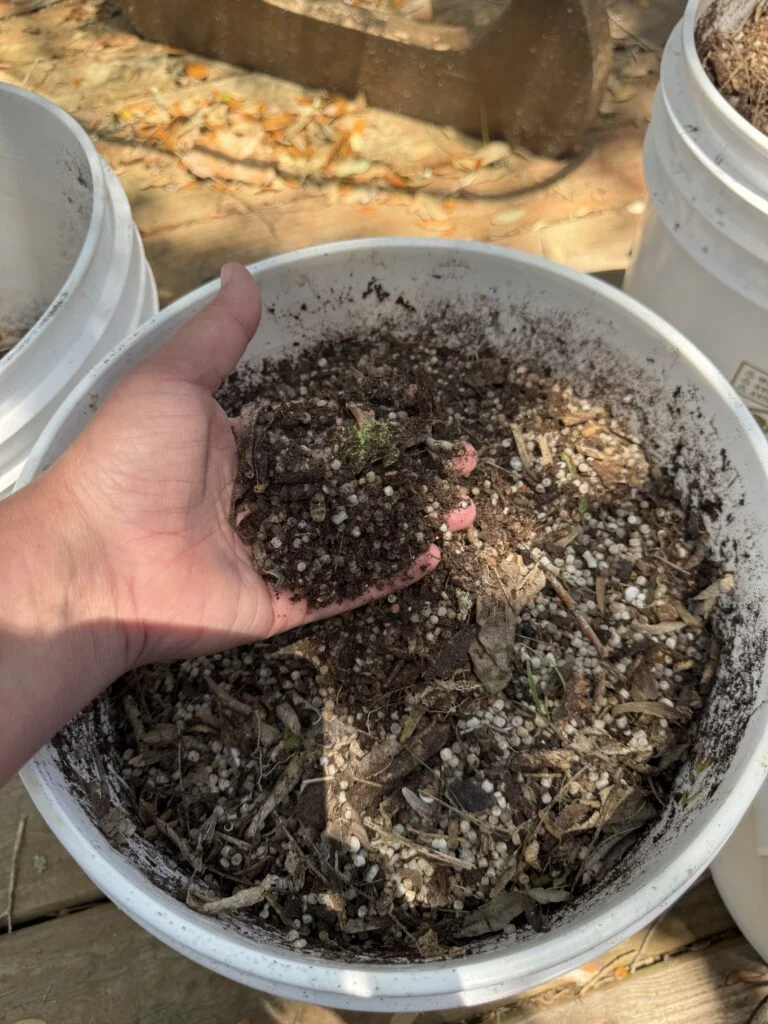
While the count is a global effort, the most alarming findings have originated from the Texas coast. In a display of efficiency that belies the environmental damage being inflicted, the San Antonio Bay Estuarine Waterkeeper team collected 715,000 pellets in just 10 minutes along the Victoria Barge Canal. This site sits in the shadow of the Dow Inc. Seadrift Operations Facility.
The sheer volume of these findings is not an anomaly. Previous monitoring by the San Antonio Bay Estuarine Waterkeeper recorded roughly two million pellets near the facility’s barge docks in a single day in December 2025. The canal, which serves as a vital artery flowing into the fragile ecosystems of San Antonio, Mission, and Guadalupe Bays, has become a primary conduit for industrial plastic discharge.
The Conflict Over Permitting
The recent surge in documented pollution coincides with a controversial move by Dow Inc. and its subsidiary, Union Carbide Corporation. The companies have formally requested that regulators weaken their existing permit language. Current permits limit "floating solids"—which include plastic pellets—to "trace amounts" in wastewater discharge. Despite this existing restriction, the actual environmental discharge remains massive. Environmental advocates argue that the permit request is an attempt to legalize what is currently a violation of environmental standards, effectively providing the company with a "license to pollute."
A Chronology of Escalation: From Oversight to Activism
The struggle to contain pellet pollution in the Victoria Barge Canal is not a new development, but its visibility has reached a breaking point.
- Pre-2025: Long-term, localized pollution from industrial facilities in the Texas coastal bend leads to the decimation of local oyster reefs and bird populations.
- December 2025: San Antonio Bay Estuarine Waterkeeper conducts emergency sampling near the Dow Seadrift facility, documenting two million pellets in a single 24-hour period.
- May 2026: The second annual International Plastic Pellet Count begins. The opening weekend yields over 731,000 pellets, with 97.8% of the global total originating from the Texas site.
- May 2026 (Ongoing): Waterkeeper Alliance, alongside 56 co-signing organizations, submits formal demands for the withdrawal of Dow’s permit-weakening request and a transition to a "zero-discharge" mandate.
Data and Environmental Impact: The "Nurdle" Problem
Plastic pellets are the raw material for nearly all plastic products. These lentil-sized spheres are designed to be melted down, but due to careless handling, transport accidents, and deliberate industrial discharge, they escape into the environment by the trillions annually.
Why Pellets Are Particularly Dangerous
Unlike large pieces of plastic debris that can be mechanically recovered from shorelines, nurdles are small enough to be ingested by the smallest organisms at the base of the food chain.
- Bioaccumulation: Pellets are porous and act as "sponges" for persistent organic pollutants (POPs) in the water, such as pesticides and industrial chemicals. When fish, birds, or oysters consume these pellets, the toxins enter their tissues.
- Trophic Transfer: As predators consume smaller, contaminated prey, these toxins move up the food chain, eventually reaching human populations that rely on these ecosystems for sustenance.
- Persistence: Because they are made of durable polymers, they do not biodegrade. They merely fragment into smaller microplastics, becoming essentially impossible to remove once they enter the sediment or the open ocean.
The Nurdle Patrol database, which serves as the central repository for the International Plastic Pellet Count, has become a critical tool for researchers. By mapping these hotspots, the coalition is providing irrefutable proof that the pollution is not "accidental" or "occasional," but rather a consistent byproduct of facility operations.
Official Responses and The Demand for Accountability
The response from the environmental community has been swift and litigious. Diane Wilson, the San Antonio Bay Estuarine Waterkeeper and a renowned activist who previously secured the largest Clean Water Act settlement against the plastics industry, has been at the forefront of the fight.
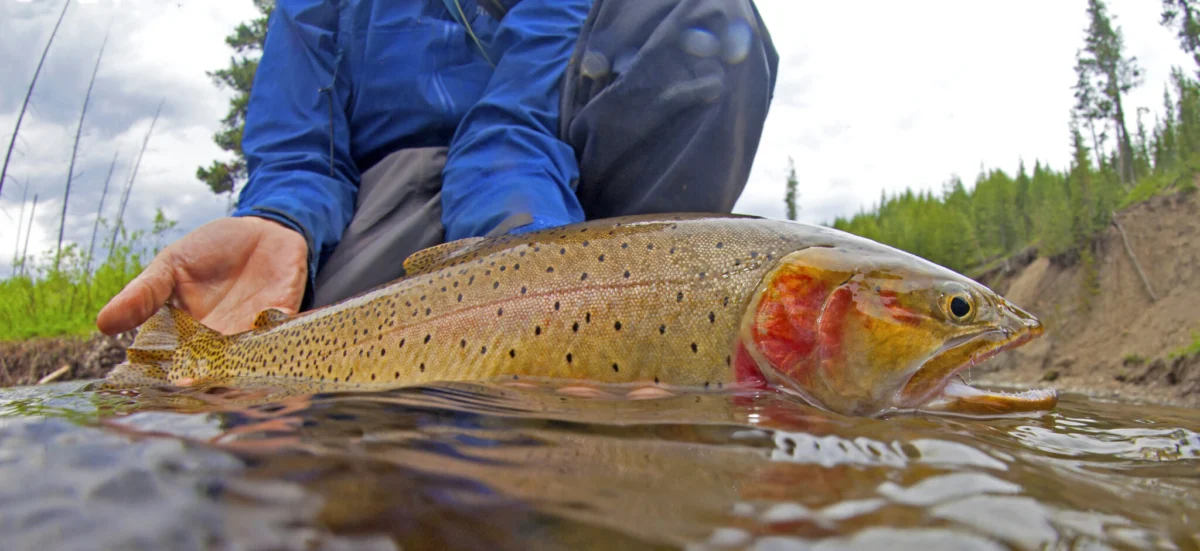
"For decades, plastic pollution has been flowing from this plant into our waterways—ending up in our bays, our shorelines, and in the fish, birds, and oysters that call these waters home," Wilson stated. "No more. The line is drawn and we demand zero discharge of plastic."
The Call for Zero-Discharge Standards
The Waterkeeper Alliance has issued a formal appeal to Dow Inc., urging the company to abandon its push to weaken permit standards and instead adopt "zero-discharge" protocols. Such standards would require closed-loop systems where wastewater is filtered to ensure not a single pellet reaches the environment.
Marc Yaggi, CEO of the Waterkeeper Alliance, emphasized the absurdity of the current regulatory environment. "When you can collect hundreds of thousands of plastic pellets in just minutes, it shows how serious this pollution has become and it raises real questions about accountability in how it’s being permitted and controlled," Yaggi said. "As this month-long count continues, these early findings reinforce the need for zero-discharge standards to stop this pollution at the source."
Broader Implications: A Shift in Legislative Will
While the situation in Texas remains dire, there are glimmers of legislative progress elsewhere. The crisis has galvanized policy shifts, most notably in Colorado. Last month, Governor Jared Polis signed the Plastic Pellet-Free Waters Act (SB26-016), effectively banning the dumping of plastic pellets in the state. This victory provides a template for other states to follow, demonstrating that the political will to hold the plastics industry accountable is growing.
The Role of Corporate Responsibility
The coalition behind the International Plastic Pellet Count—which includes major organizations like Oceana, the Surfrider Foundation, and 5 Gyres—argues that the responsibility should lie squarely with the producers. By tracking the pellets back to the specific facilities of origin, the coalition is creating a "chain of custody" for pollution. This data makes it increasingly difficult for industrial actors to claim ignorance or lack of control over their waste streams.
As May progresses, the International Plastic Pellet Count will continue its work in diverse geographic regions. The data collected will be synthesized into a comprehensive 2026 report, which will likely serve as a foundational document for future litigation and lobbying efforts.
For the citizens of the Texas coastal bend, the fight is not just about environmental statistics—it is about the survival of their local economy, the health of their families, and the integrity of the water they depend on. As the Waterkeeper Alliance continues its efforts, the message to Dow Inc. and the broader plastics industry remains clear: the era of unchecked industrial discharge is coming to an end.
For those interested in contributing to the effort, the Waterkeeper Alliance provides resources on how to conduct safe, professional-grade sampling and how to report findings to the global database. Participation in the ongoing events is open to the public and serves as a vital component in the fight for cleaner, safer waterways.