Date: June 15, 2026
Category: Gear Analysis / Alpine Safety
Podcast Reference: Backpacking Light Episode 148
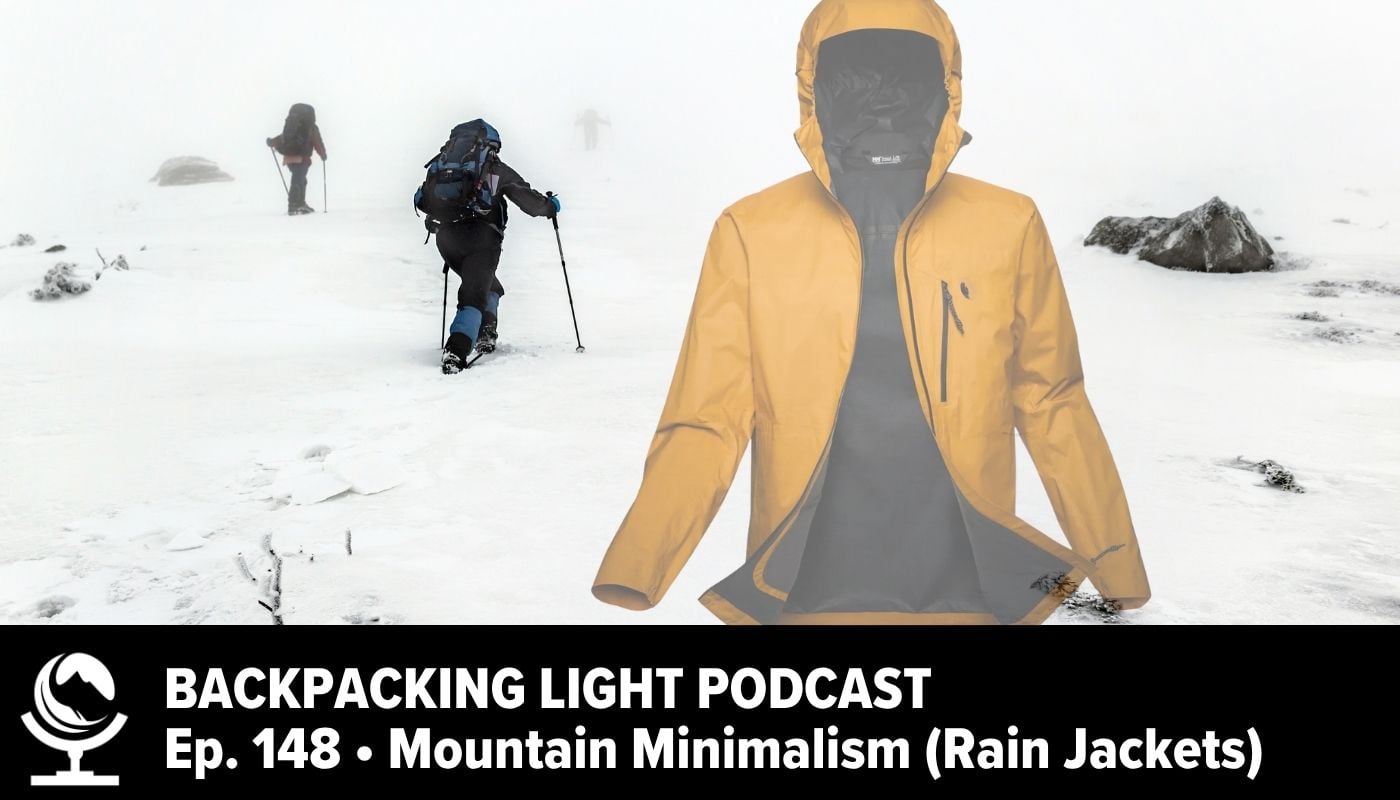
The pursuit of "mountain minimalism"—a philosophy centered on moving faster and lighter through high-stakes environments—has long been a double-edged sword for backcountry enthusiasts. Nowhere is this tension more evident than in the selection of a rain shell. While the industry has made remarkable strides in material science, allowing for shells that weigh little more than a standard cotton t-shirt, the question remains: when does "ultralight" cross the line into "inadequate"?
In the latest installment of the Backpacking Light podcast, the editorial team deconstructs the decision-making framework required to safely employ minimalist rain gear in the high alpine.
The Core Conflict: Convenience vs. Survival
For years, the ultralight movement has pushed the boundaries of gear weight. In mild, temperate, or low-exposure trail conditions, a sub-200-gram shell is often more than sufficient to keep a hiker comfortable during a passing shower. However, as one transitions from the forest floor to exposed ridges, glaciers, and high-altitude traverses, the definition of a "rain jacket" shifts from a piece of comfort-oriented equipment to a critical piece of life-support infrastructure.
The central thesis presented in Episode 148 is that minimalist gear requires a heightened level of situational awareness. If a hiker chooses to carry a 230-gram shell rather than a 500-gram heavy-duty alpine parka, they are not just saving weight; they are making a conscious decision to manage their thermal margin through pace, route selection, and retreat timing.
A Decision Framework for the Mountain Minimalist
To determine whether a specific rain shell is appropriate for a given objective, the Backpacking Light team proposes a six-pillar decision framework. Before heading into the backcountry, hikers should evaluate their gear against these criteria:
1. Exposure Duration
How long will you be exposed to the elements? A shell that performs for a two-hour afternoon thunderstorm may fail during an 18-hour cold-front deluge. Minimalist shells often prioritize breathability and weight over long-term hydrostatic head retention.
2. Retreat Options
In a mountain environment, can you get to a tree line, a bivy, or a vehicle quickly? If you are committed to a long, sustained traverse with no bail-out points, your shell must provide a higher level of protection against wind-driven precipitation.
3. Terrain and Abrasion
Minimalist jackets often utilize thinner face fabrics (20-denier or less). While these are adequate for walking, they may fail rapidly when scrambling over granite, bushwhacking through dense scrub, or hauling a heavy pack that creates constant friction on the shoulders.
4. Wind Resistance
Rain is rarely the primary killer in the mountains; wind-driven heat loss is. A shell must act as a total wind barrier. If the membrane or the DWR (Durable Water Repellent) finish degrades, the wind-chill factor can rapidly lead to hypothermia, even if the jacket keeps the rain off your skin.
5. Thermal Margin
This is the "buffer" of warmth you carry. If your rain shell is your primary wind-blocking layer, it must be robust enough to keep your insulating layers (down or synthetic mid-layers) dry. Once your mid-layer gets wet, your thermal margin drops to near zero.
Industry Leaders: The New Wave of Minimalist Protection
The evolution of materials—specifically the move toward PFAS-free membranes and advanced ePE (expanded polyethylene) technology—has allowed brands to pack more performance into smaller packages. The following models represent the current state of the art in mountain minimalism.
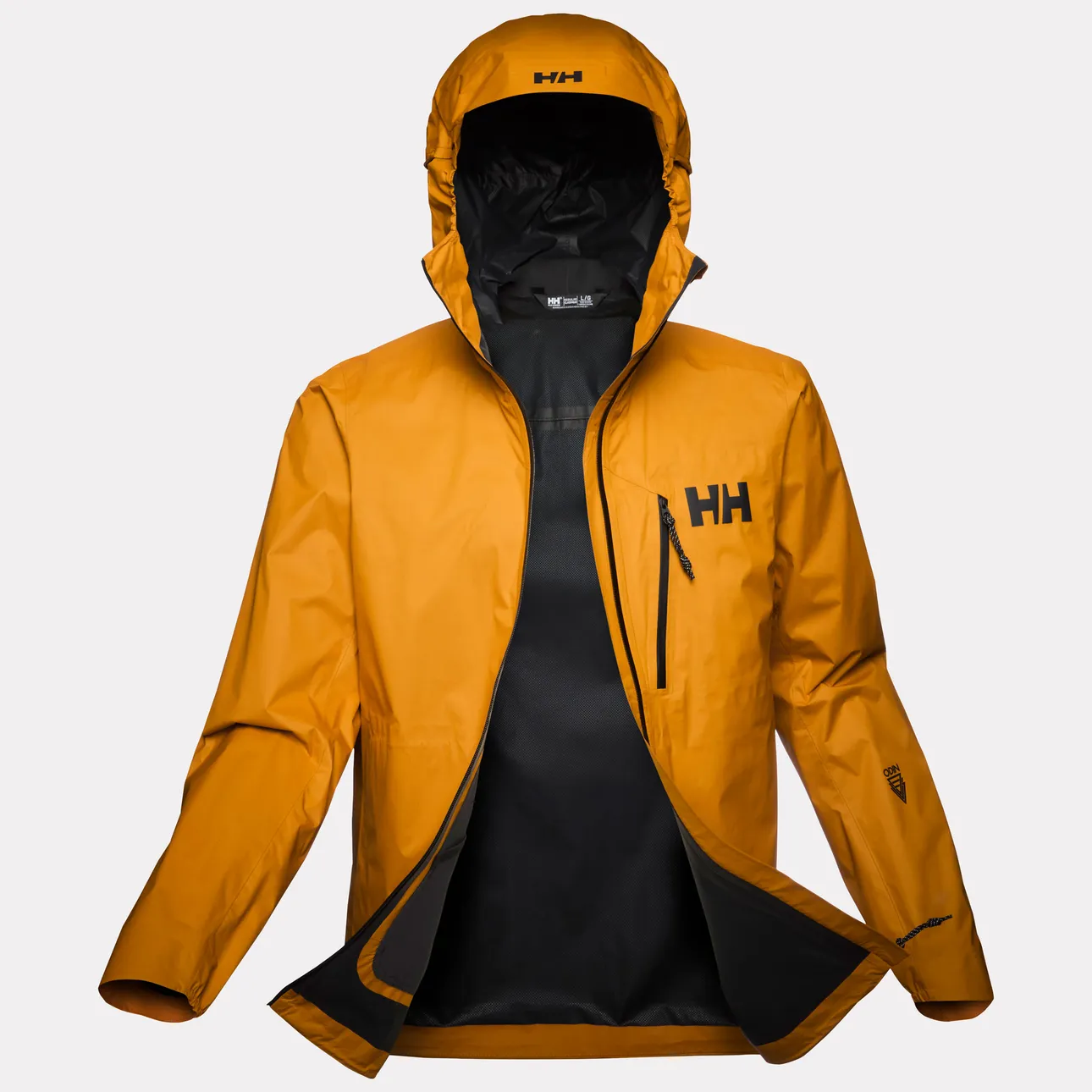
Helly Hansen Odin Infinity Minimalist Jacket
A masterclass in engineering, the Odin Infinity weighs in at 250 grams. It utilizes a 3.5-layer construction with HELLY TECH PROFESSIONAL and LIFA INFINITY technology. This piece is specifically designed for the user who demands professional-grade weatherproofing without the bulk. Its 2-way stretch fabric offers superior mobility for technical climbing, while the helmet-compatible hood and RECCO reflector demonstrate that weight savings haven’t come at the cost of essential safety features.
Arc’teryx Alpha SL Jacket
At 232 grams, the Alpha SL is a testament to the "less is more" philosophy. By utilizing GORE-TEX PRO ePE and a 20D Hadron face fabric, Arc’teryx has created a shell that is impressively abrasion-resistant despite its featherweight status. The inclusion of a StormHood ensures that visibility remains high in driving rain—a critical factor for navigation in the alpine. The move to a PFAS-free membrane aligns with current environmental standards without sacrificing the legendary durability associated with the brand.
Patagonia M10 Anorak
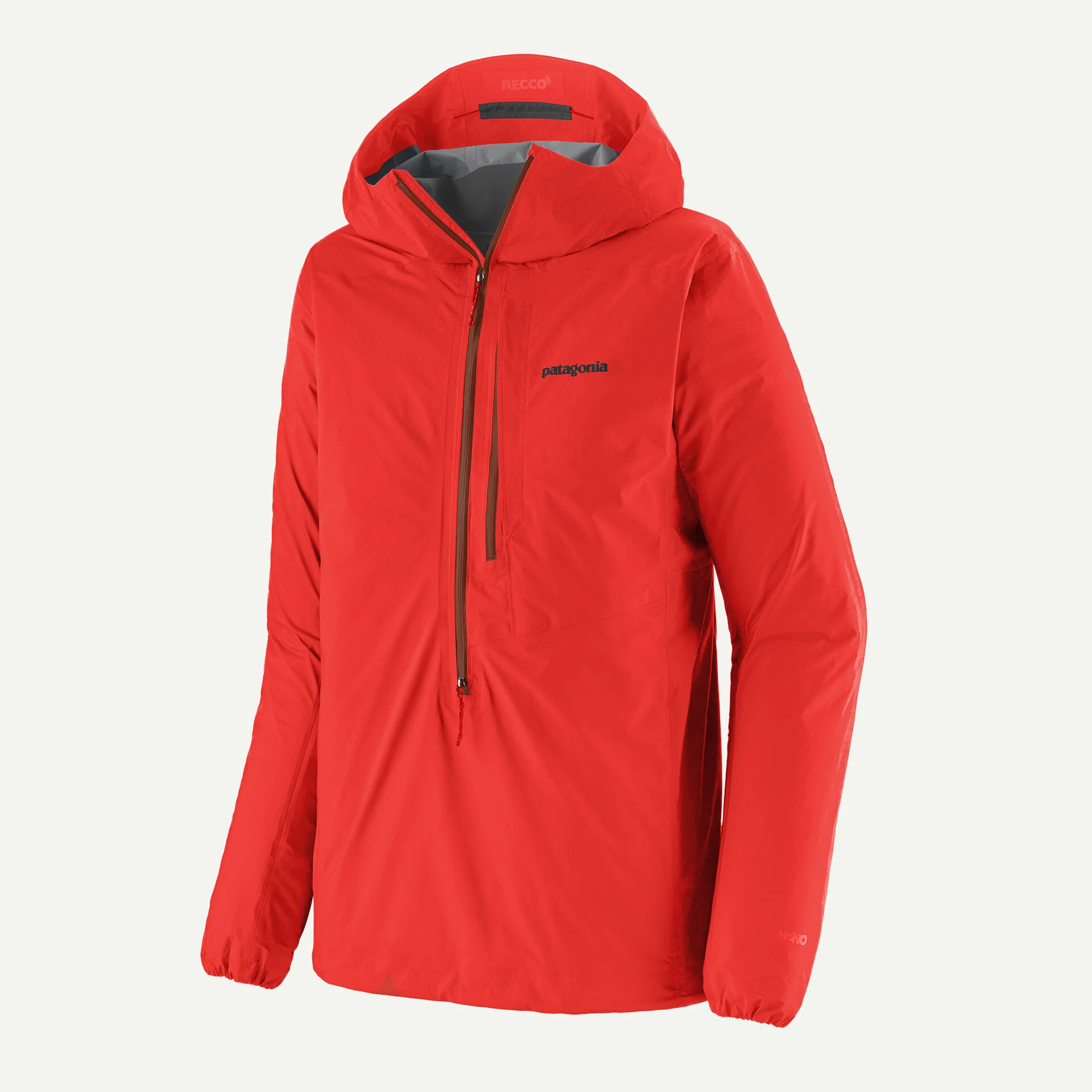
The M10 takes a slightly different approach, opting for a 300-gram weight that provides a more robust barrier for those who prefer the simplicity of an anorak design. Using an Xpore nanoporous membrane and a 20-denier recycled nylon ripstop, it strikes a balance between sustainability and performance. The two-way waterproof front zipper allows for venting during high-output activity, making it a favorite for alpine climbers who need to manage their microclimate while on the move.
Implications for the Future of Ultralight
The shift toward these high-performance minimalist shells marks a maturation of the ultralight sector. We are moving away from the era of "super-light, super-fragile" gear and entering an era of "highly engineered, application-specific" equipment.
However, this sophistication carries an implication: The burden of responsibility shifts to the user.
The equipment is now so capable that it is easy to become overconfident. A 232-gram jacket will keep you dry in a storm, but it will not "think" for you. It will not choose a safer route, and it will not tell you when the weather window is closing. As we look toward the 2026 season and beyond, the most successful mountaineers will be those who view their gear as part of a holistic system.

Why Choice Matters
The data is clear: in high-consequence environments, the failure of a rain shell is rarely due to a manufacturing defect; it is almost always due to a mismatch between the gear’s intended use and the actual conditions. Whether you choose the stretch-oriented Odin, the technical Alpha SL, or the robust M10, you are essentially selecting a tool for a specific job.
Conclusion: Expertise Over Weight
As Backpacking Light emphasizes in Episode 148, minimalism is not about owning the lightest item on the shelf—it is about having the right item for the job and the skill set to use it to its full potential.
For the reader looking to transition into more technical terrain, the advice is simple: evaluate your objective, understand your personal thermal limits, and choose a shell that supports your movement rather than hindering it. The mountains are indifferent to your gear list; they care only about your preparedness.
For more in-depth journalism, technical gear reviews, and expert-led wilderness skills training, consider becoming a Backpacking Light member. Gain access to our extensive library of over 2,300 articles, the community forums, and our comprehensive online education platform. Pack less. Be more.