For decades, the piranha has been the undisputed villain of the Amazon basin—at least in the eyes of Hollywood. From sensationalized cinema to campfire folklore, the image of a ravenous, razor-toothed swarm stripping flesh from bone has overshadowed the biological reality of this freshwater species. Yet, for the indigenous communities and river-dwellers of South America, the piranha is not a monster; it is a staple, a source of protein, and a legitimate culinary delight.
If you have ever wondered whether the fish with the most fearsome reputation on the planet belongs on a dinner plate, the answer is a resounding yes. However, transitioning from the silver screen to the dining table requires more than just an appetite—it requires an understanding of biology, geography, and proper preparation.
The Culinary Profile: What Does Piranha Actually Taste Like?
When stripped of its cinematic reputation, the piranha is a standard freshwater fish. Its flesh is notably firm, white, and clean, often drawing comparisons to other river-dwelling species like tilapia or bass.
The flavor profile is best described as mild to moderately fishy, though this is heavily dependent on the quality of the water from which it was harvested. Because piranhas are opportunistic scavengers and predators, their diet and environment directly influence their taste. Fish caught in clear, flowing river water often yield a clean, delicate flavor, while those from stagnant or warm floodplains can occasionally carry a muddy undertone.
Texture and the "Bone Challenge"
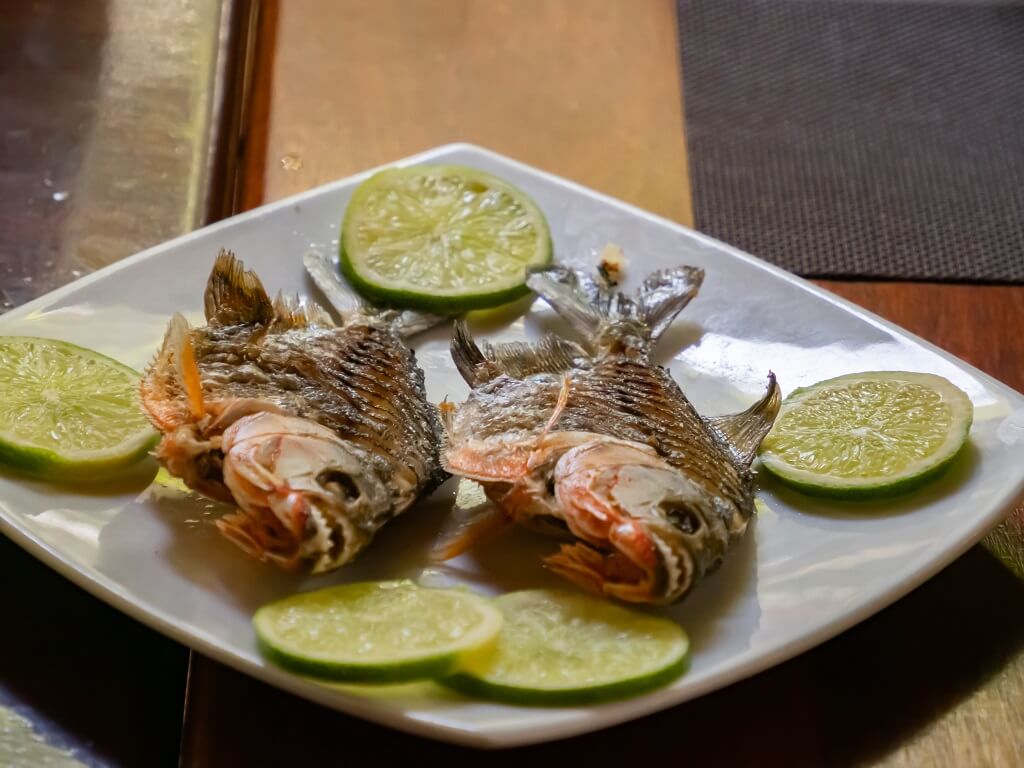
The primary obstacle for the uninitiated diner is not the taste, but the anatomy. Piranhas are notoriously bony. Unlike commercially farmed white fish that are often filleted into boneless portions, piranhas are structurally complex. Small specimens offer little meat, leading many local Amazonian chefs to prefer cooking them whole—either deep-fried until the bones become brittle or slow-simmered in soups to extract maximum flavor. For those accustomed to deboned fillets, the experience can be tedious, but for aficionados of whole-fish preparations, the reward is well worth the effort.
| Feature | Expectation |
|---|---|
| Flavor | Mild to fishy; water-quality dependent |
| Texture | Firm, white, and dense |
| Bone Density | High; requires patience |
| Cooking Versatility | High; ideal for frying, grilling, and stewing |
A Brief History of Piranha Consumption
The human relationship with the piranha is as old as the human presence in the Amazon basin. Historically, indigenous peoples have utilized piranhas not merely for sustenance but as a primary protein source due to their abundance in the river systems.
Chronologically, the "discovery" of piranha as a food source by outsiders followed the exploration of the Amazon. Early European explorers and later, 20th-century adventurers, were often surprised to find their "nemesis" served at the dinner tables of local villagers. While Western pop culture in the mid-1900s cemented the fish as a creature of pure aggression, the local culinary tradition remained unmoved, viewing the fish through a lens of utility. Today, piranha remains a centerpiece of regional markets, often sold by the string, and served as a traditional "pira-caldo" (piranha soup) in many riverine communities.
Safety, Biology, and Nutritional Data
Can you safely consume a creature known for its bite? Yes, provided you treat it like any other wild-caught game. The piranha itself is not toxic, but the safety of the meal is governed by standard food hygiene practices.
The Importance of Proper Handling
The risk of illness associated with piranha is identical to that of other freshwater fish: the primary dangers are poor handling, improper storage, and environmental contamination. Mercury levels can be a concern in some South American waterways, and as with any wild-caught predator, consumers should heed local environmental advisories.
According to guidelines set by the FDA and FoodSafety.gov, fish should be cooked to an internal temperature of 145°F (63°C). When the flesh is opaque and flakes easily with a fork, it is deemed safe for consumption. Consuming raw piranha—such as in ceviche—is generally discouraged due to the risk of parasites common in freshwater environments.
The Myth of the "Killer Fish": Scientific Perspectives
Why is the piranha so misunderstood? Britannica and various zoological sources note that while piranhas possess sharp, triangular, interlocking teeth, their reputation for "man-eating" is a dramatic exaggeration.
Many piranha species are actually scavengers or even frugivores (fruit-eaters). Attacks on humans are statistically rare and usually occur only under specific, stressful conditions—such as during the dry season when water levels are low, oxygen is scarce, and the fish are concentrated in small pools, or when a human enters the water with an open wound or provides a food stimulus.
For the angler, the real danger is not a swarm attack, but a simple, sharp nip. When handling a live piranha, the risk of a deep, painful laceration is very real. It is a lesson every novice fisherman in the Amazon learns quickly: keep your fingers away from the mouth and use pliers or specialized tools to remove hooks.
Practical Culinary Techniques: How to Cook Piranha
Because the piranha is small and bony, the method of preparation is crucial to an enjoyable dining experience.
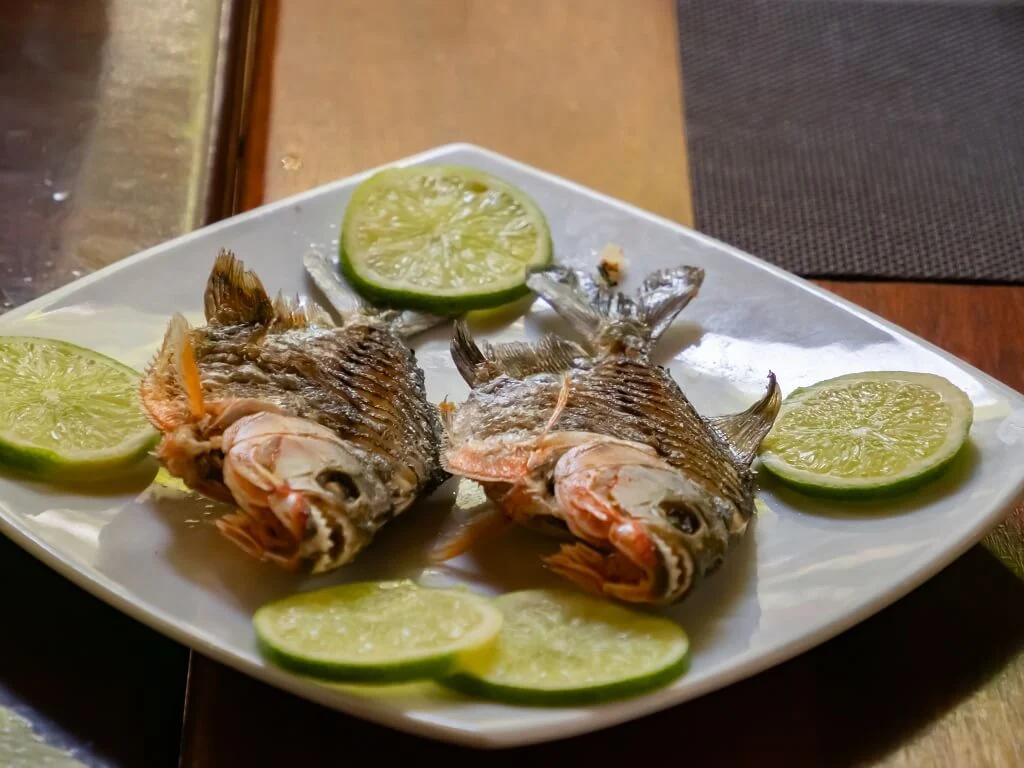
- Deep Frying: This is the most popular method for a reason. High-heat frying creates a crisp skin and can make the smaller bones manageable, sometimes even crunchy enough to consume safely. It is the perfect introductory method for tourists.
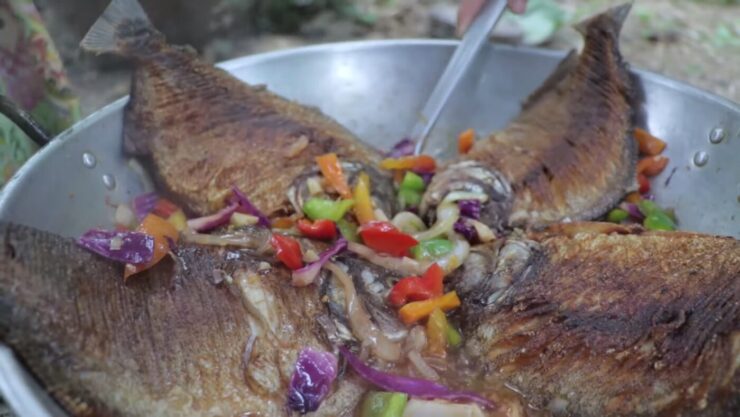
- The Soup Method: In the Amazon, piranha soup is a delicacy. By simmering the fish with tomatoes, garlic, onions, and local herbs, the chef infuses the broth with the fish’s natural oils. The meat is then carefully separated from the bones before the dish is served.
- Grilling: Whole-grilled piranha, seasoned with lime and salt, is a staple at fishing lodges. The key here is to not overcook the fish; because it is lean, it can dry out quickly over an open flame.
Legal and Ethical Considerations
For those residing outside of South America, piranha is not a standard menu item. In the United States, Canada, and much of Europe, piranhas are often restricted or prohibited due to concerns about them becoming an invasive species.
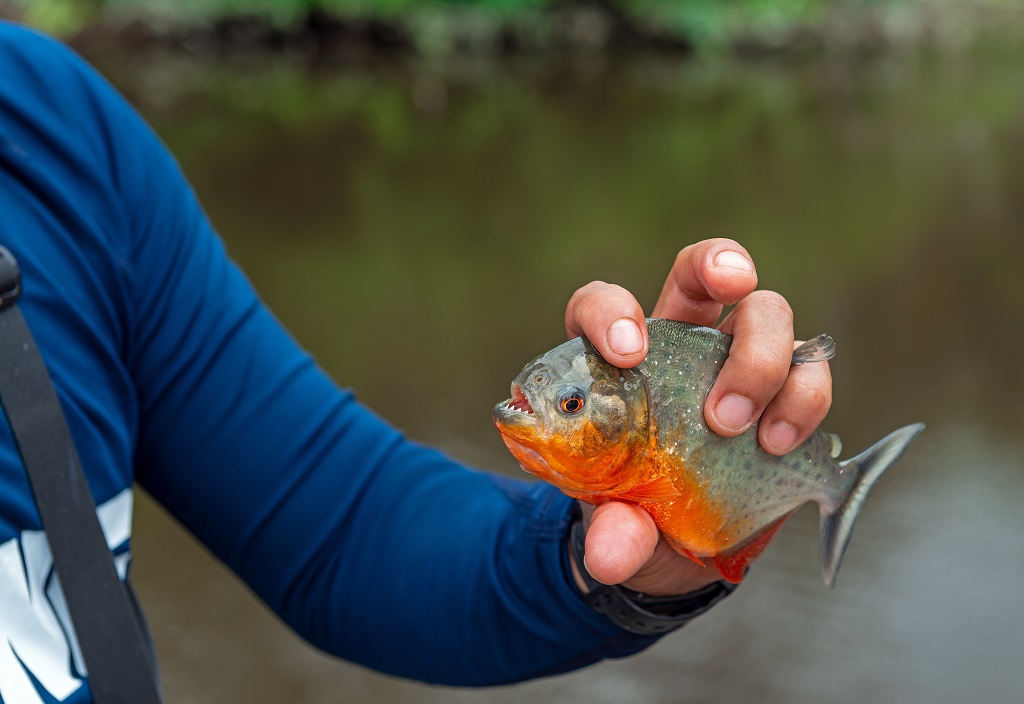
If a piranha were to be released into a non-native waterway, it could potentially disrupt local ecosystems. Therefore, many jurisdictions have strict laws regarding the importation, sale, and ownership of live piranhas. If you are an adventurous eater, the best—and often only—place to try piranha is in its native habitat. Buying from a reputable local source during travel ensures you are supporting a sustainable local economy while avoiding the legal minefield of international fish transport.
Common Mistakes to Avoid
- Assuming it’s a "Filet" Fish: Never approach a piranha expecting to find a boneless, easy-to-cut fillet.
- Improper Handling: Using your hands to unhook a piranha is a recipe for a trip to the local clinic. Use long-nosed pliers.
- The "Muddy" Mistake: If the fish has a strong, swampy odor, it is likely a result of the water source. Properly cleaning the cavity and using citrus-based marinades can help, but if the smell is ammoniac or sour, discard the fish immediately.
- Ignoring Local Advice: If local guides warn against fishing in a particular stretch of river, it is likely due to either pollution or, in rare cases, high-density populations where the fish are particularly aggressive.
Final Reflections
The piranha is a victim of its own PR. By moving past the "man-eater" narrative and looking at the fish through the eyes of the people who have lived alongside it for centuries, we find a versatile, flavorful, and accessible source of nutrition. Whether you are traveling through the Amazon on a guided fishing expedition or simply curious about the world’s most infamous fish, the piranha offers a unique, albeit bony, experience.
Remember: the goal is to respect the fish, handle it with the proper tools, and prepare it with the simplicity it deserves. In the right place, at the right time, the piranha is not a threat—it is a feast.