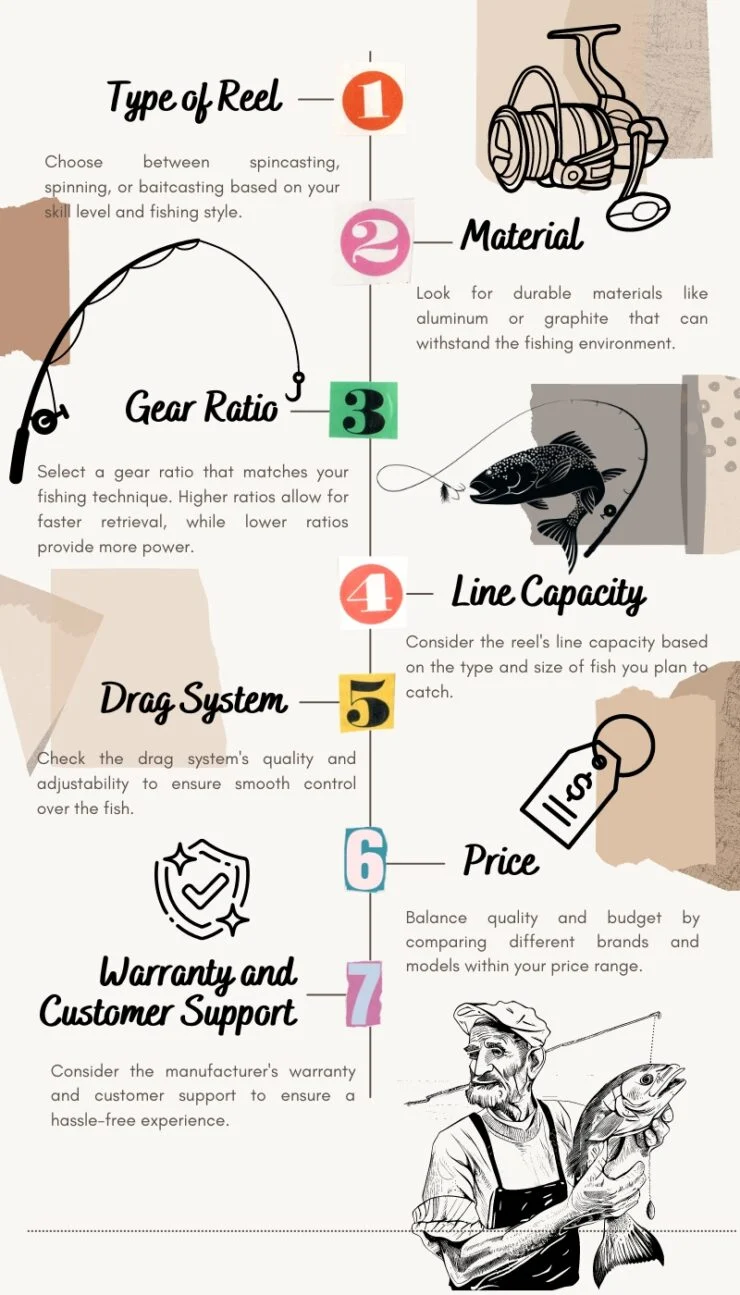
Fishing has transitioned from a survival necessity to a sophisticated pursuit of skill and precision. At the heart of this evolution is the fishing reel—a mechanical marvel that has redefined how we interact with the water. Whether you are a weekend hobbyist casting from a pier or a competitive angler hunting trophy bass in a secluded cove, the choice of your reel is the single most important decision impacting your success on the water.
The Mechanics of Reeling: An Overview
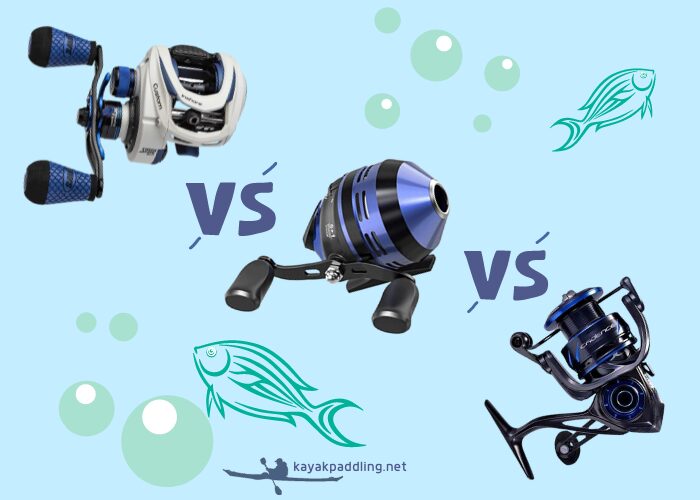
While the fundamental objective of any fishing reel remains consistent—to store, retrieve, and control the fishing line—the engineering behind these devices varies wildly. Modern angling relies on three primary designs: the spinning reel, the baitcasting reel, and the spincasting reel. Each platform offers unique advantages in terms of drag, line capacity, casting distance, and ease of use. Understanding these nuances is not merely about equipment; it is about matching the right tool to the specific environment and the species being pursued.
A Chronology of Innovation
The history of the modern fishing reel is a story of rapid industrial advancement in the 20th century. Before these innovations, anglers were limited to manual methods involving poles and nets, which were inefficient and prone to failure.
- 1938: The dawn of the modern era began when Daiwa Seiko Co., Ltd. introduced the first true spinning reel. This design revolutionized the industry by allowing the line to peel off a stationary spool, significantly reducing friction and increasing casting distance.
- 1956: The Shakespeare Fishing Tackle Company unveiled the first spin-casting reel. By enclosing the spool within a housing, Shakespeare provided a user-friendly solution that effectively eliminated the common frustration of "bird’s nests" or line tangles.
- 1958: While early iterations existed, it was George "Butch" Snyder Jr. who standardized the baitcasting reel for widespread competitive and recreational use. This design, which features a revolving spool, brought unprecedented power and precision to the sport.
The Big Three: Understanding Your Options
1. Spincasting Reels: The Gateway for Beginners
The spincast reel is often considered the "entry-level" standard, but its simplicity is its greatest strength. Characterized by a push-button release and a closed-nose cone, it is designed for ease of use.
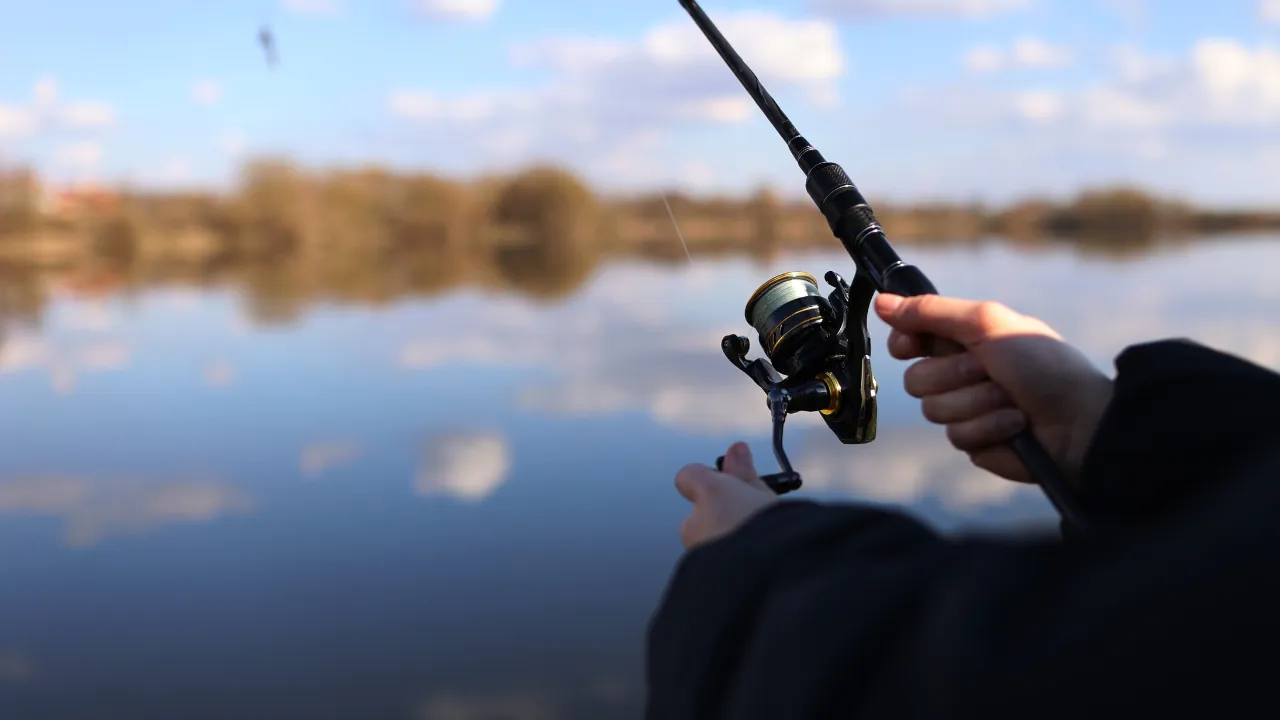
- Performance Profile: Because the line is contained, wind knots are nearly impossible.
- Limitations: These reels typically lack the high-performance drag systems required for professional-grade competition. They are generally limited to lighter lines (1–10 lbs) and smaller lures, making them less effective when targeting aggressive, large-game fish.
2. Spinning Reels: The Versatile Workhorse
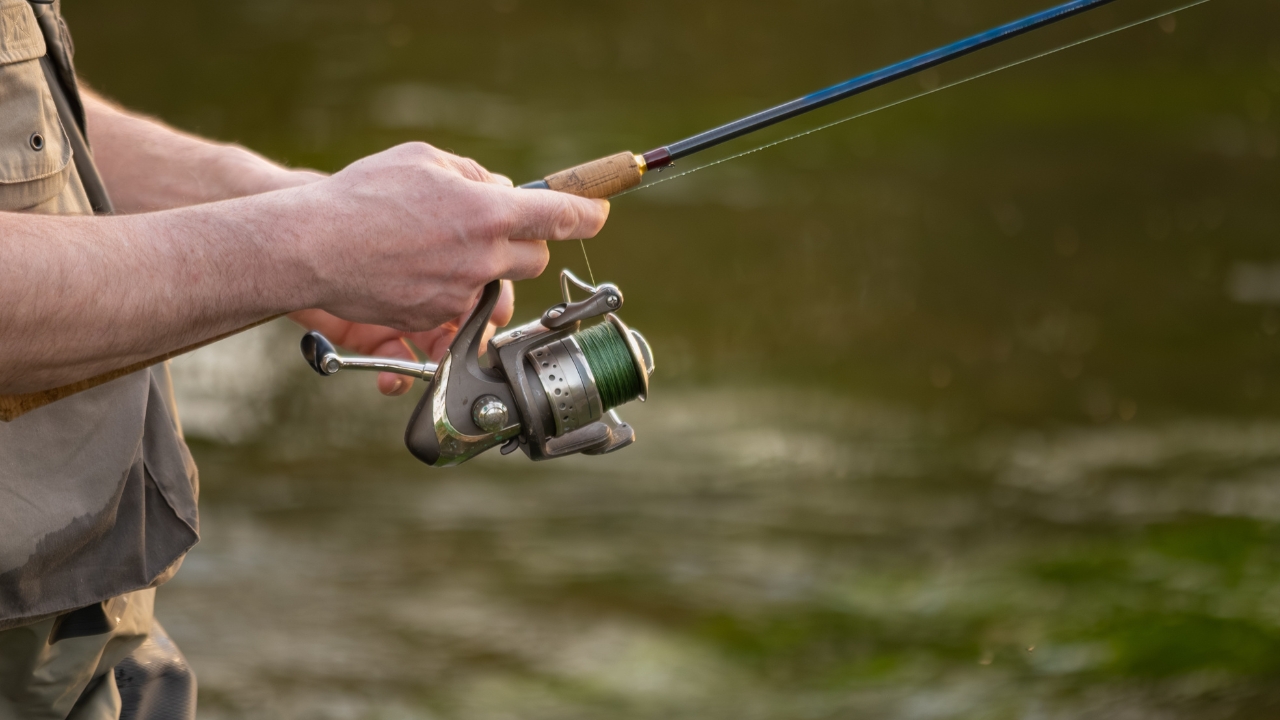
Mounted below the rod, the spinning reel is the most popular choice for freshwater anglers. Its design allows for thin, light lines to be cast over great distances with minimal effort.
- Technical Advantage: The open-face design allows the line to flow off the spool in coils. This minimizes resistance, making it the superior choice for casting lightweight lures, soft plastics, and live bait.
- Capacity: Modern spinning reels can hold anywhere from 200 to over 900 yards of line, depending on the test weight, making them surprisingly capable for long-range, medium-duty fishing.
3. Baitcasting Reels: The Expert’s Precision Tool
Baitcasters represent the pinnacle of casting control. Unlike the other two types, the spool on a baitcaster rotates during the cast.
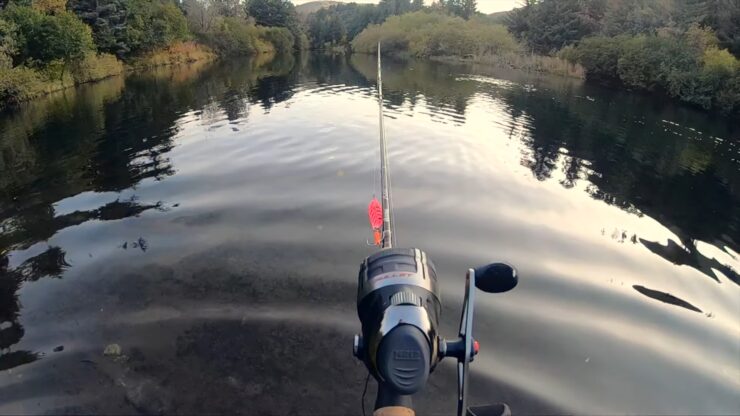
- Precision: Because the spool is in direct contact with the line, the angler can use their thumb to feather the spool during flight. This allows for pinpoint accuracy—essential for casting under docks, near submerged logs, or into narrow pockets of vegetation.
- Power: With gear ratios typically ranging from 5:1 to 8:1, these reels provide the cranking power necessary to haul heavy fish out of dense cover.
Supporting Data: Technical Specifications
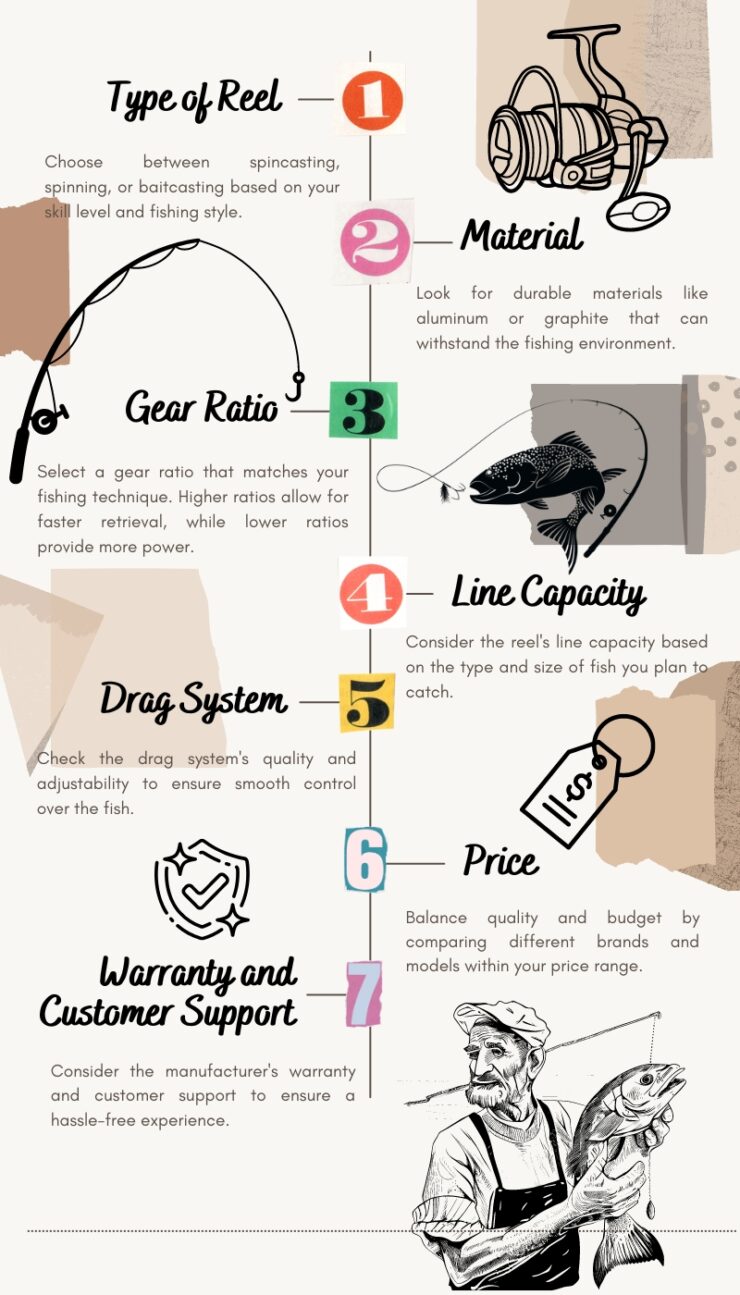
When selecting a reel, data-driven decisions ensure long-term satisfaction. The following table illustrates the typical operational parameters:
| Feature | Spincast | Spinning | Baitcasting |
|---|---|---|---|
| Primary Use | Beginners / Kids | Versatile / Light | Precision / Heavy |
| Line Weight | 1–10 lbs | 6–30 lbs | 10–50 lbs |
| Casting Accuracy | Moderate | Good | High |
| Ease of Use | High | Medium | Low (Requires skill) |
Implications: How Reel Type Affects Your Fishing Strategy
The "best" reel is subjective to the environment. An angler fishing for trout in a shallow stream faces a completely different set of challenges than one surf-fishing for redfish.
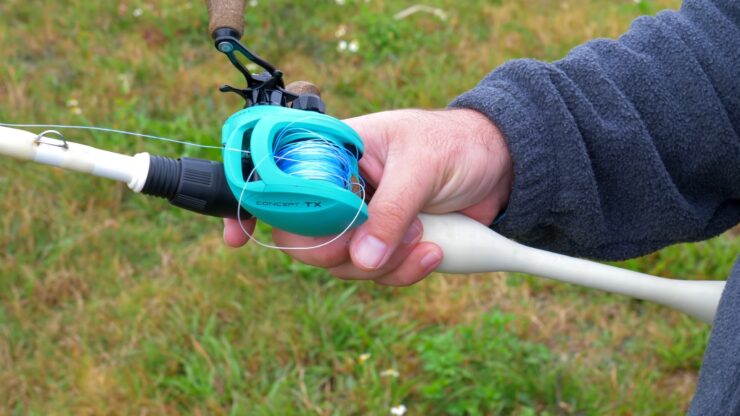
Precision vs. Distance: If your goal is to land a lure on a dinner plate-sized target twenty yards away, a baitcaster is mandatory. If you are casting into the wind with a light jig, the spinning reel’s ability to manage line coils makes it the more reliable choice.
The "Backlash" Factor: The primary deterrent for new users regarding baitcasters is the risk of "backlash"—the dreaded tangle caused when the spool spins faster than the line leaves the guide. Manufacturers have addressed this with advanced magnetic and centrifugal braking systems, yet a "human element" remains. Mastering the thumb-brake technique is a rite of passage for every serious angler.
Maintenance and Care: Protecting Your Investment
Regardless of the brand or price point, a reel is a complex machine consisting of gears, bearings, and drag washers. Salt, sand, and moisture are the natural enemies of these components.
- The Freshwater Protocol: After every trip, rinse the exterior with a light mist of fresh water. Never use a high-pressure hose, as this forces contaminants deeper into the gear housing.
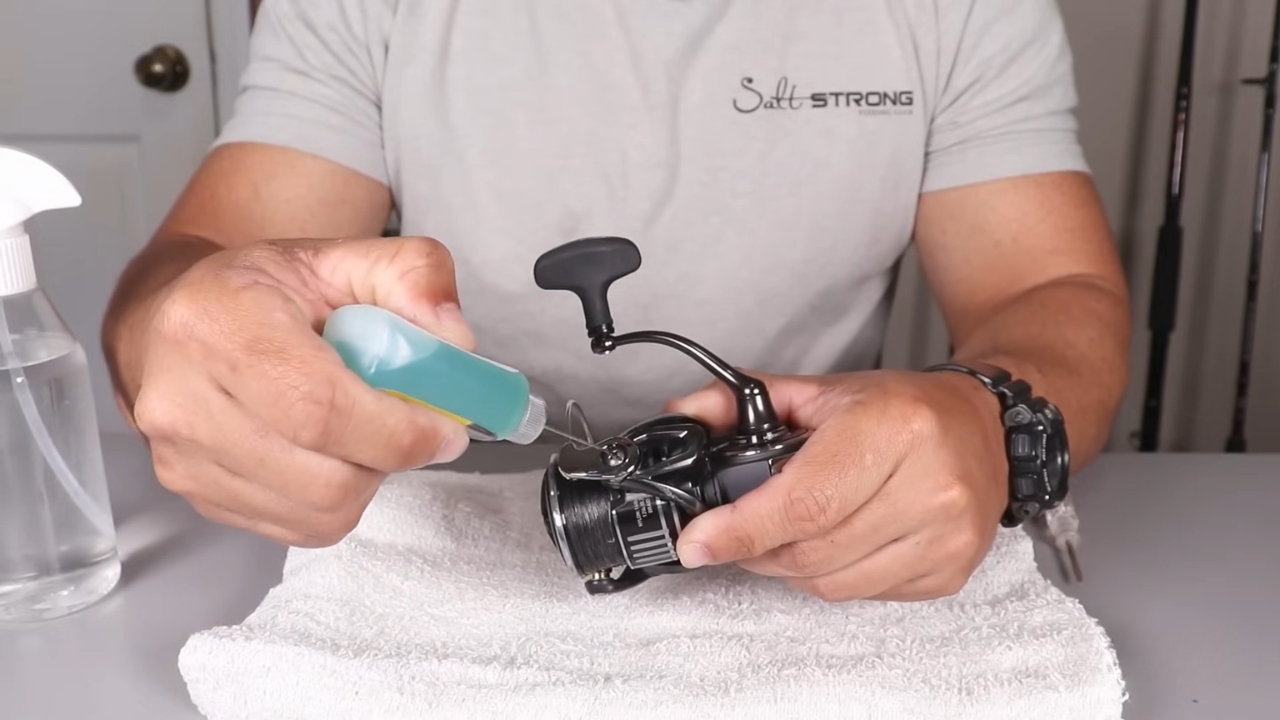
- The Lubrication Schedule: Every 10–15 trips, apply a drop of high-quality reel oil to the handle knobs and line roller. Once a season, perform a full deep-clean: disassemble, degrease, and apply fresh marine-grade grease to the internal gears.
- Drag Maintenance: Always back off your drag system when the reel is in storage. Leaving a drag tightened for months can cause the washers to compress and lose their smooth, consistent resistance, leading to snapped lines during the next big fight.
Expert Insights: Why Anglers Carry Multiple Setups
It is common to see a professional boat equipped with six or more rods. This is not for show—it is a functional necessity. A pro might have one baitcaster rigged with a high-speed gear ratio (7.1:1) for burning buzzbaits, another with a lower ratio (5.4:1) for deep-diving crankbaits, and a spinning setup for finesse dropshotting. By having specialized setups, an angler can switch between techniques instantly as fish behavior changes throughout the day.
FAQ: Addressing Common Angler Concerns
Q: Can a baitcaster be used for saltwater?
A: Yes, but you must select a model specifically designed with corrosion-resistant bearings and a sealed drag system. Standard freshwater baitcasters will quickly succumb to salt-induced rust.
Q: How do I know when to re-spool?
A: If your line feels "stiff" or retains the shape of the spool (memory), it is time for a change. Monofilament should typically be replaced annually, while braided line can last two or more seasons if rinsed regularly.
Q: Does gear ratio really matter?
A: It is critical. A high gear ratio retrieves more line per handle turn, which is vital for lure presentations that require speed. A low gear ratio provides more torque, which is essential when you need to pull a heavy fish out of thick weeds.
Conclusion
The evolution of the fishing reel from a simple spool to the high-tech, ball-bearing-supported systems of today has allowed anglers to push the boundaries of what is possible. While technology has made the sport more accessible, the core of fishing remains the connection between the angler and the water. Whether you choose the push-button simplicity of a spincaster, the versatile reliability of a spinning reel, or the high-performance precision of a baitcaster, your success will ultimately depend on your commitment to mastering your gear.
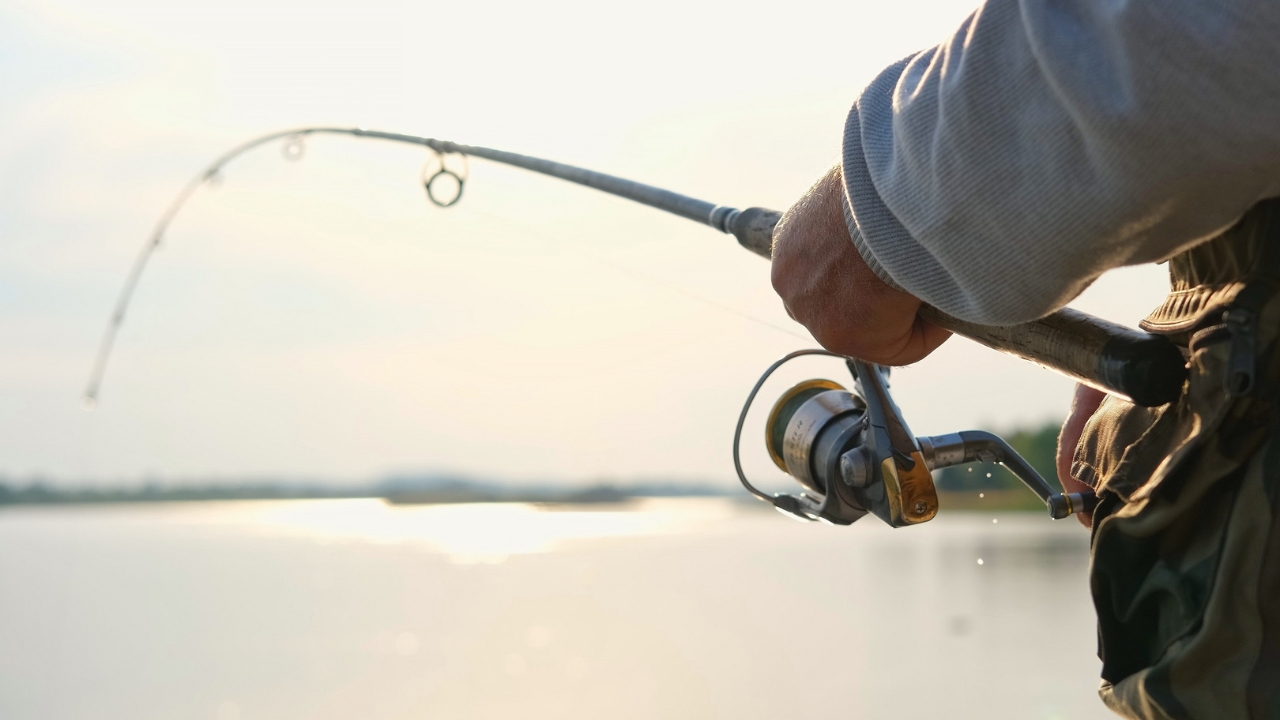
As you head out to your next waterway, remember that the equipment is merely an extension of your intent. Take the time to practice, maintain your tools with care, and respect the environment. The perfect cast is not found in the reel itself, but in the hand that holds it.