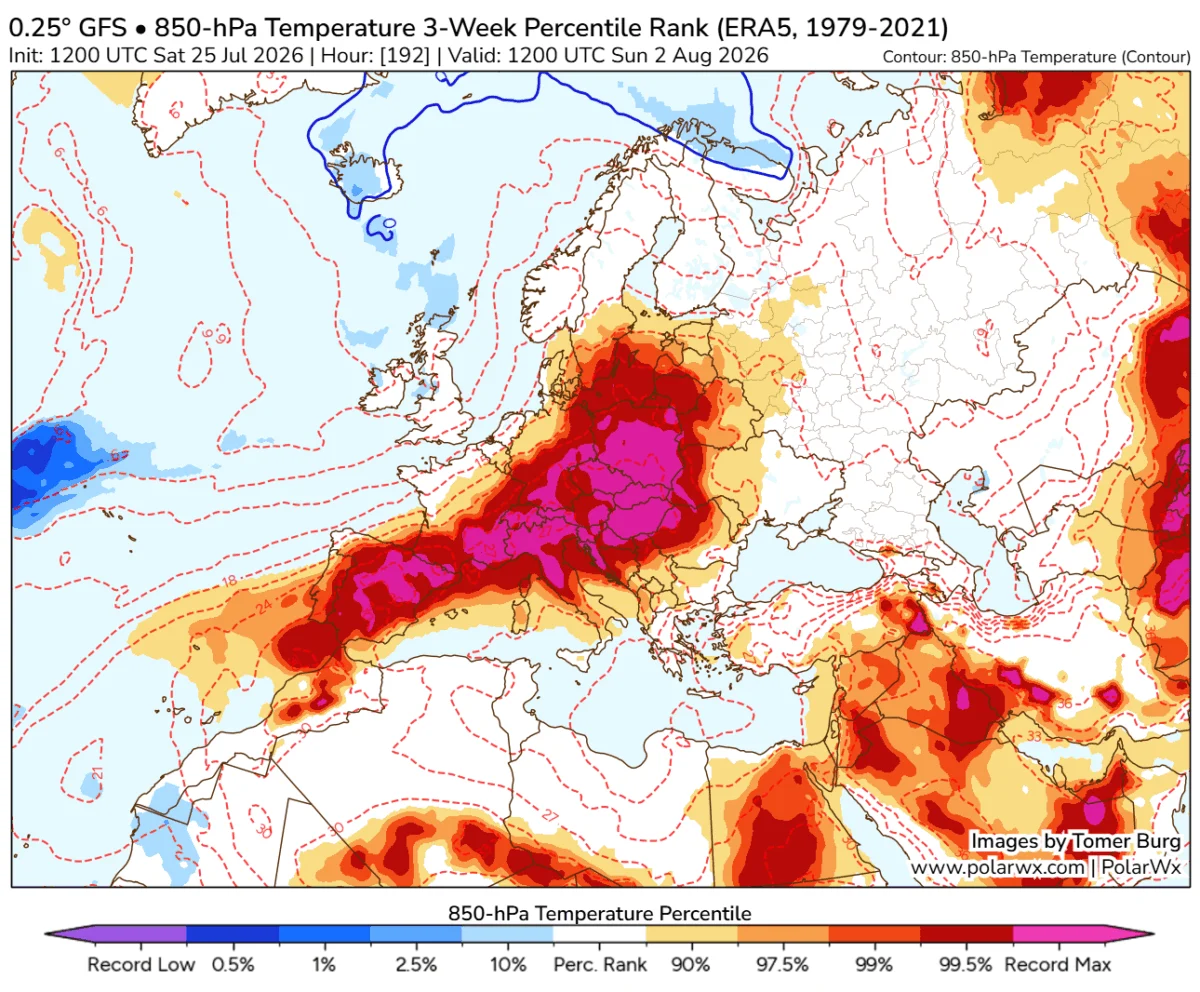
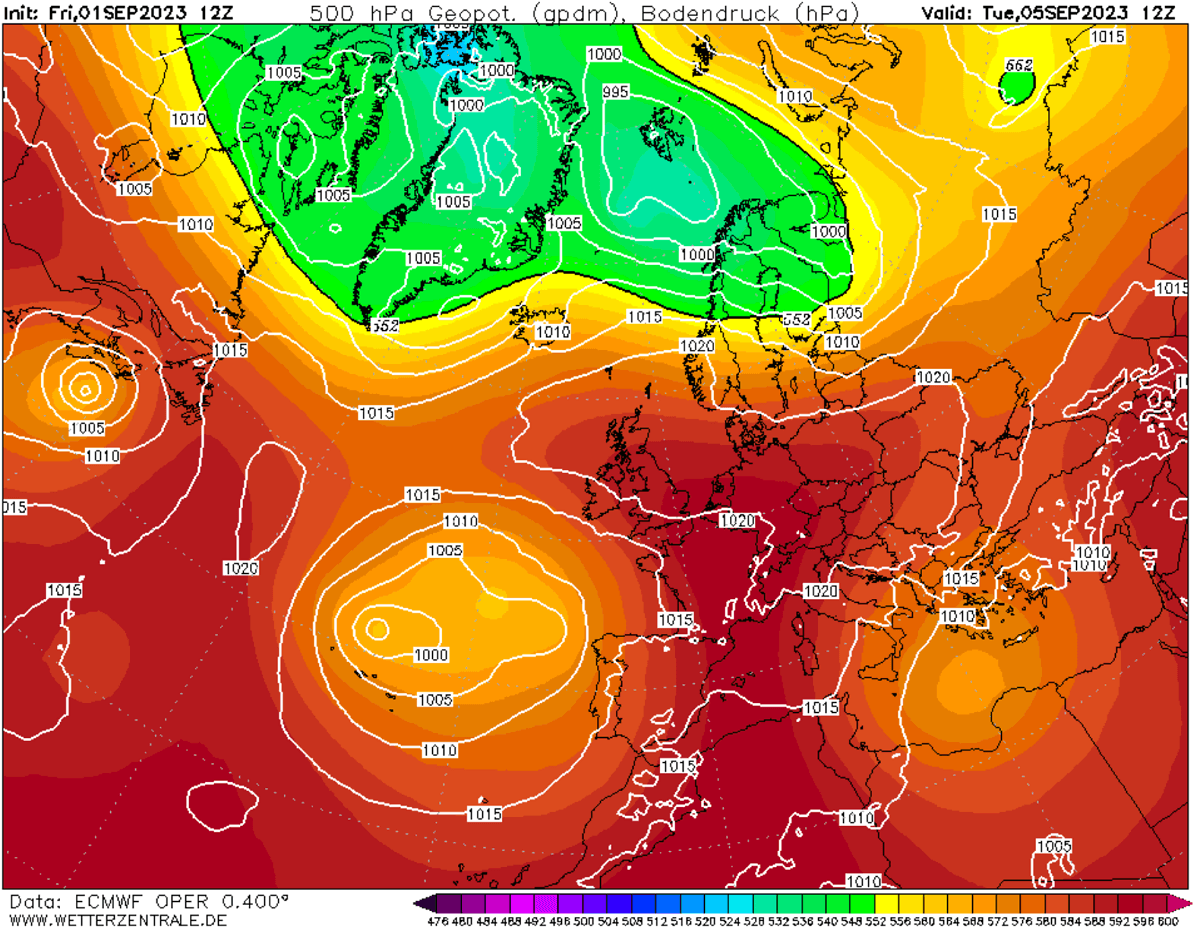
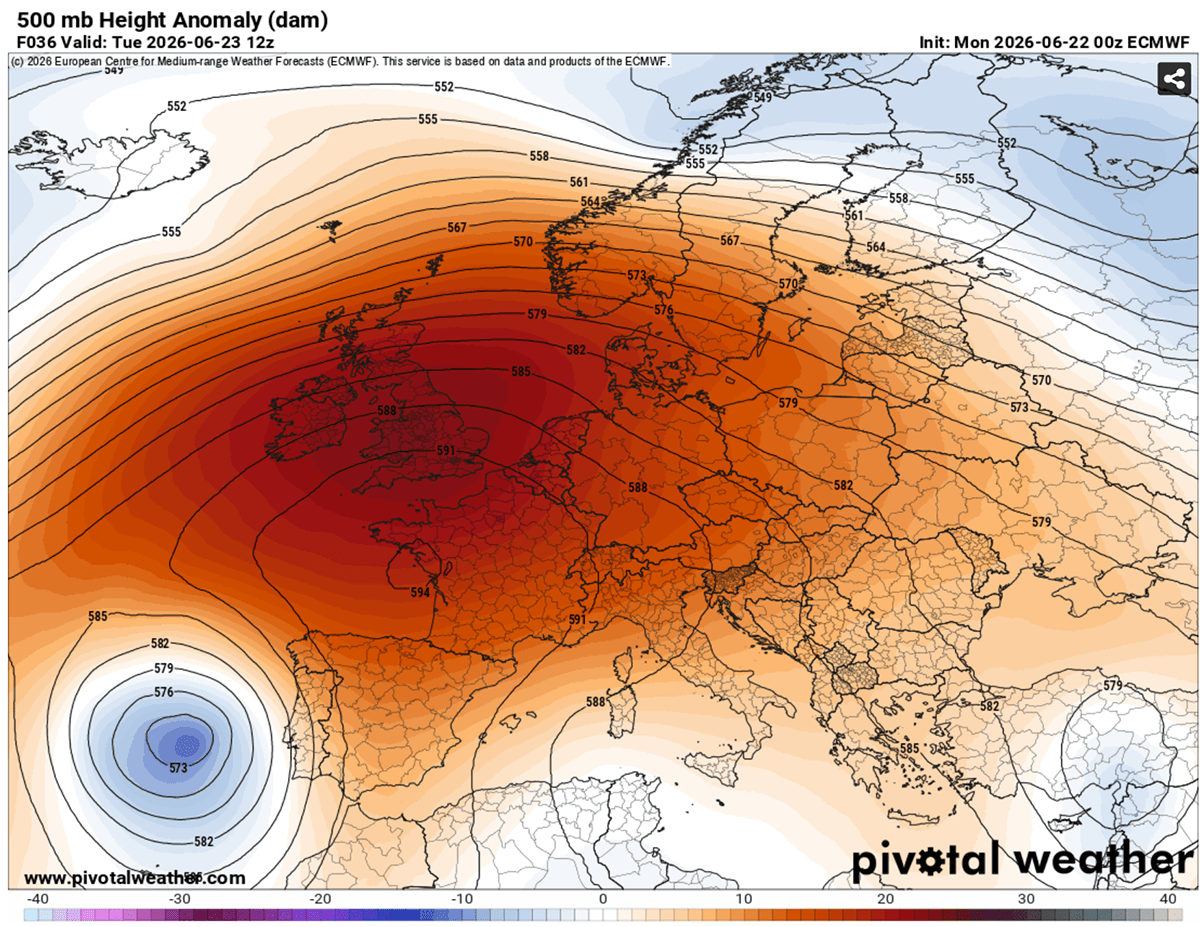
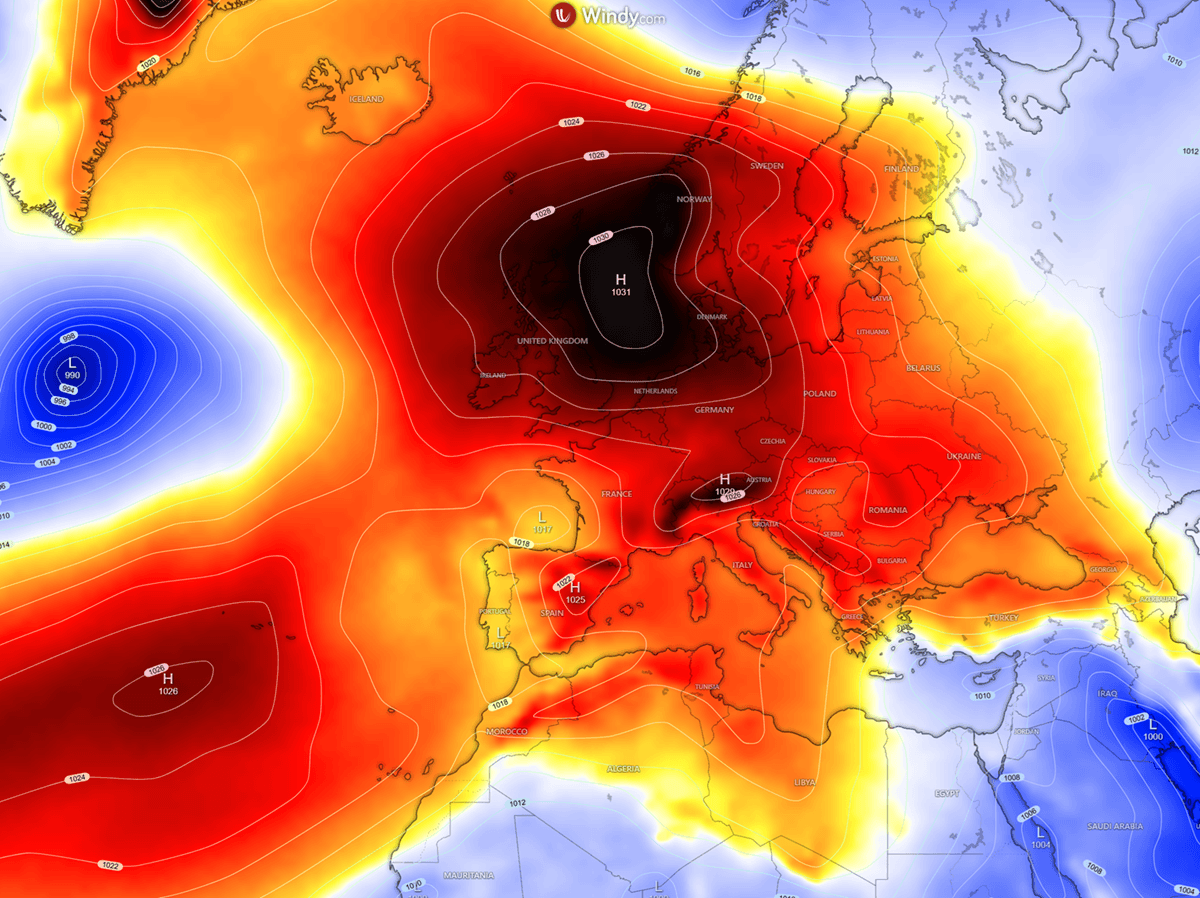
The ink has barely dried on May’s record-breaking climate charts, yet Europe finds itself trapped in a far more intense and potentially lethal atmospheric crisis. As the continent transitions into the final days of June, a stationary, high-pressure system known as an "Omega Block"—named for its resemblance to the Greek letter Ω—has paralyzed the upper atmosphere. This meteorological phenomenon has effectively locked a monstrous Heat Dome over the heart of the continent, creating an excessive heatwave that is poised to shatter temperature records across multiple nations.
The Mechanics of the Atmospheric Trap
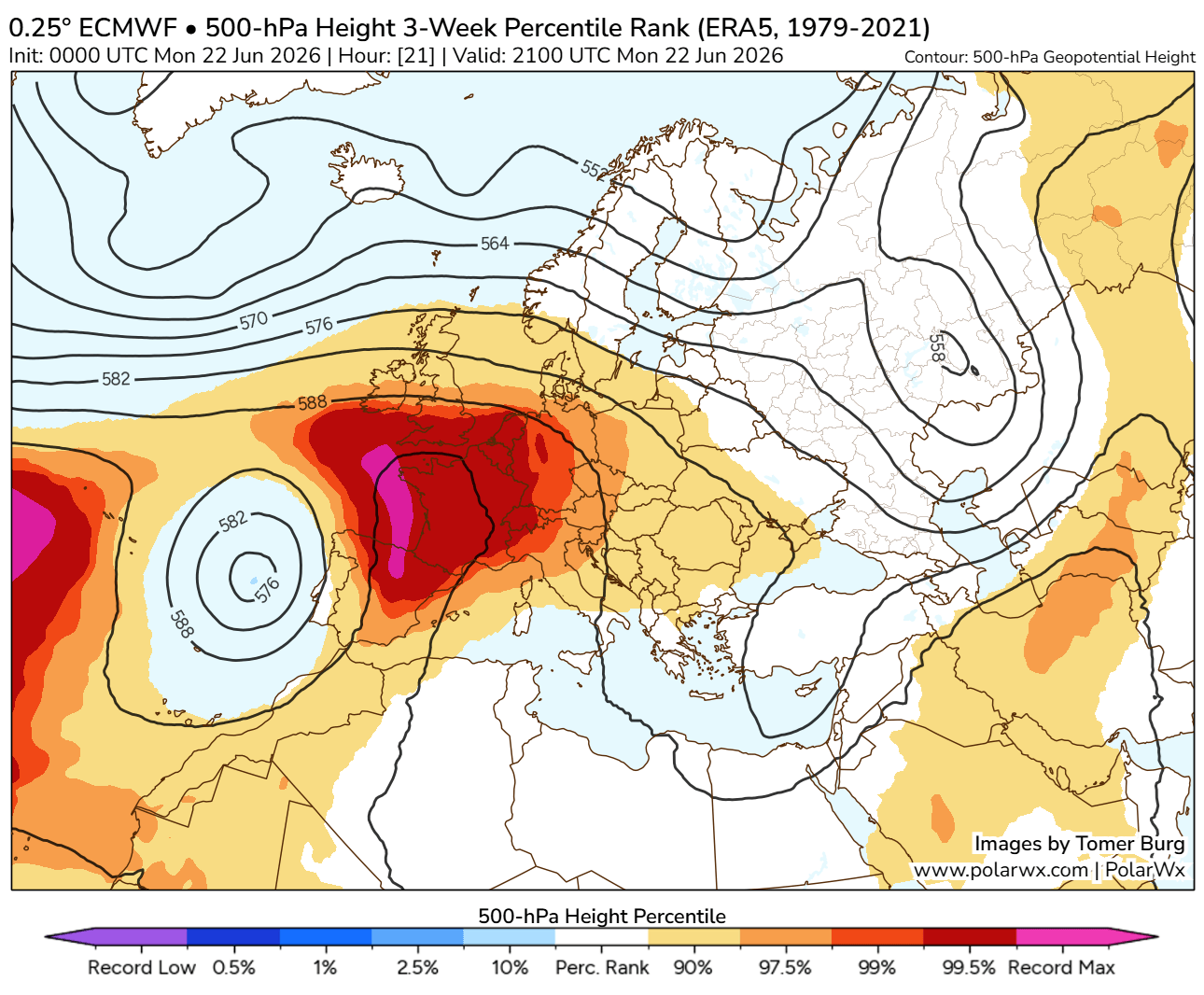
The scientific community is currently witnessing a thermal spike of such magnitude that it is expected to surpass hundreds of late-June historical thresholds. In many regions, the incoming heat is set to challenge all-time records that, under normal climatic conditions, would only be reached during the traditional peak of summer in late July.
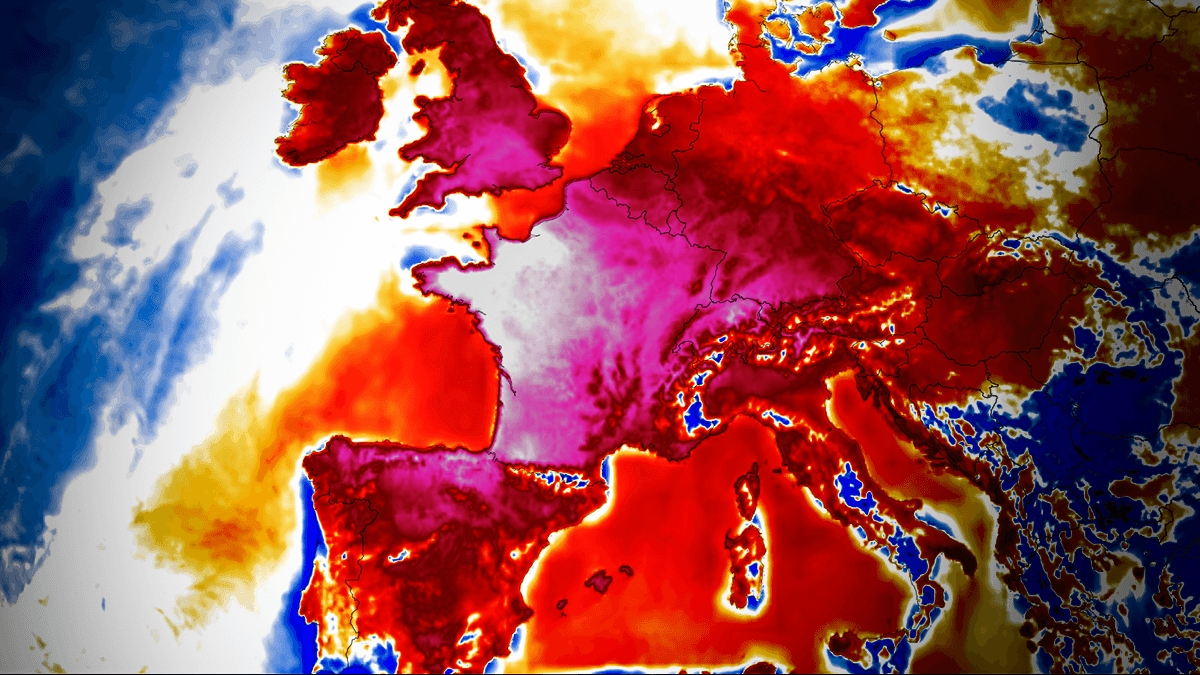
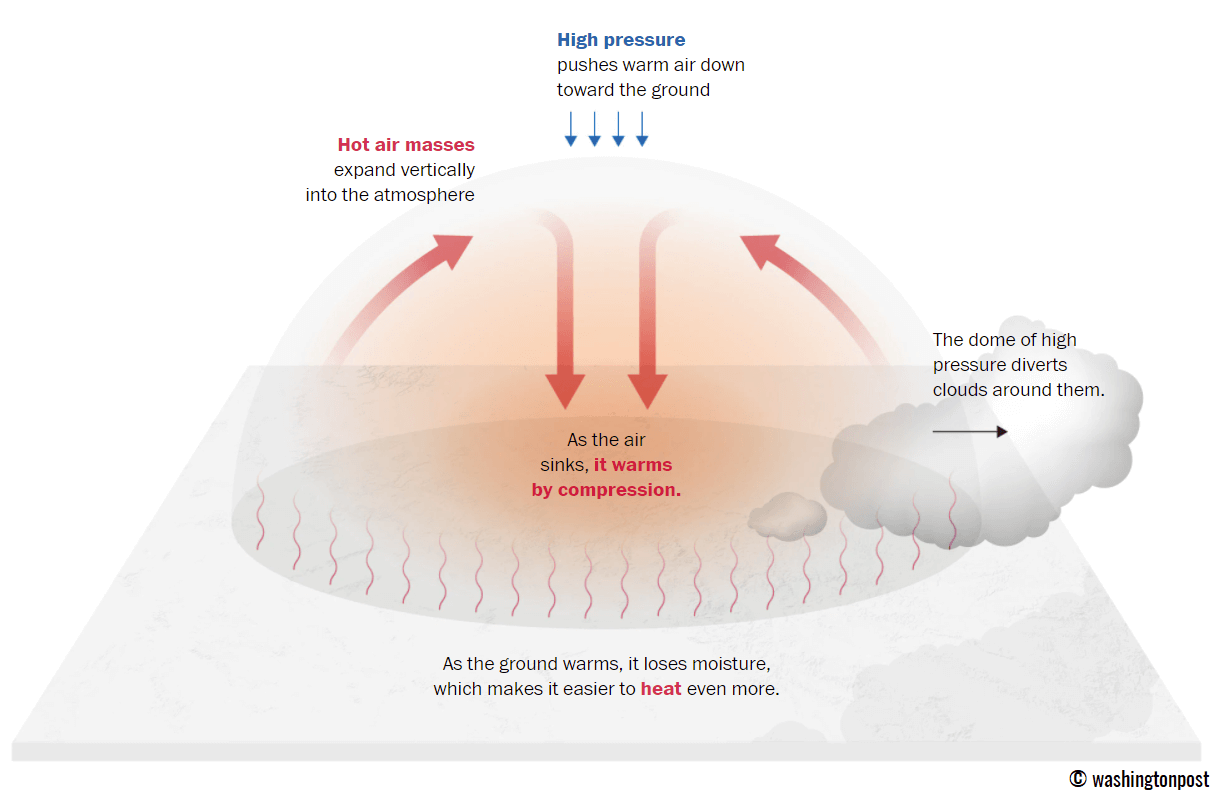
The Omega Block functions as a atmospheric "lid" on a pressurized pot. It traps a stagnant mass of dry, Saharan air, compressing it relentlessly toward the surface. As the air descends, it undergoes adiabatic warming, a process that causes temperatures to rise exponentially with each passing day. Because the pattern is exceptionally stable, there is no atmospheric ventilation to provide relief. Furthermore, following a significantly dry spring, the European topsoil has been stripped of its moisture. Without the natural cooling effect of evapotranspiration, major urban centers—including Paris, London, Frankfurt, Brussels, and Hanover—are effectively transforming into concrete ovens.
A Chronology of the Crisis
The heatwave, which began its intensification last weekend, is expected to follow a multi-stage progression:
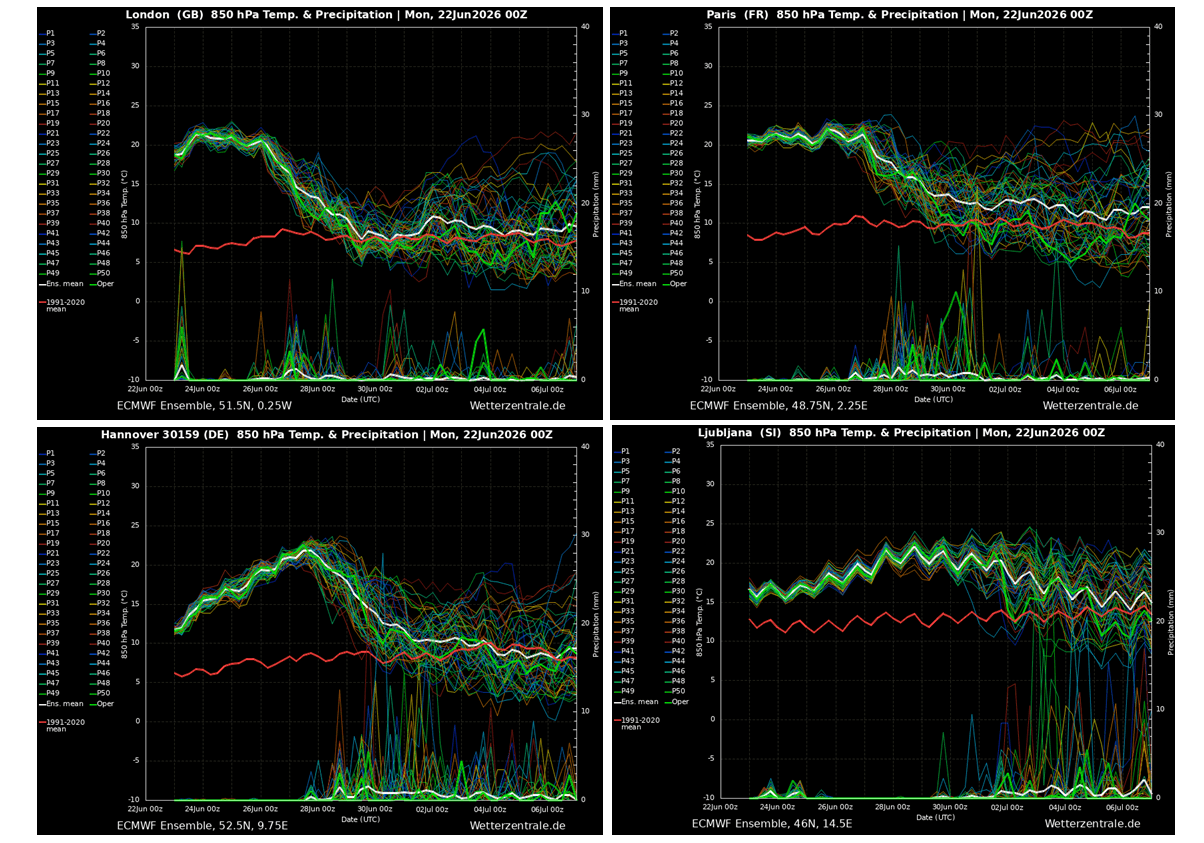
- Initial Phase (Early Week): The Iberian Peninsula and southwestern France faced the initial brunt of the heat, with temperatures rapidly climbing into the low 40s Celsius.
- The Peak (Mid-Week): The heat dome expands northward, engulfing France, Benelux, and the southern United Kingdom. Meteorological models indicate that temperatures could hit 45°C in parts of France by Wednesday.
- Expansion (The Weekend): As the core of the ridge shifts eastward, the intense thermal anomaly will spread across Germany, the Alpine region, Italy, and the central Balkan peninsula.
- Extended Outlook: Current ensemble guidance from the ECMWF and GFS suggests that this high-pressure dominance will persist well into the first week of July, creating a long-duration event that will severely stress infrastructure and public health systems.
Supporting Data and Meteorological Anomalies
The 500-mbar geopotential heights—a key metric for measuring the thickness and intensity of an air mass—are reaching levels that are statistically unprecedented for this time of year. Surface temperature anomalies are currently tracking 12–18°C above seasonal averages.
Perhaps most concerning is the development of the "Heat Wave Flash Drought" (HWFD) effect, often colloquially referred to as the "hairdryer effect." As relative humidity drops below 10% in regions like Brittany and the Pays de la Loire, the combination of extreme heat and gusty winds causes a rapid acceleration of evapotranspiration. This phenomenon doesn’t just dehydrate the population; it triggers immediate, massive leaf loss in flora, places extreme stress on livestock, and elevates the risk of wildfires to "extreme" or "catastrophic" levels.
Furthermore, meteorologists are closely monitoring the phenomenon of "tropical nights," where temperatures refuse to dip below 24°C, denying the human body the vital nocturnal recovery period necessary to survive prolonged heat stress.
Official Responses and Public Safety
National weather services across Europe have mobilized in response to the unfolding catastrophe. France has placed a majority of its mainland departments under a "Red Alert," the highest tier of weather warning, as regional authorities brace for a prolonged 45°C plateau.
Across the English Channel, the UK Met Office has issued a rare "Extreme Heat Warning." The projected 40°C threshold threatens to obliterate a temperature record that has stood for over half a century. In Switzerland, Belgium, and Germany, government agencies have issued uniform warnings, urging citizens to limit outdoor activity and check on vulnerable populations.
The lack of widespread, centralized residential air conditioning in Europe makes this event particularly hazardous. Emergency medical services are bracing for a surge in heat-related illnesses, including heat exhaustion and heat stroke, as well as secondary cardiovascular and respiratory complications. Public health officials are emphasizing that heat is a "silent killer," and that the cumulative effect of a multi-day heatwave is far more dangerous than a single day of extreme temperatures.
Implications for the Continent
The implications of this heatwave are vast, touching upon public health, agriculture, and infrastructure.
The Public Health Burden
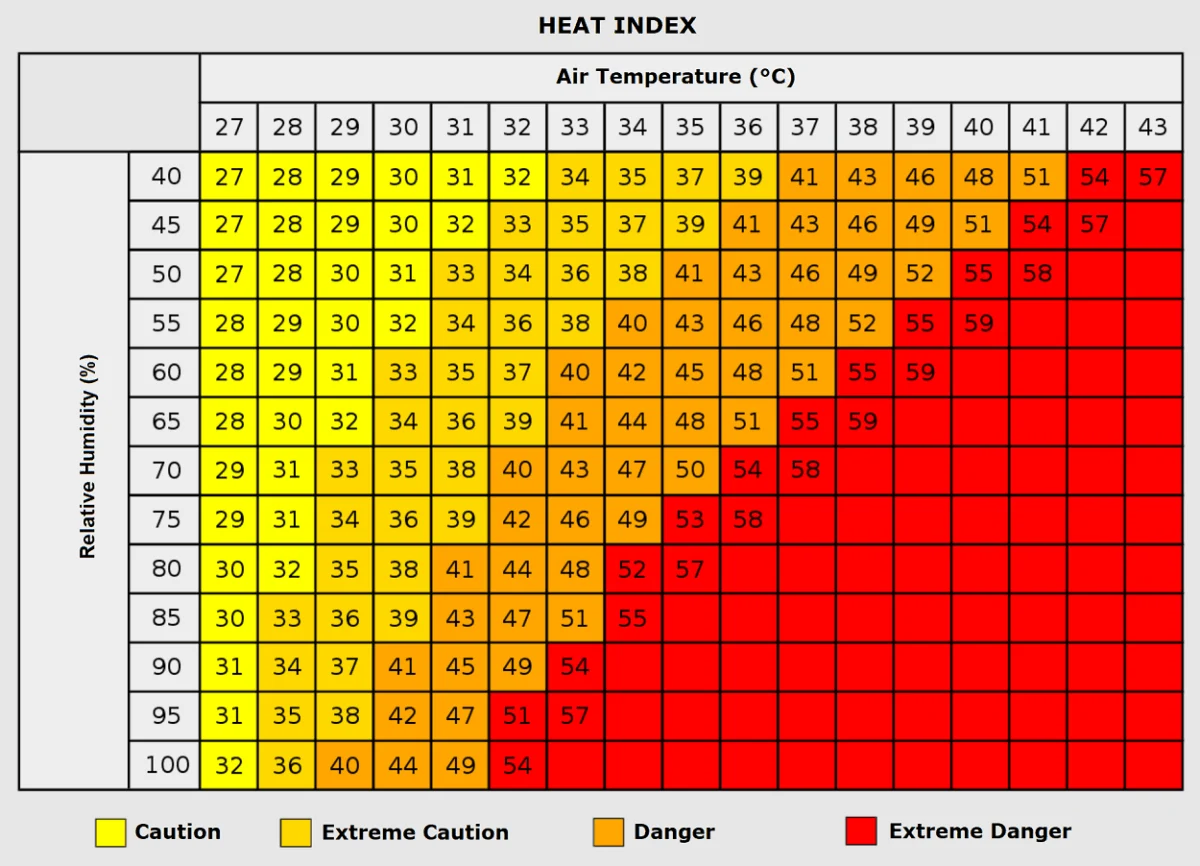
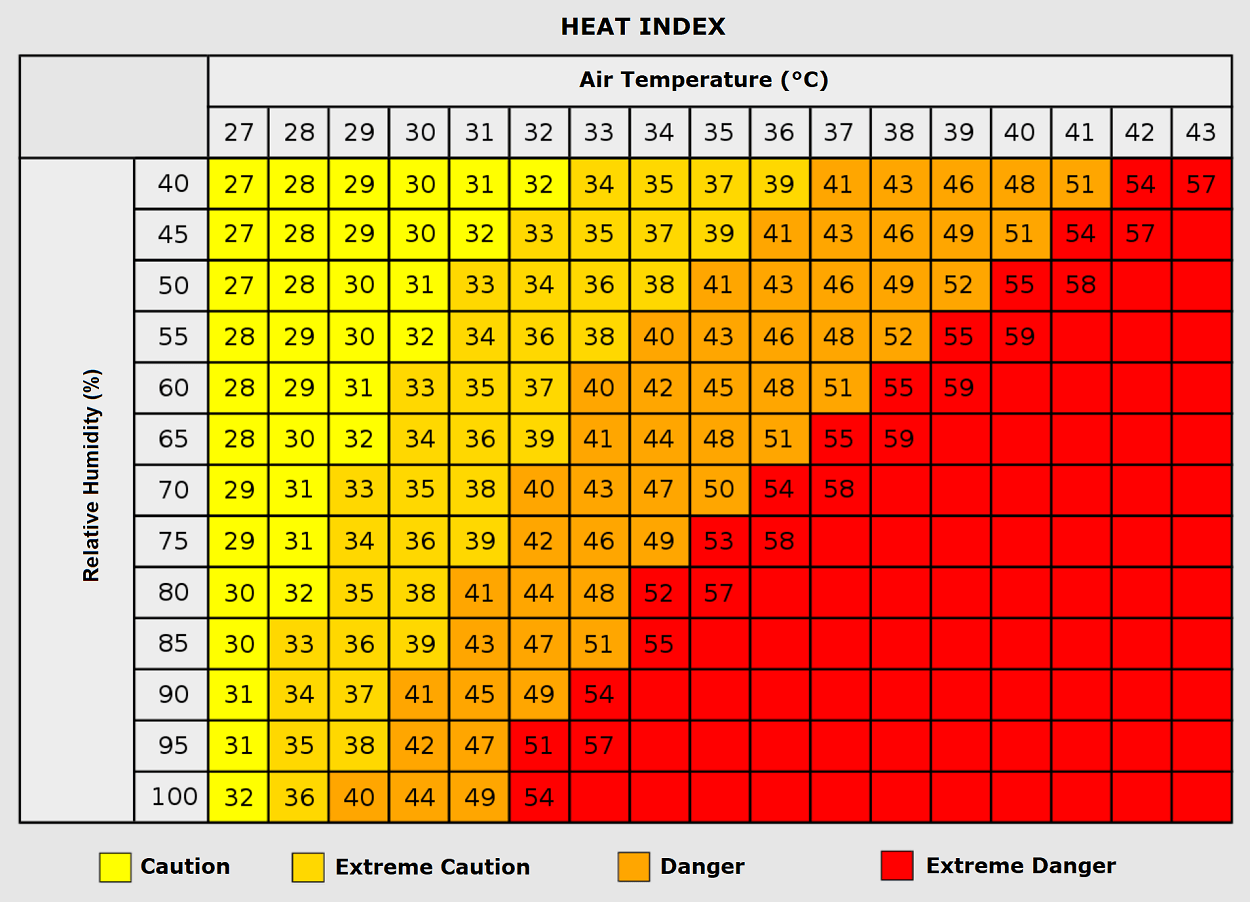
The most immediate danger lies in the physical toll on the human body. Vulnerable populations—the elderly, children, and those with pre-existing conditions—are at the highest risk. Construction workers, agricultural laborers, and those living in dense urban areas with high concentrations of heat-trapping asphalt and concrete are on the front lines of this crisis. As the "Heat Index" (the relationship between temperature and humidity) rises, the human body’s ability to cool itself through sweat becomes compromised. If humidity levels were to spike, a 35°C day could feel like 50°C, a threshold that is essentially unsustainable for human survival without climate control.
Agricultural and Ecological Consequences
The agricultural sector is facing a dual threat. The initial "flash drought" is already desiccating crops, leading to immediate yield losses. Beyond this, the loss of soil moisture creates a feedback loop: the drier the earth becomes, the less it can regulate surface temperatures, leading to further heating. This creates a volatile environment where even a minor ignition could lead to a massive, uncontrollable wildfire, as seen in previous years across Mediterranean forests.
Infrastructure Vulnerability
Europe’s infrastructure was largely built for a temperate climate. The extreme heat is testing the limits of rail networks—where tracks can buckle—and power grids, which are under immense strain due to the surge in demand for cooling. This heatwave serves as a stark reminder of the "new normal" for a continent that must now reconcile its urban design and energy policy with a rapidly shifting climate.
Conclusion: A Climate Milestone
The persistence of this Heat Dome is not merely a transient weather event; it is a signal of a changing atmospheric landscape. As we look toward the remainder of the summer, the data suggests that the compounding effects of climate change are making these "historic" events occur with greater frequency and intensity.
While the immediate focus remains on surviving the coming week, the meteorological community is already documenting this period as a critical juncture in European climatology. The intensity of this heatwave, occurring so soon after the Summer Solstice, highlights the urgent need for long-term adaptation strategies. As the maps continue to flash red, the residents of Europe are reminded that in the face of such a "monstrous" dome, preparation, vigilance, and community support are the only defenses against the rising tide of heat.
We will continue to monitor the evolution of this historic weather event as the core of the heatwave pushes further into Central and Eastern Europe.