The heavens are preparing for a rare and breathtaking convergence. On August 12, 2026, the Moon will slip precisely between the Earth and the Sun, casting a shadow of absolute darkness across the North Atlantic and parts of Europe. This Total Solar Eclipse—the first to touch continental Europe since the landmark event of August 1999—promises a dramatic transformation of the daytime sky into an eerie, star-filled twilight.
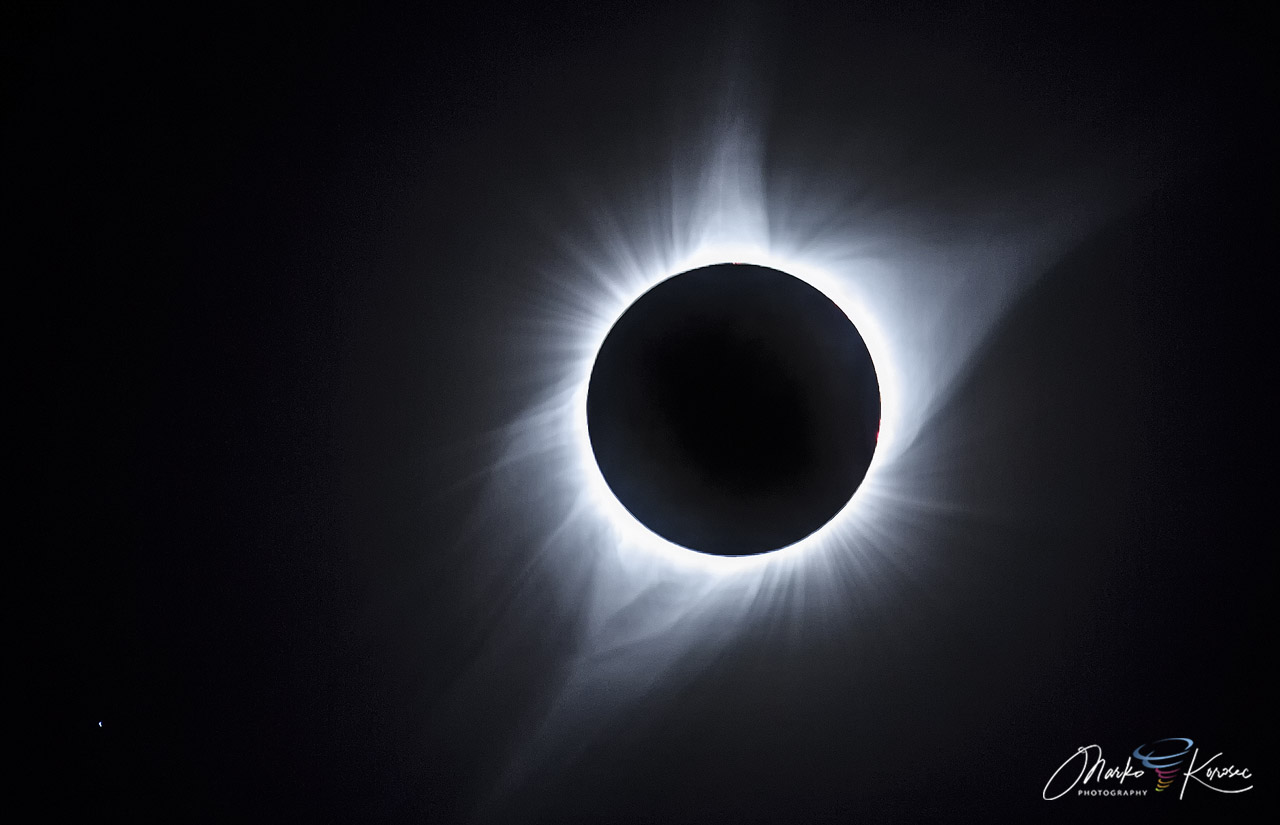
For up to 2 minutes and 18 seconds, the "path of totality"—a narrow corridor stretching from the Arctic Ocean to the Mediterranean—will experience the profound silence and chilling temperature drop that accompanies the total obscuration of the Sun. As the Moon’s umbra sweeps across Greenland, Iceland, and Spain, millions of observers will be treated to the sight of the Sun’s elusive, ethereal corona, rendered visible only when the solar disc is fully masked.

Main Facts: A Rare Alignment
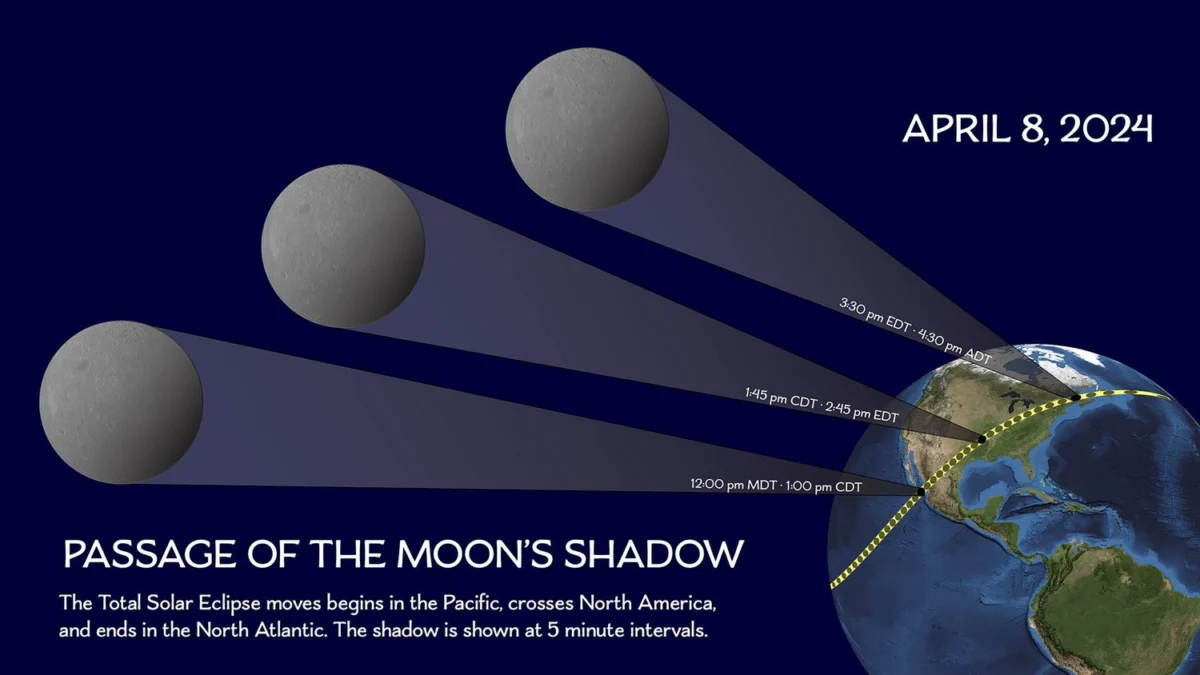
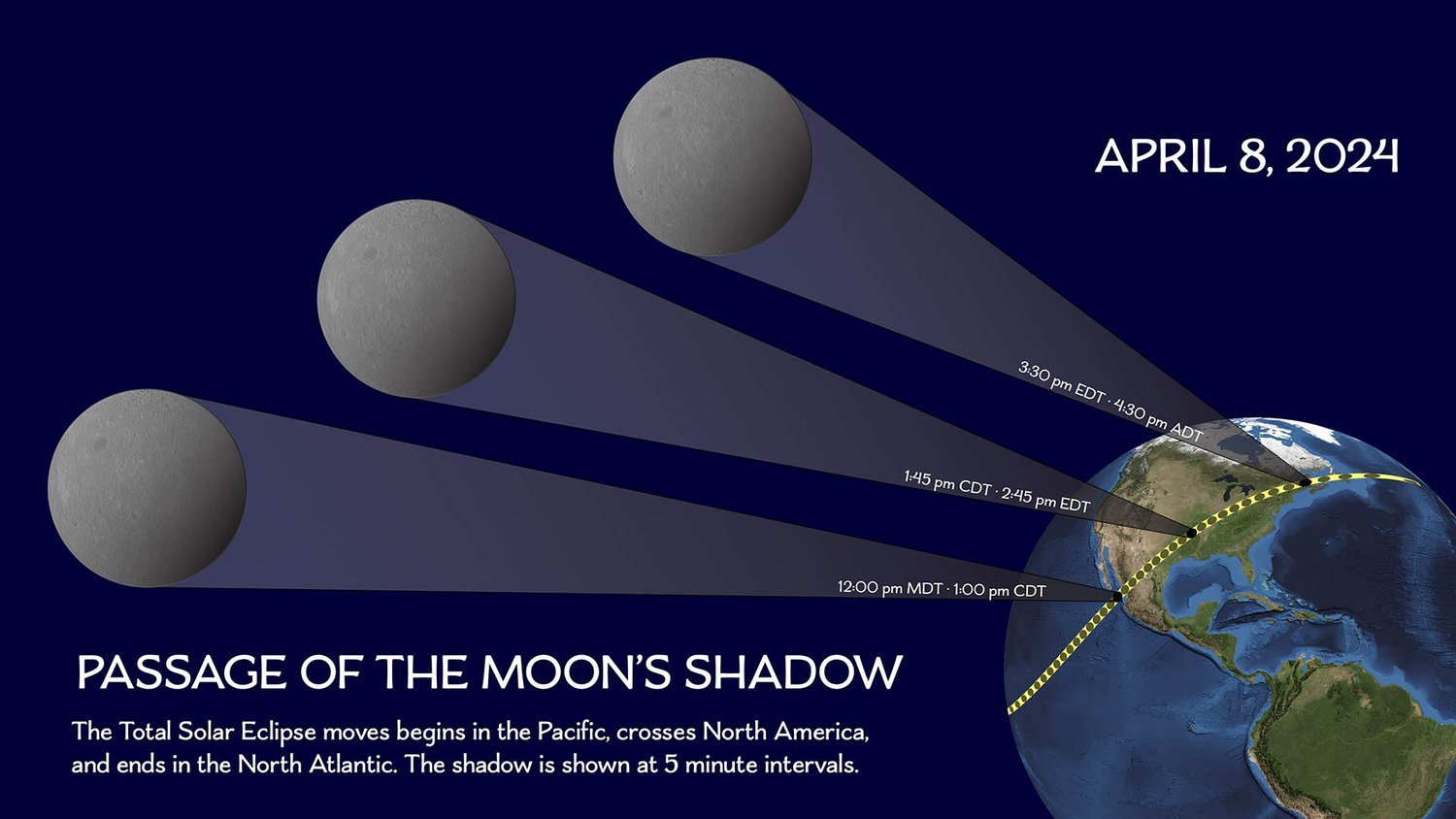
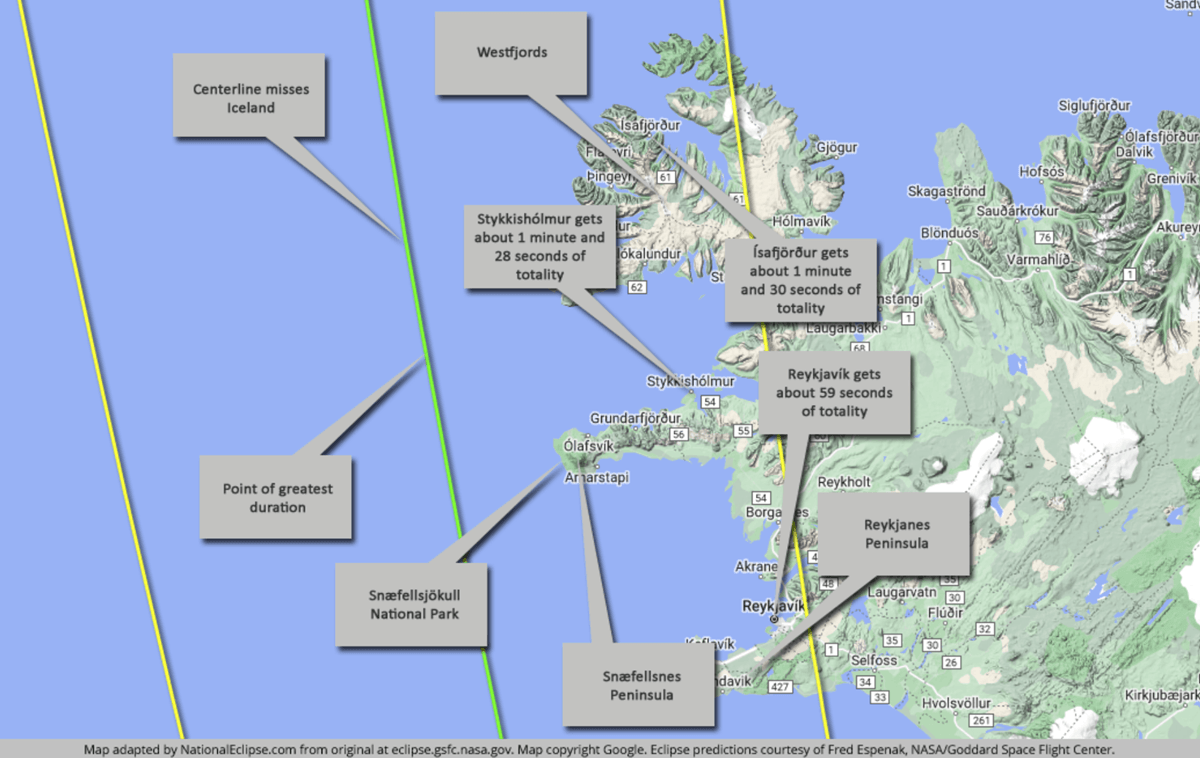
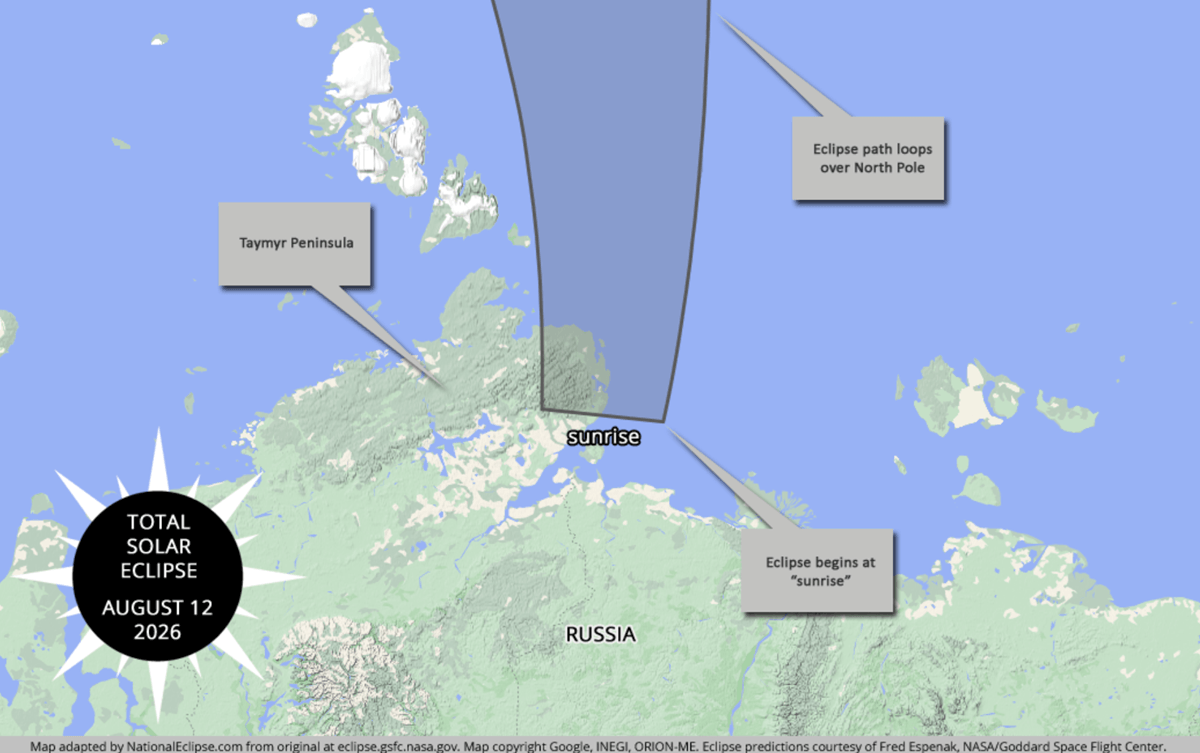
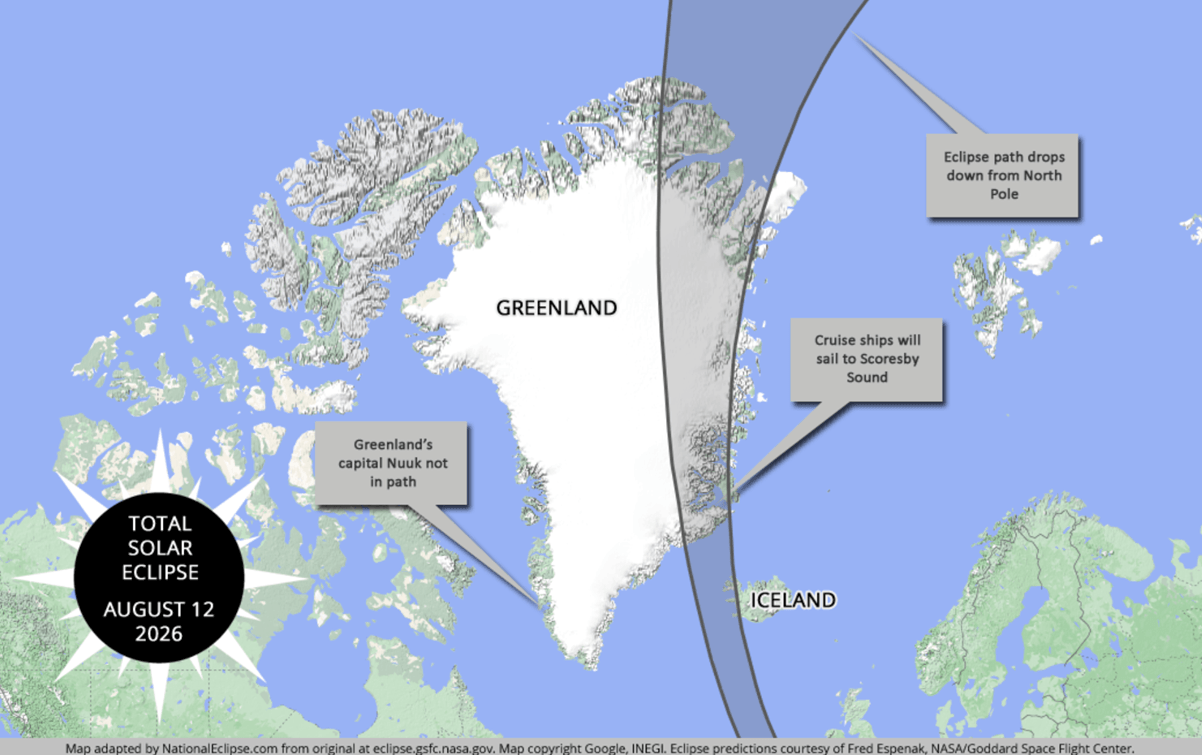
The 2026 eclipse is more than just a momentary darkness; it is a complex astronomical ballet. The trajectory begins at sunrise in northern Siberia, tracking south-southwest over the icy expanse of Greenland. The shadow then accelerates across the Atlantic, skirting the western coastline of Iceland before making landfall in northern Spain. It will conclude its journey at sunset, having traversed some of the most historic landscapes in Europe.
What elevates this specific event is its intersection with the Perseid meteor shower. Because the eclipse occurs during the peak of this annual celestial display, observers within the path of totality may have the surreal opportunity to spot shooting stars against the darkened daytime sky—a convergence that astronomers describe as a once-in-a-lifetime occurrence.
Chronology: The Shadow’s Path
The timeline of the eclipse is dictated by the precise geometry of the lunar orbit.
Iceland: An Arctic Twilight
In Iceland, the partial phase will begin at approximately 16:43 local time. The shadow will enter the Westfjords, with totality commencing at 17:44. For the capital, Reykjavik, the peak moment occurs at 17:48, offering a brief but intense 59 seconds of darkness. The full event will span roughly two hours, though weather remains the primary concern for observers in the North Atlantic.
Spain: A Sunset Spectacle
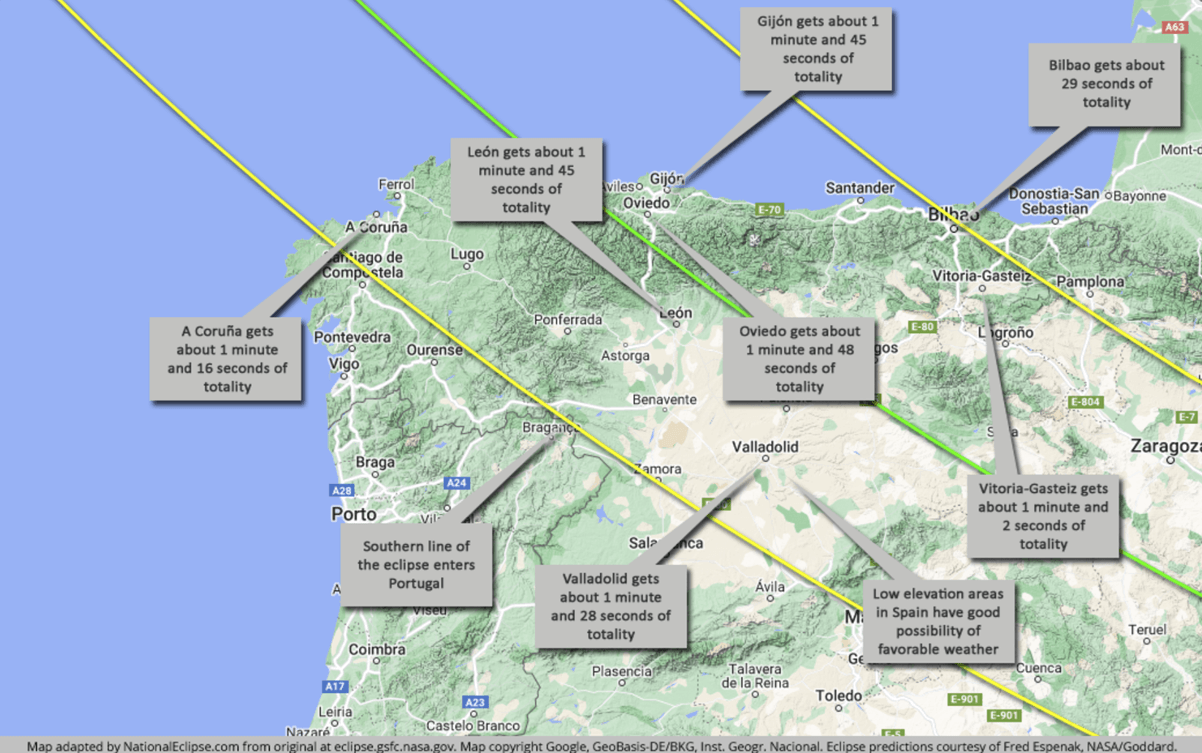
As the shadow moves into Spain, the scale of the audience grows exponentially. The partial eclipse commences at 19:30 CEST. The path of totality will sweep across cities including A Coruña, Zaragoza, and Palma de Mallorca. In these regions, the sun will hang low on the horizon, creating a dramatic sunset eclipse. The totality will last approximately 1 minute and 45 seconds in the initial Spanish territories, gradually shortening as it moves toward the Balearic Islands.
Greenland and the Arctic
The eclipse hits northern Greenland at 16:14 local time, offering a longer window of totality—reaching up to 2 minutes and 17 seconds in southern regions. While land-based viewing is limited by the rugged, sparsely populated terrain, the region is expected to host a significant number of cruise ships and scientific expeditions positioned to catch the phenomenon.
Supporting Data: Why Totality is Unique
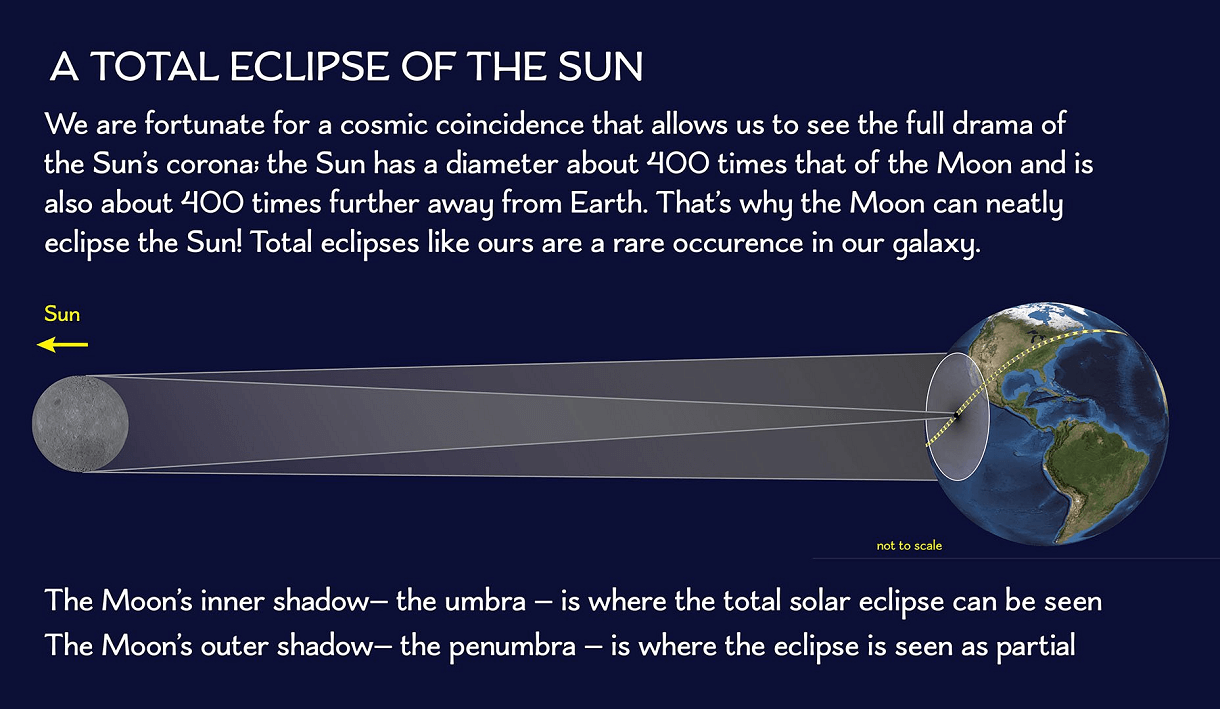
To understand the significance of this event, one must look at the mechanics of our solar system. Total solar eclipses are the result of a remarkable coincidence: the Sun is 400 times larger than the Moon, but it is also 400 times farther away, allowing the two bodies to appear almost identical in size from our vantage point on Earth.
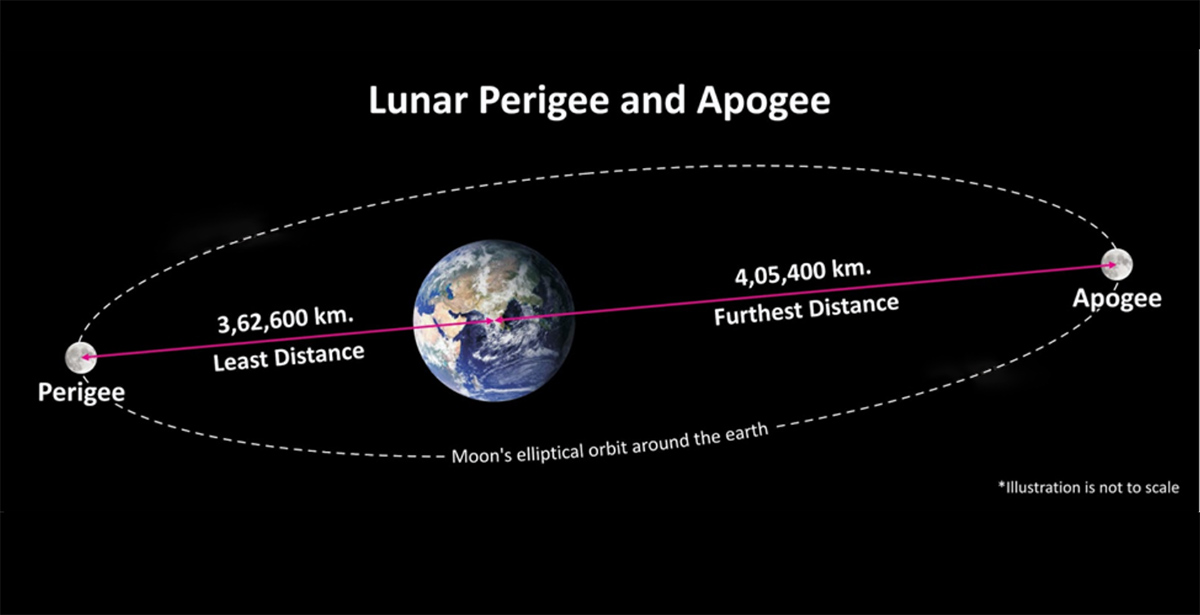
The Moon does not orbit the Earth in a perfect circle; its elliptical path results in varying distances, leading to "Supermoons" (perigee) or "Micromoons" (apogee). The 2026 event requires a precise alignment where the Moon’s umbra (the inner, darkest shadow) intersects the Earth’s surface. This path of totality is narrow—typically only 60 to 70 miles wide—meaning that even a few miles of travel can be the difference between a partial eclipse and the life-changing experience of total darkness.
Implications for Observers and Science
The 2026 eclipse represents a significant logistical challenge for host nations. With millions of people expected to travel to the path of totality, local authorities in Spain and Iceland are bracing for massive influxes of visitors.
Infrastructure and Safety
"Eclipse tourism" has become a global phenomenon, and the 2026 event is expected to mirror the scale of the 2024 North American eclipse. Parks, public squares, and rural roads in the path of totality will likely face overcrowding. Observers are urged to plan travel months in advance and ensure they have adequate accommodation.
Safety Protocols
The most critical takeaway for any observer is safety. Looking directly at the Sun, even during an eclipse, can cause permanent retinal damage.
- Solar Filters: Only use ISO-certified solar eclipse glasses. Inspect them for scratches or punctures before use.
- Optical Equipment: Never view the sun through a telescope, binoculars, or camera lens without a dedicated solar filter attached to the front of the device.
- The "Totality" Exception: The only time it is safe to remove eye protection is during the brief period of total darkness—when the Moon completely obscures the Sun. As soon as the first sliver of sunlight reappears, the filters must go back on immediately.
Meteorological Outlook
Weather is the "wildcard" of any eclipse expedition.
- Spain: The forecast is generally optimistic. Summertime in the Iberian Peninsula is characterized by hot, dry air and minimal cloud cover, providing a high probability of clear skies for spectators.
- Iceland: The outlook is more precarious. Atlantic depressions frequently bring cloud cover to the region. However, local meteorologists note that "downslope winds" in the Westfjords could potentially create breaks in the cloud cover, offering a glimpse of the event to those willing to navigate the unpredictable Arctic weather.
Scientific and Cultural Significance
This event serves as a reminder of our fragile place in the cosmos. Scientists will utilize the 2026 eclipse to study the Sun’s corona—the outer atmosphere that is usually drowned out by the Sun’s glare. Observations made during this time provide invaluable data on solar wind and magnetic fields, which impact space weather and satellite communications on Earth.
Culturally, the event provides a rare moment of global unity. For two minutes, millions of people—from the glaciers of Greenland to the Mediterranean coasts of Spain—will look upward in shared wonder.
The Future of Eclipses
While this event is a highlight for the decade, it is part of a larger cycle. The next total solar eclipse will occur on August 2, 2027, crossing North Africa and the Middle East. That event will be particularly notable for its extreme duration, with some regions experiencing over six minutes of totality.
As we look toward August 2026, we are reminded that these events are temporary. Due to the Moon’s gradual migration away from Earth, in roughly 600 million years, total solar eclipses will cease to exist entirely. We are currently living in a "golden age" of solar astronomy, where the size of the Moon and the Sun align to create these perfect, transient spectacles.
Whether you are a seasoned eclipse chaser or a first-time observer, the 2026 Total Solar Eclipse is a mandatory entry on your calendar. Prepare your equipment, check your weather forecasts, and secure your spot in the path of the shadow. It is an experience that stays with you for a lifetime.