By Editorial Staff | Photography Insights
The photography industry is currently caught in a whirlwind of high-octane marketing. Over the past week, major manufacturers have flooded the market with the latest iterations of flagship cameras, including the highly anticipated Sony a7rvi and the Canon R6v. These devices are marvels of modern engineering, boasting sensor resolutions that rival medium-format systems, autofocus algorithms capable of tracking a gnat at sunset, and video capabilities that make Hollywood cinema cameras look like relics of the past.
However, as the dust settles on these press releases, a pertinent question emerges: Does the latest hardware actually translate to better photography, or is it merely a distraction from the fundamental craft? This article explores the balance between gear acquisition syndrome (GAS) and the true pursuit of the photographic arts.
The Illusion of the "Better Camera"
In the digital age, the industry relies heavily on a cycle of planned obsolescence and incremental updates. When a new body is announced, the marketing copy is meticulously designed to make current equipment feel inadequate. It is easy to look at the spec sheet of a brand-new mirrorless system and feel that your current photographs would be "better" if only you had that extra stop of dynamic range or that faster burst rate.
Yet, history reminds us that some of the most iconic images ever captured were taken on cameras that would be considered entry-level by today’s standards. From the grainy, high-contrast street photography of Henri Cartier-Bresson to the sprawling landscapes of Ansel Adams, the common denominator was never the equipment—it was the photographer’s vision, timing, and understanding of light.
The Psychology of Gear Acquisition
Professional photographers often find themselves trapped in a cycle of upgrading. This "gear acquisition syndrome" is a documented phenomenon where the act of purchasing equipment provides a dopamine hit similar to the creative process itself. The danger, however, is that this focus shifts the photographer’s energy away from the field and toward the checkout cart. By the time a new camera arrives, the initial creative spark that prompted the purchase is often extinguished by the logistical burden of learning new menus, reconfiguring custom buttons, and adapting to new workflows.
Chronology of a Creative Weekend
To illustrate the importance of shooting over buying, consider the routine of a working photographer. On a typical Saturday morning, the life of a visual artist is not defined by reading spec sheets; it is defined by engagement with the world.
- 07:00 AM: The day begins not with checking camera news, but with preparing for a session.
- 08:30 AM: Arriving at a local sporting event—in this case, youth soccer. This environment provides a masterclass in tracking, timing, and composition. Using a seasoned camera (like the Sony a7r3) paired with a versatile lens (such as the Tamron 35-150mm), the photographer captures the raw emotion of the game.
- 10:00 AM: A return home. The gear is packed away, but the creative drive remains. The challenge shifts from action photography to controlled studio environments.
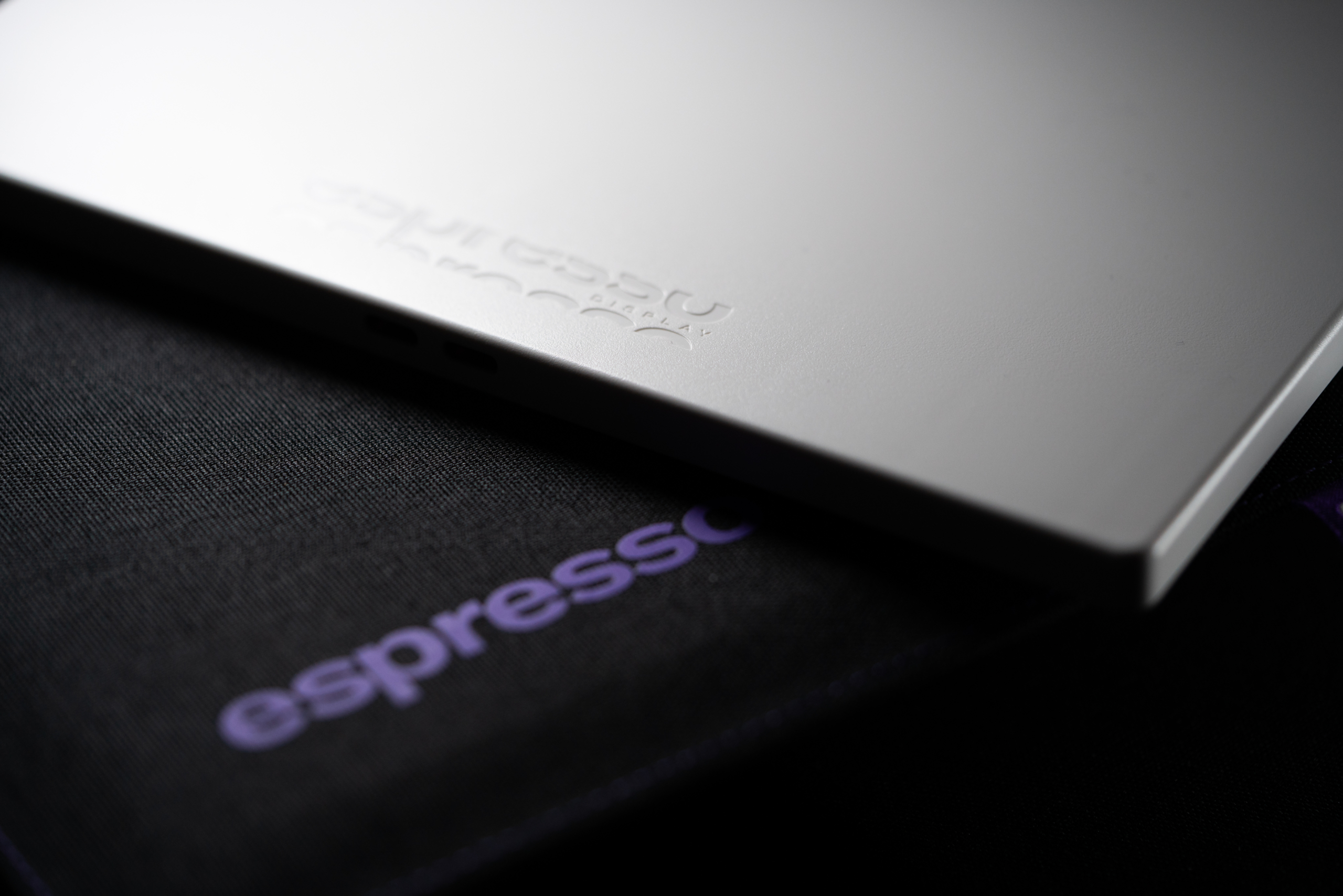
- 11:30 AM: Setting up a "home studio." This involves nothing more than two small LED lights, a piece of white cardboard for a reflector, and a singular, focused goal: product photography.
This chronology proves that the transition from a busy morning of action photography to a delicate afternoon of still-life work requires no new technology—only a shift in perspective.
Supporting Data: Why "Good Enough" is Enough
Technical specifications have reached a point of diminishing returns. For 95% of photographers, the current generation of cameras—and even those from five years ago—far exceed the requirements for high-quality printing, web display, and social media engagement.
The Myth of Resolution
While a 60-megapixel sensor is a dream for large-scale commercial printing, it is largely overkill for the average enthusiast. The data overhead, the storage requirements, and the processing power needed to edit these massive files can actually hinder productivity.
The Versatility Factor
The professional photographer’s choice of a Tamron 35-150mm lens is a testament to the power of utility over specialization. Rather than carrying a bag full of heavy, expensive prime lenses, a single, high-quality zoom allows the photographer to react to changing situations instantaneously. This agility is more valuable than any increment in autofocus speed offered by a new body.
Official Industry Perspectives
Manufacturers argue that the latest gear is designed to "remove the barriers to creativity." Representatives from major brands often state that by automating technical hurdles—such as eye-tracking for subjects or computational exposure adjustments—the camera allows the photographer to focus entirely on the subject.
There is truth to this: when the camera handles the technical heavy lifting, the user is free to interact with their subjects or observe the light more carefully. However, there is a counter-argument. When the camera is too capable, it can lead to a "spray and pray" mentality. Photographers may stop thinking about the composition, depth of field, or shutter speed, trusting the machine to solve the problem in post-production. The consensus among masters of the craft remains: technology should be a tool that serves the vision, not a crutch that replaces it.
The Path Forward: Implications for the Photographer
If we accept that the current gear is already excellent, what does this mean for the future of the individual artist? It suggests that we are entering a new era of "intentional photography."

1. Master Your Current Tool
Instead of upgrading, spend the next month mastering every custom function on your current camera. Learn to operate it by touch alone, without looking at the screen. When you know your tool so well that it becomes an extension of your body, your photography will improve more than any hardware upgrade could facilitate.
2. Constraints Breed Creativity
The use of limited equipment—like the aforementioned LED lights and cardboard—forces the brain to solve problems. When you don’t have the "perfect" studio gear, you must understand the physics of light to achieve your desired result. This is where true learning happens.
3. Focus on the Narrative
Photography is fundamentally a storytelling medium. Whether you are documenting your child’s soccer match or shooting a commercial product, ask yourself what the story is. Is it the intensity of the game? The sleek texture of the product? If the story is strong, the viewer will never notice the sensor noise or the lack of the latest autofocus feature.
4. Engage with the Community
The culture of "gear reviews" often isolates us in our home offices. Go out into the world. Join local photo walks, visit galleries, or simply sit in a park and observe how light moves through the environment. Photography is an observational art, and the best observations are made when you are not tethered to the latest marketing hype.
Conclusion: Go Forth and Capture
The news cycle will continue to produce new, enticing hardware. There will always be a faster processor, a brighter screen, and a sharper lens. But your journey as a photographer is unique to you. It is a progression of vision, technique, and experience that no store-bought item can shortcut.
Take the gear you have—whether it is a top-of-the-line mirrorless beast or a smartphone—and put it to the test. Create a project for yourself this weekend. Challenge your limitations. Learn to manipulate light with simple tools. By moving the focus from the camera bag to the viewfinder, you will find that the most significant upgrades aren’t found in the hardware store, but in your own artistic growth.
Go forth, capture the world, and tell your story. The only thing missing from your next masterpiece is you.