In a move that promises to redefine the landscape of the American utility sector, NextEra Energy and Dominion Energy have officially launched their regulatory approval process for a historic $66.8bn all-stock merger. This consolidation, first announced in May, aims to create a behemoth of the energy industry, capable of navigating the unprecedented surge in electricity demand currently gripping the United States.
The proposed union represents one of the largest corporate consolidations in the history of the utility sector, bringing together two of the most influential players in the market. By pooling their assets, the companies intend to leverage massive economies of scale to bolster infrastructure, accelerate the transition to cleaner energy, and maintain price stability for millions of consumers across four of the nation’s most dynamic states: Florida, Virginia, North Carolina, and South Carolina.
The Regulatory Marathon: Formal Filings Begin
The path to completion is paved with rigorous regulatory scrutiny. NextEra and Dominion have formally submitted applications to a battery of federal and state oversight bodies, including the Virginia State Corporation Commission, the Public Service Commission of South Carolina, the North Carolina Utilities Commission, the Nuclear Regulatory Commission (NRC), and the Federal Energy Regulatory Commission (FERC).
These filings represent the first major step in a multi-year review process. Regulators will be tasked with examining the implications of the merger on market competition, service reliability, and consumer protection. Given the sheer size of the combined entity—which would command over 110GW of generation capacity—the review is expected to be exhaustive, focusing on how the companies plan to integrate their diverse energy portfolios while maintaining local accountability.
Chronology of a Mega-Merger
The journey to this point has been marked by strategic positioning and significant corporate maneuvers:
- May 2027: The companies announce a definitive agreement to merge in an all-stock transaction valued at $66.8bn.
- Early Summer 2027: Boards of directors from both companies issue unanimous support for the transaction, citing long-term value creation and operational synergy.
- July 2027: The formal filing phase commences, with the companies submitting documentation to five major state and federal regulatory commissions.
- Late 2027 (Expected): The deal is slated for a final close, pending the receipt of necessary regulatory approvals and the satisfaction of customary closing conditions.
Supporting Data: The Scale of the New Entity
The merger would result in a utility giant with a reach unparalleled in the modern era. The combined entity would serve approximately ten million customer accounts, effectively becoming the backbone of the power grid in the Southeast and Florida.
The generation mix of the new company is intentionally diversified. With 110GW of capacity, the portfolio would span:
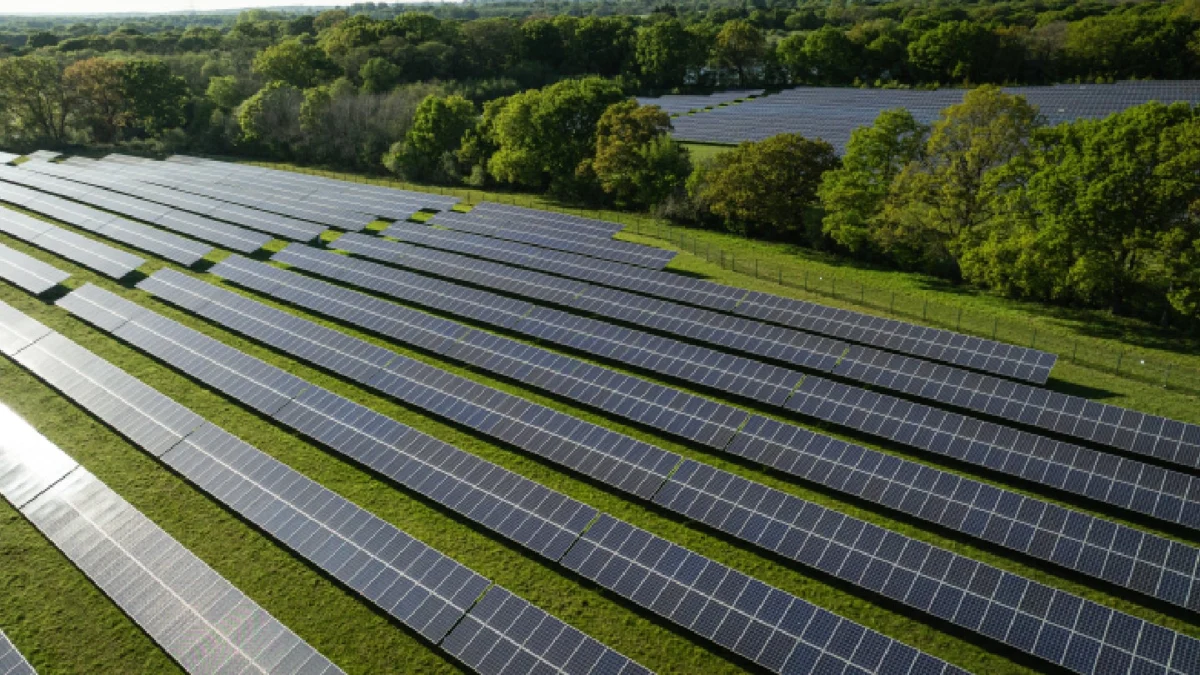
- Renewable Energy: A significant footprint of wind and solar assets, primarily led by NextEra’s industry-leading renewable energy arm.
- Nuclear Power: A robust fleet of nuclear reactors, providing essential baseload, carbon-free electricity.
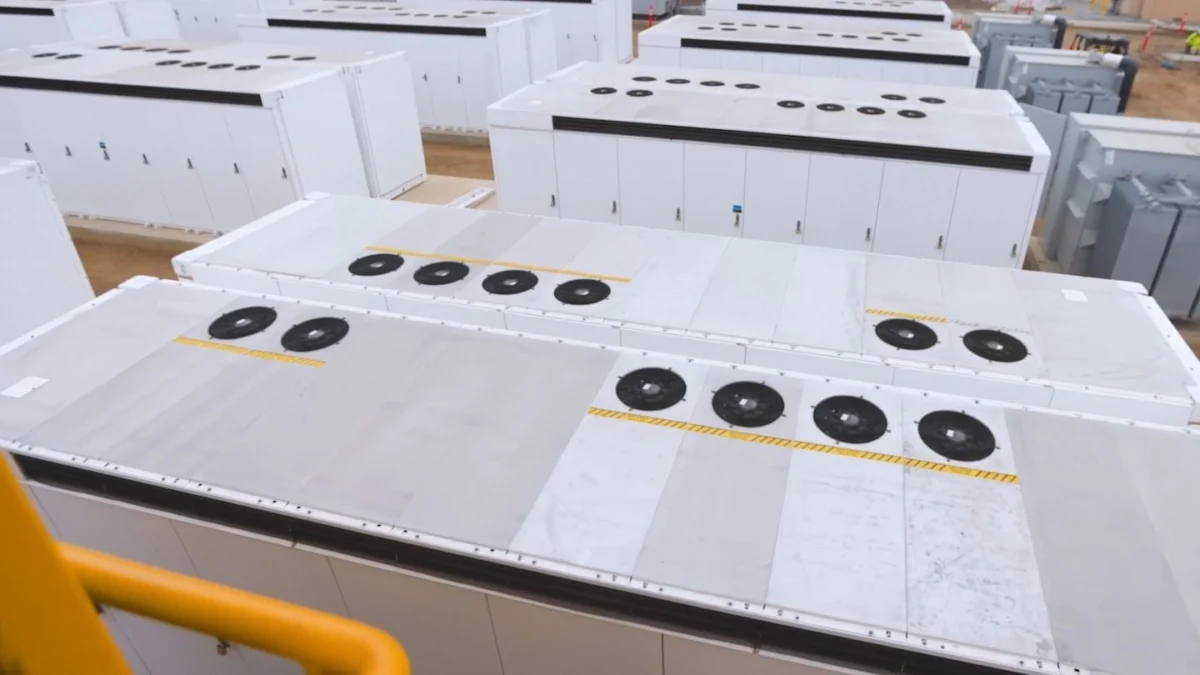
- Battery Storage: Large-scale energy storage solutions to stabilize the grid during peak demand.
- Natural Gas: Highly efficient gas-fired plants to serve as the critical bridge fuel in the energy transition.
The financial structure of the deal ensures that NextEra shareholders will hold approximately 74.5% of the combined entity, while Dominion shareholders will retain a 25.5% stake. This distribution reflects the current valuation of the two firms and the complementary nature of their asset bases.
The Consumer Promise: Affordability and Protections
A primary concern for regulators in any utility merger is the impact on retail electricity rates. Recognizing this, NextEra and Dominion have proactively introduced a consumer protection package designed to win public and political favor.
The centerpiece of this strategy is a $2.25bn commitment in bill credits for Dominion customers in Virginia, North Carolina, and South Carolina. These credits, which are to be distributed within two years of the merger’s completion, are funded entirely by shareholders. The companies have emphasized that these credits are not recoverable from customers, ensuring that the merger-related expenses do not result in rate hikes.
Furthermore, the companies have pledged that no merger-related costs will be passed on to the consumer. This "cost-shield" approach is designed to mitigate fears that the massive premium paid in the transaction would inevitably lead to higher monthly utility bills.
Official Responses and Strategic Vision
Leadership from both organizations has framed the merger as a "growth-oriented" necessity. NextEra Energy chairman, president, and CEO John Ketchum highlighted the strategic synergy between the two companies during the filing announcement:
"This combination is about putting scale and a stronger, more comprehensive platform behind Dominion Energy’s local teams so they can meet growing power demand while keeping bills affordable and service reliable," Ketchum stated.
From the Dominion perspective, the merger is seen as a way to maintain the "local touch" while benefiting from the superior operational efficiencies and technical expertise of a larger parent company. To this end, Dominion’s local operating companies will remain separately regulated and locally led, preserving the existing corporate culture and regional focus. The company intends to maintain a distributed leadership structure, with headquarters jointly located in Richmond, Virginia, and Juno Beach, Florida, alongside a new, strategic operations hub in Cayce, South Carolina.
Labor Protections and Workforce Stability
In addition to consumer protections, the companies have made significant concessions to ensure workforce stability. As the energy sector undergoes a massive transition, the retention of skilled labor is a top priority.
The combined company has committed to honoring all existing collective bargaining agreements. Moreover, they have implemented a job protection policy that guarantees Dominion employees at least 18 months of employment security following the merger’s completion. This move is designed to minimize internal disruption and maintain the operational excellence required to manage a fleet of 110GW of power generation.
Implications for the Future of Energy
The implications of this merger extend far beyond the balance sheets of the two companies.
1. The Demand Surge
The US is currently experiencing a surge in electricity demand, driven by the proliferation of artificial intelligence data centers, the rapid electrification of the transportation sector, and a booming manufacturing base. This merger creates a platform capable of investing in the massive capital-intensive infrastructure projects—such as grid modernization and new transmission lines—that are required to meet this demand.
2. Market Consolidation
This deal signals a trend toward further consolidation in the utility industry. As the transition to renewable energy requires greater financial resources and more sophisticated grid management, smaller, regional players may find it increasingly difficult to compete. A merged NextEra-Dominion entity would set the bar for the level of investment required to remain competitive in the 2030s.
3. The Regulatory Precedent
How state commissions in Virginia, North Carolina, and South Carolina handle this merger will set a significant precedent. These states have historically had distinct regulatory environments; the harmonization of these environments under one corporate entity will test the limits of state-level oversight in an increasingly nationalized energy market.
4. Sustainability and ESG Goals
With a combined focus on renewables and nuclear, the merger positions the company as a leader in the global energy transition. By leveraging NextEra’s development expertise and Dominion’s existing nuclear baseload, the company is uniquely positioned to achieve net-zero targets faster than either company could have accomplished independently.
Conclusion
As the energy sector faces the dual challenges of rising demand and the imperative to decarbonize, the merger of NextEra Energy and Dominion Energy is a transformative development. While the path to regulatory approval is complex, the companies have crafted a proposal that prioritizes consumer affordability, labor stability, and operational continuity. If the transaction clears the hurdles set by the FERC, NRC, and state commissions, it will undoubtedly cement a new era of utility management—one characterized by massive scale, integrated technological solutions, and a unified vision for a more reliable, sustainable American power grid.