As the summer solstice approaches, the rhythm of nature at Uoma enters its most vibrant phase. In the northern hemisphere, the transition of seasons—dictated by equinoxes and solstices—often feels fleeting. However, for those tending to the land, the extended daylight hours of the Finnish summer provide a unique window into ecological health. This June, the bustling pollinator department at Uoma has undergone significant changes, sparking a deeper investigation into the vital, yet often overlooked, nocturnal world of plant fertilization.
The Arrival of 30,000 New Colleagues
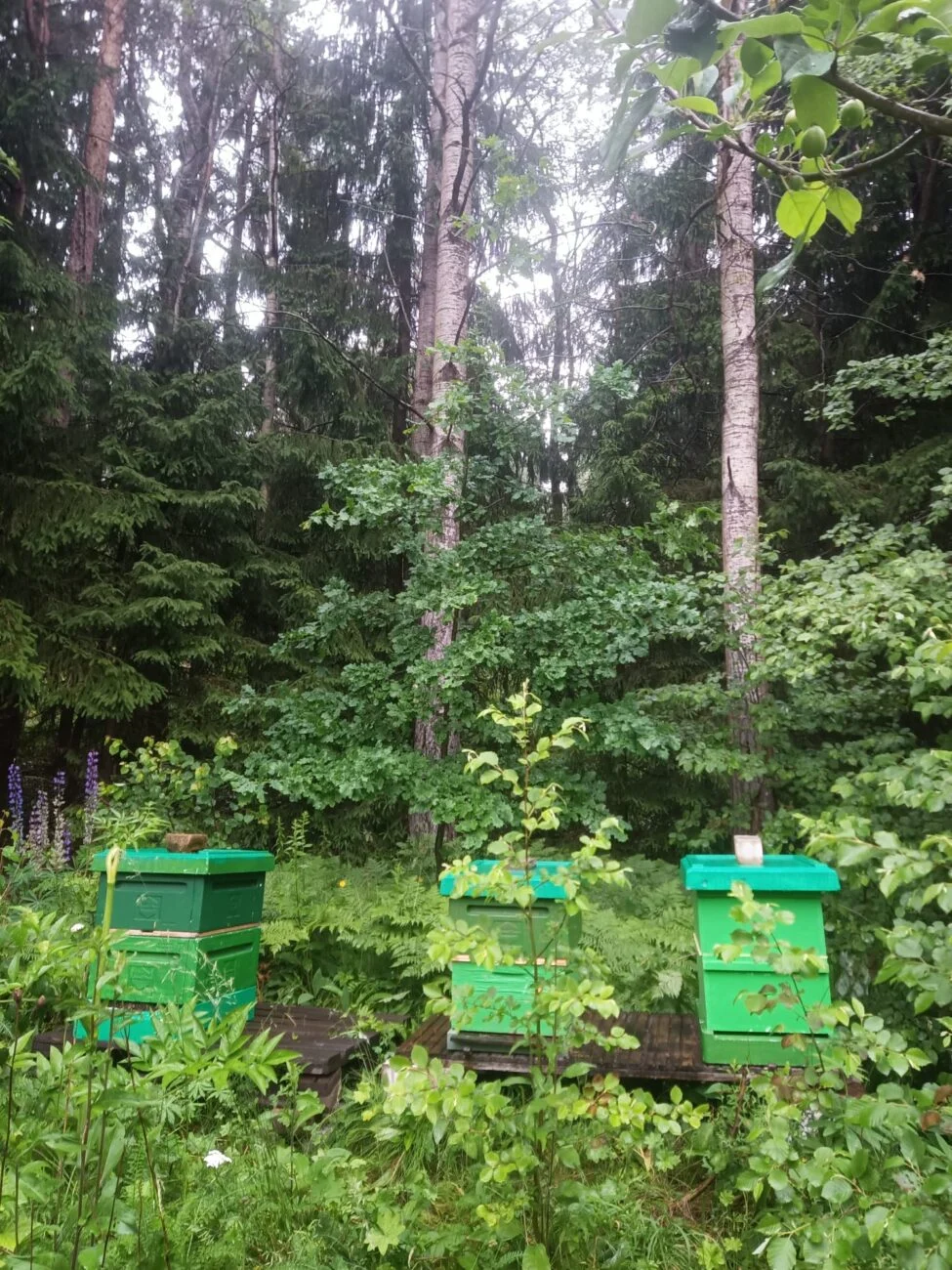
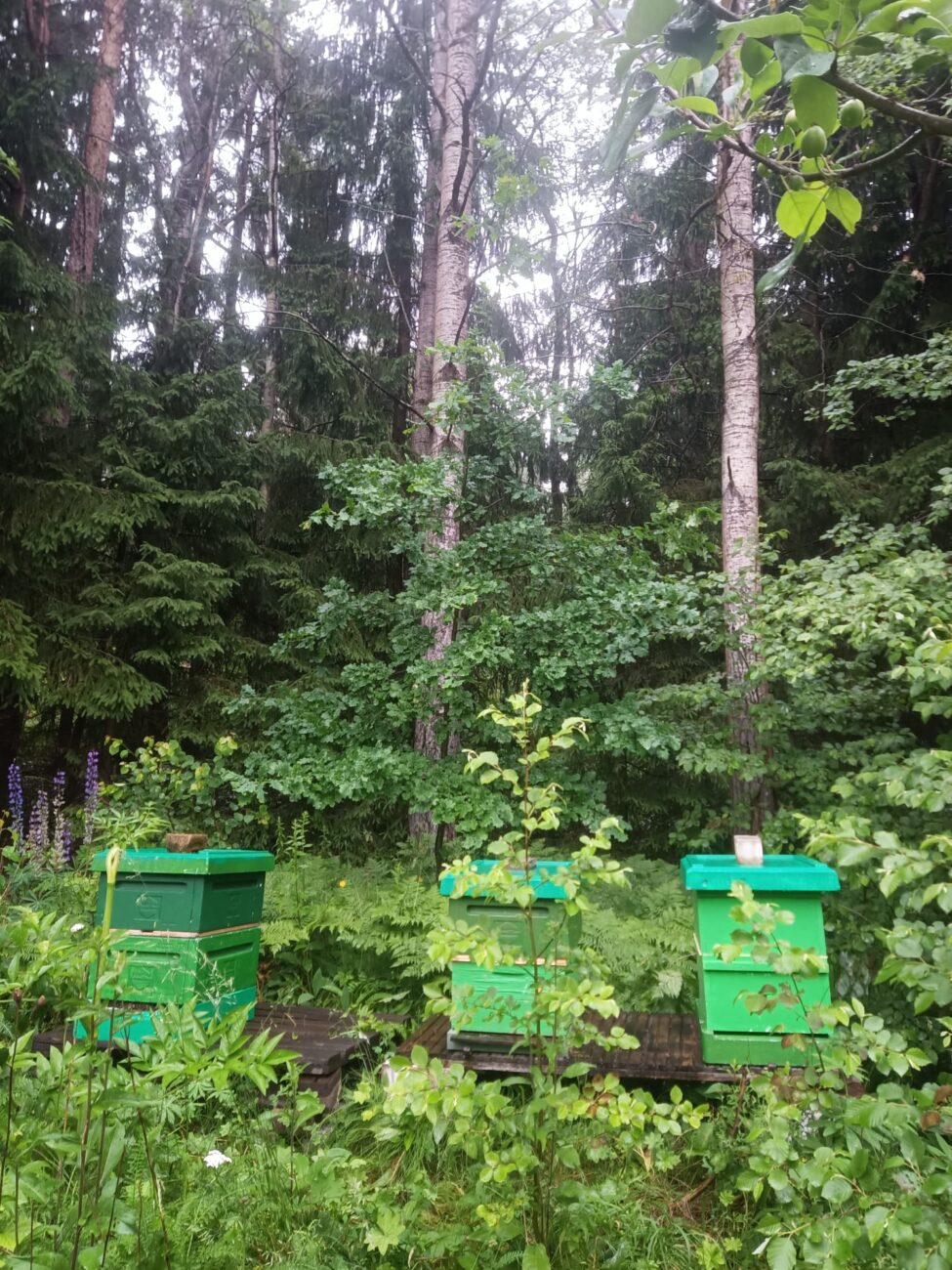
The month began with a dramatic expansion of the local workforce. With the arrival of 30,000 new residents—honeybee colonies provided by a neighboring apiarist, Mari—the farm’s capacity for pollination has surged. For the team at Uoma, this represents more than just an increase in agricultural efficiency; it is an invitation to engage in the delicate art of beekeeping.
Beekeeping is often perceived as an intimidating pursuit for the uninitiated. However, the presence of these hives at the tranquil edge of the forest has served to demystify the process. The goal for the coming seasons is to integrate apiary management into the farm’s daily operations, transforming a passive environmental benefit into an active educational journey.
Expanding the Scope: The "Dark" Pollinators
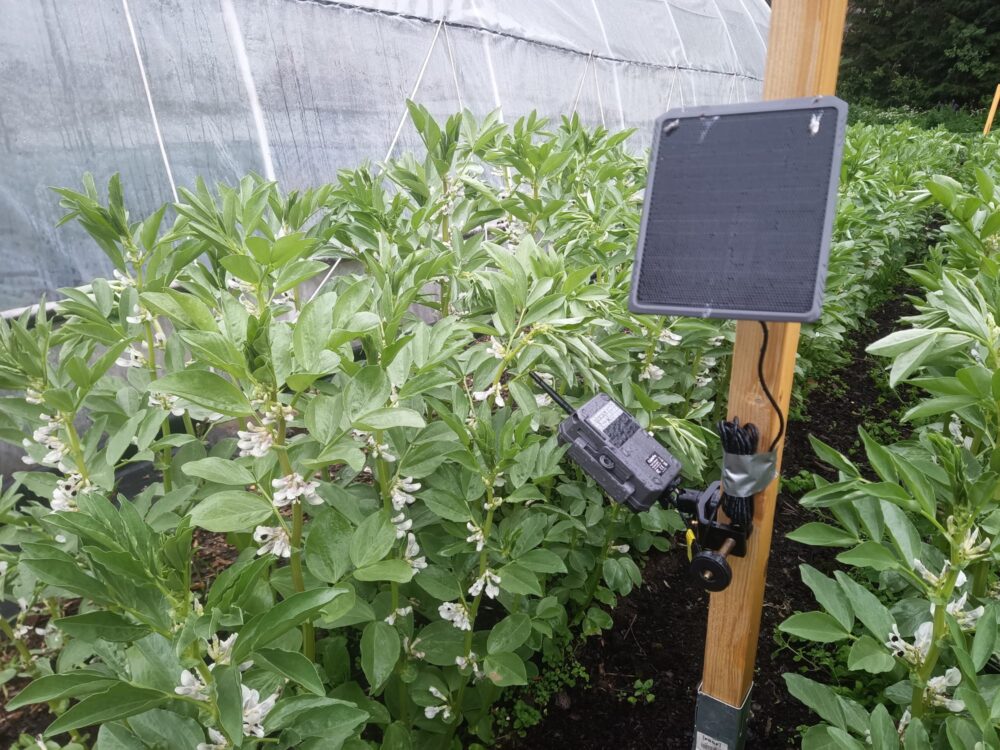
While honeybees and bumblebees command the headlines of conservation, they represent only a fraction of the story. Uoma has joined forces with the Finnish Environment Institute (SYKE) in a landmark project titled “Pimeään jääneet pölyttäjät” (Pollinators Left in the Dark). This initiative utilizes advanced scientific and artistic photography to shed light on the nocturnal pollination of plants—a process that remains largely shrouded in mystery.
The Scientific Gap
The challenge of observing pollinator visits in low-light or dark conditions has historically hindered research. Most pollination studies are conducted during daylight hours, leading to a significant bias in our understanding of ecosystem services.
"Monitoring pollinator flower visits using traditional methods is difficult in dusk or darkness, which is why the vast majority of pollination studies have been carried out during the day," the project notes. "The role of night-active pollinators in food production and the pollination of wild plants is poorly understood, which reflects on conservation efforts and public understanding of the importance of different pollinators."
By focusing on these "night-shift" insects, the project aims to quantify the ecological contribution of moths, nocturnal beetles, and other night-active creatures that quietly ensure the survival of our flora.
Pollinator Decline: A Silent Crisis
The narrative of "pollinator decline" is frequently restricted to managed honeybees and familiar bumblebee species. However, the lack of data regarding nocturnal insects presents a grave risk.
At Uoma, the commitment to organic practices—eschewing synthetic fertilizers and pesticides—is not merely an aesthetic choice; it is a vital defensive measure. A critical, if unsettling, observation shared by visitors concerns the intersection of pest control and pollinator mortality.
It is well-documented that certain pesticides are lethal to bees, leading to regulations that often restrict their use during daylight hours (typically between 06:00 and 22:00) when bees are most active. However, this creates a dangerous logic: if the chemicals are applied after dark to avoid harming day-active pollinators, what is the fate of the nocturnal species? The potential for unintended, large-scale collateral damage to night-active pollinators is a sobering prospect, highlighting why the current research into these nocturnal insects is so urgently needed.
Horticulture: The Art of Timing
While the ecological focus remains on wild pollinators, the farm’s agricultural output also requires careful management. Experience has taught the Uoma team that patience and preparation are the keys to a successful harvest, particularly regarding legumes.
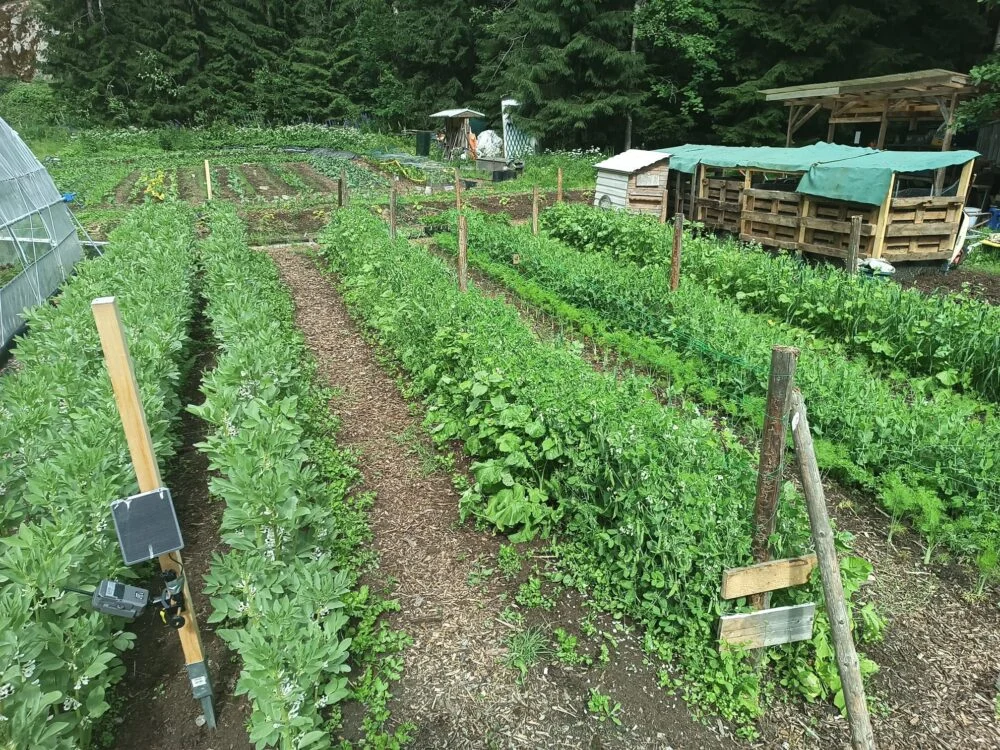
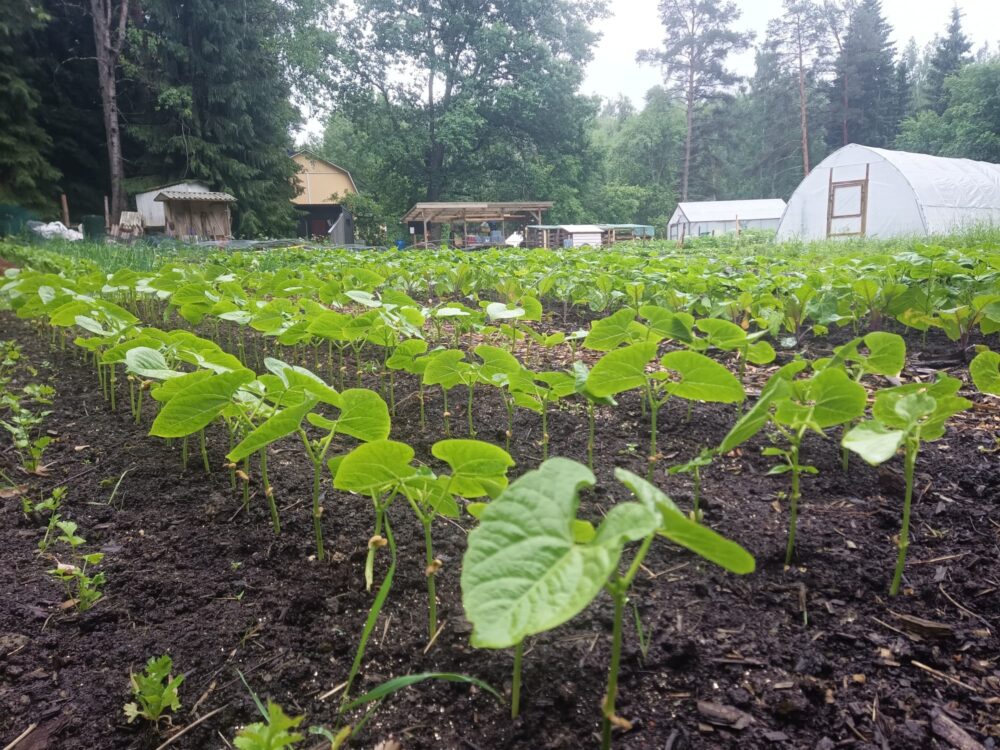
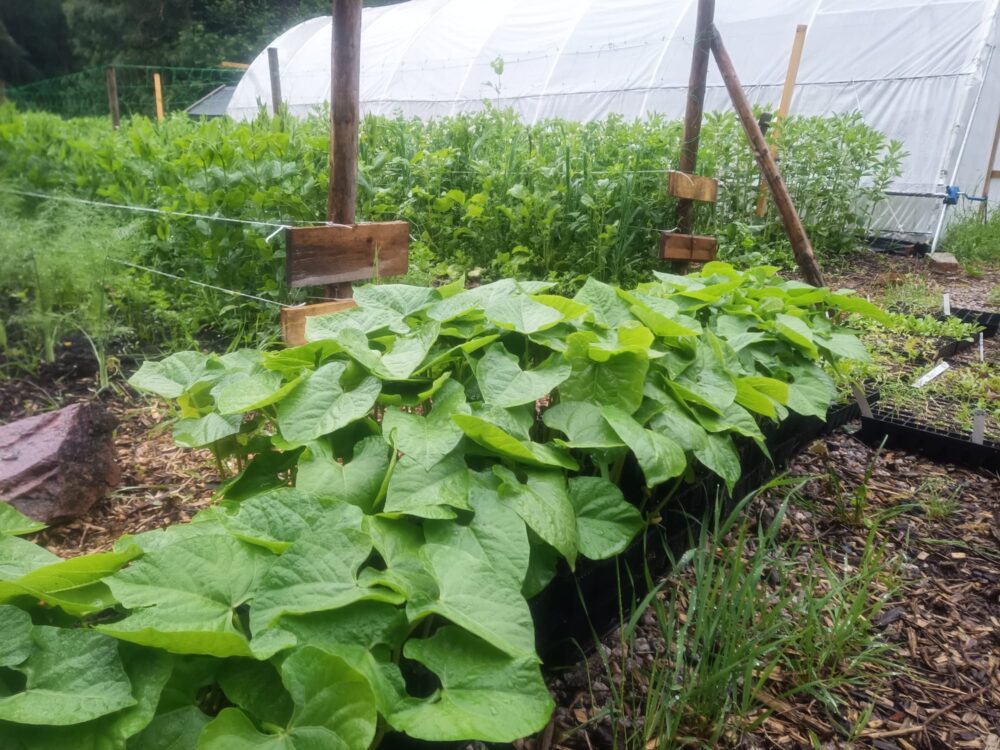
In previous years, the farm experimented with both direct sowing and pre-cultivation for green beans. The results were conclusive: pre-cultivation is the superior method. Direct-sown beans often fell victim to local fauna, becoming "gourmet snacks" for wildlife before they had a chance to establish themselves. This year, by moving all green bean cultivation through an indoor start, the crop outlook is significantly more promising, ensuring a robust harvest later in the season.
Seasonal Wellness: The Harvest of Midsummer
As the solstice passes and the summer holiday season begins, the focus shifts from production to personal restoration. The Finnish landscape offers a bounty of ingredients perfect for traditional wellness rituals, such as the pre-sauna foot bath.
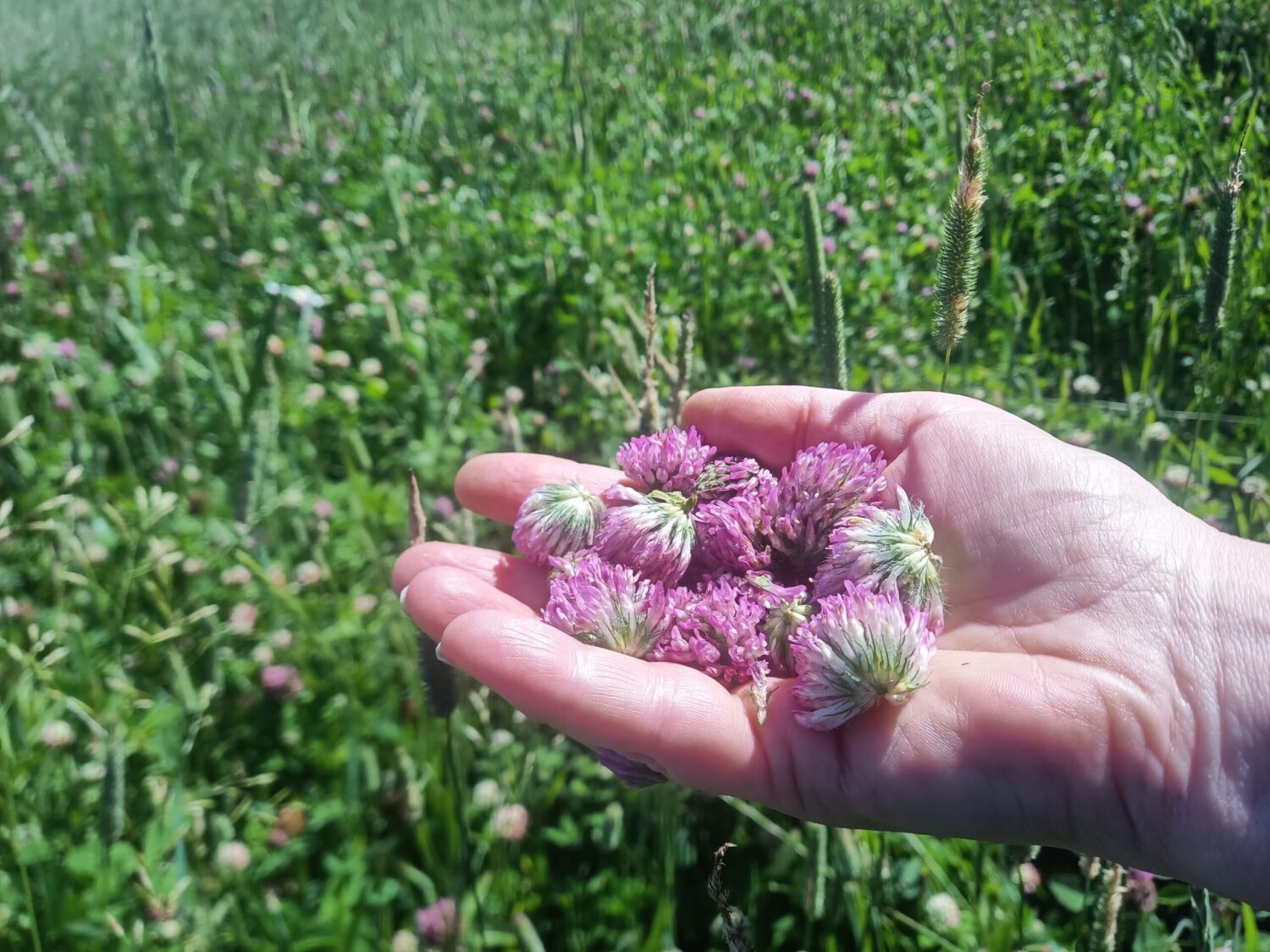
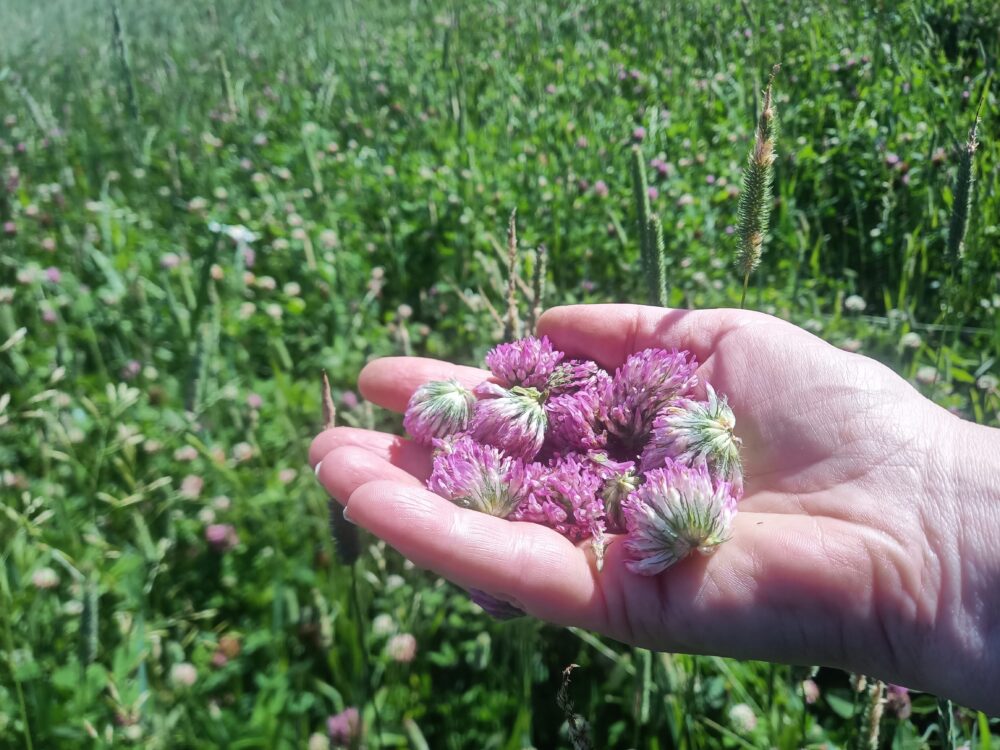
Gathering ingredients like red or meadow clover, lady’s mantle (Alchemilla), and garden-grown rohtosalvia (common sage) offers a sensory connection to the land. Red clover, in particular, is noted for containing biochanin A, a precursor to dopamine, making the act of gathering as therapeutic as the bath itself.
These herbs are not just for the feet; they are also highly valued in herbal tea traditions. They serve as natural supports for general well-being, particularly for women’s health, and represent the intersection of historical folk wisdom and modern holistic living.
Culinary Innovation: The "Skeip" Delicacy
For those interested in garden-to-table dining, the early summer offers a rare treat: skeips (garlic scapes). As hardy garlic varieties begin to develop their flower stalks, removing these stalks is a vital horticultural practice. By removing the scape, the plant diverts its energy away from flower production and back into the development of the garlic bulb.
Rather than discarding these stalks, they are treated as a gourmet delicacy. They possess a delicate, mellow garlic flavor that elevates any dish.
Recipe: Skeip Orzotto
This recipe provides a sophisticated way to enjoy the season’s bounty.
Ingredients:
- Fresh garlic scapes, chopped
- Orzo pasta
- Vegetable broth
- Butter and olive oil
- Fresh wild mushrooms
- Leaf parsley, salt, and black pepper
- Parmesan cheese (or nutritional yeast for a vegan alternative)
- A splash of cream (optional)
Instructions:
- Prepare the Orzotto: Sauté onion in a pan with oil until translucent. Add the orzo pasta and toast briefly. Gradually add vegetable broth, one ladle at a time, stirring constantly until the liquid is absorbed. Repeat until the orzo is al dente.
- Sauté the Mushrooms: In a separate pan, cook the mushrooms until their moisture has evaporated. Add a butter-oil blend and brown the mushrooms until golden. Season with salt, pepper, and fresh parsley.
- Combine: Once the orzo is cooked, fold in the butter and grated parmesan. Add the sautéed mushrooms and chopped garlic scapes. Adjust seasoning with salt and pepper, adding a splash of cream for extra richness if desired.
Implications for the Future
The initiatives at Uoma—ranging from hosting honeybees and participating in nocturnal pollinator research to sustainable gardening and foraging—paint a picture of a holistic approach to land management.
By acknowledging the "hidden" contributors to our ecosystem, we can better design agricultural systems that are resilient and biodiversity-positive. As we look toward the future of food security and environmental conservation, the lesson from Uoma is clear: we must broaden our gaze beyond the obvious. Whether it is the night-active moth pollinating a wildflower or the garlic scape that becomes a gourmet dinner, the most important aspects of our environment are often those that require us to look a little closer, and stay a little later into the night.
To support continued expert reporting on nature and environmental issues, consider subscribing to Suomen Luonto. Your contribution sustains the research and journalism necessary to protect the natural world for future generations.