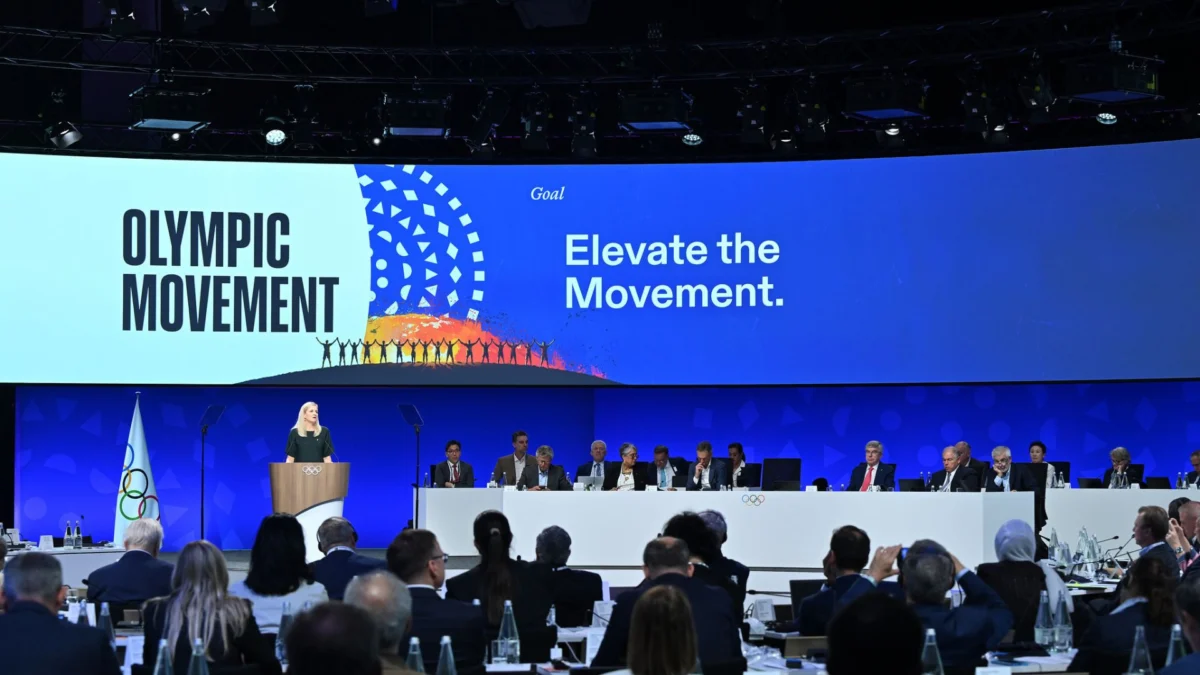
LAUSANNE, Switzerland – The International Olympic Committee (IOC) has set the stage for a transformative era in global sport. On June 24, 2026, the 146th IOC Session convened in Lausanne, Switzerland, serving as the launchpad for "Fit for the Future" (F4F), a sweeping strategic initiative spearheaded by IOC President Kirsty Coventry. As the movement grapples with the dual pressures of technological advancement and shifting societal expectations, this two-day summit marks a definitive attempt to modernize the Olympic brand and its operational framework.
The Core Mandate: What is "Fit for the Future"?
"Fit for the Future" is not merely a slogan; it is the IOC’s comprehensive roadmap for the next decade. Following her election, President Coventry emphasized the need for the Olympic Movement to remain relevant in an era where digital engagement, climate consciousness, and athlete welfare have become the primary pillars of public scrutiny.
The strategy focuses on four primary pillars:
- Athlete-Centric Support: Shifting the financial and logistical focus directly to the competitors.
- Program Modernization: A rigorous review of the Olympic sports program to ensure a balance between heritage disciplines and youth-oriented, urban sports.
- Sustainability and Governance: Enhancing the transparency of the bidding and selection processes.
- Digital Transformation: Leveraging AI and data to increase accessibility to the Olympic Games for global audiences.
Chronology of the 146th IOC Session
The summit, which began on June 24 and concludes on June 25, 2026, has been structured to address both immediate operational needs and long-term philosophical shifts.
- Day 1 (June 24, 2026): The morning session opened with a keynote address by President Kirsty Coventry, detailing the F4F framework. This was followed by plenary discussions on the financial health of the Olympic Solidarity fund and the proposed increase in direct athlete funding.
- Day 1 Afternoon: Working groups convened to discuss the criteria for the 2030 French Alps Winter Games program. Despite high expectations, final decisions on specific event inclusion were deferred, signaling a desire for further data-driven analysis.
- Day 2 (June 25, 2026): Scheduled proceedings include the ratification of governance reforms and a closing session focusing on the role of National Olympic Committees (NOCs) in the implementation of the F4F strategy.
The Finnish Perspective: Advocacy from the Sidelines
While the IOC acts as the supreme authority in the Olympic Movement, the mechanics of its decisions are deeply felt by National Olympic Committees (NOCs) worldwide. The Finnish Olympic Committee, while not a voting member of the IOC, occupies a critical position as a stakeholder in the global sporting ecosystem.
Sari Essayah, representing Finland as an individual IOC member, provides a direct line of communication between the Lausanne headquarters and the Nordic sporting community. Riku Tapio, CEO of the Finnish Olympic Committee, has been vocal about the importance of this relationship.
"National Olympic Committees and the athletes themselves have been consulted throughout the comprehensive F4F process," Tapio stated during an interview following the opening sessions. "The message from Finland has been consistent: we advocate for transparent processes and the active involvement of national bodies. Even without a formal vote, our dialogue with the IOC remains robust and influential."
Supporting Data: Direct Financial Impact
One of the most concrete takeaways from the session is the IOC’s commitment to direct athlete financial support. Through the Olympic Solidarity program, the IOC has confirmed that every athlete competing in the upcoming Games will receive a direct financial stipend of $10,000 USD.
This move is designed to level the playing field, ensuring that athletes from smaller nations or those without extensive corporate sponsorship have the necessary resources to focus solely on their training. For smaller nations like Finland, this is seen as a major victory, reinforcing the principle that the Olympic Movement is, first and foremost, for the athletes.
Implications for the Future of Sport
The "Fit for the Future" initiative carries significant weight for the upcoming 2030 French Alps Winter Games. The debate over the sporting program has become a focal point of the current session.
The Balancing Act
The challenge facing the IOC is how to maintain the prestige of traditional sports—such as figure skating and alpine skiing—while integrating the high-growth, urban sports that appeal to Generation Z.
Riku Tapio addressed this tension during the session, noting, "We are satisfied that the movement is being examined through both open and critical lenses. However, we remain cautious regarding the program for 2030. Our position is that there must be a harmonious balance between traditional and new disciplines. Sport is about heritage as much as it is about innovation, and we must not lose the history that makes the Olympics unique."
Governance and Transparency
Beyond the sports themselves, F4F addresses the internal mechanics of the IOC. Historically, the IOC has faced criticism regarding its opaque bidding and selection processes. The F4F roadmap mandates that future evaluations of host cities and sport programs be subjected to independent audits. By introducing this level of external oversight, the IOC aims to restore public trust in the integrity of the Games.
Expert Analysis: A New Direction?
Political analysts and sports economists observing the session in Lausanne suggest that the F4F initiative is a strategic pivot. With global economic instability and the high cost of hosting mega-events, the IOC is under pressure to prove that the Games provide genuine value to host communities.
"The 2026 session is a pivot point," notes Dr. Elena Rossi, a consultant in international sports policy. "President Coventry is moving the organization toward a ‘leaner, faster’ model. By focusing on direct athlete grants and modular sport programs, they are trying to strip away the bureaucracy that has plagued the movement for decades."
The Path Forward: What to Expect
As the session concludes on June 25, the focus will shift from high-level strategy to implementation. The IOC member body has approved the framework, but the hard work of operationalizing these changes remains.
For countries like Finland, the priority is now to ensure that the "consultation process" mentioned by Riku Tapio remains a permanent fixture of the IOC’s culture, rather than a one-time gesture for the F4F launch. The inclusion of athletes in these high-level discussions is a positive signal, but the true test will be how the 2030 French Alps program is finalized.
Summary of Key Outcomes
- Ratification: The IOC general assembly has officially approved the "Fit for the Future" strategic framework.
- Financials: A landmark $10,000 USD stipend per athlete has been confirmed, supported by the Olympic Solidarity fund.
- Program Development: No final decisions on the 2030 French Alps program, with the IOC signaling a need for a "balanced" approach.
- Engagement: A formal commitment to increased dialogue with National Olympic Committees, despite the absence of formal voting rights for these bodies within the IOC itself.
As the international community watches, the IOC’s ability to navigate these changes will determine not just the success of the 2030 Games, but the viability of the Olympic brand for the remainder of the 21st century. The movement is attempting to reconcile its glorious past with an uncertain future, and under the leadership of Kirsty Coventry, the first steps have been taken in earnest.
For now, the sporting world waits for the next announcement from Lausanne, with the hope that the "Fit for the Future" vision can truly bridge the gap between tradition and the evolving needs of global sport.