Introduction: A New Paradigm for Azerbaijani Tourism
In a landmark move that signals a profound shift in national tourism strategy, a consortium of seasoned industry professionals has officially announced the formation of the Azerbaijan Ecotourism Association (AETA). This initiative, inspired by the recent sustainable development reforms spearheaded by the administration of President Ilham Aliyev, seeks to reposition Azerbaijan as a premier destination for global eco-conscious travelers. By blending the country’s rich biodiversity with modern sustainability frameworks, the AETA aims to cultivate a robust "ecological culture" that transcends mere tourism, influencing environmental stewardship at the grassroots level.
The establishment of the AETA comes at a critical juncture for Azerbaijan. As global tourism trends shift rapidly toward sustainable, community-based, and nature-oriented experiences, the nation is uniquely positioned to leverage its diverse landscape—ranging from the Caspian coast to the rugged Caucasus Mountains—to capture a significant share of the international ecotourism market.
Main Facts: The Pillars of AETA’s Mission
The Azerbaijan Ecotourism Association is not merely a promotional body; it is a structural catalyst for change. The organization’s mandate is defined by several core objectives:
- Policy Advocacy: Collaborating with governmental bodies to integrate ecotourism into the national economic agenda.
- Product Development: Spearheading the creation of authentic, sustainable products, including agritourism, eco-hospitality, organic food trails, and adventure-based outdoor activities.
- Environmental Stewardship: Implementing frameworks for biodiversity conservation, ensuring that tourism activities do not degrade the natural habitats they seek to showcase.
- Capacity Building: Providing professional training for stakeholders in the hospitality sector to transition from traditional models to eco-friendly, energy-efficient operations.
- International Positioning: Acting as a bridge between Azerbaijan’s local tourism providers and global markets, effectively branding the country as a destination of choice for sustainable travel.
The leadership team, spearheaded by Samir Dubendi—a prominent figure in the hospitality sector and Chairman of the Executive Board of the DAIR Hotels and Restaurants Association—brings a wealth of technical expertise to the table. Alongside founders Zurab Israfilov, Rufat Gojayev, and Vugar Dargahov, the association possesses a unique blend of academic rigor and practical industry acumen.
Chronology: The Road to Inception
The birth of AETA was not a spontaneous event but the result of a deliberate, multi-year process of consultation and strategic planning.
Phase I: The Consultation Period (Pre-2020)
Before formalizing the association, the founding members engaged in a comprehensive dialogue with a diverse array of stakeholders. Recognizing that true sustainability requires cross-sector collaboration, the founders consulted with international heavyweights, including The International Ecotourism Society (TIES) and the World Wide Fund for Nature (WWF). Simultaneously, they aligned their vision with local entities such as the Azerbaijan Nature Protection Society, the State Tourism Agency, and the Ministry of Ecology and Natural Resources.
Phase II: The Formation (Late 2019 – Early 2020)
By early 2020, the foundational structure of the AETA was finalized. The founders recognized that for the association to be effective, it needed to be "up and running" with a clear, aggressive roadmap. Samir Dubendi underscored this urgency, noting that the team was operating with a high degree of intensity to ensure that the association’s infrastructure was fully operational within a single month of the formal announcement.
Phase III: The Strategic Integration
Following the formal launch, the AETA shifted its focus toward institutionalizing its partnerships. The goal was to ensure that the association remained in "permanent touch" with global bodies like TIES, allowing for the rapid adoption of international best practices while tailoring them to the specific socio-economic context of Azerbaijan.
Supporting Data: Why Ecotourism is the Future of Azerbaijan
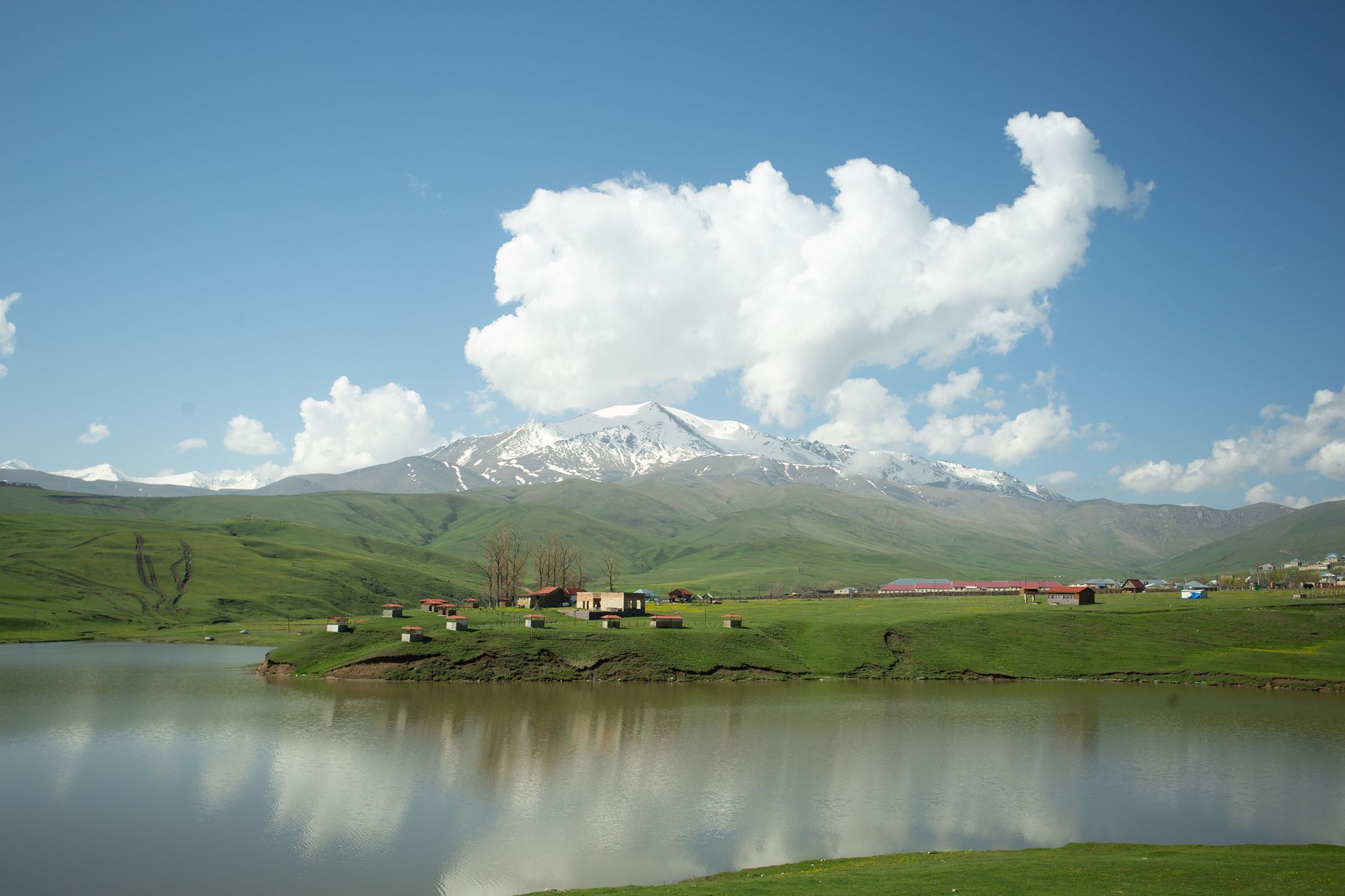
Azerbaijan possesses a rare combination of geographic diversity and cultural heritage that makes it an ideal laboratory for ecotourism. According to industry analysis, the shift toward "green" tourism is no longer a niche preference; it is a global demand.
Biodiversity as a Value Driver
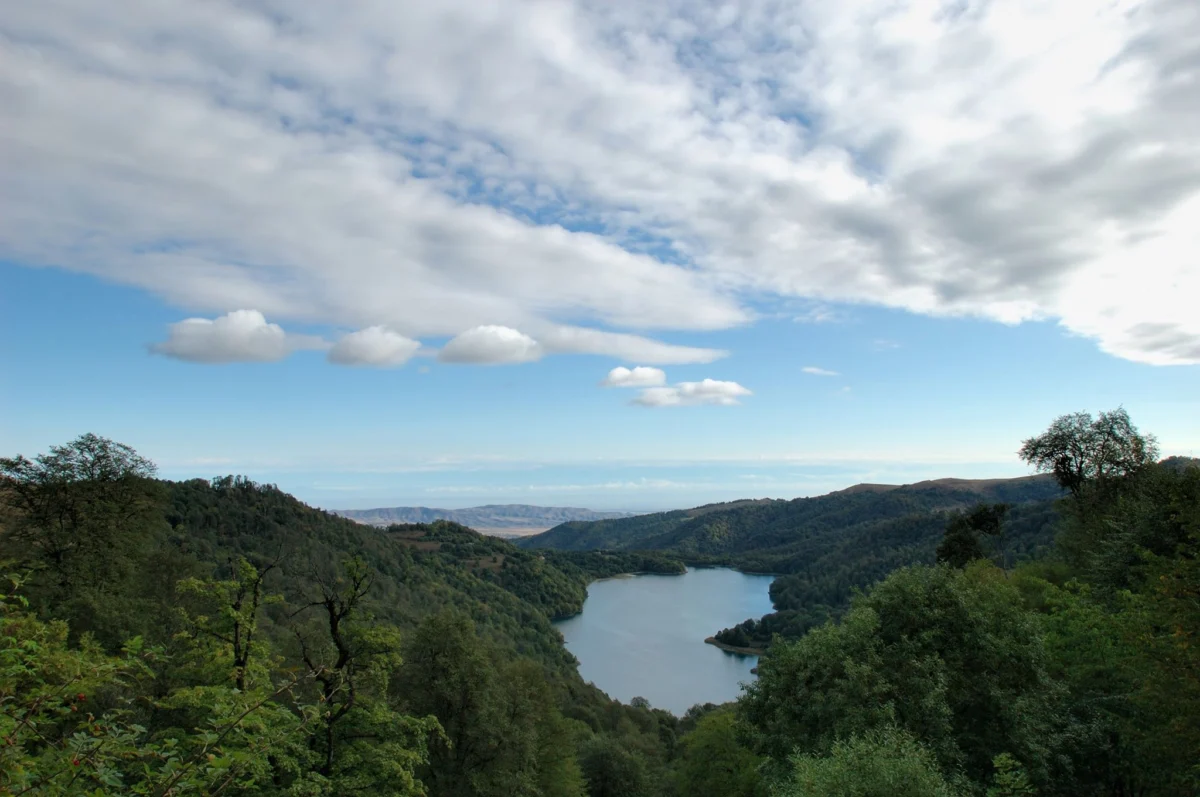
The Caspian region and the Caucasus foothills host a unique array of endemic flora and fauna. By implementing sustainable tourism practices, the AETA aims to transform these ecological assets into revenue streams for local communities, providing a financial incentive for conservation.
The Economic Multiplier
Ecotourism is inherently more inclusive than traditional mass tourism. Through agritourism and rural tourism, economic benefits are distributed directly to small-scale farmers, local artisans, and rural guesthouses. Data from the World Tourism Organization suggests that for every dollar spent on community-based tourism, a significantly higher percentage remains in the local economy compared to large-scale hotel chains, which often suffer from "leakage" where profits leave the host country.
Youth Engagement
A core tenet of the AETA’s strategy is the mobilization of the younger generation. The association views young professionals and students—such as those at the Azerbaijan Tourism and Management University (ATMU)—not just as the future workforce, but as current agents of change. By fostering a culture of sustainability, the AETA hopes to inspire a new generation of entrepreneurs who prioritize ethical business models.
Official Responses and Collaborative Spirit
The launch of AETA has been met with enthusiasm from both the domestic government and international organizations.
The Perspective of International Ecotourism Society (TIES)
The International Ecotourism Society (TIES), which has been a primary consultant during the formation phase, issued a formal statement of support, congratulating the founders on the "important undertaking." TIES emphasized the importance of global knowledge sharing, noting that the AETA’s commitment to adopting international experience is the most effective way to ensure rapid growth and adherence to global standards.
The Leadership Vision
Samir Dubendi, speaking on behalf of the founding board, emphasized that the association is not working in isolation. "My colleagues and I hope to be in permanent touch with TIES, to adopt and share your indispensable experience," he remarked. This sentiment reflects the humility and foresight of the AETA leadership, who recognize that while they have the local knowledge, the global network of ecotourism practitioners provides the essential tools for success.
Implications: The Long-Term Impact on the Nation
The formation of the AETA carries profound implications for the future of Azerbaijan’s tourism sector.
1. Elevating the Brand Image
By successfully implementing eco-certification programs for hotels and tour operators, Azerbaijan will begin to attract a more discerning, high-value segment of the international travel market. These tourists generally stay longer, respect local customs, and contribute more effectively to the preservation of natural sites.
2. Strengthening Environmental Protection
When a country promotes itself as an "ecotourism destination," it creates a self-reinforcing loop of protection. The tourism industry itself becomes the strongest lobbyist for the preservation of national parks and natural landscapes. If a forest or a river becomes a primary economic asset through sustainable tourism, the government and the private sector are incentivized to protect it from industrial encroachment.
3. Fostering a "Green" Mindset
The ripple effects of AETA’s work will extend beyond the tourism sector. By promoting healthy, ecological food and outdoor lifestyles, the association is likely to influence national health trends and waste management practices. As the public becomes more involved in the "eco-culture" movement, it will create a stronger societal demand for sustainable living standards across the board.
4. A Model for the Caucasus
As a leading economy in the region, Azerbaijan’s success with the AETA could serve as a template for its neighbors. By demonstrating that economic growth and environmental stewardship are not mutually exclusive, the association provides a blueprint for regional development that prioritizes the health of the planet alongside the health of the national economy.
Conclusion: A Call to Action
The Azerbaijan Ecotourism Association stands at the threshold of a new era. With the blessing of national authorities and the technical backing of international experts, the founders of AETA have laid the groundwork for a transition that is as ambitious as it is necessary.
As the association moves forward, its success will depend on the continued collaboration of the public, the private sector, and the global ecotourism community. The invitation issued by the founders to the public—to support and participate in the movement toward a more sustainable future—is a challenge to all citizens to take ownership of their natural heritage. In the coming months, as the AETA shifts from the formation phase to full-scale operations, the eyes of the global travel community will be on Azerbaijan, watching as it turns its landscape into a global beacon of sustainability.
For those who value the intersection of conservation and commerce, the inception of the AETA is more than just a headline; it is the beginning of a greener, more resilient, and more prosperous chapter for the nation.