Across the vast, rugged landscapes of the American West, a quiet consensus has been building for over a decade. While political polarization often dominates the national discourse, voters from the high deserts of New Mexico to the glacial headwaters of Montana share a remarkably consistent set of priorities: the preservation of clean water, the integrity of public lands, and the protection of the wildlife that calls these corridors home.
Recent data, synthesized from fifteen years of regional polling—including the prestigious Colorado College Conservation in the West poll and the University of Montana’s biannual Public Lands Survey—reveals that these environmental values are not merely peripheral concerns. They are central pillars of Western identity, bridging the divide between urban centers and rural heartlands, and between voters on opposite sides of the political aisle.
At the heart of this regional priority is the Wild and Scenic Rivers Act. Since its inception in 1968, the Act has served as the gold standard for river conservation, designed specifically to safeguard the very "outstandingly remarkable values" that Westerners identify as essential to their quality of life.
The Mandate: A Chronology of Consensus
The story of the West’s shift toward aggressive river conservation is best understood as a long-term trend rather than a recent reaction.
2009–2015: Establishing the Baseline
During this period, early iterations of the Conservation in the West poll began to track a distinct shift. Voters were no longer viewing environmental protection as a trade-off for economic prosperity; instead, they began to frame clean water and accessible public lands as the foundational infrastructure of the Western economy.
2018–2021: The Turning Point
As development pressures mounted, polling data from groups like the Center for Western Priorities showed a hardening of resolve. In 2020, for example, a statewide poll in New Mexico found that more than 75% of voters supported Wild and Scenic designations for the Gila and San Francisco Rivers. This period marked a transition from abstract support for "nature" to specific, geographically targeted support for federal protections.
2024–2026: The Present Reality
The most recent data, specifically the 2026 Conservation in the West poll covering eight states—Nevada, Idaho, Montana, Wyoming, Utah, New Mexico, Colorado, and Arizona—paints a striking picture. An overwhelming 85% of voters now state that issues involving public lands, waters, and wildlife are critical factors in their decision-making process when evaluating elected officials.
Supporting Data: The Anatomy of the Western Voter
The most compelling aspect of this data is its cross-partisan appeal. The 2026 polling data reveals that 8 out of 10 Republican voters and more than 9 out of 10 Democratic voters view these conservation issues as deeply important.
This bipartisan "through-line" suggests that the term "Wild and Scenic" is no longer viewed as a partisan label, but as a functional tool that addresses real-world anxieties. When voters in Eastern Idaho—a region where two-thirds of the electorate identifies as Republican—were surveyed in May 2025, their priorities were clear. They viewed the protection of the Snake River headwaters not as a political statement, but as a practical necessity.
The primary reasons cited by these voters were:
- Fish and Wildlife Habitat: Protecting the biological engine of the region.
- Economic Benefits: Recognizing that tourism, outdoor recreation, and agriculture rely on healthy, free-flowing rivers.
- Clean Drinking Water: Securing the most basic public health resource.
Conversely, when asked what they feared most, these voters identified two primary threats: unchecked water pollution and rapid, poorly planned development along riverbanks. These are precisely the scenarios that the Wild and Scenic Rivers Act is engineered to mitigate.
Understanding the "Wild and Scenic" Mechanism
To understand why this support is so enduring, one must understand what the Act actually does. It is not an instrument of exclusion; it is a framework for stewardship.
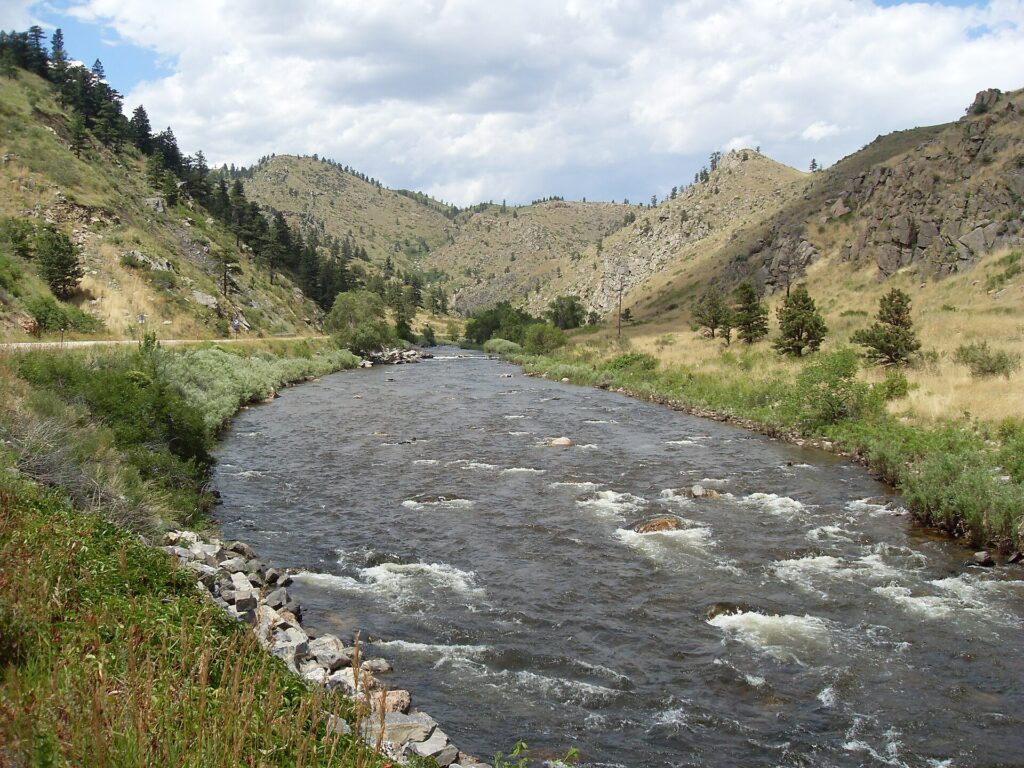
When Congress designates a river as "Wild and Scenic," it essentially places a protective buffer around its most vital characteristics. The Act mandates that the river’s free-flowing character be maintained and that its water quality be preserved to a high standard. It protects "outstandingly remarkable values," a legal designation that encompasses fish and wildlife, geologic history, cultural heritage, and recreational utility.
By focusing on these values, the Act ensures that a river remains a functional asset for future generations. It provides a mechanism for local communities to maintain their way of life, ensuring that the rivers they rely on for irrigation, drinking water, and tourism are not compromised by upstream industrial degradation or residential over-encroachment.
Official Responses and Legislative Implications
The weight of this polling data is now bearing down on the halls of Congress. Legislators representing Western districts are increasingly finding that a platform of conservation is not a liability, but an asset.
Currently, several high-profile bills are moving through the legislative process, including:
- The Greater Yellowstone Recreation Enhancement and Tourism Act: Aimed at managing the high volume of interest in the Greater Yellowstone ecosystem while preserving its ecological integrity.
- The M.H. Dutch Salmon Greater Gila Wild and Scenic River Act: A landmark proposal in New Mexico that enjoys broad local support, even in counties immediately adjacent to the river segments in question.
These are not "fringe" environmental bills; they are reflections of a groundswell of local desire for certainty and stability in the face of a changing climate and an expanding Western population. The message to lawmakers is clear: the opportunity to secure these protections exists now. The constituency—regardless of party—is ready for the finish line.
Implications: A New Era of Conservation
What does this mean for the future of the American West?
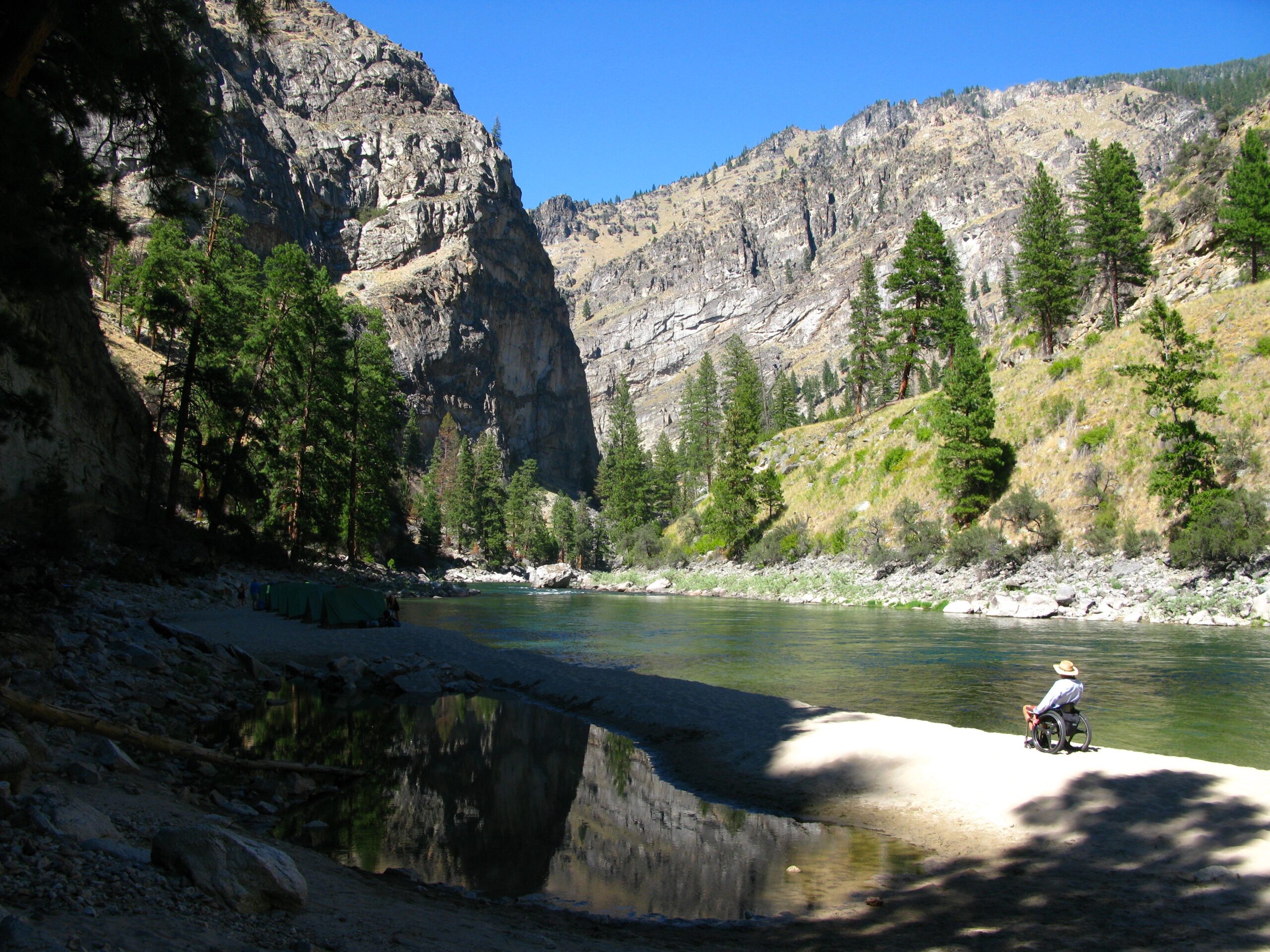
First, it suggests that the "environmentalism" of the 21st century is fundamentally different from that of the 20th. It is less about preservation for the sake of isolation and more about stewardship for the sake of community resilience. When a community supports a Wild and Scenic designation for a local river, they are voting for the protection of their own future.
Second, the data challenges the myth of the "Western land war." While there will always be legitimate debates over specific river management plans or the nuances of designation language, the foundational agreement is stronger than at any point in the last half-century. The regional consensus is that rivers are the lifeblood of the West, and their degradation is a direct threat to the regional economy and quality of life.
Finally, for policymakers, the implications are a clarion call. The "through-line" of the data is that voters are sophisticated; they understand the link between the health of their local river and the health of their community. They are looking for leaders who can translate that understanding into legislative action.
Conclusion: The Path Forward
The Wild and Scenic Rivers Act remains one of the most successful conservation tools in American history. However, its true power lies not in the text of the law, but in the people who demand its application.
As the West continues to face the dual pressures of a warming climate and unprecedented population growth, the stability offered by Wild and Scenic designations will become increasingly vital. The evidence provided by over a decade of consistent polling shows that the American West is not divided on this issue. From the banks of the Cache la Poudre in Colorado to the Middle Fork of the Salmon in Idaho, the message is uniform: Protect the water, sustain the wildlife, and secure the land.
The values of the Wild and Scenic Rivers System are the values of the West itself. The question remains whether the legislative process can continue to match the pace and the passion of the voters who sustain it. As Congress moves toward the conclusion of the current session, the mandate from the voters is not just a suggestion—it is a directive. The protection of these rivers is not merely an environmental policy; it is the preservation of the Western way of life.