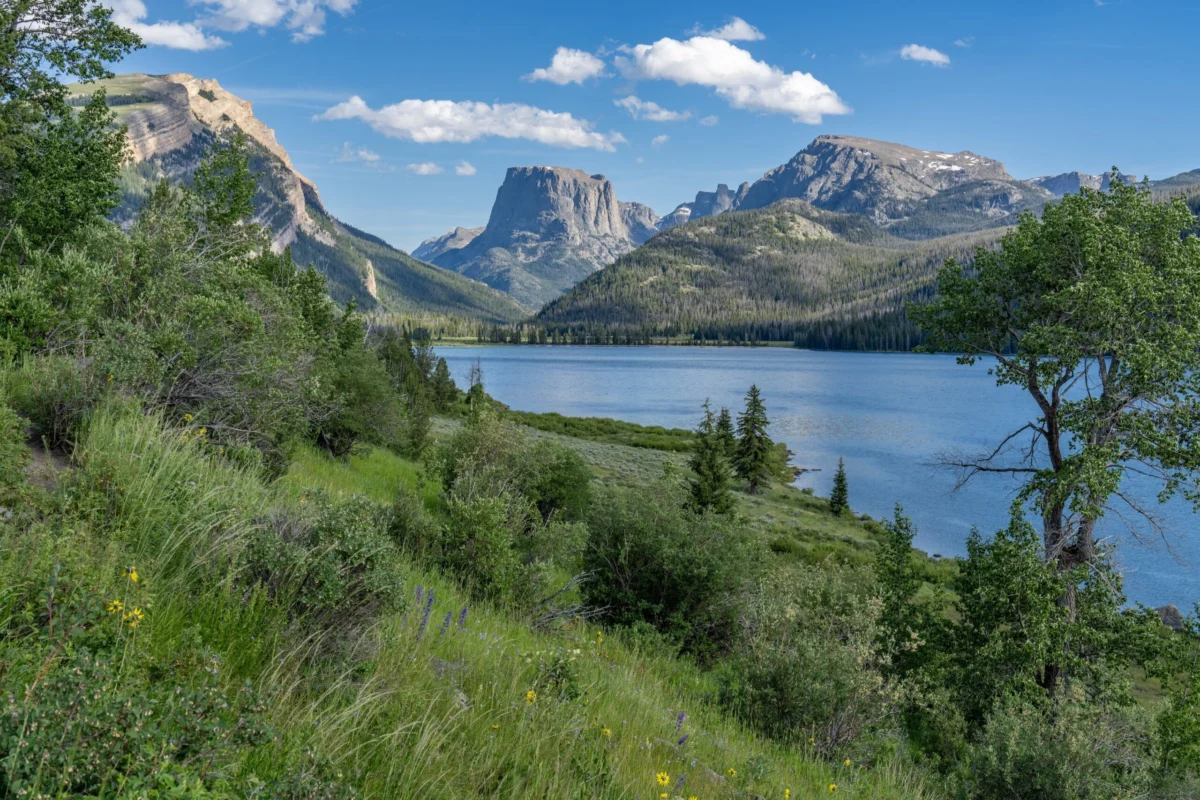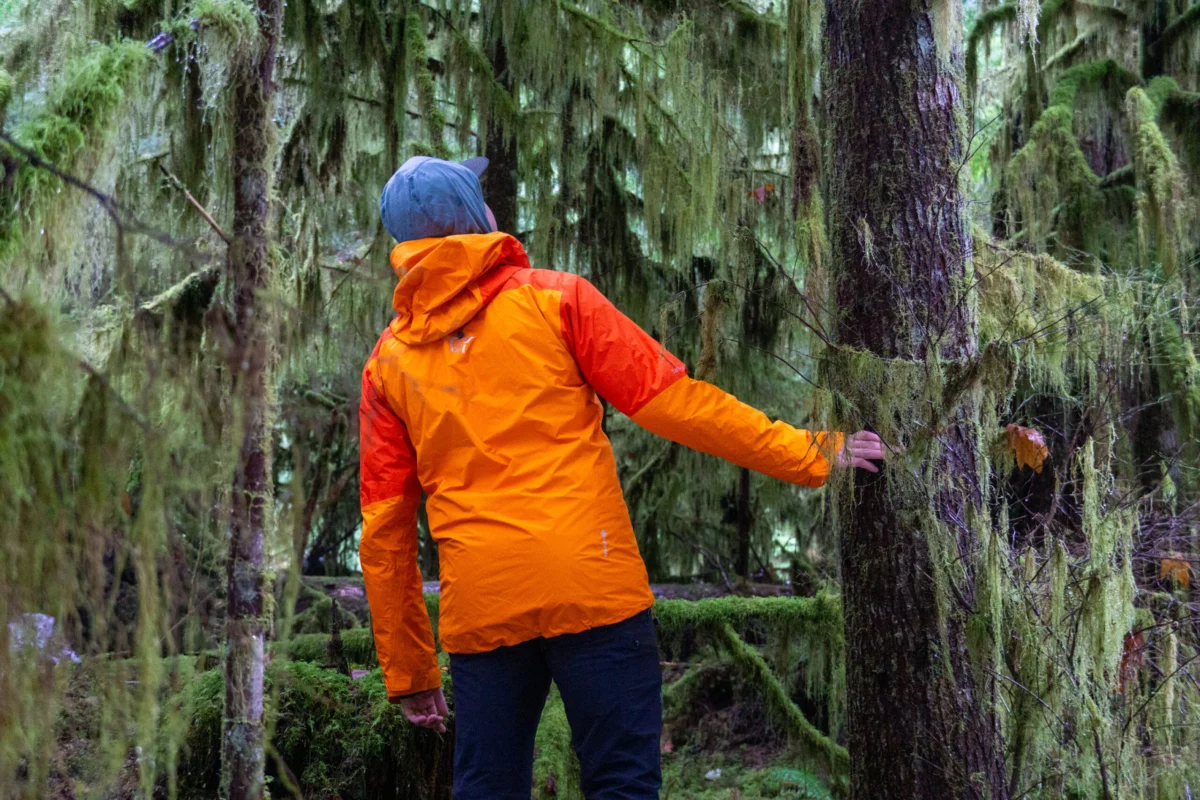
In the world of outdoor gear, there is perhaps no proving ground more unforgiving than the Pacific Northwest. Between the dense, dripping rainforests of the Oregon coast and the unpredictable, volatile weather systems of the American heartland, the Pacific Northwest serves as the ultimate litmus test for technical apparel. It was against this backdrop of 96 miles of coastal trekking and high-stakes storm chasing that I put the Mountain Hardwear Cloud Cipher—the brand’s newest flagship shell—to the test.
Retailing at $310, the Cloud Cipher is positioned as a high-end, three-layer (3L) technical piece. It promises the holy trinity of outdoor protection: complete waterproofing, breathable comfort, and long-term durability. After months of rigorous testing, the verdict is in: while the jacket may have its quirks, it stands as a formidable barrier against the elements.
Main Facts: The Anatomy of the Cloud Cipher
The Cloud Cipher is built on Mountain Hardwear’s proprietary "DrySpell" technology. This isn’t just a marketing moniker; the fabric undergoes an intensive vetting process, including 20 distinct laboratory tests and a series of wash cycles to ensure the waterproof membrane maintains its integrity over time.
Constructed from a 20D Micro Rip 3L nylon, the jacket feels surprisingly supple. Unlike many stiff, "crinkly" hardshells that can feel like wearing a plastic bag, the Cloud Cipher features a soft interior lining. It is comfortable enough to be worn over a simple T-shirt without the irritation often associated with performance rain gear. Furthermore, the jacket is completely PFAS-free, a crucial consideration for modern consumers increasingly concerned about the long-term environmental and health impacts of "forever chemicals."
Key Technical Specifications:

- Fabric: 3L 20D Micro Rip Nylon (DrySpell membrane)
- Weight: 11.9 oz (Men’s Medium)
- Construction: Fully taped seams
- Sustainability: PFAS-free
- Price: $310 MSRP
Chronology of the Field Test
My evaluation of the Cloud Cipher followed a two-phase trajectory designed to push the garment to its breaking point.
Phase One: The Oregon Coastal Expedition
The primary testing ground was a week-long, 96-mile backpacking trip through the Oregon coast. The first few days offered a deceptive sense of security, with mild, sunny mid-60s weather. However, the Pacific Northwest is notorious for its rapid meteorological shifts. By the final two days, the trail was battered by a relentless deluge.
During this period, the Cloud Cipher was my constant companion. Whether navigating dense brush—often little more than overgrown, thorny pathways—or setting up camp in torrential rain, the jacket remained unbreached. In one instance, I even utilized the jacket as a makeshift waterproof wrap for my gear during a flooding incident, effectively protecting my pack contents when my tent failed to hold up.
Phase Two: High-Stakes Storms in the Midwest
To see if the performance held outside of the humid coastal climate, I transitioned the jacket to a rainy spring in the Midwest. This culminated in a dramatic encounter in Arkansas, where a standard rainy evening escalated into a tornado watch. The frantic evacuation of my campsite proved the jacket’s worth; while my other gear was soaked to the bone during the scramble to safety, the Cloud Cipher ensured that I stayed dry, allowing me to focus on the immediate safety of my party.
Supporting Data: Design, Fit, and Performance
The Cloud Cipher is a study in purposeful, if occasionally imperfect, design.

The Pocket Paradox
The jacket features two large, harness-compatible hip pockets. Their capacity is impressive; a single pocket can easily swallow a smartphone, a wallet, and keys. However, there is a clear oversight: the lack of a zippered chest pocket. When carrying a multi-day backpacking pack, the waist belt invariably covers the hip pockets, rendering them inaccessible on the trail. For a piece of gear designed for serious backcountry use, a chest pocket is a standard expectation that feels missing here.
Fit and Mobility
The jacket boasts a "relaxed" fit, which is a welcome departure from the restrictive tailoring often found in women’s specific outdoor apparel. It does not aggressively nip in at the waist, providing a full range of motion—crucial for scrambling over logs or reaching for trekking poles. I tested a size Large to accommodate layering, and found that I could comfortably fit a fleece and a beanie underneath without feeling compressed.
The Sleeve Situation
One of the most baffling design choices is the lack of adjustable sleeve cuffs. Most premium rain shells feature Velcro tabs or elastic-drawstring combos to create a tight seal against wind and rain. The Cloud Cipher relies on a simple, integrated elastic cuff that offers minimal adjustability. While it keeps the sleeves in place, it fails to provide the customizable protection needed in extreme, wind-driven rain.
Official Manufacturer Stances and Sustainability
Mountain Hardwear’s push for the "DrySpell" label highlights a shift toward transparency in performance testing. By emphasizing that their gear is subjected to 20+ wash cycles before hitting the market, the company is attempting to address the "de-wetting" issue common in lesser rain jackets, where the DWR (Durable Water Repellent) coating fails after minimal use.
Their commitment to a PFAS-free construction is also a major selling point. As the outdoor industry faces intense scrutiny regarding the use of polyfluoroalkyl substances, Mountain Hardwear’s pivot to safer alternatives aligns with the growing consumer demand for "clean" manufacturing processes.

Implications: The Breathability Trade-Off
If there is an Achilles’ heel to the Cloud Cipher, it is breathability. This is the classic struggle of waterproof-breathable technology: the more impenetrable the membrane, the harder it is for sweat vapor to escape.
During high-exertion activities—such as hiking steep inclines or running in 45-degree weather—I found myself quickly overheating. While the generous underarm pit zips are effective and easily accessed, they cannot fully compensate for the membrane’s thermal retention. The Cloud Cipher is, at its core, a protective shell for cold-to-moderate, wet conditions. It is not an active-wear jacket for high-output pursuits in temperatures exceeding 65 degrees.
Conclusion: Who Is This Jacket For?
The Mountain Hardwear Cloud Cipher sits in a competitive price bracket. At $310, it is more expensive than the $260 Outdoor Research Aspire II or the $290 Patagonia Granite Crest, yet it remains significantly more affordable than the ultra-premium offerings from Arc’teryx.
Pros:
- Exceptional waterproofing that survives real-world "flood" conditions.
- Highly durable material that resists abrasion from brush and thorns.
- Lightweight (11.9 oz) and highly packable.
- Environmentally conscious PFAS-free construction.
Cons:

- Breathability is limited during high-exertion.
- Lack of a chest pocket makes gear access difficult while wearing a pack.
- No adjustable sleeve cuffs.
- Limited size range (XS-XL).
For the backpacker looking to shed weight without sacrificing the security of a 3L shell, the Cloud Cipher is an excellent choice. It is a reliable, "no-nonsense" piece of equipment that excels at its primary mission: keeping the rain out. If you have a trusted, albeit aging, rain shell in your closet, you might not find enough innovation here to justify the $310 price tag immediately. However, if you are looking to invest in a durable, high-performance upgrade that can survive the wettest, most punishing conditions, the Cloud Cipher is a top-tier contender. It is, ultimately, a jacket for those who prioritize survival and weather protection above all else.