Main Facts: A Continent Parched
Europe is currently gripped by a brutal and expanding meteorological phenomenon: a persistent, high-pressure "Heat Dome" that has locked a mass of scorching air over the southwestern portion of the continent. As we progress through July 2026, this system—characterized by stagnant, sinking air—is effectively sealing off the region from cooling Atlantic maritime influences.
The impacts are profound and widespread. From the Iberian Peninsula through France and creeping into the heart of Central Europe, temperatures are consistently trending 10 to 15°C above historical averages. In core regions, particularly in Spain, Portugal, and Southern France, the mercury is not merely flirting with the 40°C threshold; it is regularly exceeding it. This event follows a catastrophic June that shattered long-standing thermal records across multiple weather stations, leaving the soil moisture at critical deficits and the landscape primed for a wildfire crisis of unprecedented scale.

The Anatomy of a Heat Dome
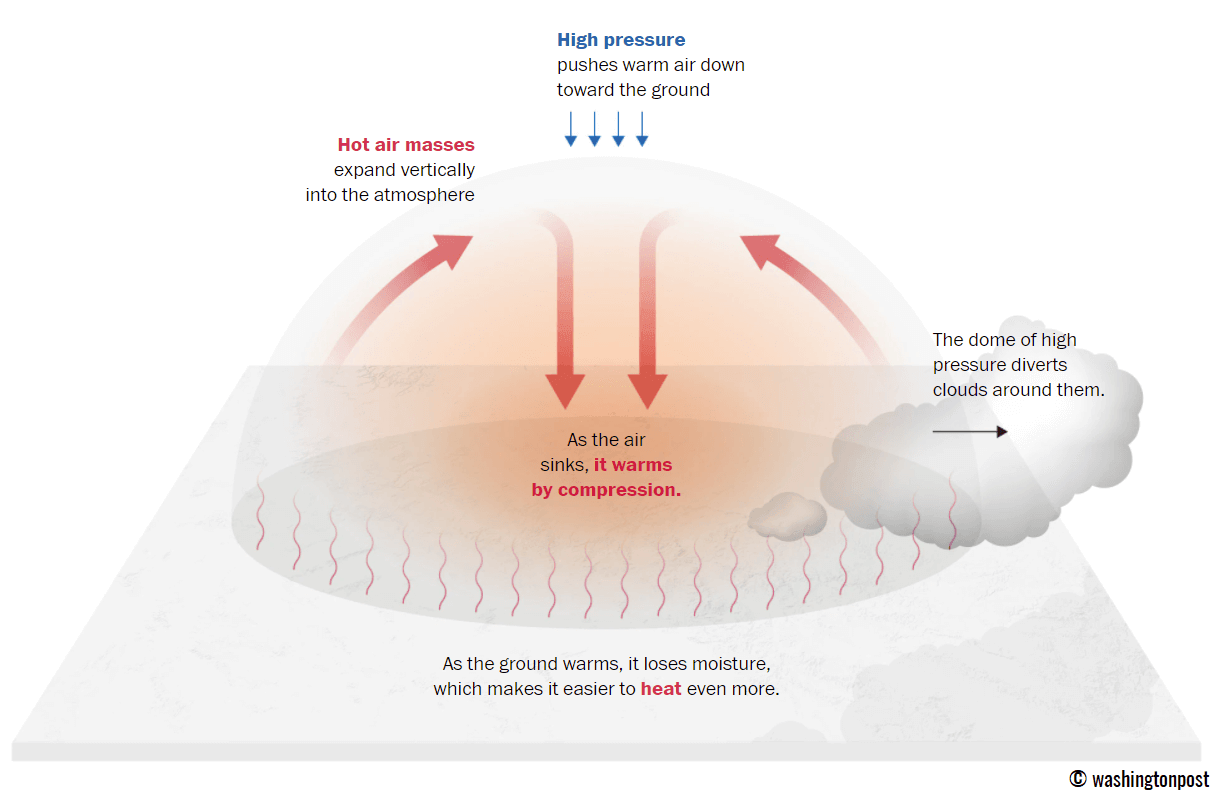
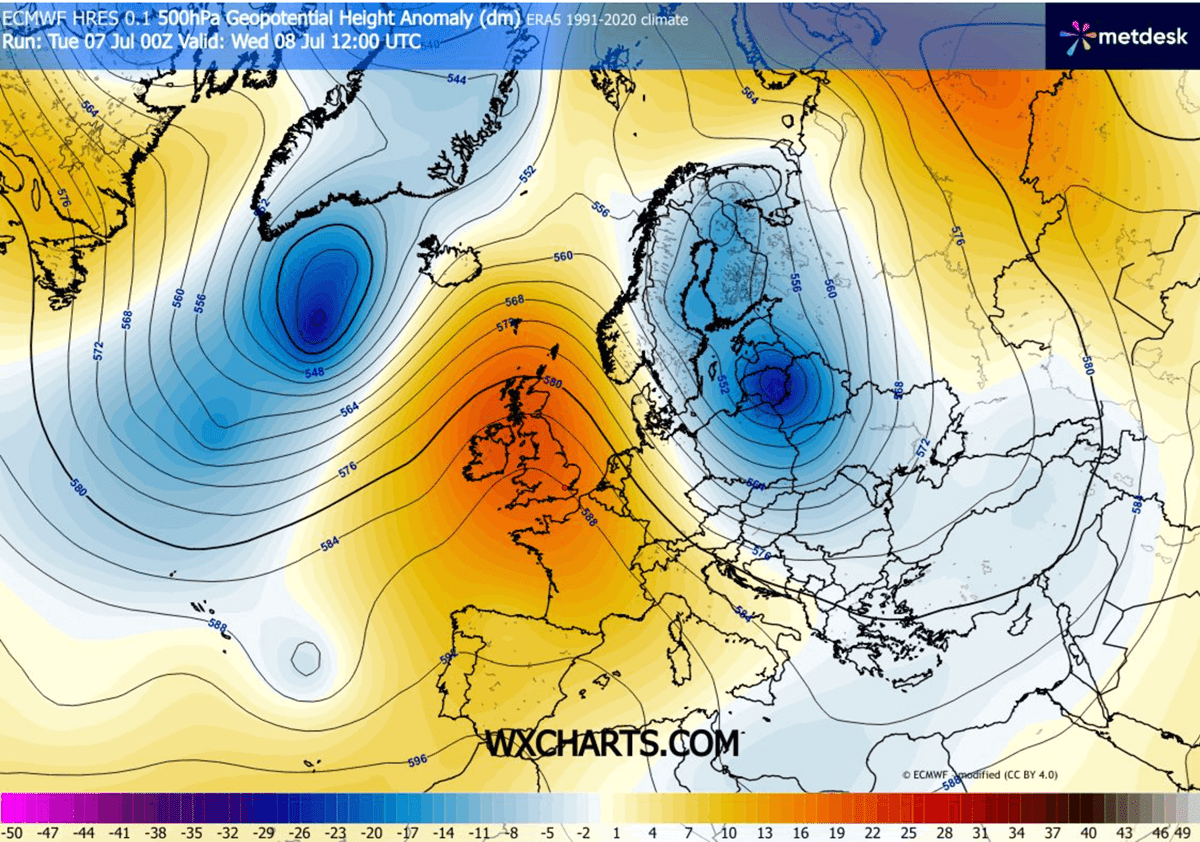
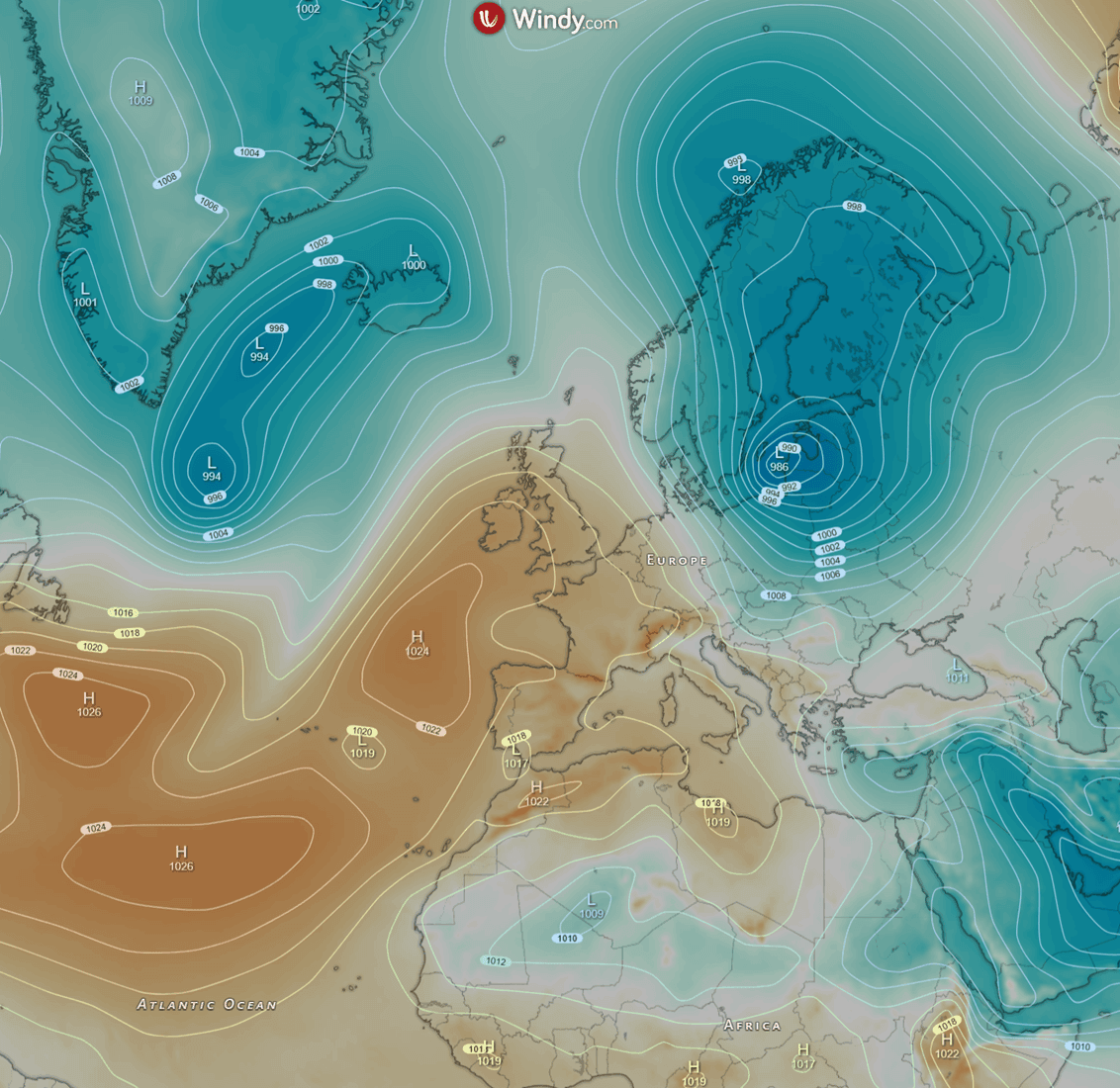
To understand why this heatwave is proving so resilient, one must look at the mechanics of a "Heat Dome." Meteorologically, this occurs when a powerful upper-level ridge—a high-pressure system—establishes a blocking pattern in the atmosphere.
Imagine a lid placed firmly over a boiling pot. The high-pressure system forces air to sink toward the surface. As this air descends, it undergoes adiabatic compression, a process that naturally increases the temperature of the air mass. Because the system is stationary, it traps heat at the surface, preventing the normal convective cooling cycles that would typically provide relief during summer evenings.
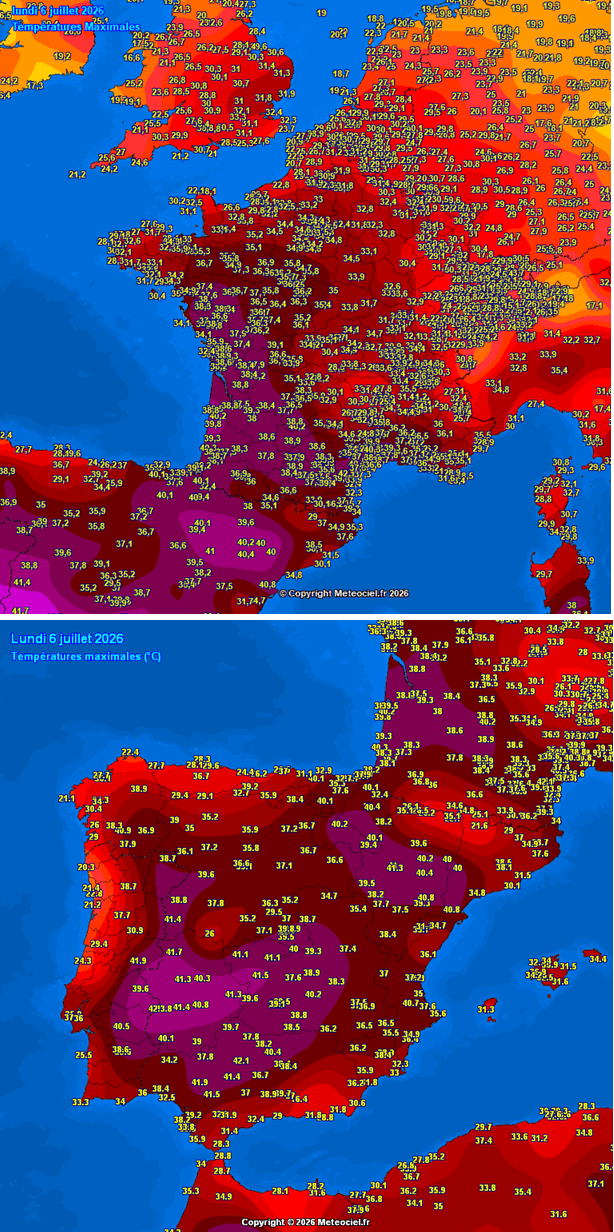
This leads to the dreaded "tropical night" phenomenon, where urban centers like Madrid, Paris, and Lisbon fail to see temperatures drop below 25°C or even 30°C, preventing the human body from recovering from daytime thermal stress. This constant, unremitting heat is the defining characteristic of the 2026 July event.
Chronology of the Crisis
The current atmospheric stability is the result of a warm plume originating in Northwest Africa, which has been steadily pumped northward into the European landmass.
- Late May to Early June: The season began with anomalous heat that obliterated monthly records, setting a dangerous baseline for soil moisture depletion.
- Late June: A record-breaking heatwave struck, leaving the ground parched and vegetation highly flammable.
- Early July (Current): The "Heat Dome" structural reinforcement began. Southwestern Europe became the primary focus, with temperatures soaring past 40°C.
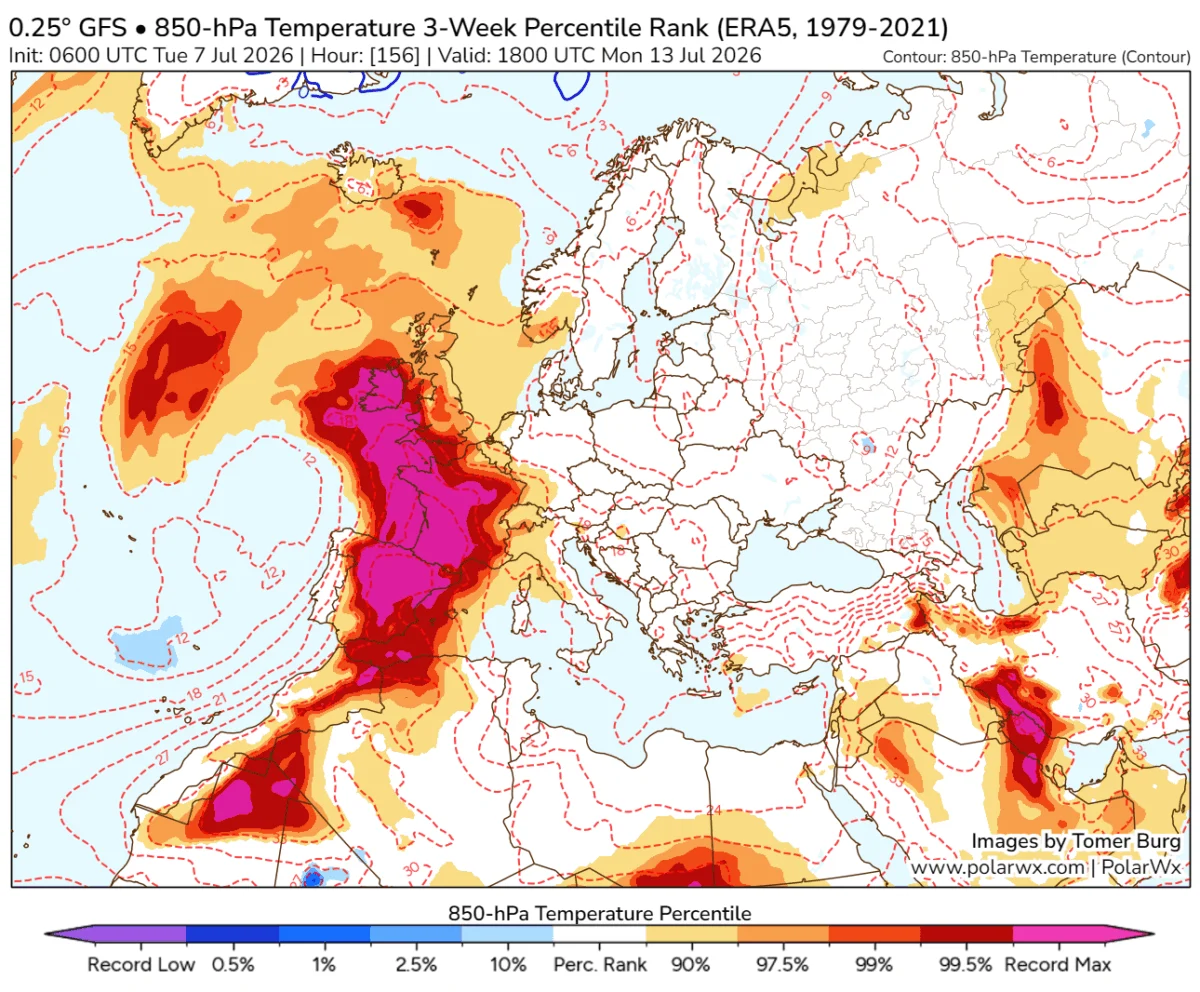
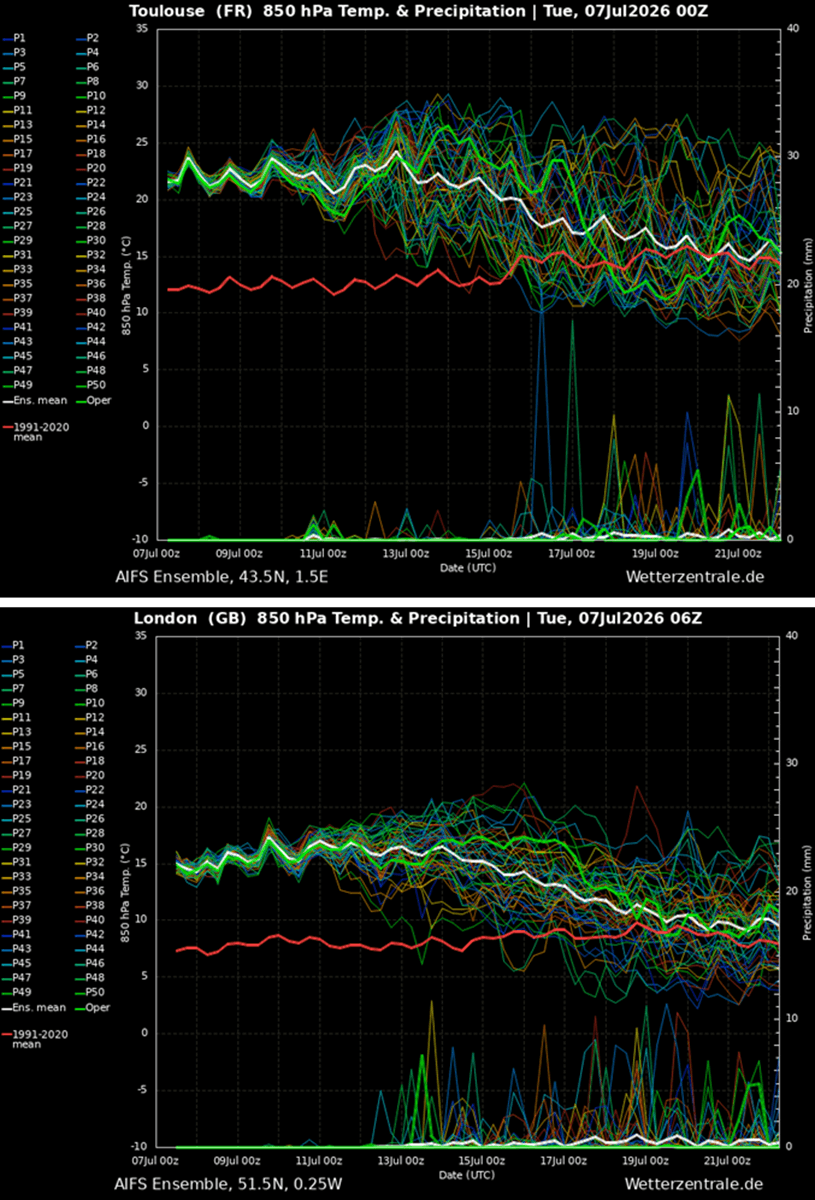
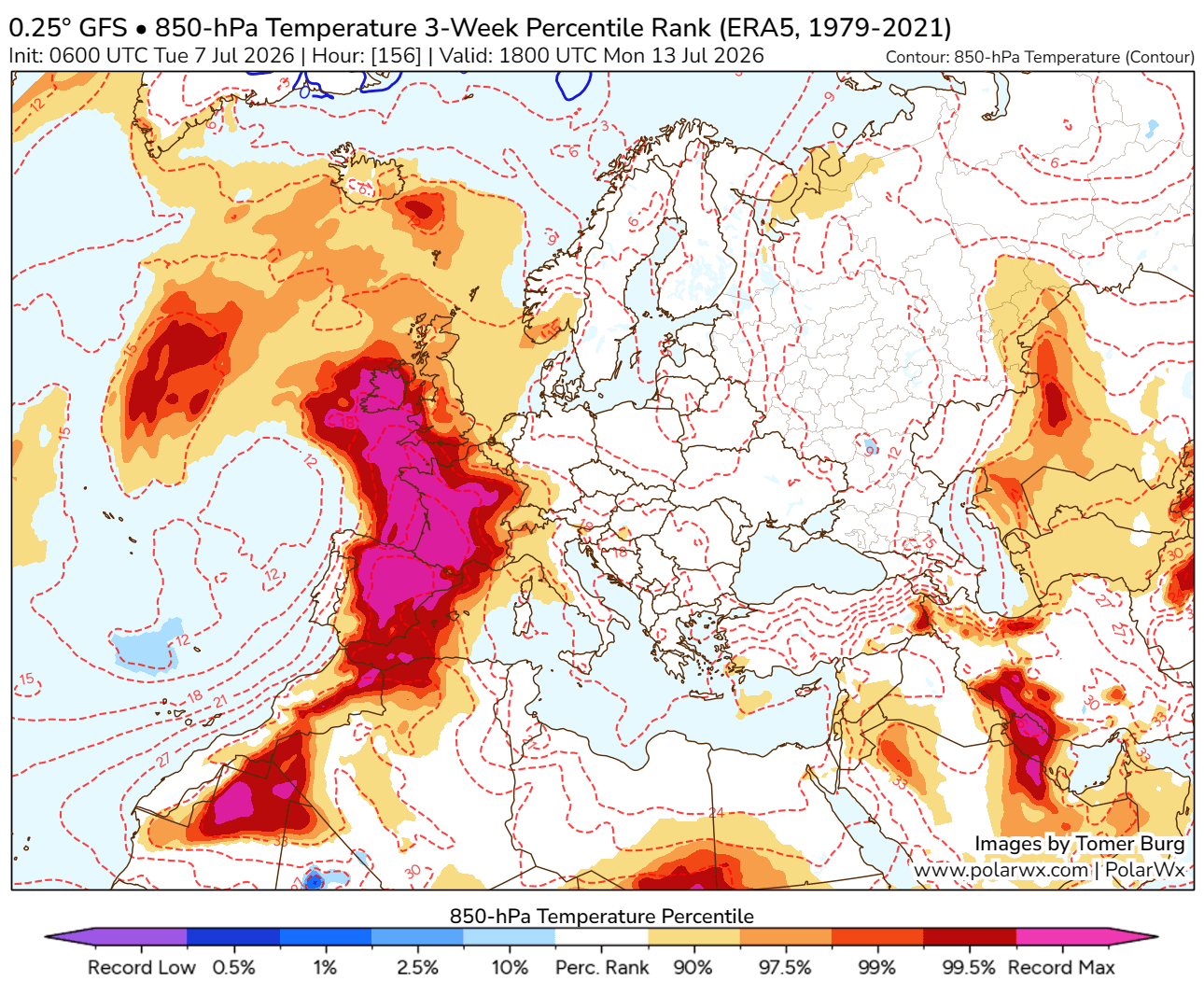
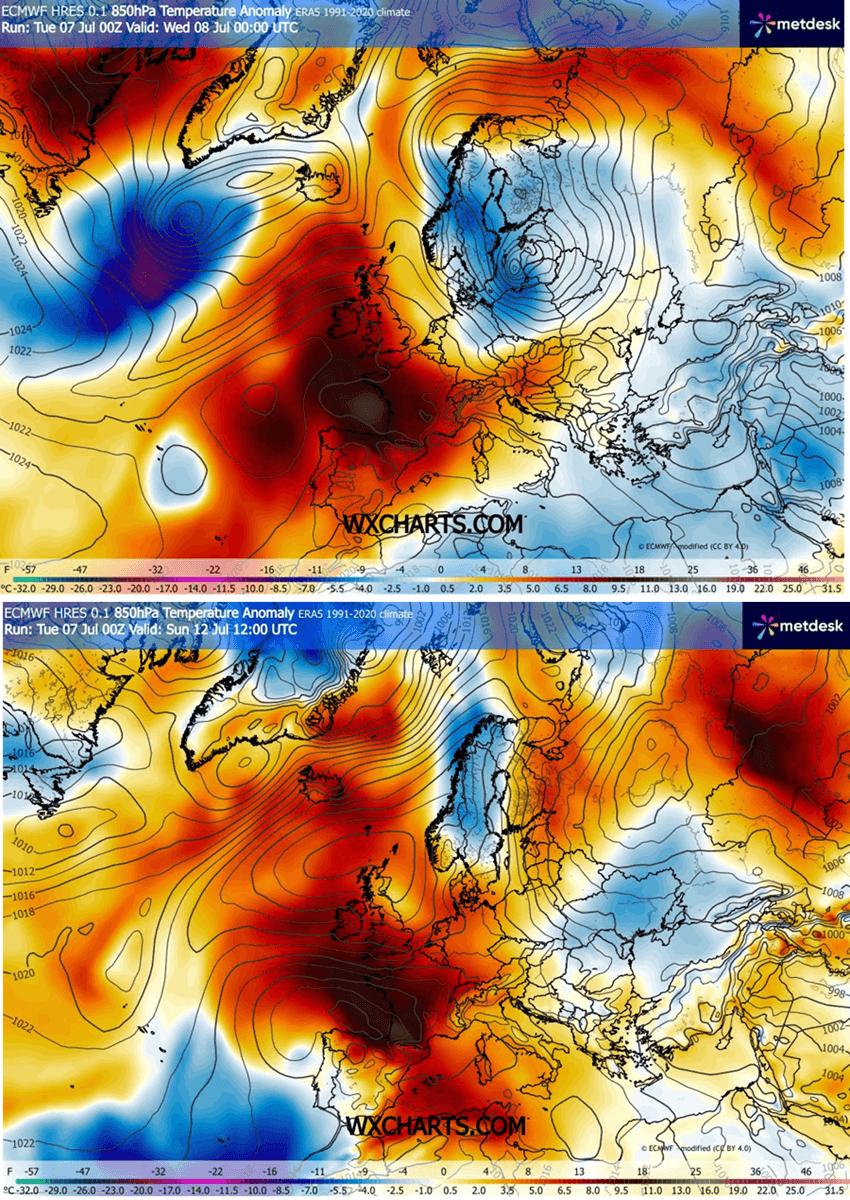
- Mid-July Outlook: The ridge is expected to expand its reach. While the initial intensity was concentrated in the southwest, the model guidance (ECMWF and GFS) indicates a shift of this extreme air mass toward Central Europe, Italy, and the Balkan Peninsula.
As of the current window, the heat is spreading into the British Isles, with southern England and Wales seeing temperatures climb into the mid-30s. Germany and the Benelux countries are bracing for a secondary escalation as the dome shifts its center of gravity.
Supporting Data: Anomaly Metrics
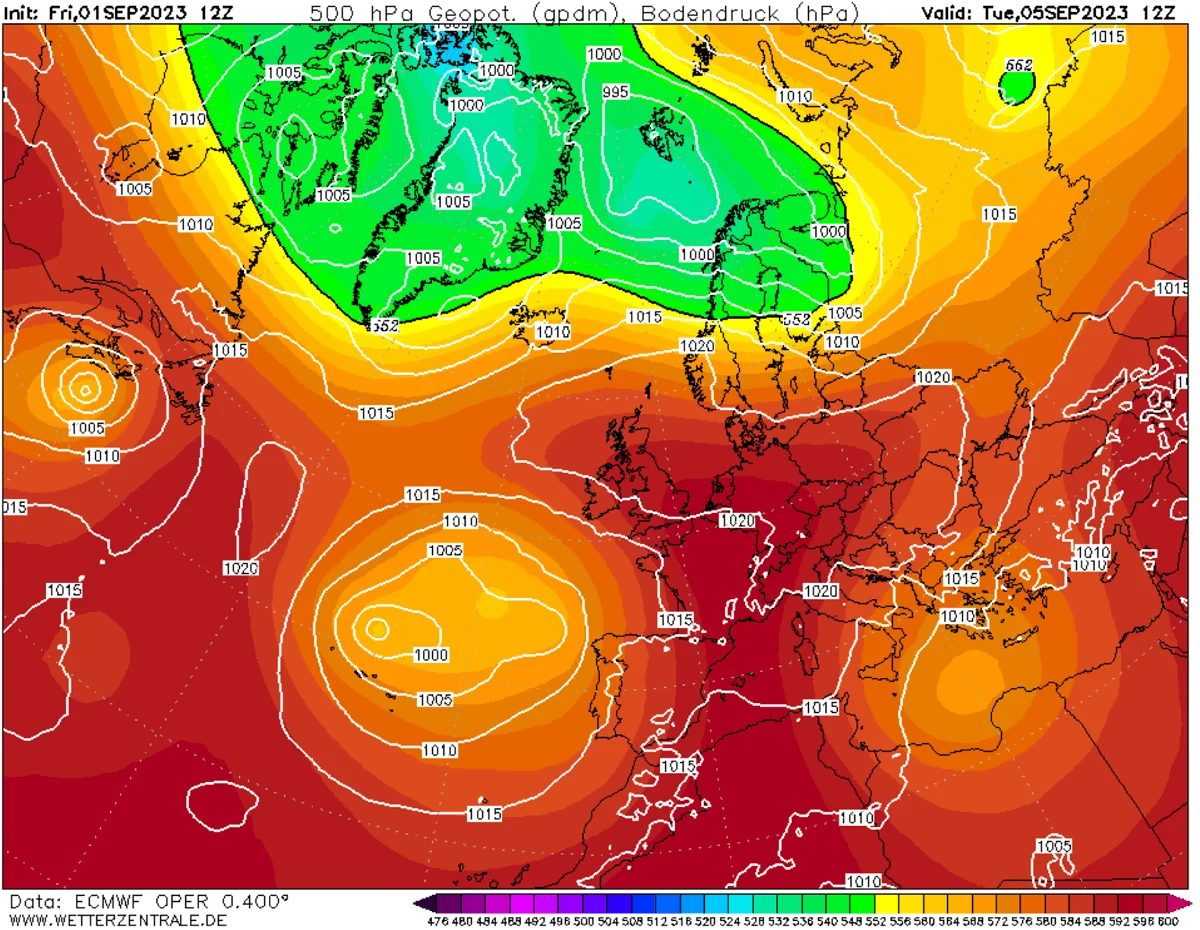
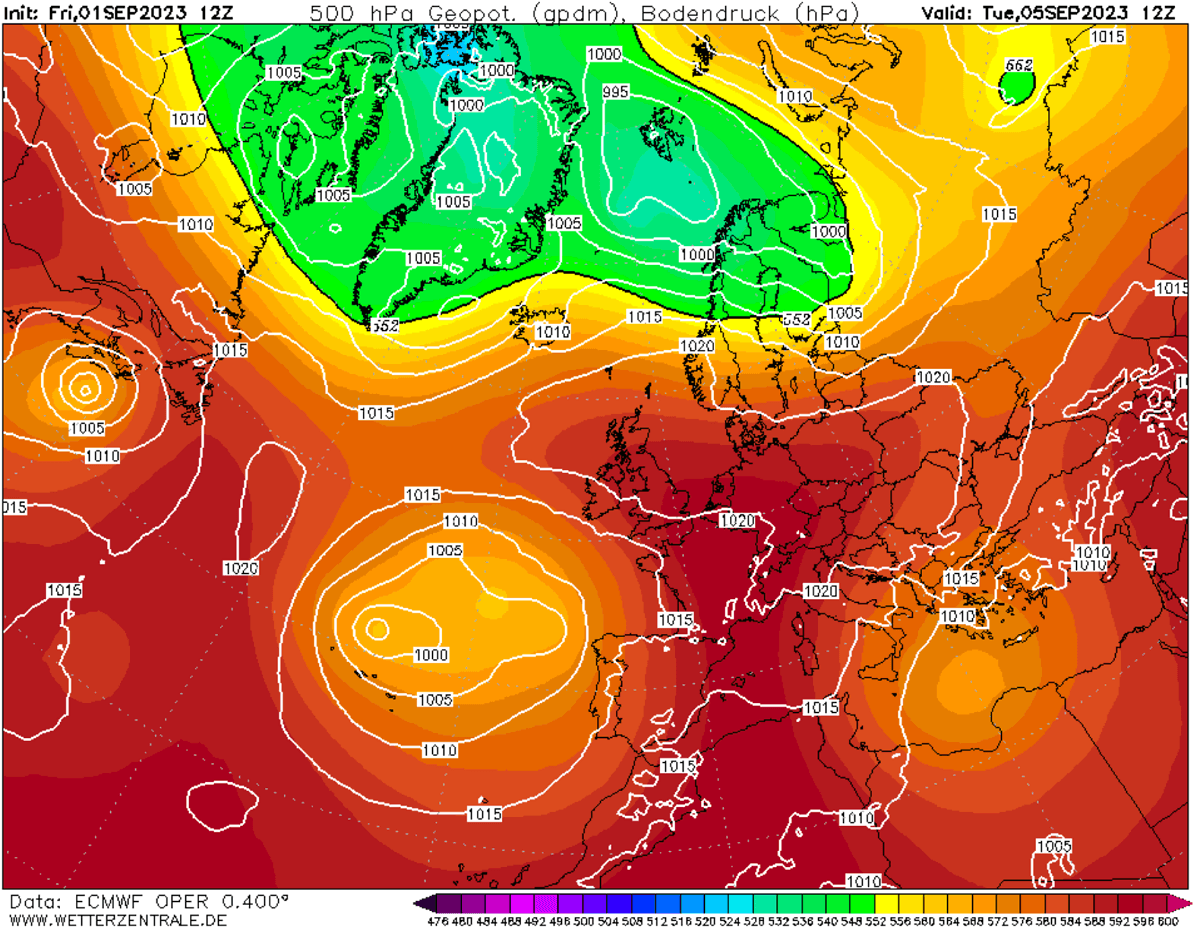
The meteorological data supporting these warnings is stark. The 500 mbar geopotential heights—a standard measure of the altitude of high-pressure systems—are reaching near-record levels. Furthermore, the 850 mbar temperature anomalies, which track the heat of the air mass aloft, indicate that we are dealing with a historic late-spring/early-summer tropospheric setup.
The "Heat Index"—the perceived temperature accounting for humidity—is hitting extreme levels. In rural areas, the rapid evaporation of remaining moisture is accelerating drought conditions. The lack of precipitation is not merely a weather nuisance; it is a structural failure of the regional water cycle. Without the moderating effect of clouds or rain-bearing fronts from the Atlantic, the ground is heating up at an accelerated rate, creating a feedback loop where the dry earth contributes further to the rising surface temperatures.
Implications for Public Health and Society
The human cost of such a prolonged event is significant. Vulnerable populations, including the elderly and those with pre-existing cardiovascular or respiratory conditions, face the highest risk. The inability of the atmosphere to "reset" at night means that even the most robust cooling systems in homes and hospitals are under constant strain.
Occupational Hazards
Construction workers, agricultural laborers, and emergency responders are currently on the front lines of this heat crisis. Exposure to temperatures exceeding 40°C for multiple consecutive days leads to severe dehydration, heat exhaustion, and the potentially fatal condition of heat stroke.
Infrastructure and Urban Planning
The "Urban Heat Island" effect is being exacerbated by this event. Cities built with heat-absorbing materials—concrete, asphalt, and steel—act as thermal batteries. In impoverished districts where green space is limited and housing is poorly insulated, the indoor temperatures are becoming dangerous. The high energy demand required for cooling is placing an immense burden on the regional power grids, raising concerns about potential brownouts during the peak of the heatwave.
The Fire Vector: A Landscape in Peril
Perhaps the most immediate and visible implication of this prolonged heat is the wildfire risk. With soil moisture at record lows and vegetation effectively acting as tinder, the fire risk index across Portugal, Spain, and Southern France is at "Critical."
Multiple destructive wildfires are already active. These fires are feeding off the extremely low relative humidity and high wind speeds generated by the thermal instability of the heat dome. Once ignited, these fires are notoriously difficult to contain because the heat dome prevents the formation of thunderstorm activity that might otherwise bring localized moisture or cooler air. Firefighters are facing a "triple threat": extreme ambient heat, physical exhaustion, and unpredictable fire behavior driven by rapid drying of the fuel source.
Official Responses and Long-Term Forecasts
Meteorological agencies across the EU have issued red-level alerts, urging citizens to avoid outdoor activity during peak hours (11:00 AM to 6:00 PM). Local governments in France and Spain have initiated emergency cooling protocols, opening public buildings and community centers to provide relief to the vulnerable.
Looking toward the mid-term, the outlook remains concerning. The structural integrity of the upper-level ridge shows no sign of collapsing until well into the second half of July. While a shallow Atlantic disturbance may bring marginal relief to western Iberia, the consensus among long-range models suggests that the heat will simply oscillate, re-strengthening its core as it shifts toward the Mediterranean and Central Europe.
This summer is proving to be a watershed moment for climate-related discourse in Europe. The repetitive nature of these "Heat Dome" events—occurring twice in rapid succession within the same season—is pushing the limits of current adaptation strategies. As the continent moves toward mid-July, the focus is shifting from "managing the heat" to "surviving the accumulation."
The scientific community continues to monitor the situation, with advanced modeling from Wxcharts, Wetterzentrale, and Meteociel providing the critical data needed for public safety. As the pattern persists, the primary recommendation remains: monitor local official updates, conserve water, and prioritize the safety of those least able to cope with the extreme thermal stress of a continent under fire.
The battle against this summer’s heat is far from over, and as the heat dome continues to rewrite the record books, the necessity for robust, long-term climate resilience planning has never been more urgent.