PORI, FINLAND – July 4, 2026 – The tranquil waters of the Kokemäenjoki river in Pori transformed into a crucible of endurance and skill this past Saturday, as Finland’s elite marathon canoeists converged for the National Finnish Championships (SM), Junior National Championships (NSM), and the fifth leg of the Finnish Cup series. Amidst the picturesque islets and under the watchful gaze of eager spectators, Miska Nummela of Tampereen Vihuri cemented his legacy with a dominant victory in the Men’s General Series, securing his third consecutive national title. In a truly remarkable performance, local hero Emmi Puputti-Vehkalahti, representing the organizing club Melamajavat, claimed the coveted Finnish Championship in the Women’s General Series, capping a weekend of exceptional athleticism and community spirit.
The event, hosted by Melamajavat, drew 60 dedicated athletes from 15 different clubs across the nation, showcasing the robust health and competitive depth of Finnish marathon canoeing. Participants and organizers alike lauded the impeccable arrangements and the innovative new course, which wound through the delta’s intricate network of islets and bridges, evoking a sense of traditional marathon paddling cherished by the canoeing community.
Main Facts: A Day of Triumphs and Tight Contests
The sun-drenched Saturday, July 4, 2026, marked a significant date in the Finnish canoeing calendar. The Kokemäenjoki river, particularly the area around its numerous islets, provided a challenging yet scenic backdrop for the high-stakes races.
Men’s General Series:
- Finnish Champion: Miska Nummela (Tampereen Vihuri) – A commanding victory, marking his third consecutive national title.
- Silver Medalist: Tommi Ritala (Pirkka-Melojat) – Finished approximately two minutes behind Nummela after a hard-fought battle.
- Bronze Medalist: Eero Luoma (Merimelojat) – Secured third place in an incredibly tight finish, just five seconds behind Ritala.
Women’s General Series:
- Finnish Champion: Emmi Puputti-Vehkalahti (Melamajavat) – A triumphant win for the local favorite, representing the host club.
- Silver Medalist: Iida Lindeman (Tampereen Vihuri) – Crossed the finish line less than two minutes after Puputti-Vehkalahti.
- Bronze Medalist: Saana Moilanen (Tampereen Vihuri) – Completed a strong showing for Tampereen Vihuri, securing the third spot.
Junior National Champions:
- U16 Boys: Robin Lassenius (Vanajaveden Vesikot)
- U14 Boys: Ahti Ritala (Pirkka-Melojat)
- U14 Girls: Neea Bragge (Melamajavat)
The event was not merely a display of individual prowess but also a testament to the strength of various clubs. Kangasalan Melojat, Pirkka-Melojat, Tampereen Vihuri, and the host club Melamajavat consistently featured on the podium across multiple adult and junior categories, demonstrating their effective athlete development programs and competitive depth.
Chronology: From Preparation to Podium
The journey to the 2026 Finnish Marathon Canoeing Championships began long before the first paddle hit the water on Saturday morning. The host club, Melamajavat, known for its vibrant community and deep roots in Pori’s paddling scene, had invested considerable time and resources into organizing an event worthy of national championship status. Preparations included meticulous planning of the racecourse, securing safety personnel, coordinating volunteer efforts, and establishing a welcoming race headquarters at their boathouse.
As athletes arrived in Pori, the atmosphere was a mix of focused determination and camaraderie. Competitors from various clubs, some traveling significant distances, gathered for registration, boat inspections, and last-minute strategizing. The Kokemäenjoki river, a lifeline for Pori, presented itself as a formidable yet fair challenge. Its gentle currents in some sections, combined with the strategic navigation required around the islets and under the city’s bridges, promised a race where not just speed but also tactical acumen would be crucial.
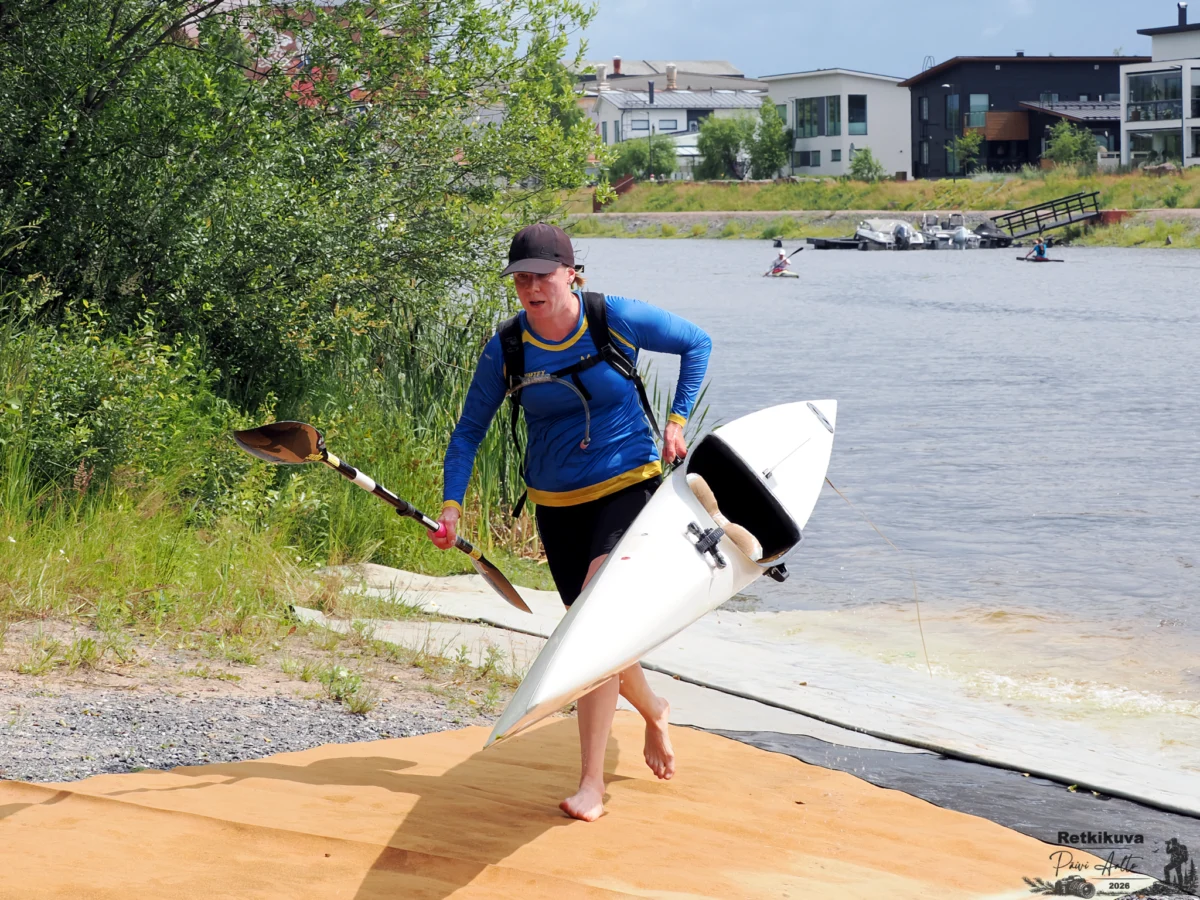
Saturday dawned clear, providing ideal conditions for racing. The early morning saw a flurry of activity as canoes were launched, warm-ups commenced, and athletes mentally prepared for the grueling distances ahead. Marathon canoeing demands exceptional endurance, often involving distances upwards of 20-30 kilometers, punctuated by portages where athletes must exit the water, carry their boats, and re-enter. While the original report doesn’t detail portages, the nature of marathon canoeing suggests a comprehensive test of physical and mental fortitude.
The junior categories kicked off the racing, providing an exciting glimpse into the future of Finnish canoeing. The enthusiasm of the younger paddlers was infectious, setting a vibrant tone for the day. As the senior races commenced, the intensity ratcheted up. Spectators, positioned along the riverbanks and on the various bridges, cheered on every stroke, creating an encouraging soundscape that pushed the athletes forward.
The Men’s General Series race quickly saw Miska Nummela assert his dominance. His powerful strokes and consistent pace allowed him to build a significant lead early on, a testament to his meticulous training and championship pedigree. The battle behind him, however, was fierce, with Tommi Ritala and Eero Luoma engaging in a nail-biting struggle for the remaining podium spots, demonstrating the high level of competition even amongst the top contenders.
In the Women’s General Series, Emmi Puputti-Vehkalahti’s performance was particularly poignant. Competing on her home waters, with the support of her club and community, she channeled the energy into a masterful race. Her victory was not just a personal triumph but a source of immense pride for Melamajavat. The strong showing by Tampereen Vihuri’s Iida Lindeman and Saana Moilanen further underscored the competitive nature of the women’s field.
As the last canoes crossed the finish line, a collective sense of achievement permeated the air. The post-race recovery, awards ceremony, and shared meals at the Melamajavat boathouse fostered an invaluable sense of community, allowing athletes to recount their races, celebrate successes, and plan for future challenges. The day concluded with the recognition of champions, volunteers, and the collective effort that made the event a resounding success.
Supporting Data: A Thriving Community and Strategic Course Design
The statistics from the event paint a clear picture of a healthy and engaged canoeing community. The participation of 60 athletes from 15 distinct clubs speaks volumes about the geographical spread and active club network within Finnish canoeing. These numbers, while not massive in comparison to some other sports, represent a dedicated core of athletes who are passionate about the demanding discipline of marathon paddling. The consistent representation and success of clubs like Tampereen Vihuri, Pirkka-Melojat, Kangasalan Melojat, and Melamajavat highlight the strong regional hubs for canoeing development. These clubs not only foster competitive talent but also serve as community centers for paddling enthusiasts of all ages and skill levels.
A particularly praised aspect of the Pori event was the innovative race route. Unlike more straightforward river courses, the Kokemäenjoki delta route, with its intricate passage through islets and under bridges, offered a unique blend of challenge and aesthetic appeal. This design was specifically engineered to rekindle the spirit of "traditional marathon canoeing," a sentiment that resonated deeply with the competitors.
The feedback from athletes was overwhelmingly positive, underscoring the success of the course design. Navigating the natural obstacles and architectural elements of the river required not just raw power but also precise steering, strategic line choices, and adaptability. This multi-faceted challenge is a hallmark of classic marathon paddling, where the environment itself becomes a significant part of the competition. The Melamajavat boathouse, serving as the competition center, also received high marks for its functionality and welcoming atmosphere, providing a central hub for all logistical needs and post-race activities.
The focus on both senior and junior categories is also crucial supporting data for the sport’s future. By integrating NSM races, the event provided a platform for younger athletes to compete at a national level, gain invaluable experience, and witness the performances of their senior counterparts. This dual focus ensures a continuous pipeline of talent and reinforces the intergenerational appeal of canoeing.
Official Responses: Voices of Gratitude and Vision
The success of the championships was perhaps best encapsulated by the words of the athletes themselves and the implicit feedback from the organizing committee.
Emmi Puputti-Vehkalahti, the Women’s General Series champion and a representative of the host club Melamajavat, offered a profound reflection on her victory, highlighting the delicate balance many amateur elite athletes must maintain. "Combining family life, work, club activities, and some personal paddling is not a simple equation," Puputti-Vehkalahti stated, acknowledging the multifaceted demands on her time and energy. "However, I feel great gratitude that everyday life has rolled on, and I have the opportunity to compete at this level." Her words resonate with many athletes who juggle significant life responsibilities alongside their athletic pursuits, underscoring the personal sacrifices and dedication required to reach the top. Her local victory, therefore, was not just a testament to her athletic ability but also to her remarkable organizational skills and unwavering commitment.
Beyond her personal achievement, Puputti-Vehkalahti also expressed immense satisfaction with the overall participation, particularly among the younger generation. "It was a joy to see how bravely young people also participated in the marathon race – it’s great to follow the development of these promising athletes in the future," she added. This sentiment reflects a broader commitment within the Finnish canoeing community to nurture new talent and ensure the sport’s longevity. The enthusiasm of junior paddlers like Robin Lassenius, Ahti Ritala, and Neea Bragge, all crowned national champions in their respective categories, is a clear indicator of a bright future.
While specific quotes from organizers or the Finnish Canoeing and Rowing Federation (Melonta- ja Soutuliitto) were not provided in the original text, the overwhelmingly positive feedback regarding the "functioning arrangements" and "fine facilities" speaks volumes. Such praise from competitors is the highest form of official endorsement for an organizing committee. It suggests that Melamajavat, along with the support of the national federation, executed a seamless event that met and exceeded the expectations of the athletes. The success in Pori sets a high bar for future championship hosts and reinforces the city’s reputation as a capable venue for national-level sporting events.
Implications: Sustaining Momentum and Nurturing Future Champions
The 2026 Finnish Marathon Canoeing Championships in Pori carry several significant implications for the sport in Finland, for the athletes involved, and for the host city.
For Miska Nummela, his third consecutive national title solidifies his position as the dominant force in Finnish men’s marathon canoeing. Such a sustained level of excellence is rare and speaks to an unparalleled dedication to training and competition. His continued success not only inspires aspiring paddlers but also raises the bar for his competitors, fostering a culture of continuous improvement within the sport. The tight battle for silver and bronze between Tommi Ritala and Eero Luoma further highlights the depth of talent challenging Nummela, promising exciting races in the seasons to come.
Emmi Puputti-Vehkalahti’s victory, particularly as a representative of the host club, provides a powerful narrative of local triumph and the importance of community support. Her ability to balance demanding life roles with elite-level sport makes her an inspirational figure, demonstrating that passion and perseverance can lead to extraordinary achievements. Her success will undoubtedly motivate more women to engage in competitive canoeing, challenging perceptions and encouraging greater participation.
The strong performance of several clubs, notably Tampereen Vihuri, Pirkka-Melojat, Kangasalan Melojat, and Melamajavat, underscores the effectiveness of their training programs and club structures. These clubs are vital incubators of talent, providing the coaching, equipment, and community necessary for athletes to thrive. Their consistent presence on the podium across multiple categories suggests a healthy competitive ecosystem and robust junior development programs.
The significant participation of junior athletes and their enthusiastic engagement is perhaps the most crucial long-term implication. The NSM categories are not just races; they are proving grounds for the next generation of Finnish canoeists. By providing a national platform for U14 and U16 paddlers, the event actively invests in the future of the sport. The joy expressed by Puputti-Vehkalahti regarding junior participation highlights a shared vision within the community: to ensure that Finnish canoeing continues to produce skilled athletes for years to come. This focus on youth development is essential for maintaining the sport’s vitality and ensuring Finland’s continued presence on the international canoeing stage.
Finally, for Pori and the Kokemäenjoki river, hosting such a successful national championship reinforces their capacity as premier venues for aquatic sports. The positive feedback on the organizational arrangements and the innovative race route will undoubtedly enhance Pori’s reputation within the Finnish sporting landscape. The "return to traditional marathon canoeing" through the unique course design could also serve as a blueprint for future events, showcasing how local natural features can be creatively integrated to enhance the competitive experience. The event served not only as a sporting spectacle but also as a celebration of the city’s natural environment and its vibrant sporting community.
In conclusion, the 2026 Finnish Marathon Canoeing Championships in Pori was a resounding success, marked by exceptional athletic performances, impeccable organization, and a strong sense of community. From Miska Nummela’s historic three-peat to Emmi Puputti-Vehkalahti’s inspiring local victory, and the promising displays by junior champions, the event has left an indelible mark, reaffirming the strength and bright future of marathon canoeing in Finland. The Kokemäenjoki river, with its islets and bridges, proved to be an ideal stage for a competition that blended tradition with modern athletic prowess, setting a high standard for years to come.
Text by Maija Harju (original source, enriched and rewritten by AI)
Photos: Retkikuva / Petri Hakosalo and Päivi Aalto (original source)