After a five-week hiatus from running—a period that typically leaves even seasoned athletes feeling sluggish and out of sync—I found myself hitting the trails with a surprising surge of momentum. On only my second run back, clocking in on flat, pea-gravel paths, I recorded my fastest 5K of the year. While the cynic might attribute this to fresh legs or the psychological relief of returning to a routine, the tactile evidence suggested something more: it was the shoes.
I was wearing the Salomon Aero Glide 4 GRVL, a hybrid trainer that bridges the gap between the speed of a road shoe and the versatility required for light off-road exploration. While anecdotal, the performance data was consistent: my pace was faster than perceived, and my energy expenditure felt significantly lower than in traditional trainers. This review explores why this specific silhouette has become a staple in my rotation and what it means for the evolving "gravel shoe" category.
The Evolution of the Hybrid Trainer: Main Facts
The footwear industry has seen a pivot toward versatility. As runners increasingly look for shoes that can handle a transition from a suburban sidewalk to a manicured dirt path without requiring a mid-run change, the "gravel" category has emerged as the ultimate compromise.

The Salomon Aero Glide 4 GRVL is designed for the runner who demands maximum cushioning without the clunky, heavy footprint of a traditional trail shoe. Key specifications include:
- Midsole Technology: OptiFoam2, providing a high-stack, high-rebound experience.
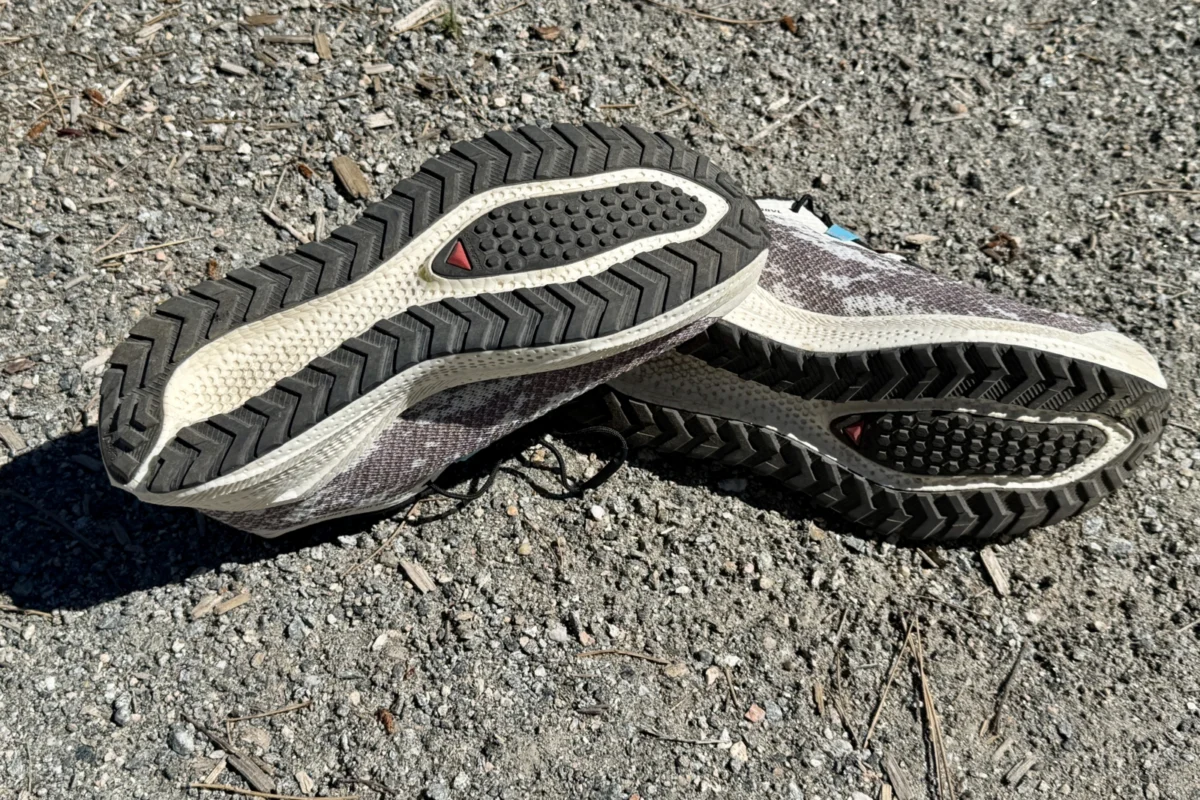
- Outsole: Specialized Gravel ContaGrip with 2.5mm multi-directional lugs.
- Weight: Approximately 20 ounces per pair (comparable to its road-specific counterpart).
- Geometry: "Reverse Camber" rocker for a fluid heel-to-toe transition.
- Upper: 3D-mesh with an internal EndoFit sleeve for midfoot lockdown.
Unlike heavy-duty trail shoes that incorporate rock plates and deep, aggressive lugs, the Aero Glide 4 GRVL prioritizes a "road-feel" on hard-packed surfaces. It is a shoe for the 80/20 runner: 80% road and sidewalk, 20% gravel, light trail, and hard-packed dirt.
A Chronological Perspective: From Road to Trail
My introduction to this platform was actually a slight logistical mix-up. I began my testing cycle in the standard Salomon Aero Glide 4 (the road version). I was immediately struck by the shoe’s responsiveness; the cushioning was plush, but it didn’t suffer from the "mushy" sensation that plagues many high-stack trainers.

When I transitioned to the GRVL variant, the shift in sensation was remarkably subtle—a testament to the design team’s goal of maintaining road-like efficiency.
The Testing Timeline
- Week 1 (Road Baseline): Testing the standard road model on paved surfaces to establish a benchmark for the cushioning and energy return.
- Week 2 (The Gravel Shift): Moving into the GRVL model on mixed-surface routes. The first session on pea gravel showed an immediate improvement in pace, likely due to the confidence inspired by the outsole.
- Week 3 (Endurance Testing): Pushing the shoes on 90-degree summer days. This period highlighted the breathability—and minor heat retention—of the EndoFit internal sleeve.
- Week 4 (Technical Assessment): Taking the shoes onto more challenging, rutted, and rocky trails to identify the inherent limitations of a gravel-focused design.
Supporting Data: Performance and Stability
The primary question for any hybrid shoe is how it handles the "middle ground." Does it lose efficiency on the road, or does it lack traction on the trail?
The "Bike-Tire" Tread Philosophy
The ContaGrip outsole on the GRVL is a masterclass in minimalism. By utilizing 2.5mm chevron lugs on the perimeter and shallower hexagonal patterns under the forefoot, Salomon has effectively mimicked the tread pattern of a high-performance gravel bike tire.

In my testing, this configuration proved exceptionally effective. On pavement, the tread is unobtrusive; you do not feel the "bumping" sensation associated with larger lugs. On hard-packed dirt, the lugs bite just enough to prevent the micro-slips that often occur in road shoes. The recessed sections in the heel and forefoot are not just for weight reduction; they prevent debris from lodging in the sole, a common annoyance on gravel paths.
Pace and Energy Return
During my 5K test, I recorded speeds 30 seconds faster than my typical pace on paved sidewalks. This is, in part, due to the 41mm heel stack. While high stacks can often feel wobbly, the Aero Glide 4 GRVL utilizes a wide base and a secure midfoot wrap that maintains stability. The "Reverse Camber" rocker geometry acts as a launchpad, turning the natural braking force of a heel strike into a forward-propelling movement.
Official Responses and Design Philosophy
While official marketing materials often emphasize "trail-readiness," the design intent here is clearly about confidence on moderate terrain. Salomon’s design team has opted to exclude a rock plate—a common feature in dedicated trail shoes—to keep the weight low and the ride flexible.

The "OptiFoam2" midsole, which is shared with the road version, is tuned for vibration damping. When running on gravel, the frequency of micro-vibrations can lead to premature foot fatigue. The OptiFoam2 acts as an insulator, smoothing out the chatter of the terrain.
Regarding the fit, the EndoFit sleeve is a deliberate choice to keep the foot centered. While it succeeds in providing a secure lockdown, it does come with a trade-off: increased heat retention. In temperatures exceeding 85°F, the mesh upper and internal sleeve create a noticeably warmer micro-climate around the midfoot. For most, this is a negligible price to pay for the security provided, but it is a factor for those who run in extreme heat.
Implications: Where the Shoe Fits
The Salomon Aero Glide 4 GRVL forces us to rethink the necessity of owning multiple pairs of specialized shoes.

Who is this for?
- The Gravel Skeptic: If you believe your road shoes are "fine" for gravel, the GRVL will prove you wrong. The subtle increase in traction and stability changes the running experience from "tentative" to "confident."
- The Traveler: For runners who pack one pair of shoes for a trip, this is the ultimate "do-it-all" option. It handles airport terminals, city sightseeing, and local park trails with equal aptitude.
- The Minimalist-Trail Runner: For those who find standard trail shoes too heavy or "luggy," the GRVL offers a refreshing, snappy alternative.
The Limitations
It is important to acknowledge the threshold of this shoe. When I moved into deeply rutted, technical, or root-heavy terrain, the limitations became apparent. The shoe lacks the torsional rigidity needed for steep, technical switchbacks, and the 2.5mm lugs are insufficient for mud or loose, steep scree. It is not a replacement for a dedicated technical mountain shoe; it is a tool for the runner who prefers a fluid, fast ride on groomed surfaces.
Final Verdict: A New Staple?
The Salomon Aero Glide 4 GRVL is a triumph of balance. It avoids the gimmicks of carbon-plated super-trainers and the overkill of heavy-duty trail gear. Instead, it offers a refined, high-performance experience that makes running on variable terrain feel natural.
Durability looks promising; the 3D-mesh is robust, and the OptiFoam2 is known for its longevity, often comfortably lasting up to 400 miles. The aesthetic, notably the understated snakeskin-inspired pattern, is a welcome departure from the neon-saturated market, proving that you don’t need to look like a highlighter to perform like an athlete.

Whether you are looking to shave time off your local gravel loop or simply need a more capable daily trainer, the Aero Glide 4 GRVL deserves a spot in your rotation. It is, quite simply, the most versatile shoe I have tested this year—a rare example of a product that lives up to the promise of doing it all without sacrificing the joy of the run.