Planning a camping trip should be an exercise in excitement, not anxiety. Whether you are a weekend warrior loading up the family SUV or a dedicated thru-hiker preparing to traverse mountain ranges, the secret to a successful outdoor experience lies in meticulous preparation. Our team of veteran outdoor experts has compiled this comprehensive guide to demystify the packing process, ensuring that no matter the environment, you remain comfortable, safe, and prepared.
To simplify the process, think of your campsite as a modular home. You need a bedroom (shelter and sleep system), a kitchen (cooking gear and food storage), and a living room (seating and social space). By organizing your gear into these distinct functional zones, you can avoid the common trap of overpacking or, worse, forgetting the essentials.
The Taxonomy of Camping: Understanding Your Environment
Camping is not a monolith; it requires vastly different approaches depending on the logistics. This guide categorizes the essential "kit" into seven distinct scenarios: Car Camping (where your vehicle is your basecamp), Backpacking (hauling your gear over miles of trail), Ultralight Backpacking (the pursuit of the gram-counting ideal), Wet-Weather Survival, Hot-Weather Management, Winter Expeditions, and Hunting Logistics.

Part I: The Art of Car Camping
Car camping is the "luxury" segment of outdoor living. Because you aren’t constrained by the capacity of a human back, you can prioritize comfort.
The "Home Away From Home" Strategy
When car camping, you can opt for larger, multi-room tents with standing headroom and vertical walls. While specialized lightweight backpacking tents are durable, they are often fragile and expensive. For car camping, prioritize internal volume and storage pockets.
Sleeping Gear:

- The Bed: Utilize a thick, plush sleeping pad or even an air mattress. Unlike backpacking, where weight is the enemy, here, insulation and comfort are king.
- The System: A rectangular, roomy sleeping bag or even a set of flannel sheets and a down comforter can provide a home-like experience.
The Camp Kitchen:
Organize your cooking gear in a dedicated bin. A two-burner propane stove is the standard for car camping, allowing you to prepare multi-course meals. Include a durable set of cast iron or nesting pots, a collapsible washbasin, and a dedicated lantern for after-dark meal prep.
Part II: The Mechanics of Backpacking
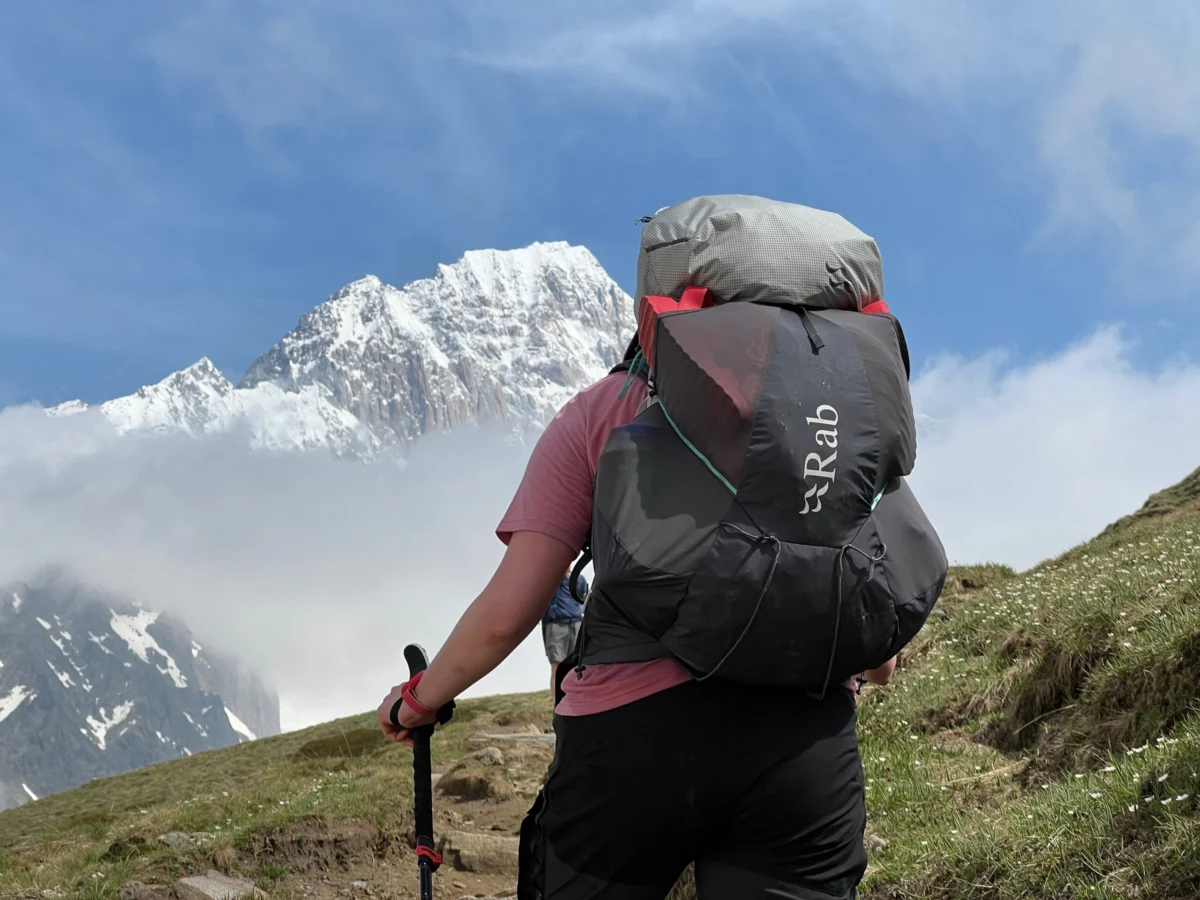
Backpacking is defined by the limitation of what you can carry. The goal here is efficiency.
The Core Essentials
Your pack is your life support. A 55L to 65L pack is generally the "sweet spot" for most multi-day trips.

- Shelter: Seek a lightweight tent or, for the more adventurous, a minimalist bivy or hammock system.
- Navigation: While GPS-enabled smartphones are the modern standard, they are susceptible to battery failure and screen damage. Always carry a physical topographic map and a reliable magnetic compass. Treat your phone as a secondary tool; ensure maps are downloaded for offline use and always carry a high-capacity power bank.
Part III: The Ultralight Philosophy
Transitioning to ultralight (UL) backpacking is a rite of passage for experienced hikers. The industry standard for an "ultralight" base weight (everything excluding food, water, and fuel) is under 10 pounds.
The Strategy of Multi-Use
The core principle of UL camping is "multi-use."
- Trekking poles: These aren’t just for stability; in the ultralight world, they double as the structural support for your tent, eliminating the need for heavy tent poles.
- Sit pads: A small piece of closed-cell foam provides a dry seat during the day and serves as a headrest or extra insulation under your feet at night.
- Quilts: By ditching the zipper and the hood of a traditional sleeping bag, a down quilt saves significant weight while providing ample warmth.
Part IV: Environmental Considerations
Wet-Weather Mastery
Rain can turn a trip into a miserable ordeal if you aren’t prepared.

- The Golden Rule: Keep your sleep system dry at all costs. Utilize high-quality dry bags or a heavy-duty trash compactor bag as a pack liner.
- The Car Tarp: For car campers, a large, waterproof tarp is indispensable. It creates a "porch" that allows you to cook and socialize without being confined to the tent.
Thriving in the Heat
Hot weather is often underestimated, but dehydration and heat exhaustion are serious risks.
- Hydration: Always carry more water capacity than you think you need.
- Clothing: Prioritize light-colored, long-sleeved synthetic shirts to protect your skin from UV rays while maintaining airflow. Wide-brimmed hats are non-negotiable.
The Winter Frontier
Winter camping requires a specialized, often expensive, kit.
- Insulation: Your R-value (insulation rating) for your sleeping pad is critical. In winter, the ground will sap your heat faster than the air. Aim for an R-value of 5.0 or higher.
- Fuel: Standard butane/propane blends struggle in sub-freezing temperatures. Liquid fuel stoves are preferred for their reliability and ability to be pressurized in the cold.
Part V: Hygiene, Safety, and Ethics
Hygiene Protocols
A common error is relying solely on hand sanitizer. While useful, it is ineffective against many waterborne pathogens like Norovirus. A bar of biodegradable soap and a small trowel for waste disposal (following Leave No Trace principles) are mandatory for any extended trip.

Leave No Trace (LNT)
As camping popularity rises, the impact on public lands is undeniable. Adhering to the seven LNT principles—such as packing out all trash, minimizing campfire impacts, and respecting wildlife—is the responsibility of every camper. Increasingly, backcountry fires are being banned due to wildfire risks; adopt a "stove-only" policy to protect our forests.
Part VI: The Hunting Camp Exception
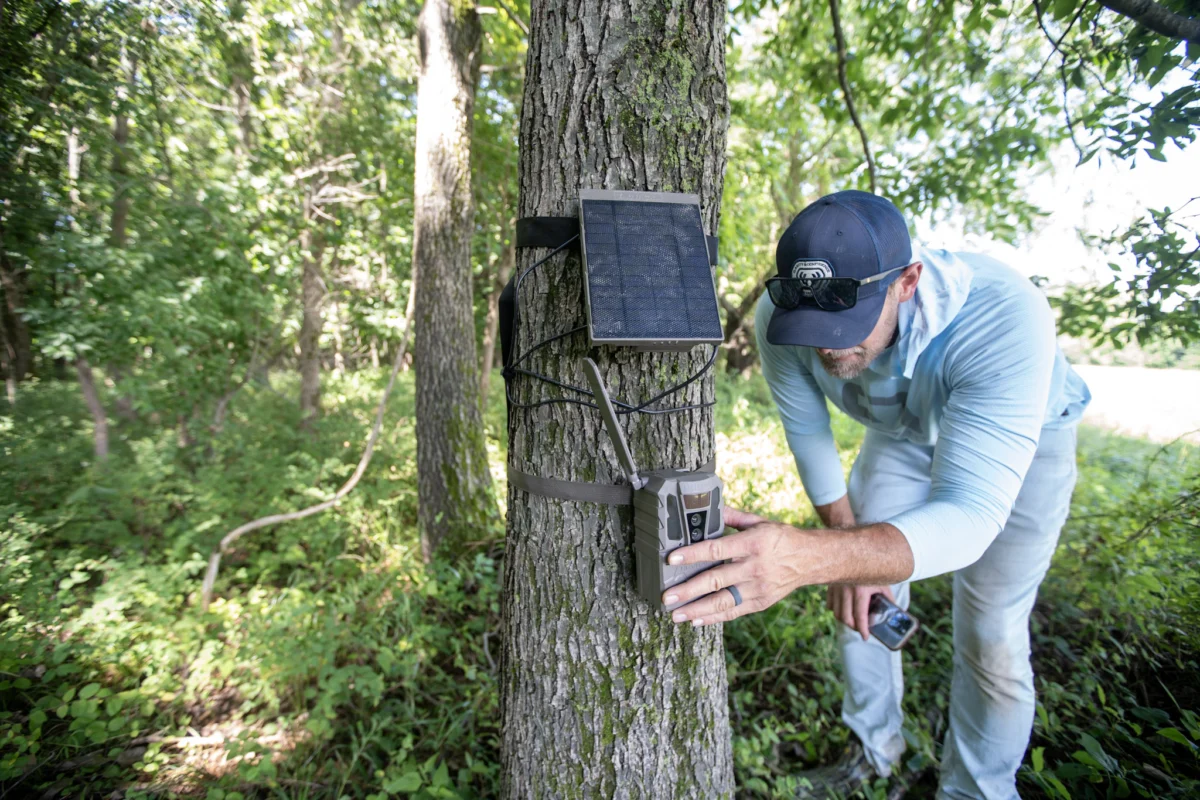
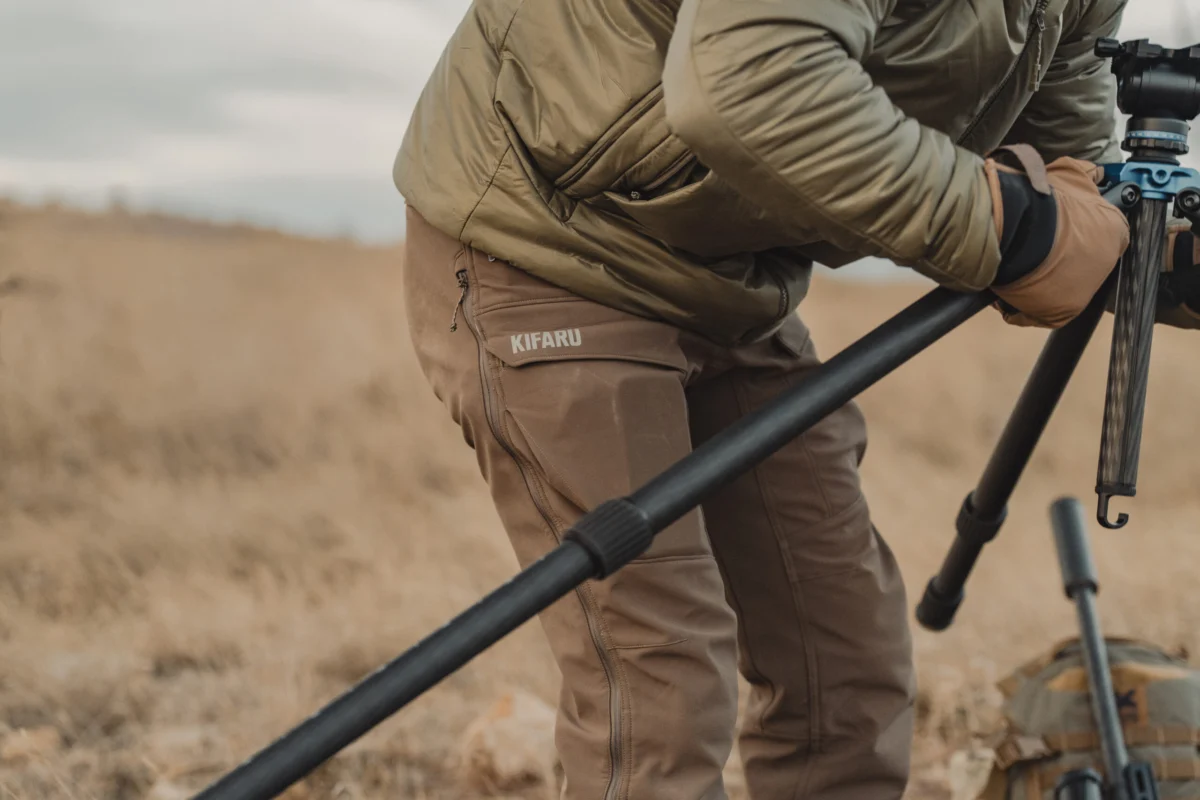
Hunting camps are distinct from standard camping because they require the transport of specialized gear—rifles, bows, optics, and game processing equipment.
Chronology of a Hunt:

- Preparation: Scouting terrain and verifying gear functionality.
- Basecamp Establishment: Setting up a secure, weather-resistant shelter capable of handling potential high-altitude storms.
- The Hunt: Utilizing lightweight, silent gear.
- The Harvest: Transitioning to heavy-duty pack-out gear, including game bags and high-capacity external frame packs designed for hauling heavy loads.
Part VII: Implications for the Future
The evolution of camping gear—from titanium stoves to carbon-fiber packs—has made the outdoors more accessible than ever. However, the true implication of this growth is the need for education. High-end gear cannot replace basic wilderness skills.
Summary Checklist for Every Camper:
- Navigation: Map, compass, offline digital map.
- Shelter: Tent, footprint, stakes.
- Sleeping: Sleeping bag, high-R-value pad.
- Kitchen: Stove, fuel, lighter, water filter.
- Safety: First-aid kit, whistle, headlamp (with extra batteries).
- Hygiene: Biodegradable soap, trowel, TP.
By focusing on these core pillars, you ensure that your time in the wilderness is defined by the beauty of the landscape, not by the absence of a forgotten essential. Whether you choose the luxury of a car-side setup or the austerity of an ultralight trek, preparation is the foundation of every great memory made under the stars.