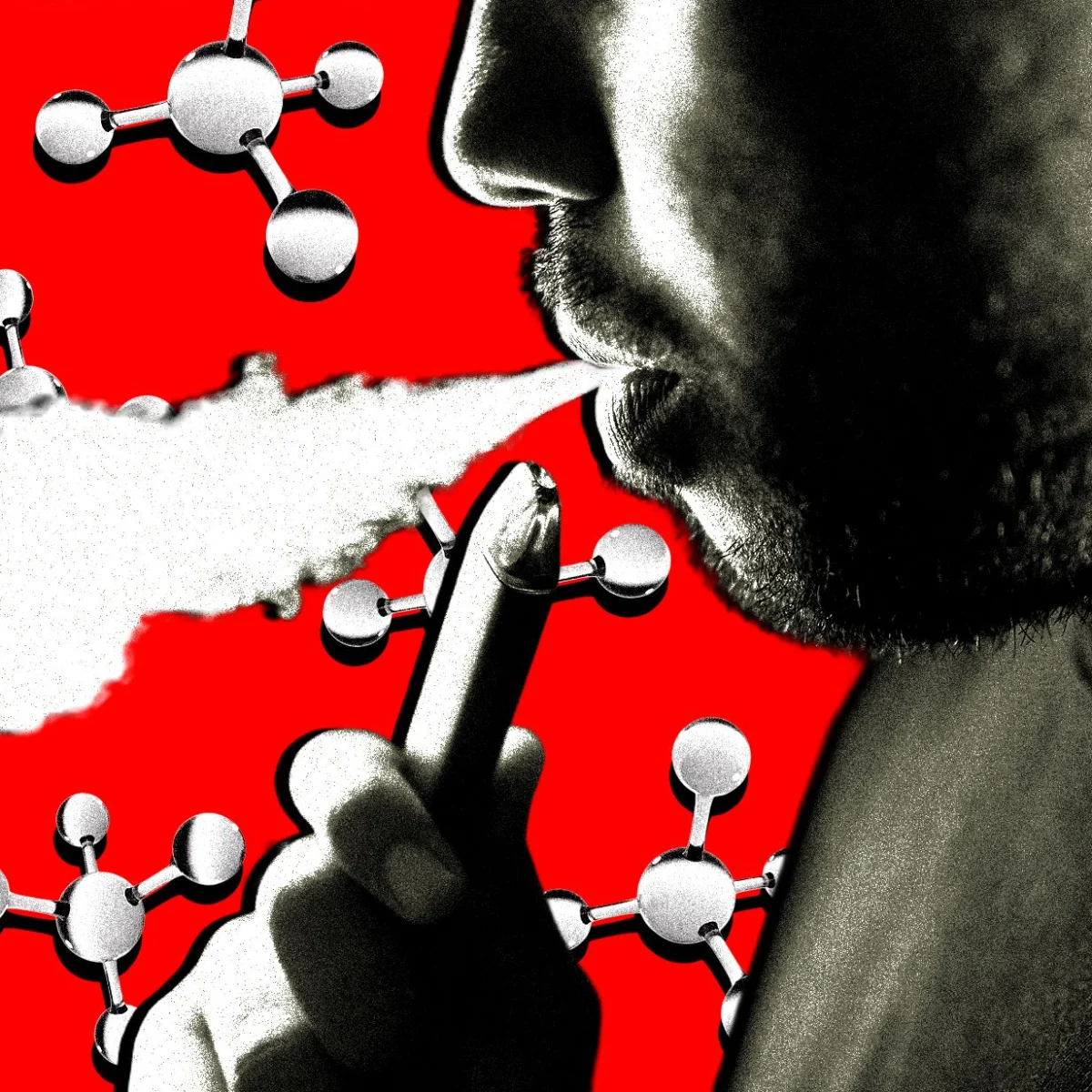
In the dimly lit aisles of local convenience stores and suburban smoke shops, a quiet, high-stakes game of regulatory "whack-a-mole" is unfolding. For years, the U.S. Food and Drug Administration (FDA) has waged a battle against flavored nicotine vapes, seizing shipments and issuing warning letters to keep illicit products off American shelves. Yet, despite these efforts, the market remains flooded with colorful, fruit-flavored disposable devices.
A recent investigation into these products reveals that the industry has undergone a dark evolution. When U.S. regulators finally closed the loophole on synthetic nicotine in 2022, manufacturers—primarily based in China’s industrial “Vape Valley”—did not retreat. Instead, they pivoted to a chemical workaround: nicotine analogs. These substances, which mimic the physiological effects of nicotine without technically being classified as such under current federal law, are now fueling a new, largely unchecked public health crisis.
The Evolution of the Loophole: From Tobacco to Analogs
The journey toward this regulatory stalemate began when the vaping industry realized that the definition of “tobacco product” was the only thing standing between them and a multi-billion-dollar market. Originally, the FDA regulated nicotine derived from the tobacco plant. When companies began using lab-created synthetic nicotine, they argued they were outside the FDA’s purview because no tobacco leaves were involved.
Congress eventually caught up, passing legislation in 2022 that expanded the FDA’s authority to include all nicotine, regardless of its source. However, the legislation was narrowly drafted, defining "nicotine" with specific chemical criteria. Chinese manufacturers, known for their agility and technical precision, immediately spotted the gap. By tweaking the molecular structure of nicotine, they created “nicotine analogs”—compounds that satisfy the brain’s cravings for nicotine while remaining legally distinct from the substance defined in the U.S. Code.
A Chronology of Deception
The history of these chemical alternatives is longer than many realize, dating back to a time when Big Tobacco first explored the potential of these compounds behind closed doors.
- The 1970s–1990s: Internal documents from major tobacco corporations reveal that scientists were actively researching nicotine-like compounds. These documents, later unearthed in litigation, suggest that manufacturers were looking for ways to maintain the addictive properties of their products while circumventing potential health regulations.
- 2005: A comprehensive review of millions of internal industry documents confirmed that these companies had explored various analogs, though they ultimately never brought them to the mainstream market, likely due to the success of traditional nicotine products.
- 2021–2022: As the FDA began its crackdown on synthetic nicotine, these decades-old chemical blueprints were repurposed by offshore manufacturers. The first reports of 6-methyl-nicotine and similar substances began appearing in the U.S. market.
- 2024: Independent research, including a notable study published in JAMA, confirmed that the labels on these products are essentially meaningless. Testing revealed that these vapes contain a cocktail of unlabeled chemicals, artificial sweeteners, and cooling agents, all designed to mask the harshness of the inhaled substances.
Supporting Data: The Hidden Dangers in the Vapor
The primary concern among toxicologists and public health experts is the lack of long-term human data. While the substances are marketed as “nicotine-free” or “alternative” products, animal studies suggest that these compounds may be significantly more potent than the nicotine users are trying to replace.
The Potency Problem
Studies on 6-methyl-nicotine have indicated that it may possess a higher affinity for nicotine receptors in the brain than traditional nicotine. This suggests that the addiction threshold could be reached faster and with greater intensity, making it particularly dangerous for younger, neuro-developing brains.
Chemical Opacity
Perhaps even more alarming than the analogs themselves are the additives. The 2024 JAMA study found that manufacturers are adding a variety of flavoring agents and cooling agents not intended for pulmonary consumption. When these chemicals are heated and aerosolized, they can cause unpredictable damage to the respiratory system. As Robert Jackler, an emeritus professor at Stanford University, puts it: "What’s on the label has very little relationship to what’s in it."
Official Responses and the Political Divide
The response from U.S. officials has been fragmented, characterized by a mix of alarm and, in some cases, bureaucratic paralysis.
Legislative Concern
Senator Tim Sheehy (R-MT) has been among the most vocal critics, framing the issue as both a public health disaster and a national security concern. "The Chinese have been flooding the American market with illegal vape products designed to target children for years," Sheehy stated. "These fake nicotine products appear to be a new scheme to trick American consumers into putting illicit, potentially dangerous chemicals into their body."
The Regulatory Void
Despite such rhetoric, the federal machinery remains stalled. Critics argue that the current administration’s approach to public health has inadvertently cleared a path for these products. By effectively dismantling key offices within the Centers for Disease Control and Prevention (CDC) responsible for tobacco prevention and reducing the size of the FDA’s Center for Tobacco Products, the federal government has left a power vacuum.
Without federal leadership, the burden of regulation has shifted to the states. California, Indiana, Nebraska, and Tennessee have taken proactive steps, updating their state-level definitions of "tobacco products" to encompass any chemical that mimics the effects of nicotine. However, this patchwork of laws creates a fragmented market where an illegal product in one state can be legally sold just across a border, making enforcement nearly impossible for local authorities.
The Implications: A Public Health Time Bomb
The long-term implications of this, as noted by experts like Rich Marianos, a former ATF official and current executive director of the Tobacco Law Enforcement Network, are dire.
"The Chinese companies are extremely creative; they are extremely smart," Marianos notes. Their ability to navigate the nuances of U.S. law allows them to treat the American consumer base as a laboratory for unvetted chemicals. By the time the FDA or other federal bodies can identify, test, and regulate a specific analog, the manufacturers have already moved on to the next chemical variant.
For the average consumer—especially those who picked up vaping to quit traditional cigarettes—the reality is a dangerous gamble. Many users are unaware that they are essentially serving as test subjects for chemical analogs that have never been vetted for long-term inhalation safety.
Moving Forward
The path to remediation remains steep. Public health advocates argue that the FDA needs to move away from substance-specific regulation and toward a system that regulates products based on their physiological impact. If a product is designed to satisfy a nicotine addiction, it should be treated as a nicotine product, regardless of the chemical structure of its active ingredient.
However, as long as the regulatory framework remains tethered to outdated definitions of tobacco and nicotine, the "Vape Valley" will continue to outpace the law. Until comprehensive federal legislation is passed that closes the analog loophole once and for all, the cycle of innovation and deception will continue to threaten the health of millions of Americans, turning local convenience stores into front lines for an uncontrolled chemical experiment.