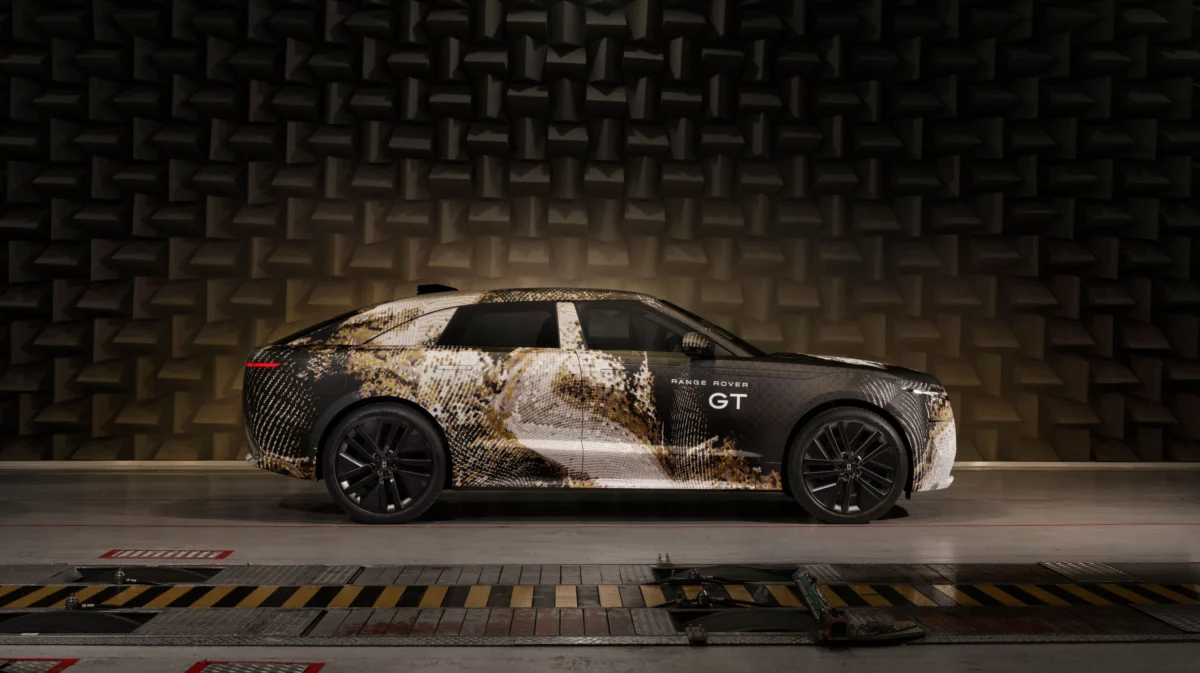
In a move that signals a seismic shift for the luxury automotive landscape, Range Rover has officially pulled the veil back—if only slightly—on its most daring project to date: the Range Rover GT. This new entrant, which represents the fifth distinct vehicle in the brand’s storied lineup, is not another SUV. Instead, it is an all-electric grand tourer, a vehicle that challenges the very definition of what a "Range Rover" can be. Built on the company’s cutting-edge Electrified Modular Architecture (EMA), the GT is poised to bridge the gap between traditional off-road prowess and the high-speed, long-distance refinement expected of a luxury cruiser.
The Genesis of the GT: Breaking the Mold
For decades, the Range Rover nameplate has been synonymous with the luxury SUV. From the utilitarian origins of the original Land Rover to the opulent, leather-lined cruisers of the modern era, the brand has owned the "commanding view" of the road. The announcement of the GT, therefore, represents a radical departure.
The vehicle is currently undergoing rigorous final-stage testing in camouflaged prototype form, with a global launch slated for 2027. While the company remains tight-lipped regarding specific performance metrics—such as battery range, kilowatt output, or the final sticker price—the silhouette visible beneath the camouflage suggests a low-slung, aerodynamic profile with coupé-like proportions. This departure from the boxy, vertical aesthetic of the standard Range Rover suggests that JLR (Jaguar Land Rover) is eager to capture a demographic that values agility and style as much as status.
Chronology: From Concept to 2027 Launch
The road to the Range Rover GT has been one of quiet, obsessive development within JLR’s engineering departments.
- Pre-2024: Internal development of the EMA platform, designed to offer a scalable foundation for a new generation of mid-sized electric vehicles.
- Late 2024 – Early 2025: Initial design and engineering sign-offs for the GT. The vehicle is positioned as the flagship for the new EMA platform.
- 2026: Final testing cycles in extreme climates, ranging from the frozen tracks of Scandinavia to the blistering heat of the Middle East, ensuring the car lives up to the brand’s "all-terrain" heritage.
- 2027 (Anticipated): Official global launch and the first deliveries to customers.
- Post-Launch: JLR has confirmed that while the initial launch will focus exclusively on the battery-electric version, the vehicle’s lifecycle will include the introduction of hybrid powertrains to cater to markets with varying infrastructure development.
The Technological Foundation: EMA vs. MLA
A critical point of distinction for the Range Rover GT lies beneath its skin. The car is built on the Electrified Modular Architecture (EMA). This is a significant differentiator because it separates the GT from the larger, flagship Range Rover Electric, which will be built on the Modular Longitudinal Architecture (MLA).
The EMA platform is a versatile workhorse, designed to support not only the GT but also the next generation of the Range Rover Evoque, the Land Rover Discovery Sport, and the much-hyped "Baby Defender." By placing the GT on the EMA platform, Range Rover is prioritizing efficiency and agility. However, this also raises questions about how the brand plans to maintain the "Range Rover" DNA—specifically its legendary off-road capability—in a vehicle with a significantly lower center of gravity and a grand-touring ethos.

Inside the Cabin: A Minimalist Philosophy
The interior of the Range Rover GT serves as a window into the company’s future design language. Eschewing the industry’s recent "retro-trend" of reintroducing physical buttons and tactile switchgear, the GT opts for a stark, ultra-minimalist approach.
The dashboard features a slender, wide-format driver’s display paired with a dominant central touchscreen. Climate control, vehicle dynamics, and infotainment are all managed through this digital interface. The cabin architecture is surprisingly fluid; a concealed air vent runs the entire width of the dashboard, while high-end audio components are hidden beneath the same premium textiles that wrap the cabin surfaces. The rear seating area emphasizes legroom and comfort, topped by a panoramic glass roof that tapers sharply toward the rear, reinforcing the grand-tourer aesthetic.
Official Stance and the "Jaguar Problem"
The arrival of the Range Rover GT is inevitably being compared to the simultaneous rollout of the Jaguar Type 01, another all-electric grand tourer from the same parent company. Critics have pointed out that both vehicles target a similar, high-net-worth demographic that favors long-haul comfort over trail-blazing.
Martin Limpert, global managing director at Range Rover, is keen to frame the GT as a unique proposition. "We have spent the last few years working obsessively on the fundamentals of the GT formula, reinterpreted in a sophisticated, uniquely Range Rover way," Limpert stated. He emphasized that the GT will retain the brand’s hallmark all-terrain capabilities, a claim that sets it apart from almost any other GT car on the market.
When pressed on the potential for internal competition with Jaguar, a JLR spokesperson noted, "Range Rover and Jaguar are two very different brands. The Jaguar Type 01 is an electric four-door luxury GT, while the Range Rover GT is a new take on the Range Rover formula, the first to sit on the EMA platform, retaining all-terrain capability."
Despite this, the overlap in the market is undeniable. Both vehicles are four-door luxury electric cars, both arrive in 2027, and both are designed to redefine the prestige motoring experience.

Implications for the Luxury Market
The launch of the GT has several profound implications for JLR and the broader automotive industry:
- Brand Dilution vs. Brand Expansion: Purists may view the GT as a betrayal of the SUV-first heritage of Range Rover. However, by leveraging the "Range Rover" prestige in a new segment, JLR is effectively future-proofing the brand against a potential decline in SUV demand or shifting regulatory landscapes.
- Platform Efficiency: By utilizing the EMA platform for a halo vehicle like the GT, JLR is betting that they can achieve high margins on a mid-sized platform. This is a departure from the historical model where only the largest, most expensive platforms received "halo" treatment.
- The Death of the Button: By doubling down on touchscreens, Range Rover is taking a contrarian stance against the recent push for physical buttons. They are betting that their target demographic values the "clean, high-tech" aesthetic over the tactile feedback of a physical dial.
- Internal Cannibalization: The success of the GT and the Jaguar Type 01 will depend on JLR’s ability to differentiate the driving experience. If the GT feels like a "Range Rover" and the Type 01 feels like a "Jaguar," the company may successfully expand its market share. If the two cars feel too similar in driving dynamics, JLR risks fighting itself for the same pool of wealthy, tech-forward buyers.
Final Reflections: The "Most Car-Like" Range Rover
Perhaps the most telling quote from the announcement is Limpert’s description of the GT as "the most car-like Range Rover ever created." This is a definitive admission that the brand is pivoting. For decades, the goal was to make a car feel like an SUV—high, imposing, and unstoppable. With the GT, the goal is to make an SUV-brand vehicle feel like a sports car—low, fast, and connected.
As 2027 approaches, the automotive world will be watching closely. Will the Range Rover GT be the vehicle that finally proves an electric, luxury grand tourer can handle mud and snow as well as it handles a mountain pass? Or is it a step too far into a crowded, competitive, and increasingly difficult market? For now, the prototype stands as a testament to JLR’s ambition: a company willing to gamble its identity to secure its future in the electric age.
Whether the market is ready for a "Range Rover that isn’t an SUV" remains the multi-billion-dollar question. What is certain, however, is that the grand-touring segment is about to get a lot more interesting.