As the meteorological summer transitions into its full intensity, Europe is bracing for a meteorological event of significant magnitude. With the summer solstice arriving this weekend, the continent finds itself under the grip of a powerful, stationary high-pressure system—a “Heat Dome”—that threatens to shatter early-season temperature records. Stretching from the sun-baked plains of the Iberian Peninsula to the heart of Western Europe, this stagnant air mass is poised to deliver a multi-day heatwave of exceptional intensity, raising alarms for public health officials and climate experts alike.
The Meteorological Drivers: Anatomy of a Heat Dome
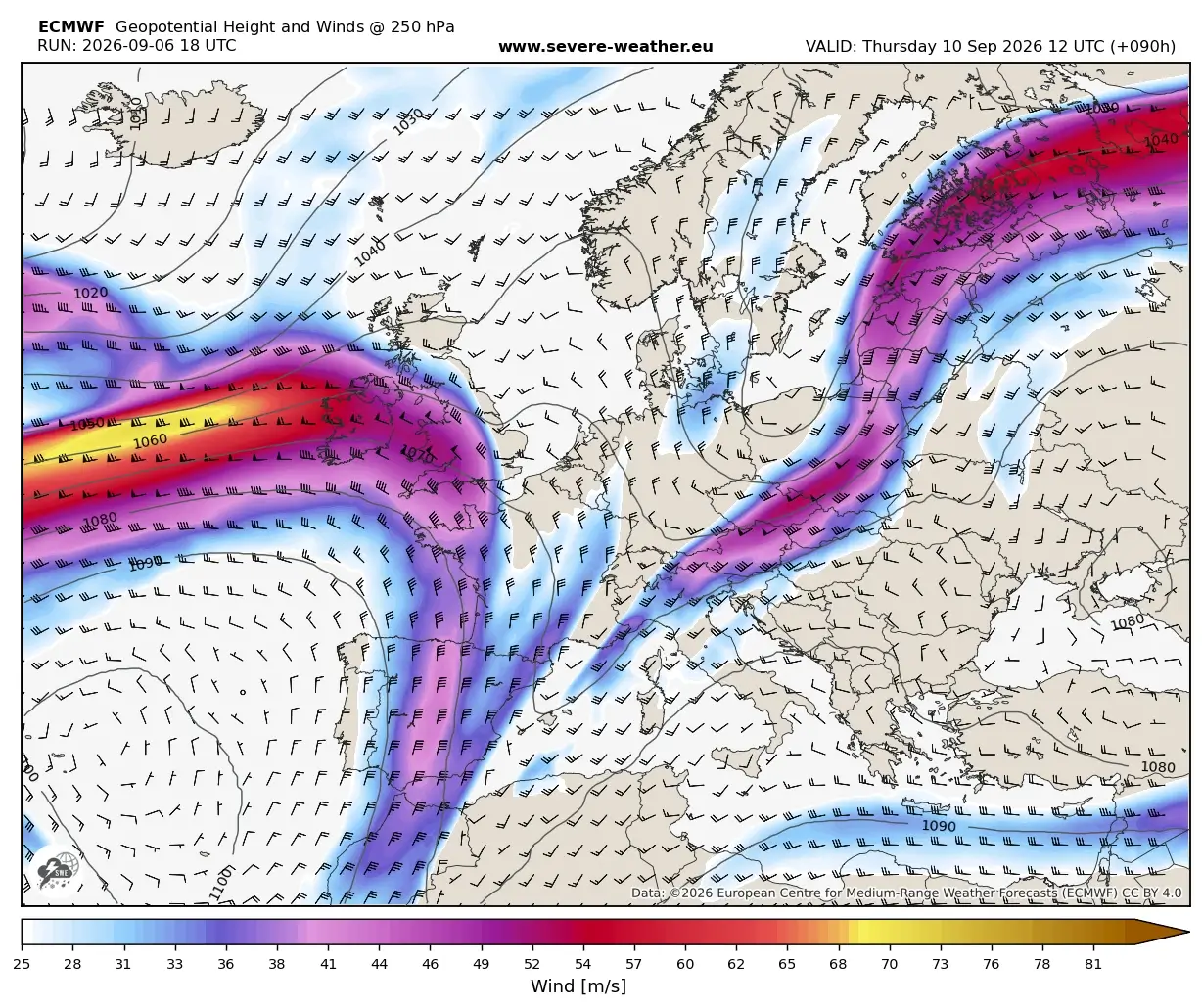
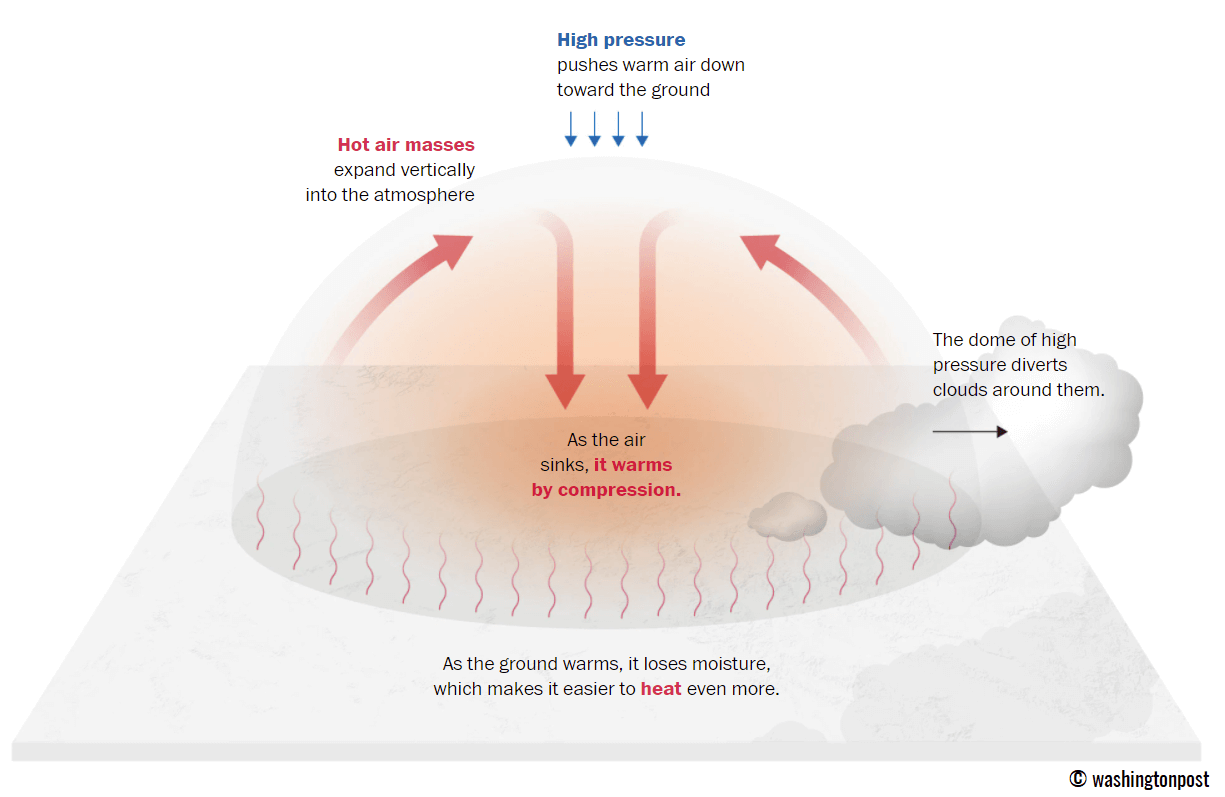
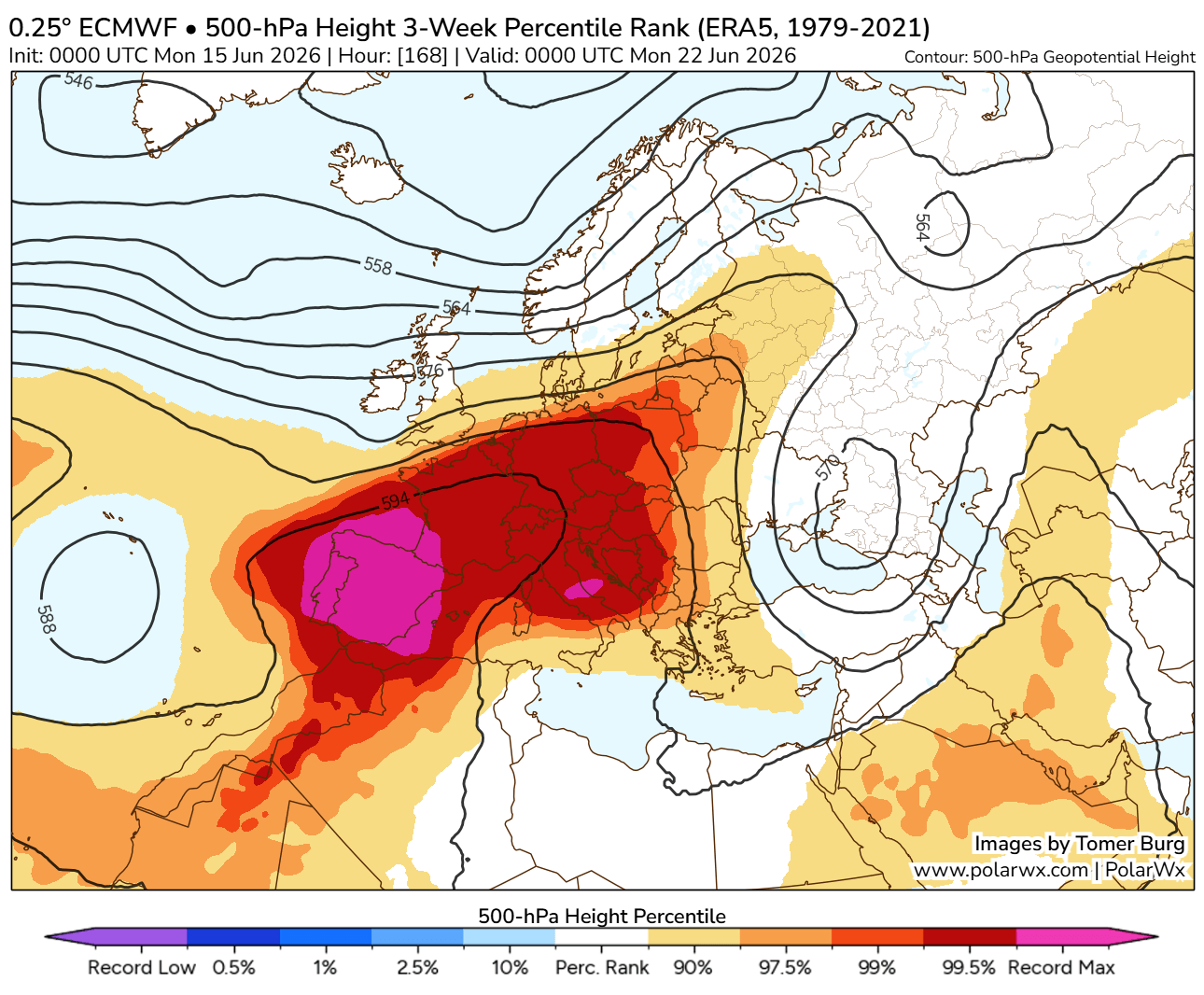
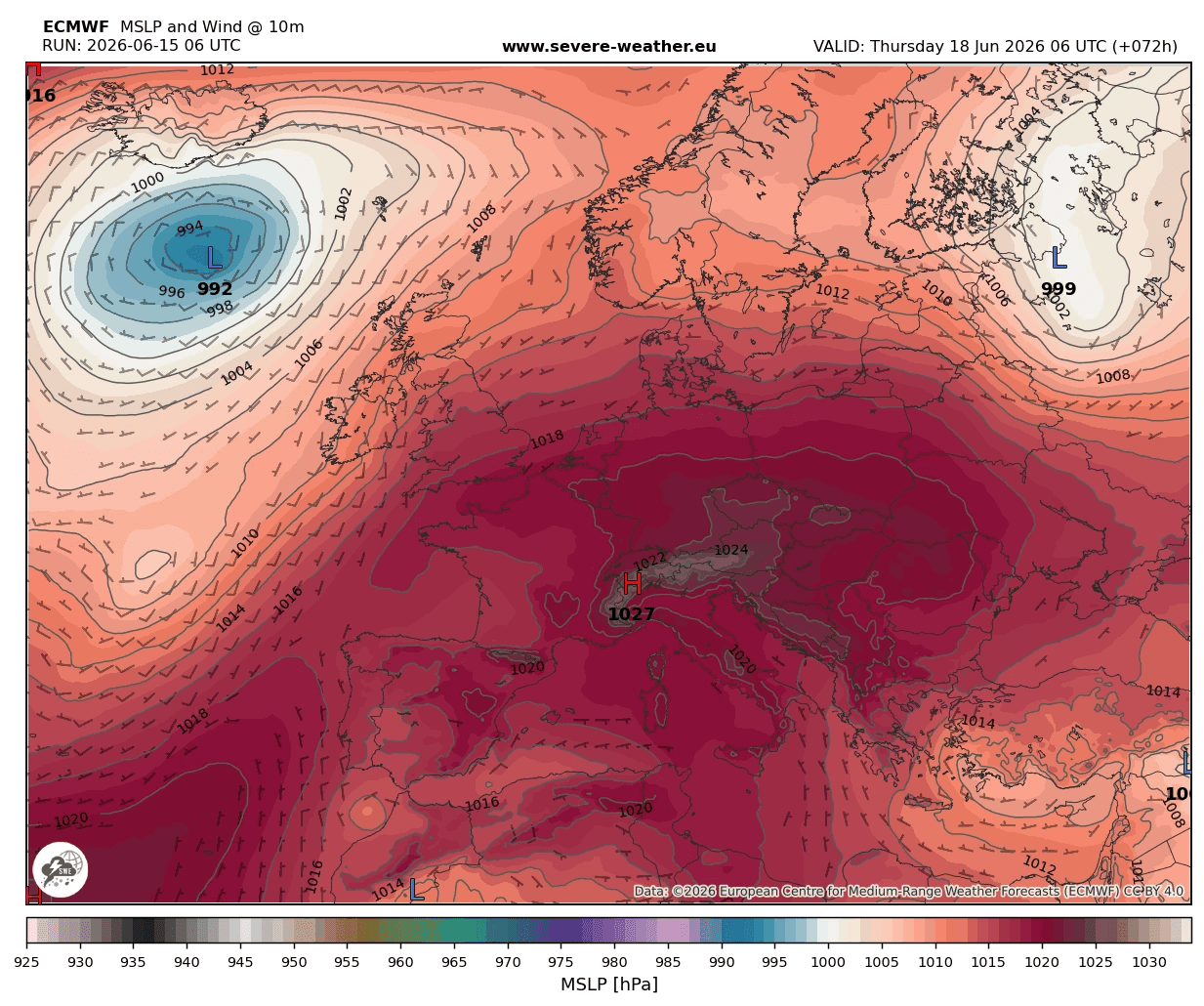
The phenomenon currently unfolding across the North Atlantic and Europe is rooted in a robust upper-level ridge that has been building out of Northwest Africa. Meteorologists describe this as a “blocking high” or “upper-level ridge,” a stable weather pattern that acts much like a lid on a pressure cooker. By trapping warm air at all altitudes and forcing it to sink toward the ground, the system compresses the atmosphere, causing temperatures to skyrocket near the surface.

This process is exacerbated by the current state of the European landscape. Following a record-breaking hot spell in late May, soil moisture levels across many regions are critically low. Because dry soil cannot provide the natural cooling effect of evaporation—a process known as latent heat flux—the sun’s energy is directed almost entirely into heating the air rather than evaporating moisture. This creates a feedback loop that allows surface temperatures to climb with alarming speed, potentially pushing mercury levels 10 to 15 degrees Celsius above seasonal averages for this time of year.
Chronology of the Event: A Weekend of Rising Mercury
The onset of this heatwave is not a singular event but a cascading progression of thermal anomalies.
Mid-Week to Friday: The Iberian Prelude
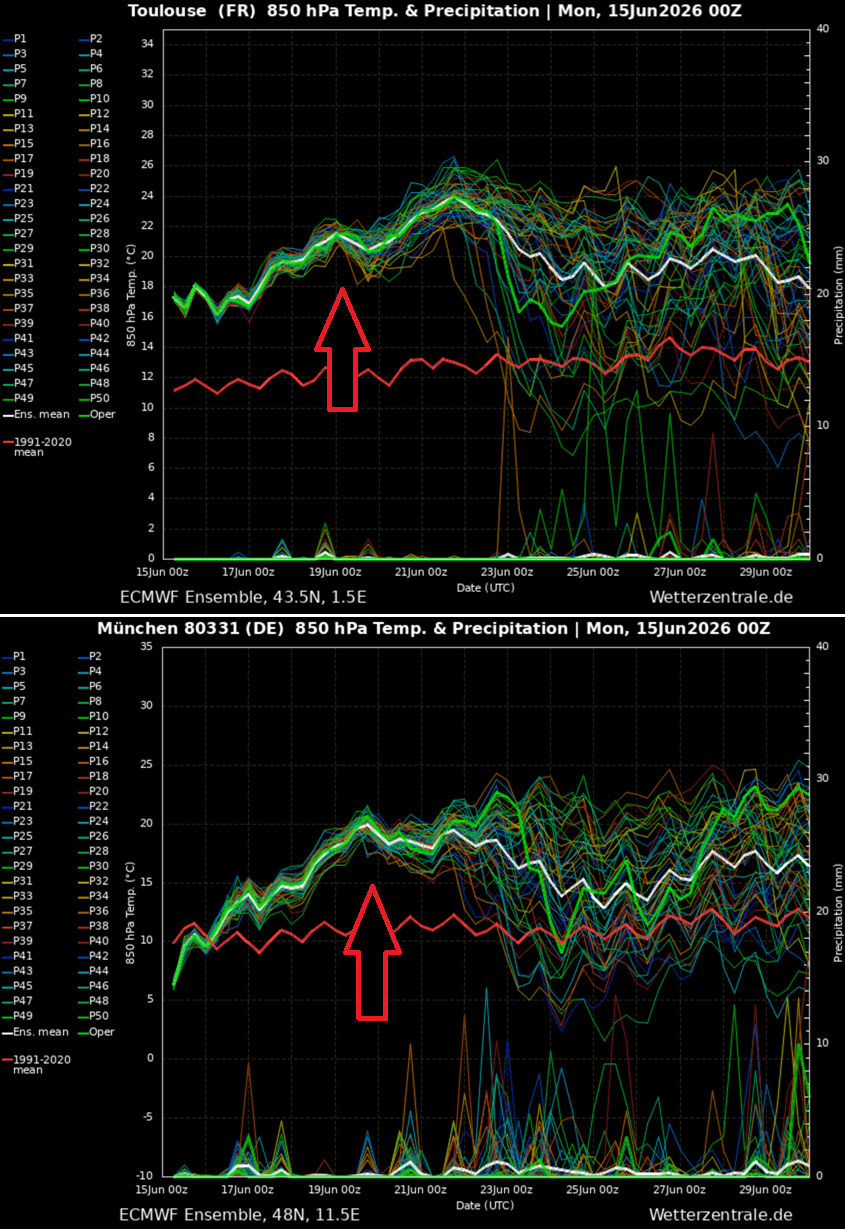
By mid-week, the Iberian Peninsula had already begun to feel the brunt of the Saharan plume. Both Spain and Portugal have been experiencing temperatures in the upper 30s, setting the stage for what is expected to be a brutal weekend. Meteorological models indicate that these regions will reach peak intensity by early next week, with local temperatures projected to hit the 45°C (113°F) threshold.
The Weekend Expansion: France and the Benelux
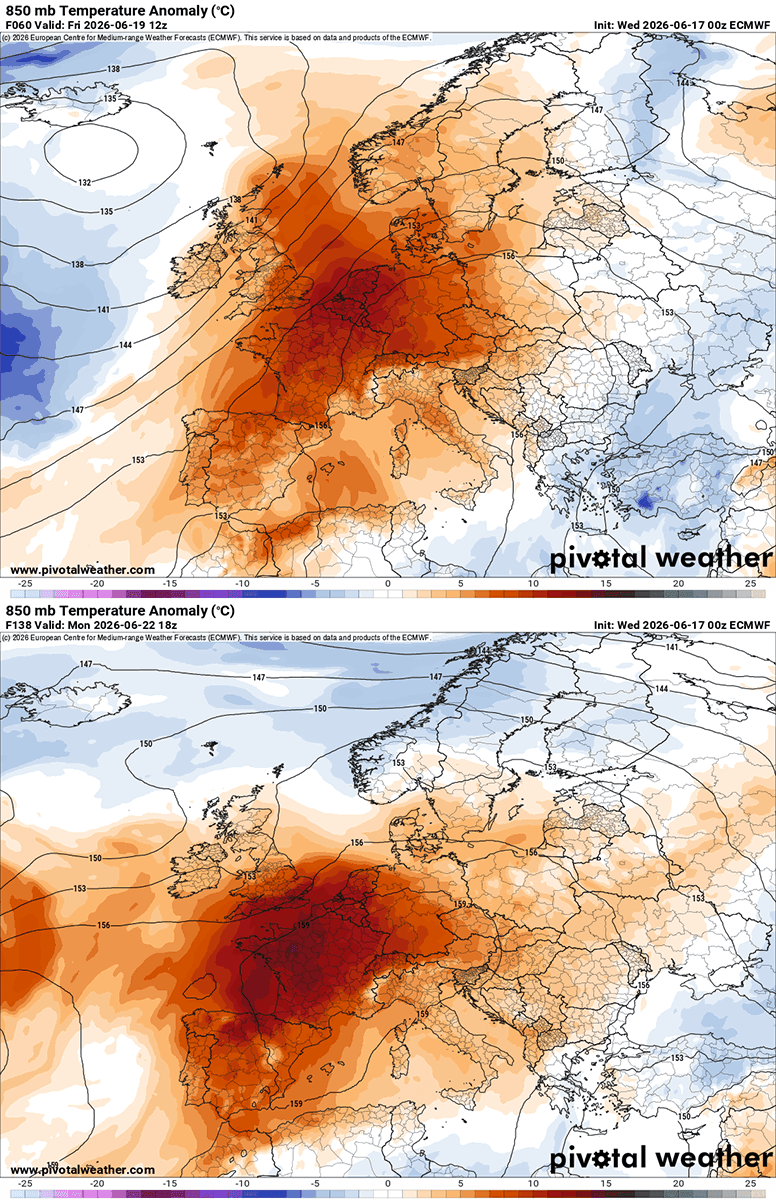
As the ridge strengthens and expands, the center of the heat moves northward into France. Thursday served as a warning, with temperatures already climbing toward the 40°C mark. However, current ensemble guidance from the ECMWF and GFS models suggests that the true peak for France will occur between Sunday and Monday. During this window, vast swathes of central, western, and southwestern France could see temperatures ranging from 41°C to 44°C, potentially challenging long-standing historical records for the month of June.
Late-Week Prospects: Germany, the UK, and the Mediterranean
While the core of the heat dome remains focused on France and the British Isles, the peripheral regions will not escape the warmth. Germany and the Benelux countries are expected to see temperatures in the low-to-mid 30s through the weekend. The United Kingdom, while currently avoiding the most extreme anomalies, is bracing for southern England to hit the low 30s by Friday and Saturday. Meanwhile, the North Italian plains are expected to experience a surge of heat early next week, with peak afternoon temperatures potentially reaching the 40s.
Supporting Data and Anomalies
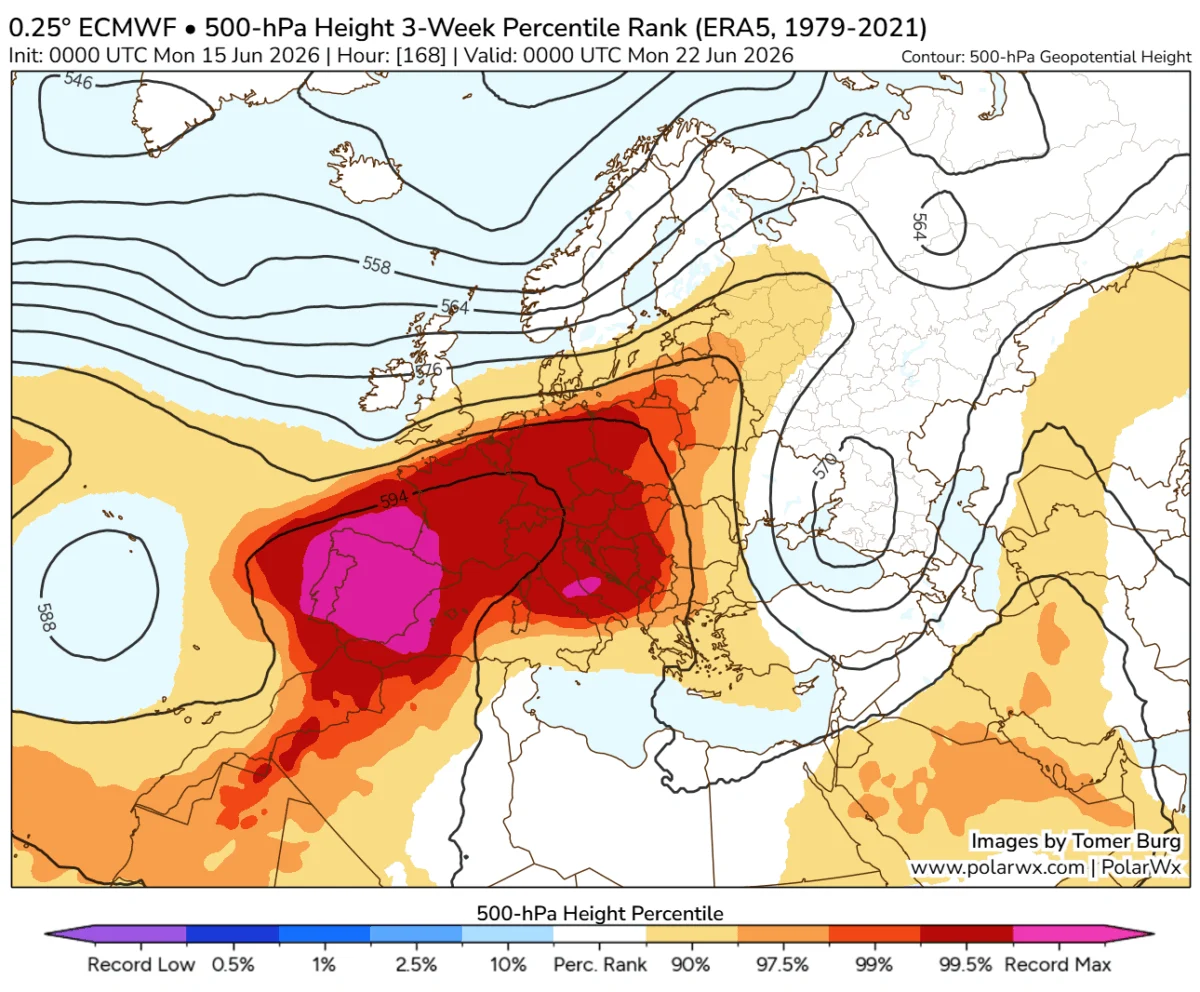
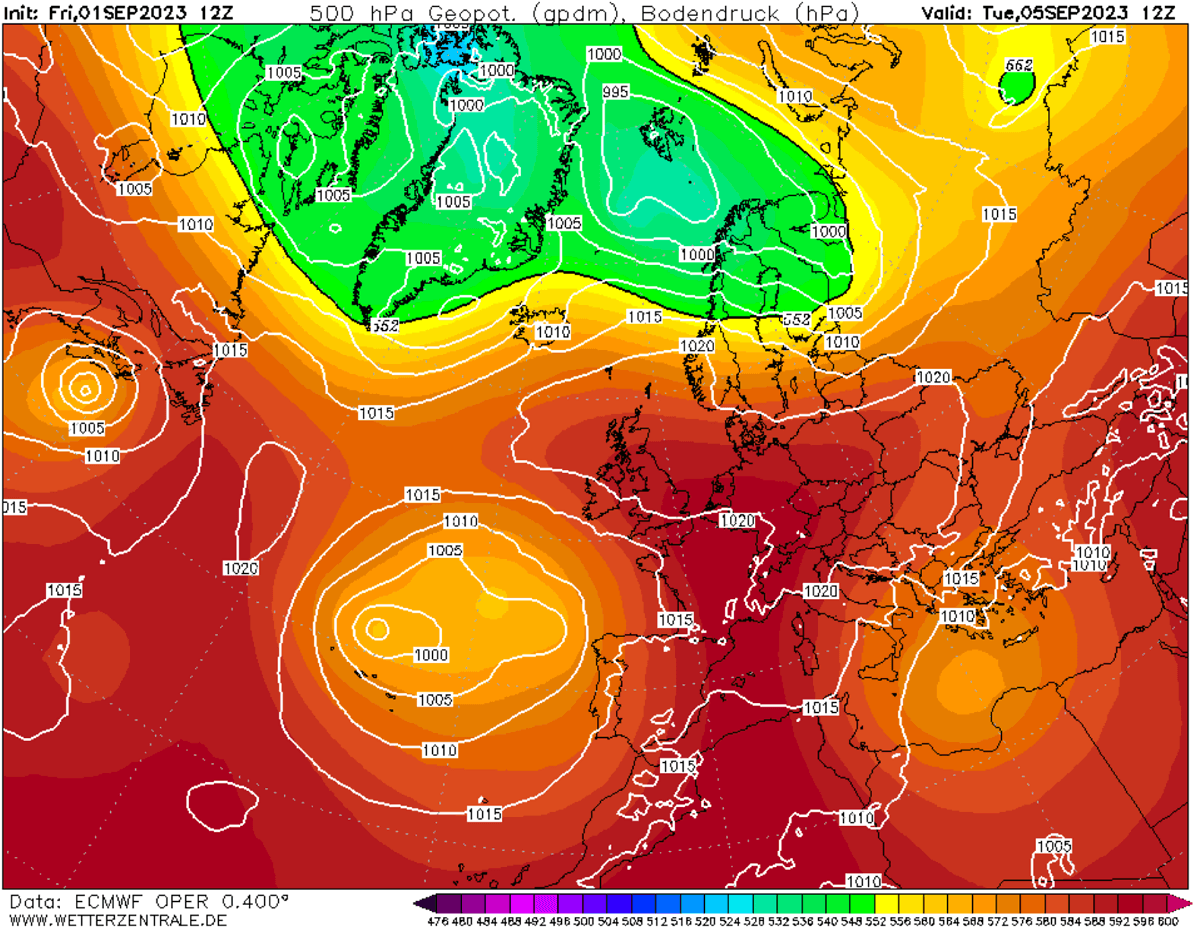
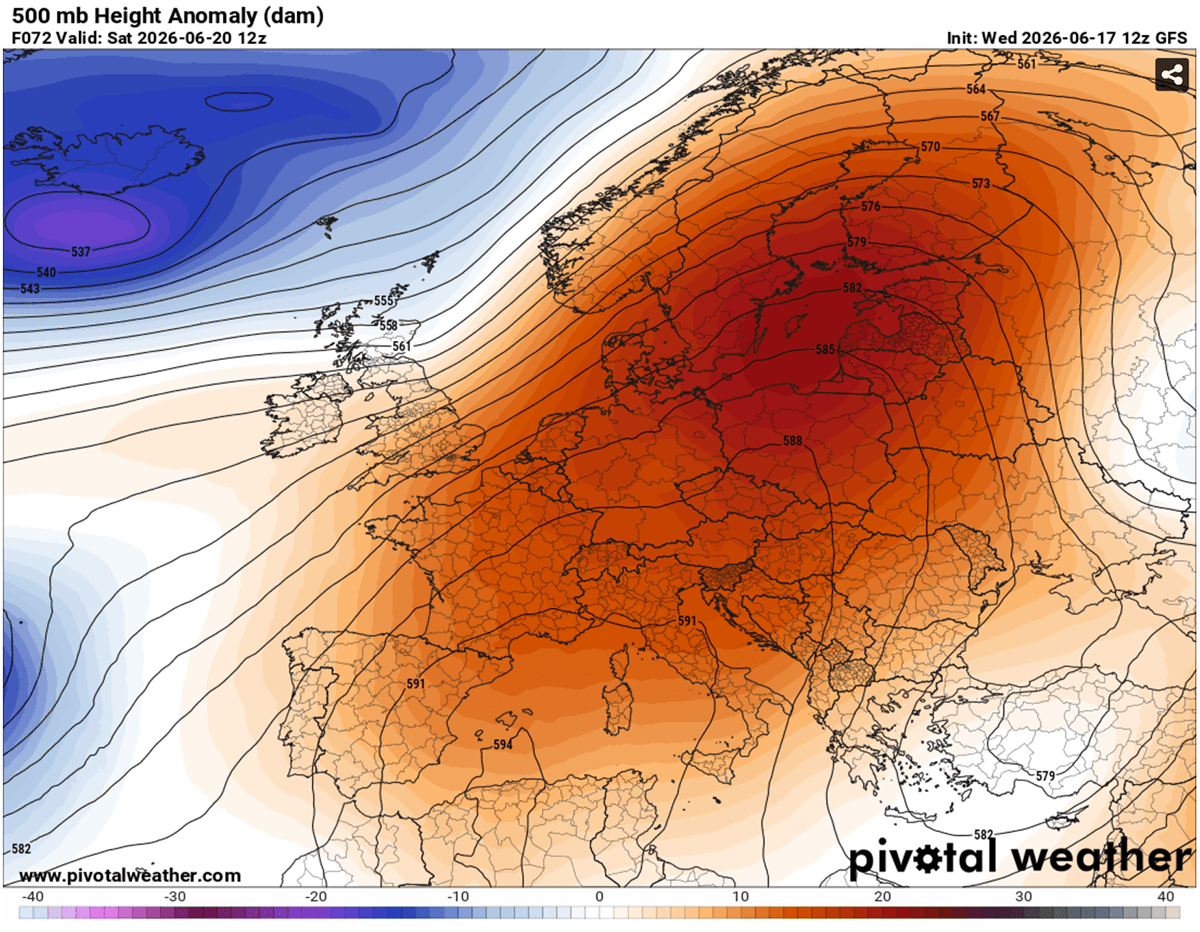
The scale of this event is best understood through the lens of tropospheric geopotential heights. At the 500 mbar level, models are showing near-record values, indicating an exceptionally anomalous late-spring setup. These heights are a proxy for the thickness and temperature of the air column; when they rise to these levels, it signifies that the subtropical air mass has expanded far beyond its typical northern reach.
Temperature anomalies for this event are forecasted at 14–18°C above the seasonal norm for late June. In some localized pockets of France, the deviation may be even higher. The surface high-pressure system, which sits beneath the upper-level ridge, is projected to remain largely stagnant, meaning there are no significant weather fronts or disturbances expected to “flush out” the heat in the immediate future. This persistence is what classifies this event as a dangerous, long-lasting heatwave rather than a temporary spike.
Public Health and Societal Implications
The implications of such prolonged, extreme heat extend far beyond simple discomfort. The “Heat Dome” acts as a cumulative stressor on both human physiology and infrastructure.
Vulnerable Populations
Public health agencies are particularly concerned about the elderly, children, and those with pre-existing cardiovascular or respiratory conditions. Prolonged exposure to nighttime temperatures that do not drop sufficiently—often referred to as “tropical nights”—prevents the human body from recovering from daytime heat stress. This is a critical factor in heat-related mortality.
The Occupational Hazard
Construction workers, agricultural laborers, and emergency responders are at the highest risk for heat exhaustion and heat stroke. As the Heat Index—a metric that combines ambient temperature with relative humidity—rises, the human body’s ability to cool itself via sweat evaporation becomes severely compromised.
Urban Heat Islands
The structural composition of modern European cities plays a major role in these events. Surfaces such as concrete, asphalt, and older building materials like asbestos absorb heat during the day and release it slowly at night, creating an “urban heat island” effect. This keeps inner-city temperatures significantly higher than rural surroundings, further endangering residents who lack access to modern climate-controlled housing.
Environmental and Economic Consequences
Beyond the immediate human impact, the heatwave poses significant risks to the natural environment and the economy.
- Drought and Water Security: With the soil already parched from the May heat spell, the agricultural sector faces a potential crisis. Water restrictions are likely to be implemented in several regions as evaporation rates increase and reservoirs are depleted to support irrigation.
- Wildfire Risk: The combination of low soil moisture and sustained high temperatures creates a "tinderbox" scenario. Authorities in Southern Europe are already on high alert, as the atmospheric conditions are ripe for the rapid ignition and spread of forest fires.
- Energy Demands: The electrical grid will face an unprecedented stress test as the demand for air conditioning surges across Western and Central Europe. Utility providers are bracing for potential peak-load issues, particularly as the heat settles into the early work week.
Official Responses and Monitoring
While regional governments have begun issuing heat-health warnings, the situation remains fluid. Meteorological agencies, including those utilizing data from TropicalTidbits, Pivotal Weather, and Meteociel, are monitoring the upper-level ridge’s behavior with high-resolution models.
The primary concern for meteorologists is the "stagnation" of the ridge. As long as the blocking pattern persists over France and the surrounding areas, the temperature anomalies will continue to accumulate. Citizens are advised to monitor local government bulletins, stay hydrated, and limit physical exertion during the peak hours of 11:00 AM to 5:00 PM.
As we approach the solstice, this event serves as a stark reminder of the shifting dynamics of European weather. The persistence and intensity of this Heat Dome will be subject to intense scrutiny in the coming days, as researchers analyze how these atmospheric blocking patterns are becoming more frequent in a changing climate. For now, the priority remains the safety of those in the most heavily affected zones as the continent prepares to endure a record-breaking, early-summer ordeal.
Stay tuned to local news and meteorological services for real-time updates as this significant heat event continues to evolve.