For many, the transition to bidet ownership represents a distinct "before and after" moment in their domestic lives. It is a shift in daily routine so profound that it often borders on the existential. Once a person experiences the precision and cleanliness of a temperature-controlled, oscillating water stream, the reliance on dry, abrasive paper feels archaic—even gross.
As an increasing number of Americans embrace this bathroom transformation, the bidet has evolved from a niche European curiosity into a high-tech cornerstone of the modern smart home. What was once a simple ceramic fixture in 18th-century France has been reimagined by Japanese engineering into a sophisticated, multi-functional wellness device.
Chronology: From French Antiquity to Japanese High-Tech
The history of the bidet is a testament to the evolution of sanitation. Originating in 18th-century France as a standalone basin, the device was initially a manual tool for personal cleansing. However, the true "bidet revolution" occurred decades later in Japan, where engineers integrated the technology directly into the toilet seat.

By the late 20th century, the "Washlet" became a household standard in Japan, eventually making its way to Western markets. While it faced a slow adoption rate in the United States due to bathroom layout constraints and cultural hesitance, the COVID-19 pandemic acted as a massive catalyst. As supply chains for paper products faltered, Americans turned to water-based solutions, solidifying the bidet’s place in the modern home. Today, we are in the era of "buttmaxxing"—a colloquial term for the pursuit of the ultimate, tech-enabled bathroom experience, featuring everything from heated seats and deodorizing fans to precision-engineered water oscillation.
The Gold Standard: Testing Today’s Top Innovations
After rigorous testing of the latest market offerings—ranging from sleek, minimalist add-ons to fully integrated, all-in-one toilet systems—we have identified the top performers that justify the investment.
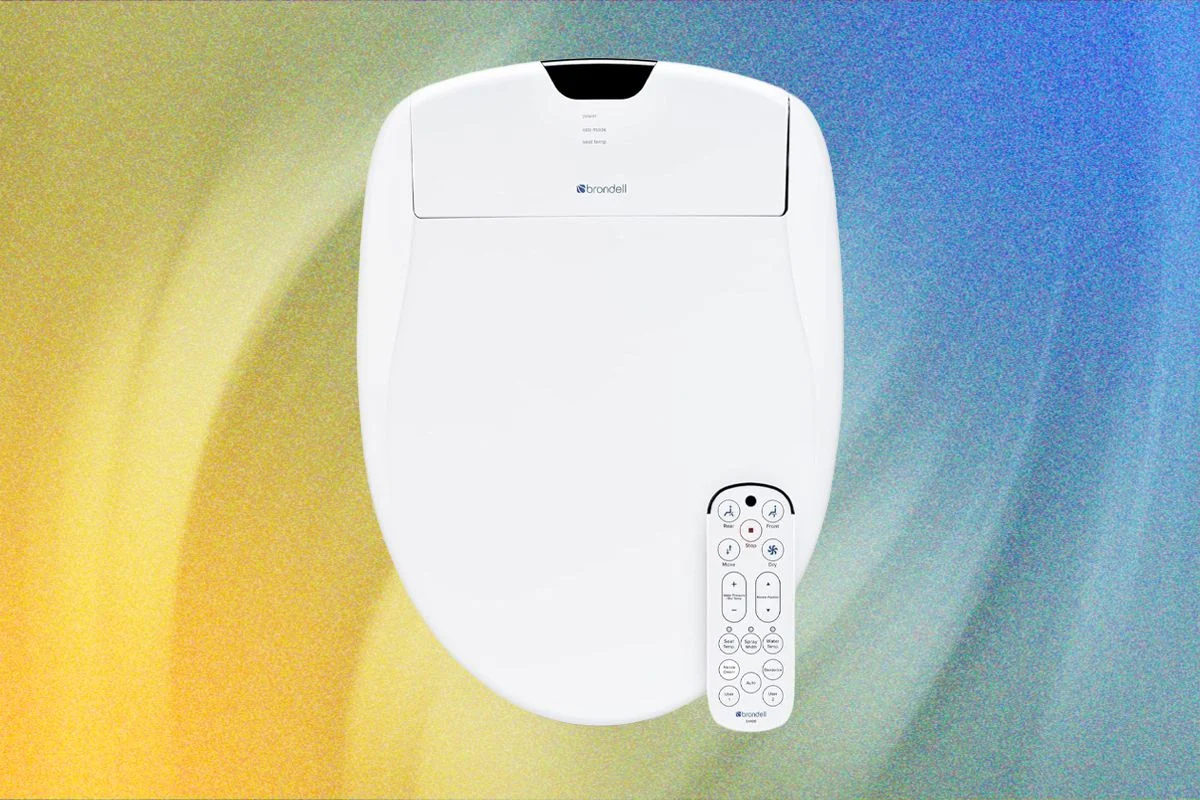
Best Bidet for Most People: Brondell Swash 1400
The Brondell Swash 1400 stands as the benchmark for functionality and ease of use. It offers a perfect balance of luxury and accessibility. During testing, the unit’s warmed seat, adjustable nozzles, and effective deodorizing system performed flawlessly. The remote control is intuitive, allowing for multiple user profiles, which is a significant perk for shared households. Its drying capability is swift, and its overall reliability makes it the primary choice for those looking to upgrade their bathroom without navigating overly complex setups.

Best High-End Bidet Seat: Toto S7A
Toto, the innovator behind the Japanese washlet movement, remains the leader in luxury. The S7A is a masterpiece of design, easily mistaken for a standard toilet seat until its lid lifts and a night-light engages upon detecting a user.
Key to its performance is the Ewater+ system. By applying a mild electrical charge to tap water, the bidet generates an alkaline substance that cleans the bowl without the need for harsh chemicals. Our testing revealed that bowls equipped with Ewater+ require significantly less manual scrubbing. While the drying fan is slightly more compact than on previous models, the S7A’s performance and long-term durability make it a sound investment for the discerning consumer.
Best for Pressure Enthusiasts: Bio Bidet BB-2000
For those who prioritize raw power, the Bio Bidet BB-2000 is unmatched. Utilizing "vortex wash" technology, it delivers a corkscrew stream of water with surgical precision. It is widely regarded as having the most effective "enema" function on the market. While it features all the standard luxuries—heated seats, dryers, and auto-opening lids—it is truly the "heavy-duty" option for those who find standard bidets too gentle.

Supporting Data: Why Engineering Matters
The transition to a bidet is not merely a matter of comfort; it is a matter of efficiency and health. Modern bidet toilets, such as the Toto Aurora Washlet+ S7A, utilize advanced "dual-phase" cleaning. These systems use a mere one gallon of water per flush, well below the EPA standard of 1.6 gallons, demonstrating that high-tech sanitation can also be environmentally sustainable.
Furthermore, the integration of UV-C light for wand sanitization—as seen in the Kohler PureWash E930—provides a layer of hygiene that paper cannot replicate. The data is clear: users who adopt these systems report a significant reduction in the need for manual cleaning and a marked increase in personal comfort.
Official Perspectives and Technical Considerations
When choosing a system, one must account for the infrastructure of their home. As we noted during our installations, older homes often present challenges.

"The hurdle of installation is worth the result," notes one expert tester. "However, one must be prepared for the realities of modern plumbing." For example, the THU9090R toilet extension hose is a critical, albeit small, accessory for those retrofitting older homes with elongated toilets. It allows the necessary clearance to connect water supplies in tight spaces, saving the user hours of frustration.
The "Invisible" Bidet: Kohler Veil and PureWash E930
For homeowners who prefer a clean, minimalist aesthetic, the Kohler Veil and PureWash E930 set is the premier choice. By utilizing a specially designed tank, Kohler hides all cords and water hoses from sight. This unit effectively competes with the high-end Toto line, offering an ultra-slim profile and a robust set of features that make the technology feel entirely integrated into the home’s architecture.
Implications: The Future of the American Bathroom
The rise of the bidet is changing the way we view the bathroom. It is no longer just a room of necessity; it is becoming a room of technological wellness. The implications are far-reaching:

- Sustainability: Lower water usage per flush and a reduced reliance on the multi-billion dollar toilet paper industry.
- Health and Sanitation: Improved personal hygiene standards and reduced manual labor for cleaning.
- Domestic Harmony: Features like auto-closing lids and programmable settings help mitigate common household disputes, while touchless technology addresses the growing desire for sanitary, hands-free operation.
A Note on What to Avoid
Not every innovation succeeds. In our testing, the Duravit SensoWash Arcova proved disappointing due to its uncomfortable seat and slow-to-warm water delivery. Similarly, while entry-level models like the Brondell Swash BL97 or the Tushy Classic 3.0 serve their purpose, they lack the refinement and longevity of the mid-to-high-tier systems. A rule of thumb: if you are investing in a bidet, aim for the $500–$1,000 range to ensure you receive a system with a reliable, steady stream of warm water and durable construction.
Conclusion: An Investment in Daily Life
Whether you choose a simple, non-electric attachment or a fully integrated $3,000 smart toilet, the transition to a bidet is an investment that pays dividends in daily comfort and hygiene. The technology has matured, the options are plentiful, and the benefits—ranging from environmental impact to personal well-being—are undeniable. As we look toward the future of home design, it is clear that the standard-issue bathroom is evolving. Those who have already made the switch know the truth: there is simply no going back.